Macrology Blog
Nutrition, recipes and meal planning advice for real life
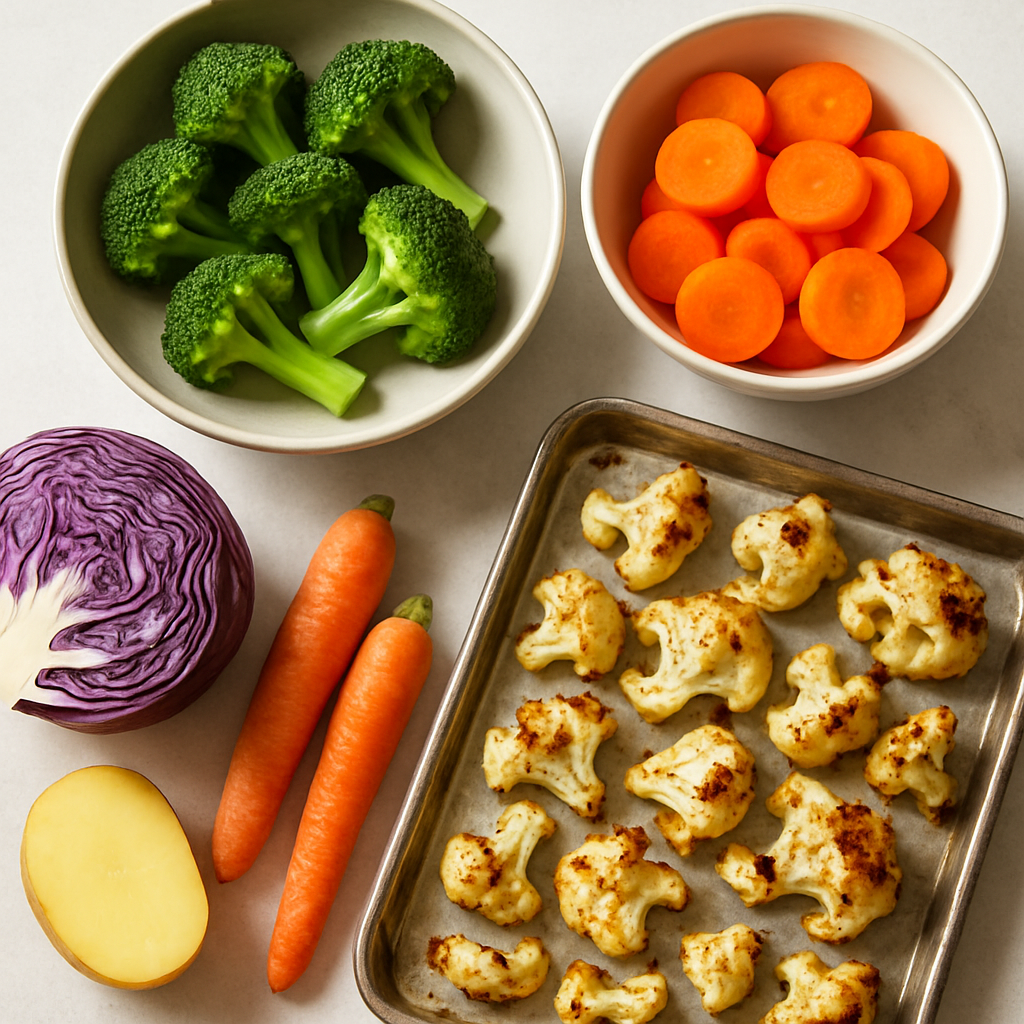
How Steaming, Boiling and Roasting Vegetables Compares for Nutrient Retention
Not all cooking methods are equal when it comes to nutrients. Steaming, boiling, and roasting each affect vitamins differently — and the vegetable matters too.
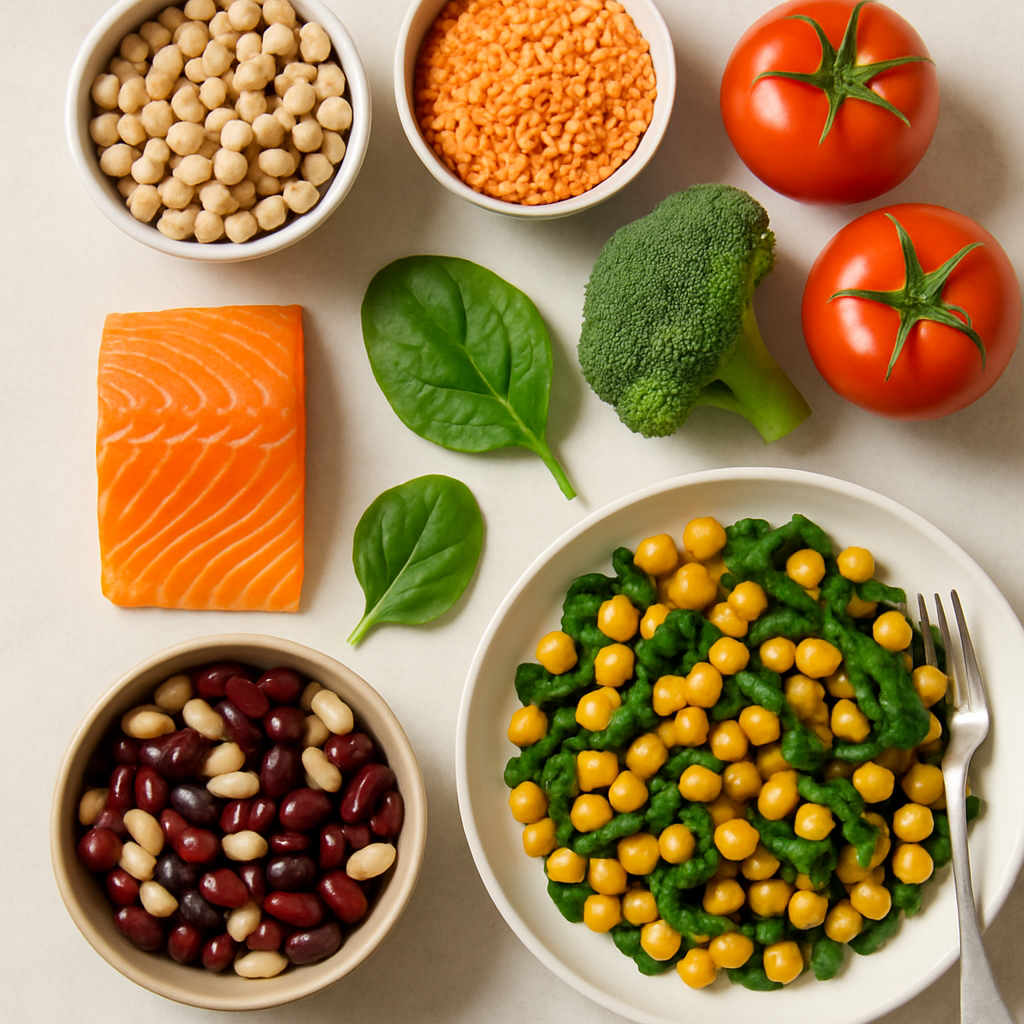
How Cooking with Pulses Changes the Protein Profile of a Meal
Pulses like lentils and chickpeas have fueled human diets for millennia. How you cook them affects their protein more than you'd think.
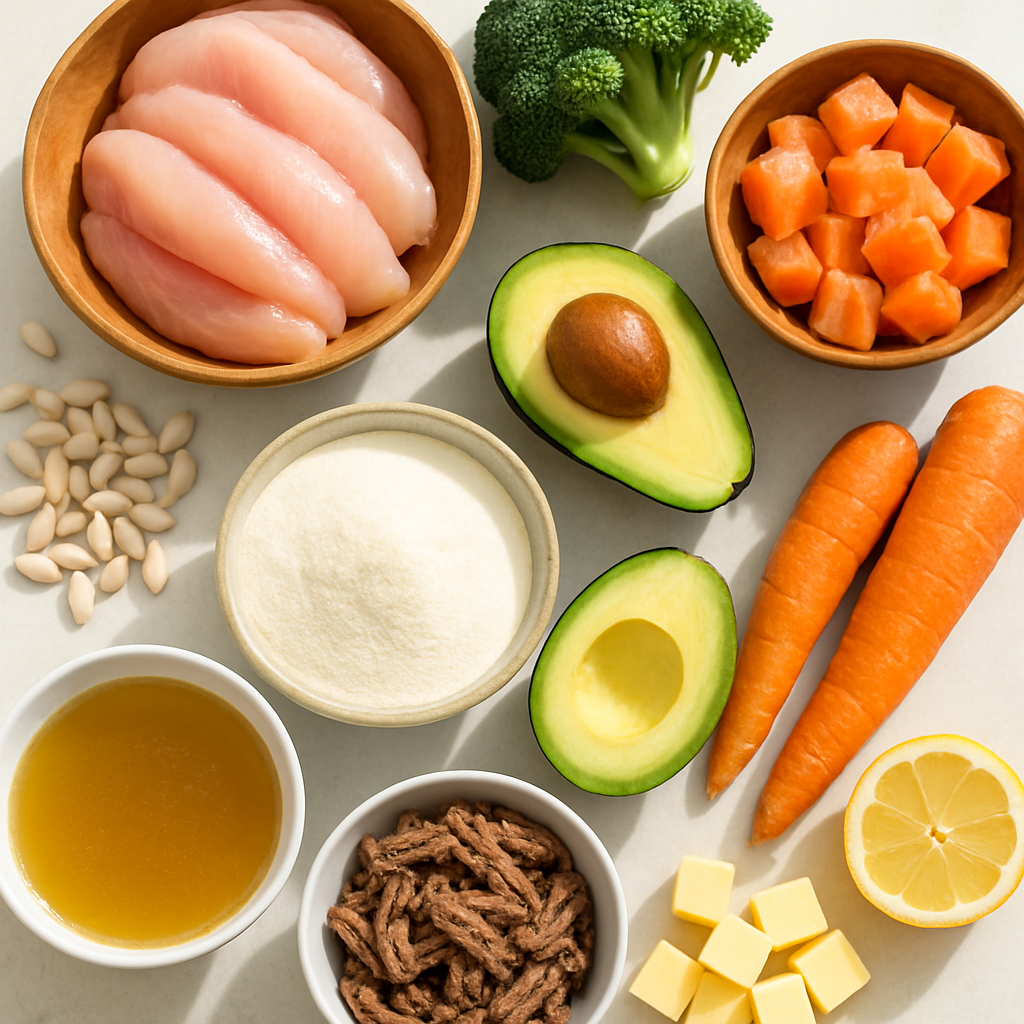
How Glycine and Proline Support Recovery and Why Collagen-Rich Foods Are Worth Adding to Your Diet
Glycine and proline do quiet repair work most people overlook. Collagen-rich foods supply both — and your recovery may depend on them.
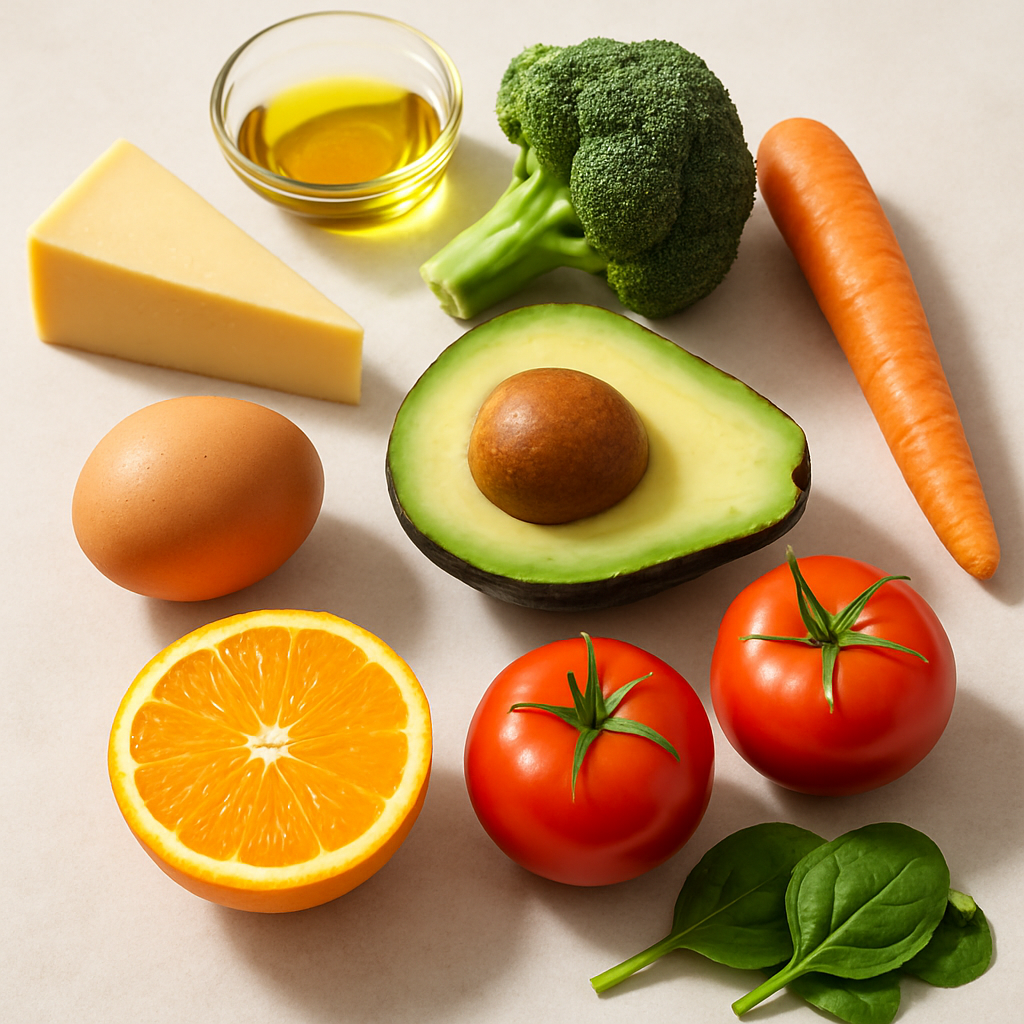
Why Fat-Soluble Vitamins Behave Differently — and Why It Matters for Your Diet
Some vitamins need fat to absorb properly — skip the fat, miss the nutrient. Here's why vitamins A, D, E, and K play by different rules.
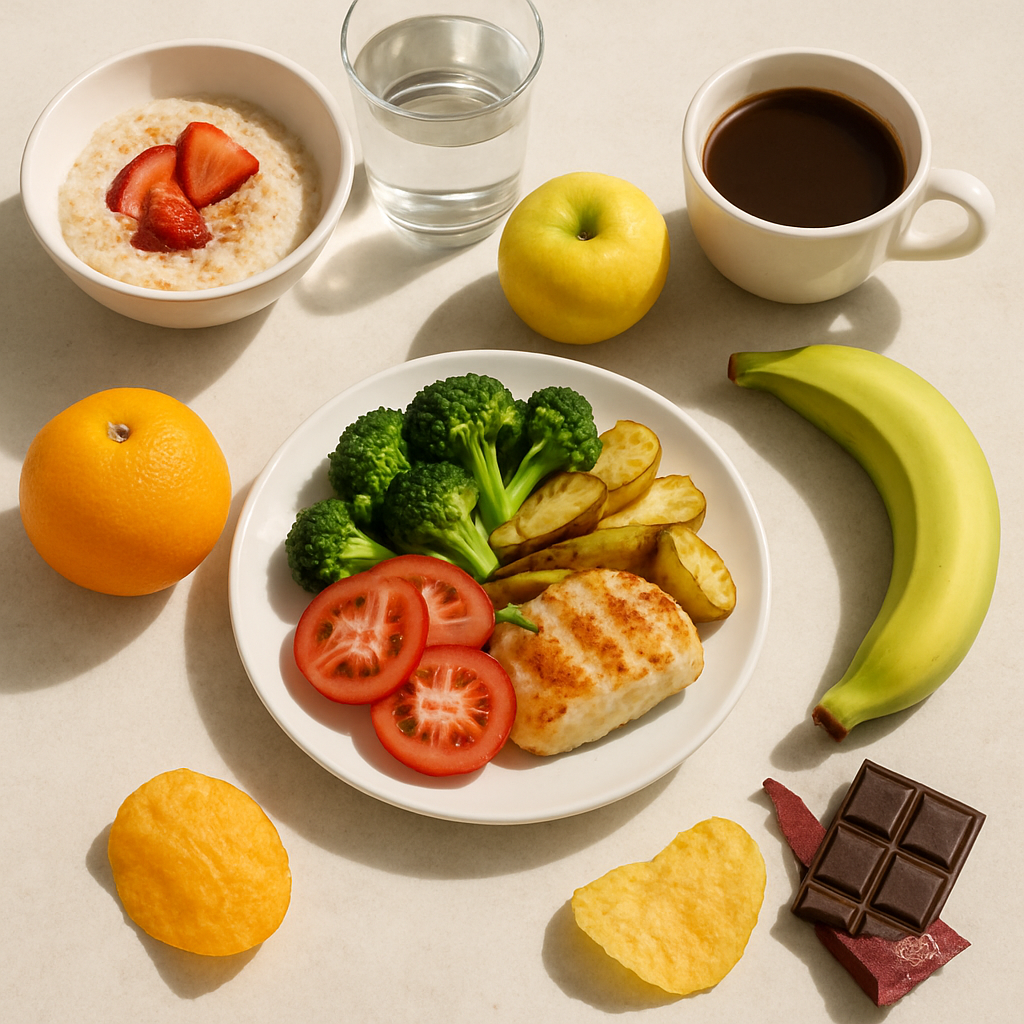
How Dehydration Affects Hunger, Energy and Food Choices Throughout the Day
Mild dehydration can quietly reshape your food choices without you realising. Learn how thirst masquerades as hunger and what it means for how you eat.
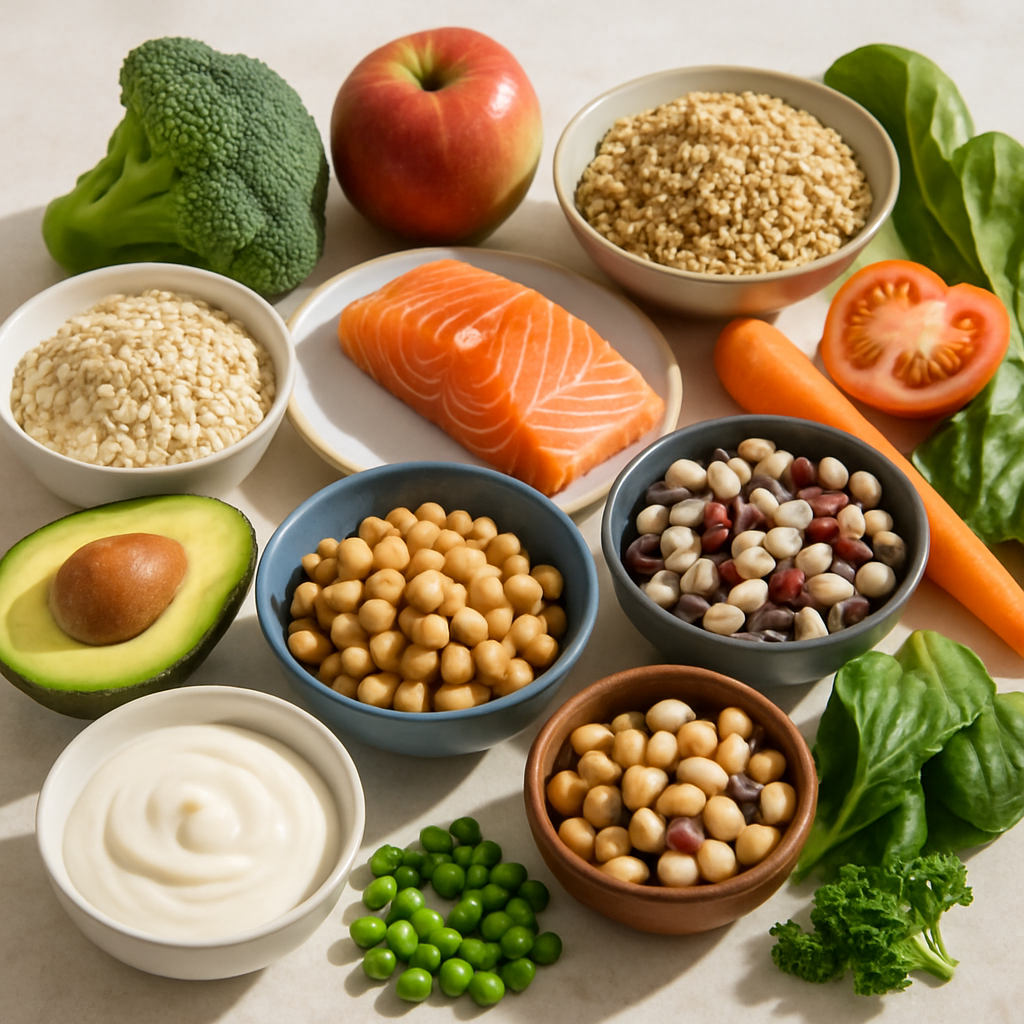
How Protein and Fibre Work Together to Keep You Fuller for Longer
Protein and fibre work together to keep you fuller for longer by regulating hunger hormones and stabilising blood sugar. Learn how combining them can transform
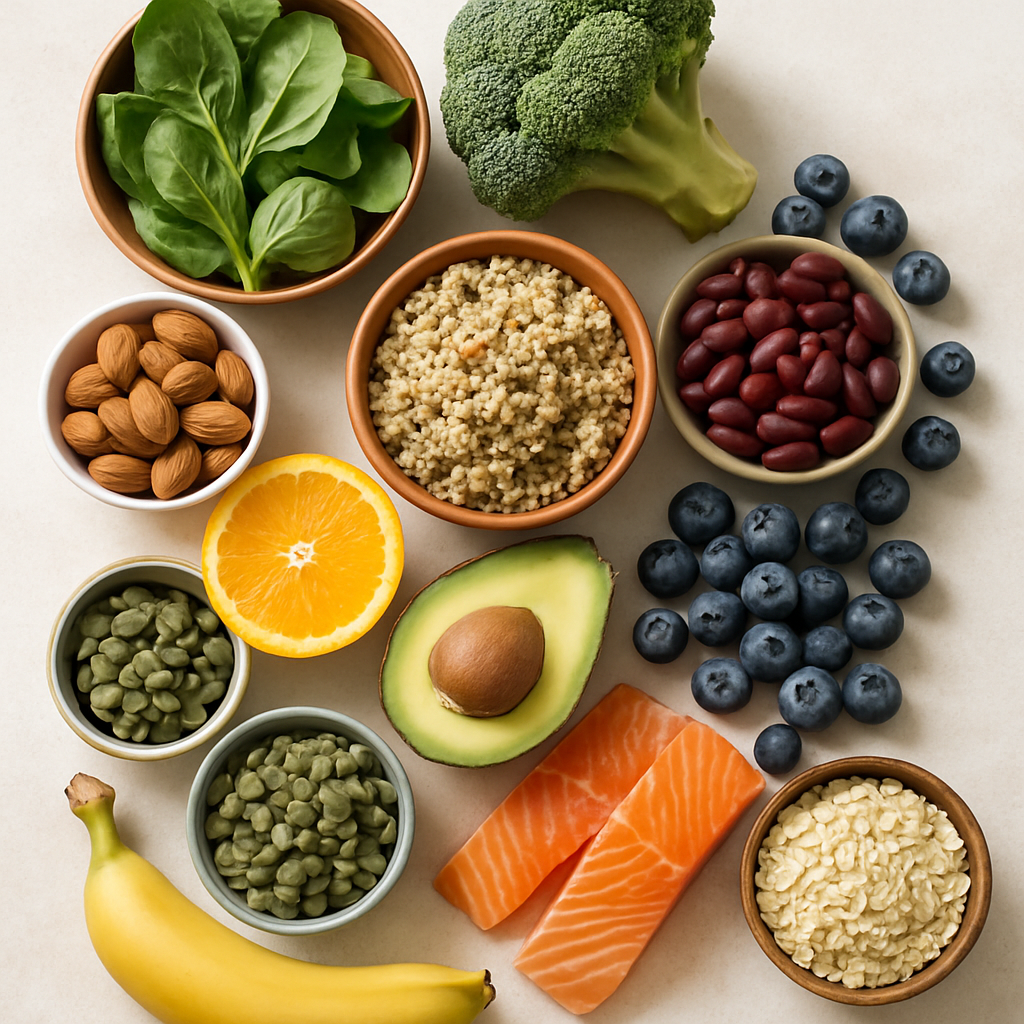
Why Magnesium Is One of the Most Important Minerals for Everyday Health
Magnesium drives 300+ reactions in your body—yet many of us fall short. Here's why this overlooked mineral matters more than you think.
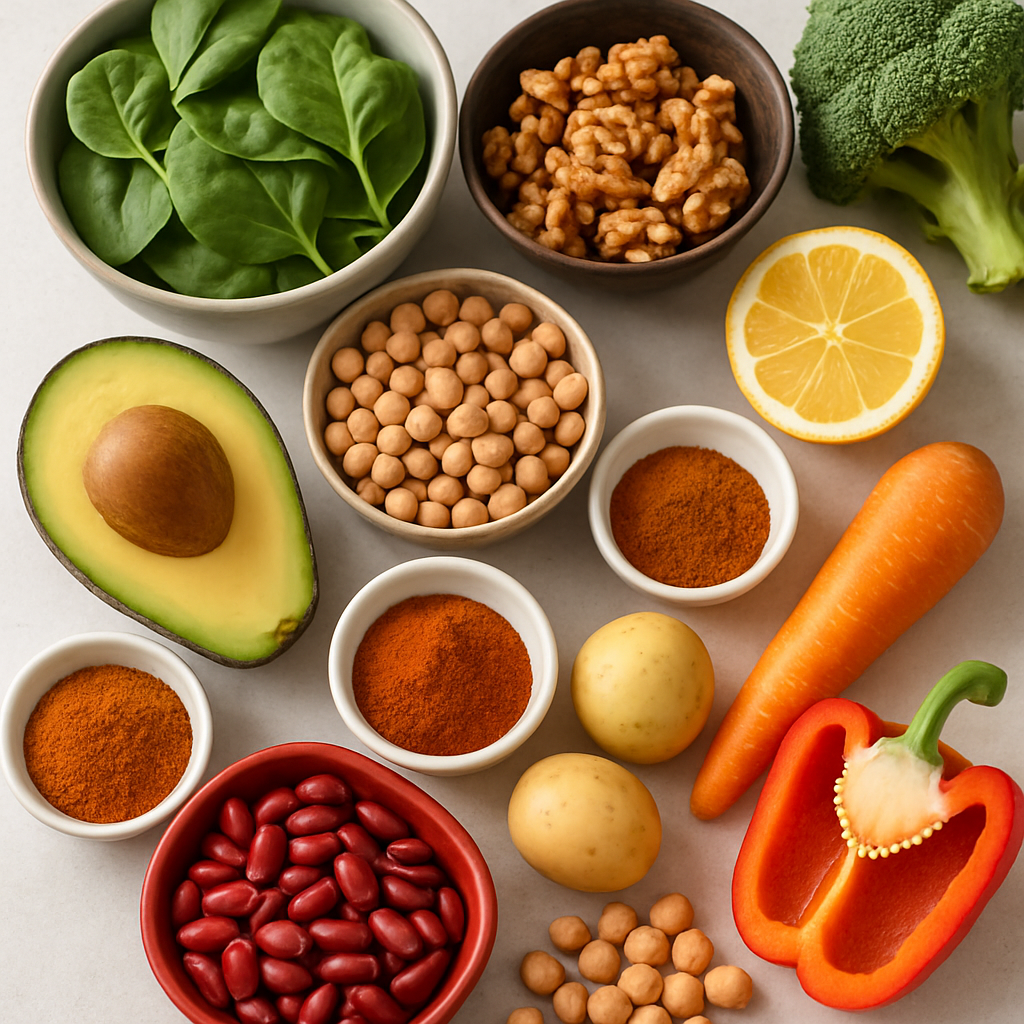
Why Manganese, Copper and Molybdenum Matter for Enzyme Function and Energy
Three trace minerals most people ignore—manganese, copper, and molybdenum—are vital for energy, detox, and cell function.
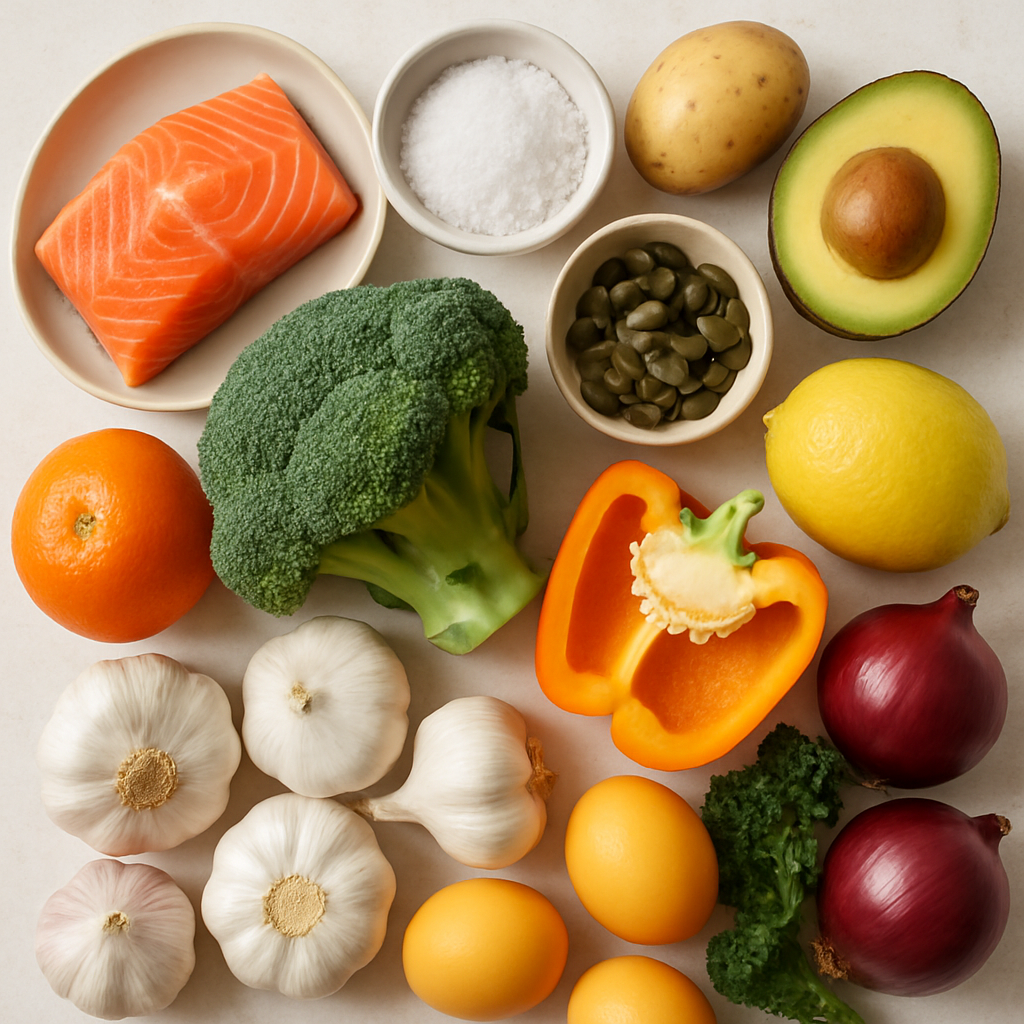
Fluoride, Chloride and Sulphur: The Overlooked Minerals That Support Everyday Health
Fluoride, chloride and sulphur rarely make headlines, but they quietly support your health every day. Here's what they actually do.
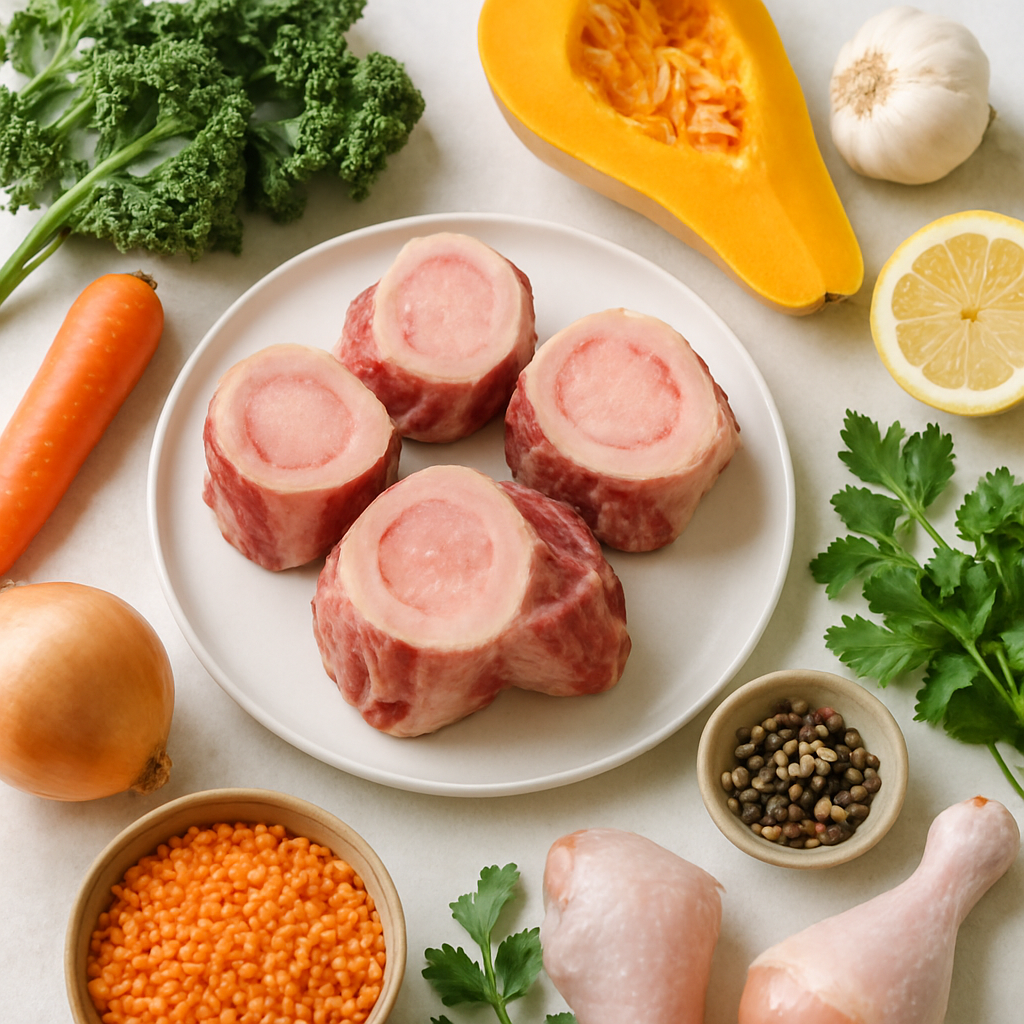
Why Cooking with Bones Adds More Than Just Flavour to Your Meals
Cooking with bones unlocks deep flavour and nutrients. Slow heat draws collagen and minerals from the bones, enriching your meals in ways packets never can.
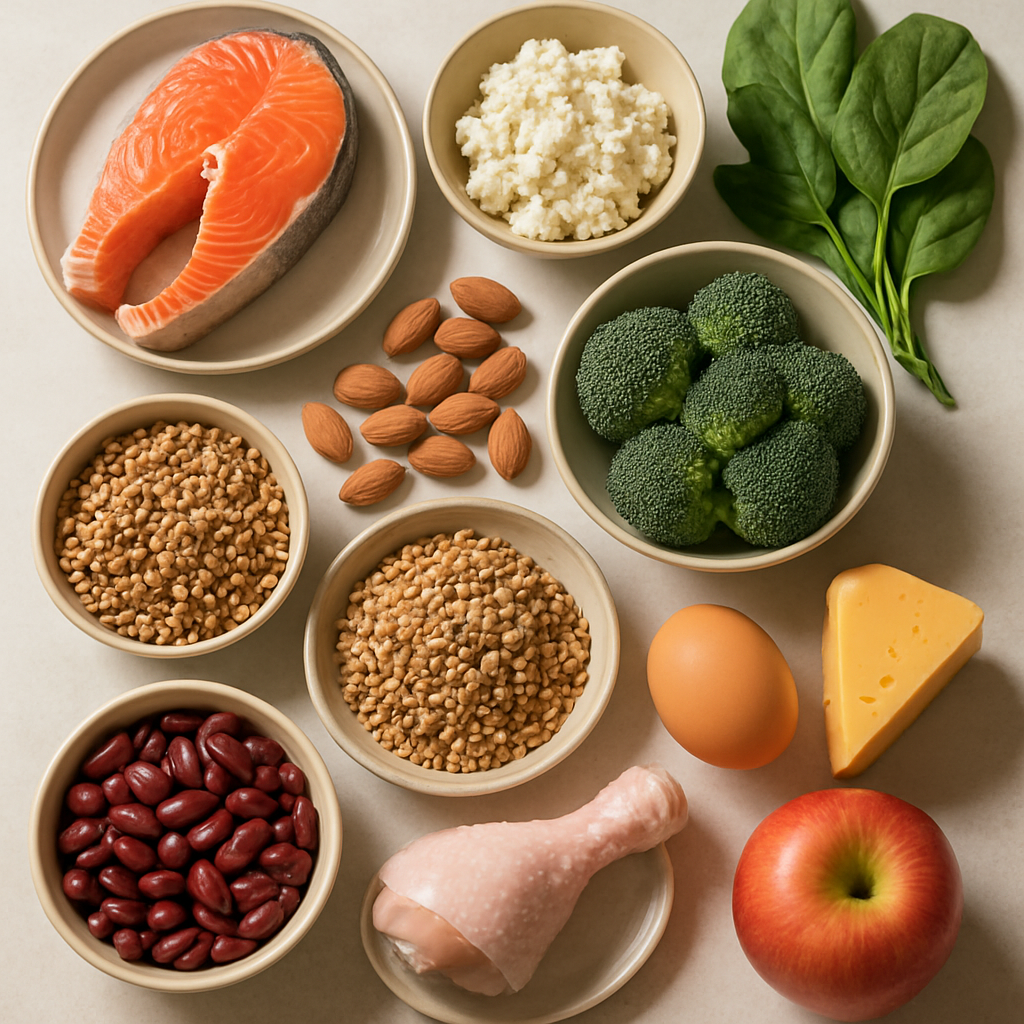
The Role of Phosphorus in Bone Health and Energy Production — and Why Most UK Adults Get Plenty
Phosphorus builds bones, powers cells, and is found in almost every food. Here's why deficiency is rare — and what it actually does.
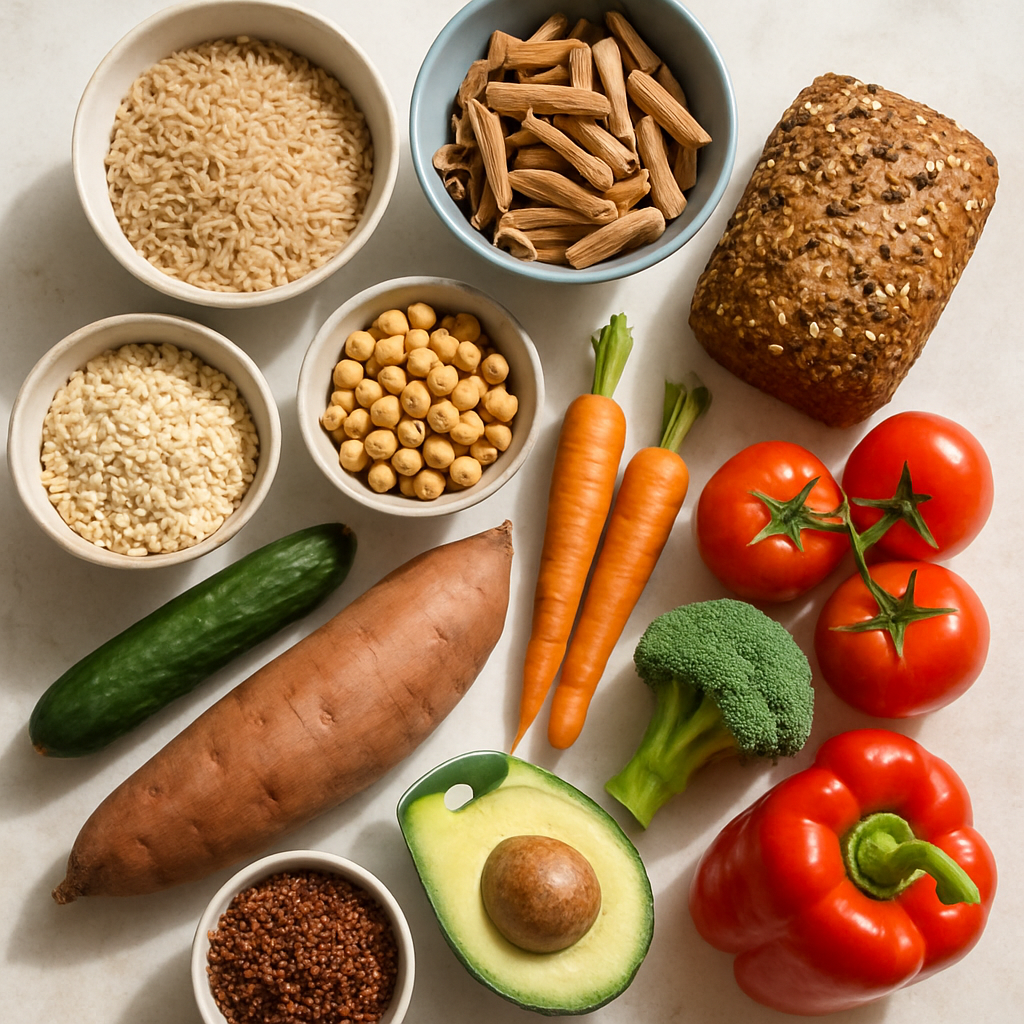
Why Carbohydrate Quality Matters More Than Carbohydrate Quantity
Not all carbs are created equal. The real question isn't how many you eat — it's which ones you choose.
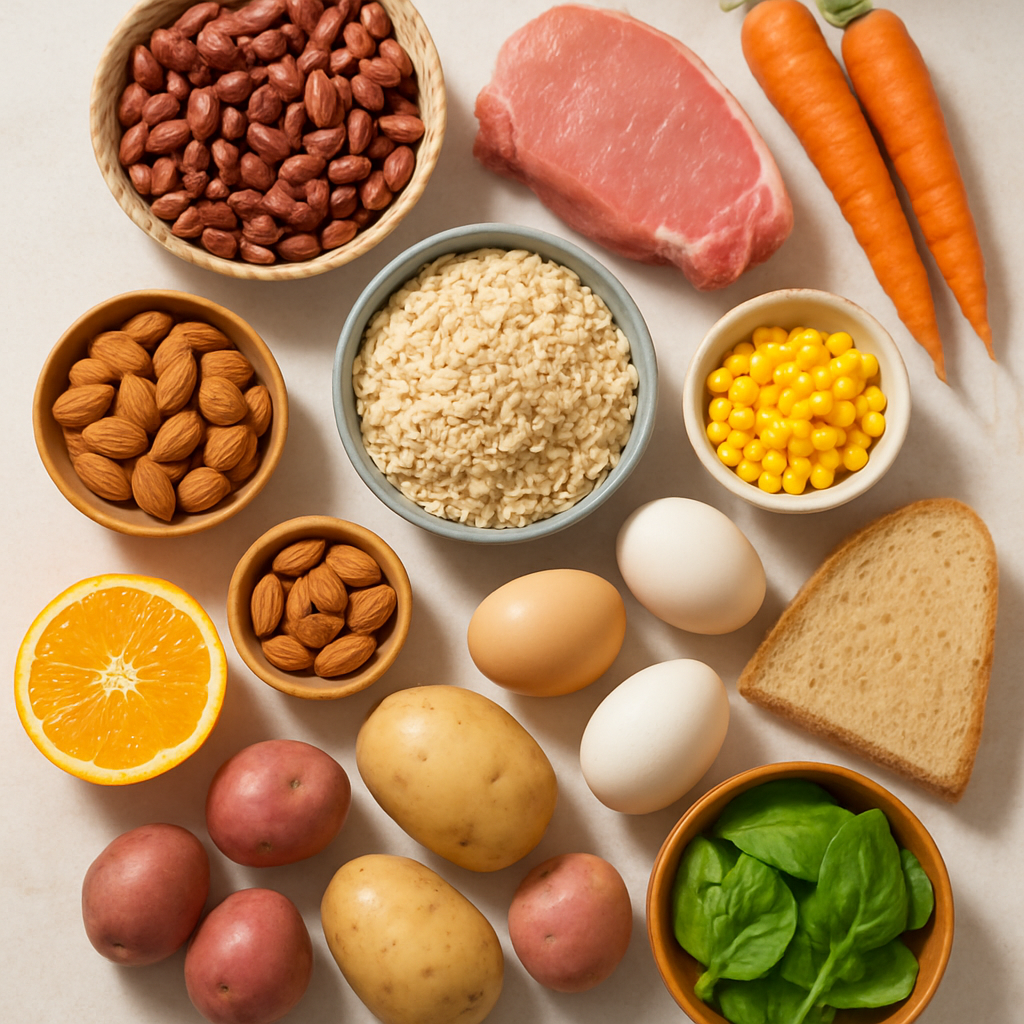
The Role of B Vitamins in Energy Metabolism and Where to Find Them in UK Foods
B vitamins are essential for converting food into energy — but what does that actually mean? Here's the science, plus where to find them in everyday UK foods.
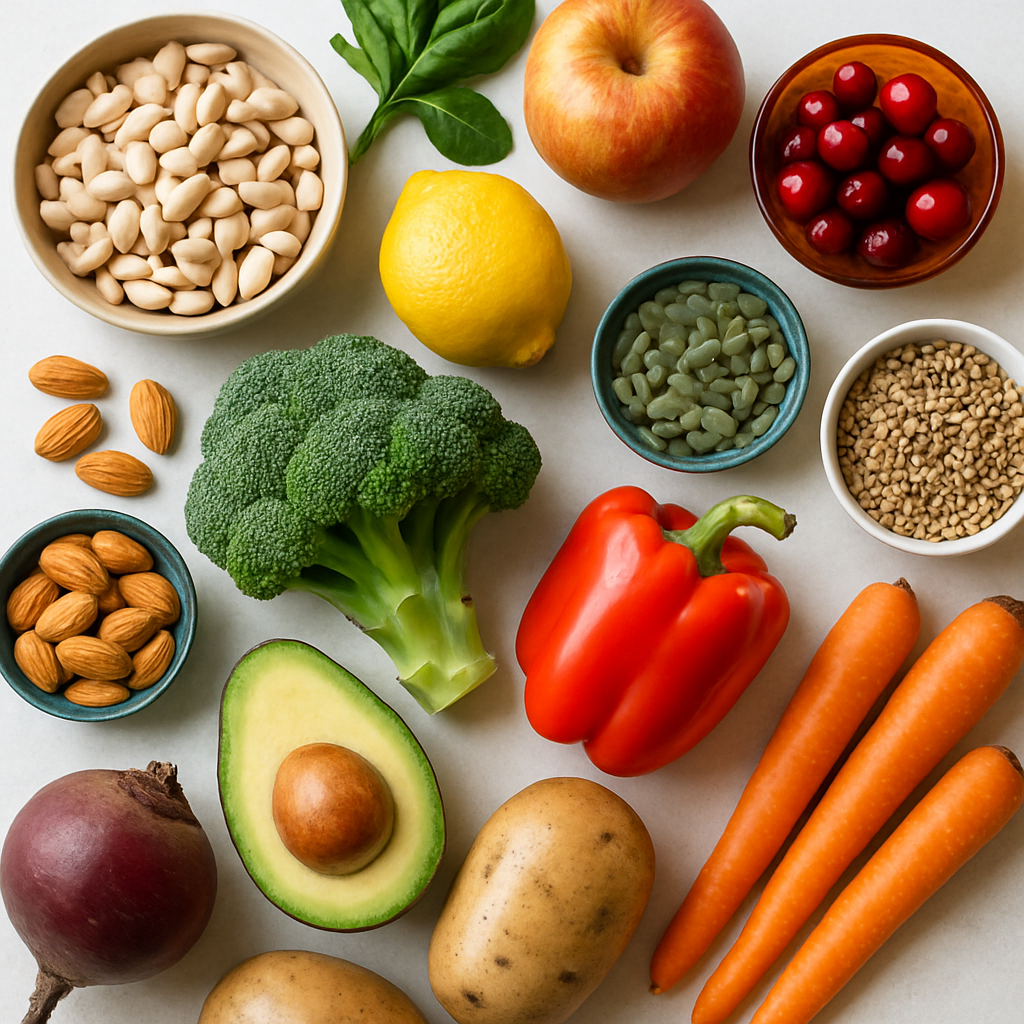
Why Molybdenum, Boron and Silicon Are Nutrients Worth Knowing About
Three minerals most people have never heard of may matter more than you think. Here's what the research shows about molybdenum, boron, and silicon.
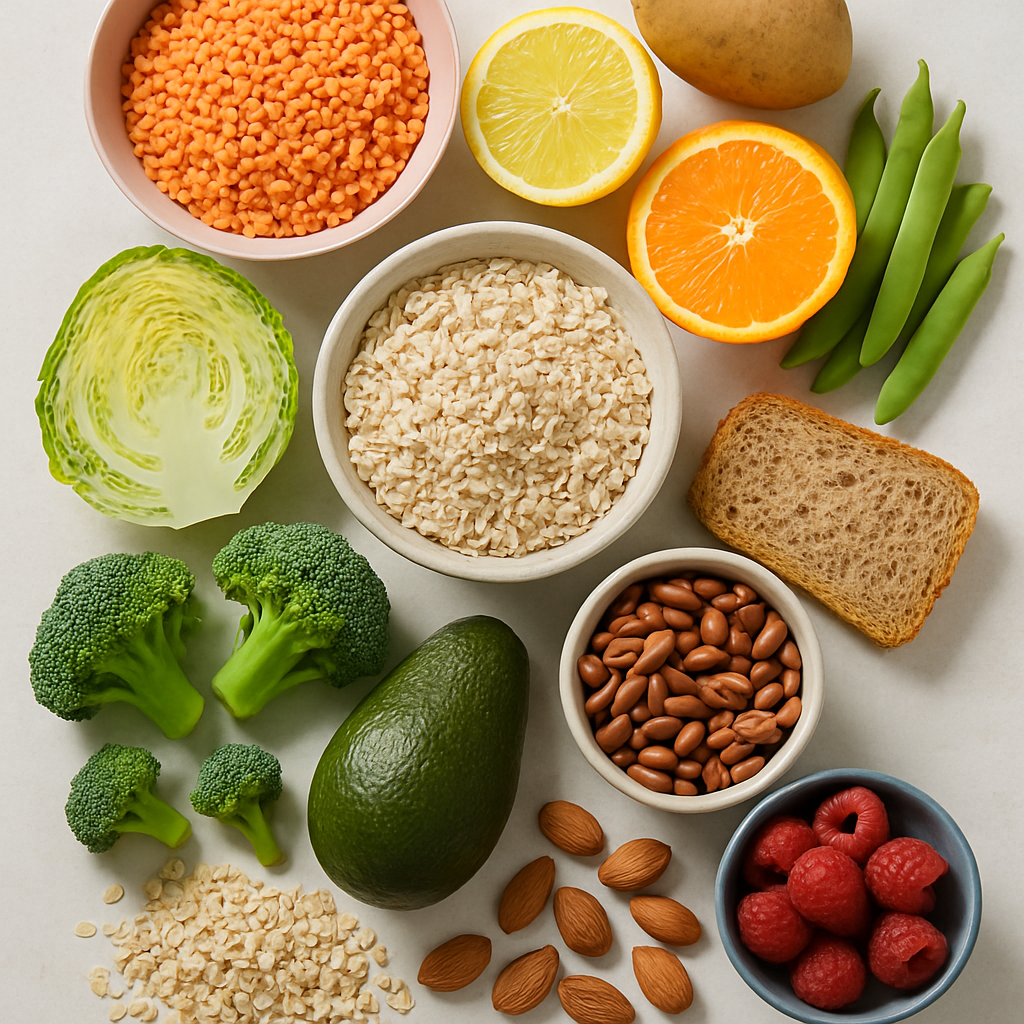
The Difference Between Soluble and Insoluble Fibre — and Why You Need Both
Fibre isn't one thing — it's two. Soluble and insoluble fibre work differently in your body, and you need both for real health benefits.
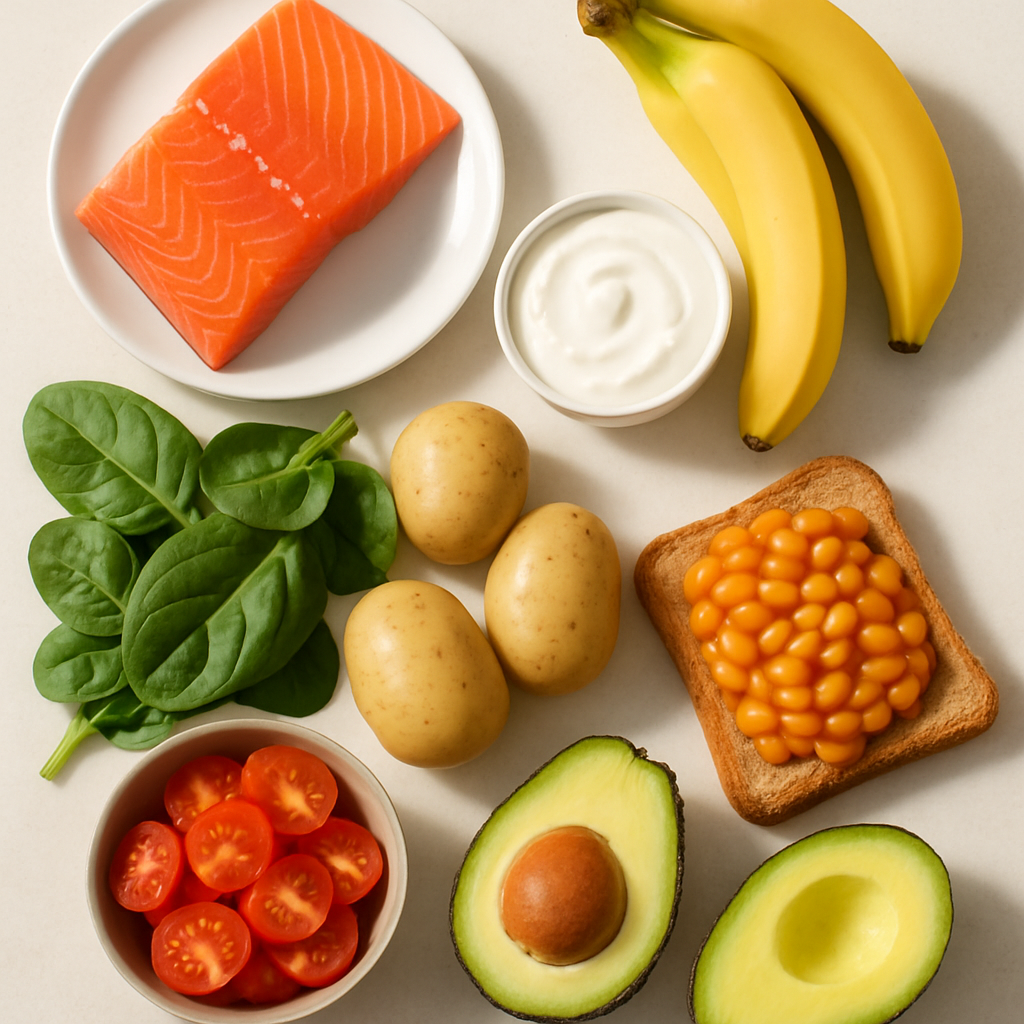
The Role of Potassium in Muscle Function and Where to Find It in Everyday UK Foods
Potassium keeps muscles moving — from your heart to your legs. Find out why it matters and which everyday UK foods can help you get enough.
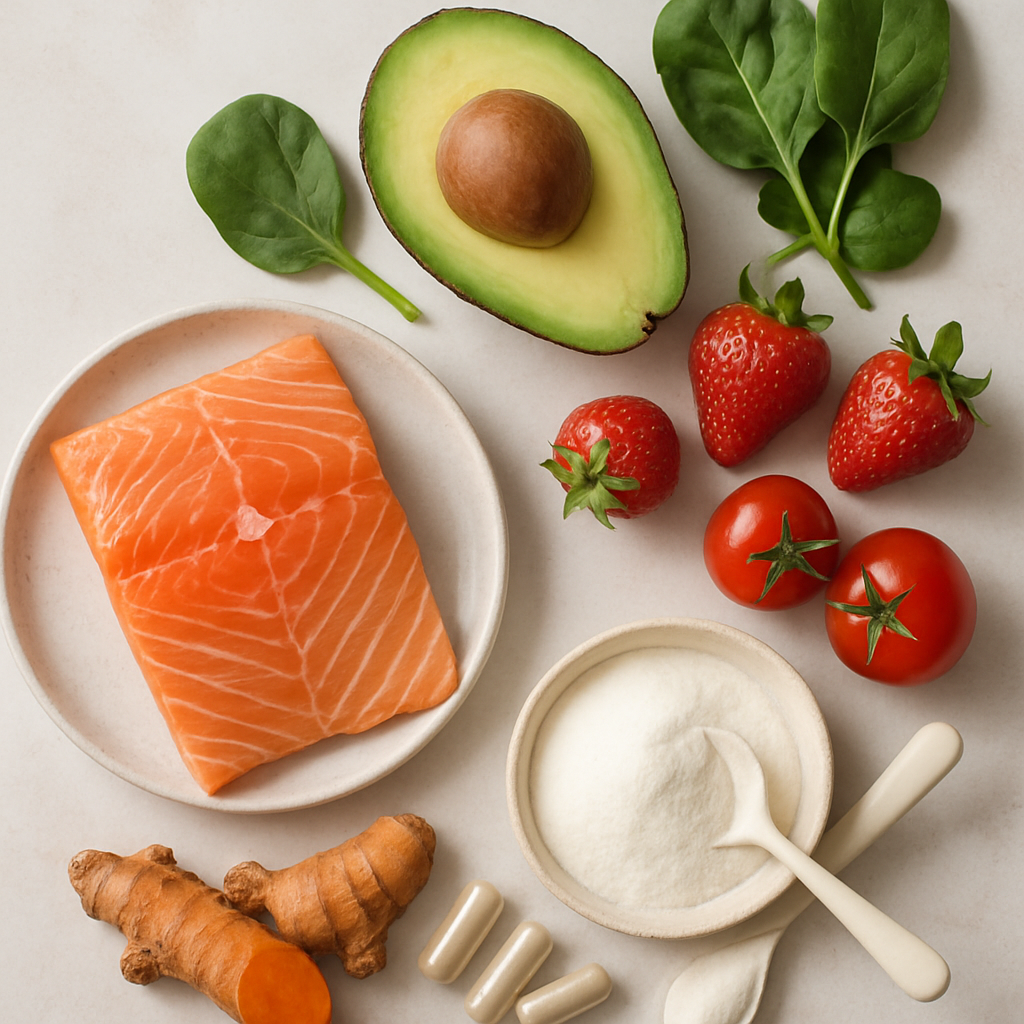
The Role of Collagen in Joint and Skin Health: What the Evidence Actually Shows
Collagen supports skin, joints, and connective tissue—but do supplements actually work? Here's what the science really shows.
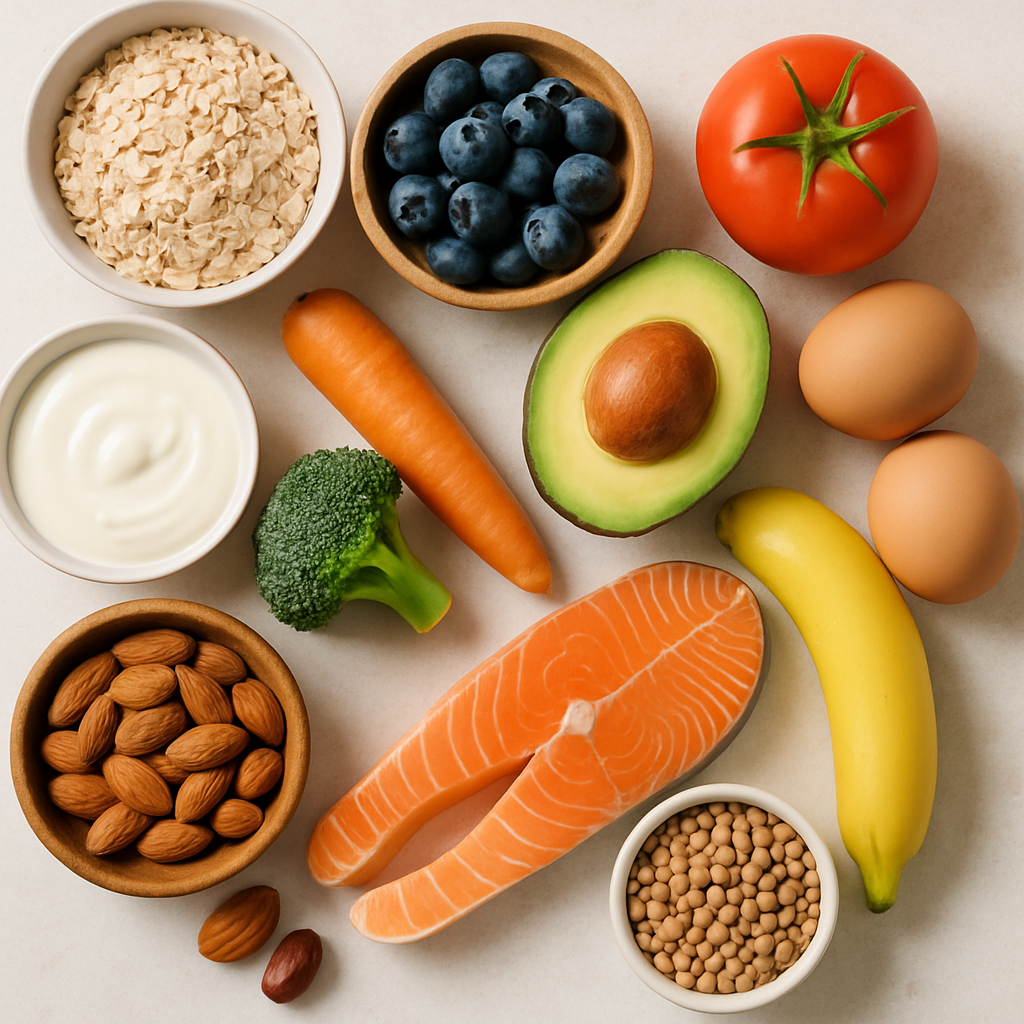
The Role of Tryptophan in Sleep, Mood and Why UK Diets Often Fall Short
Tryptophan affects sleep and mood but many UK diets fall short. Learn why absorption matters as much as intake.
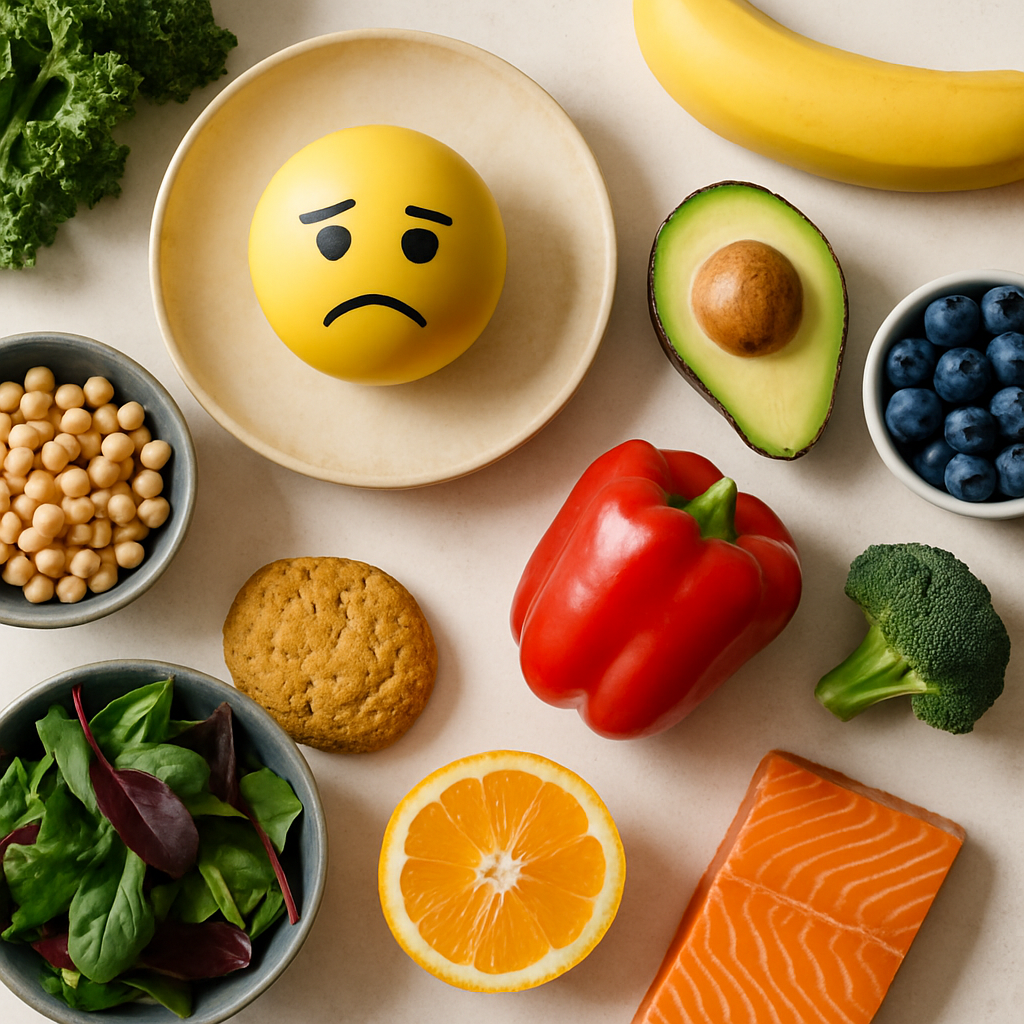
How Stress Affects Your Appetite and Food Choices
Stress rewires your hunger signals through hormonal changes your brain triggers under pressure. Learn why you crave comfort food — and how to manage it.
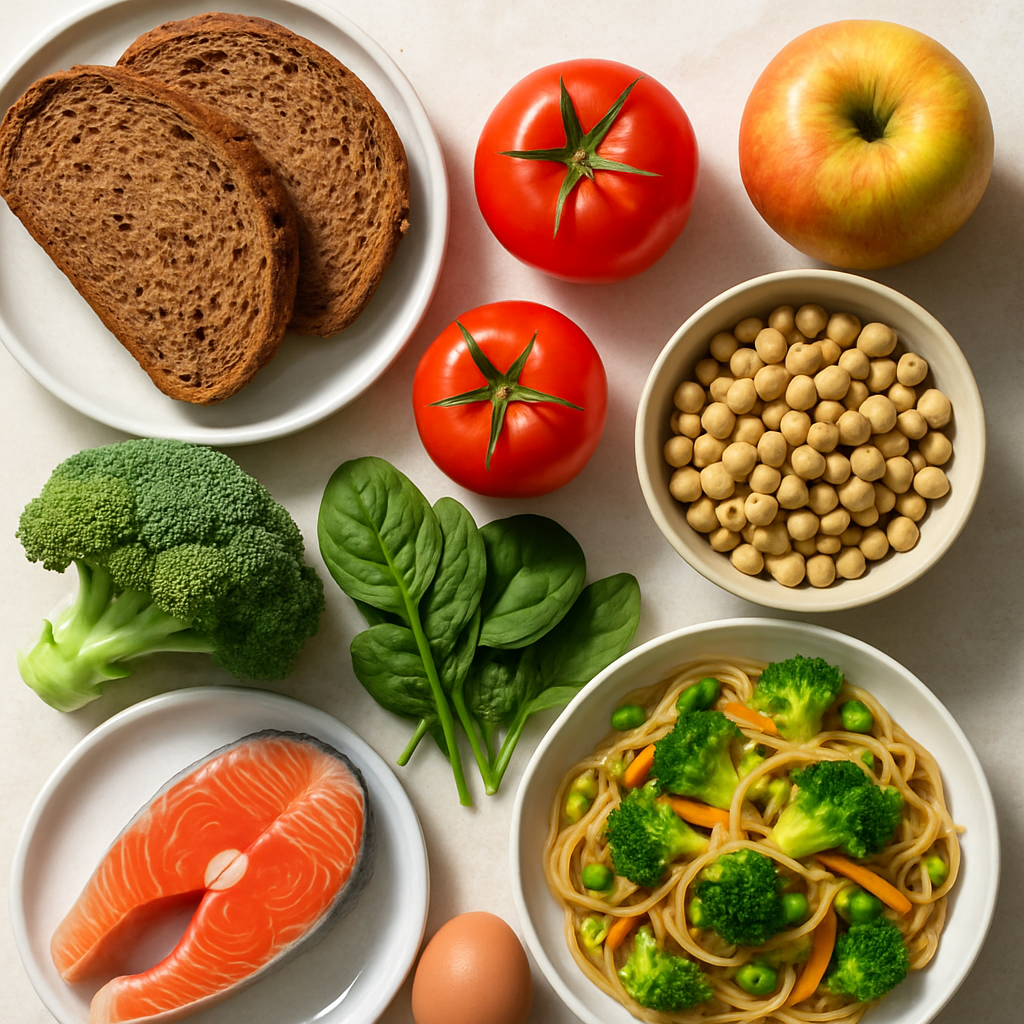
How Appetite Changes With Age — and What to Do About It
Appetite often shrinks with age due to hormonal shifts, not just habit. Here's why it happens and what you can do to stay nourished.
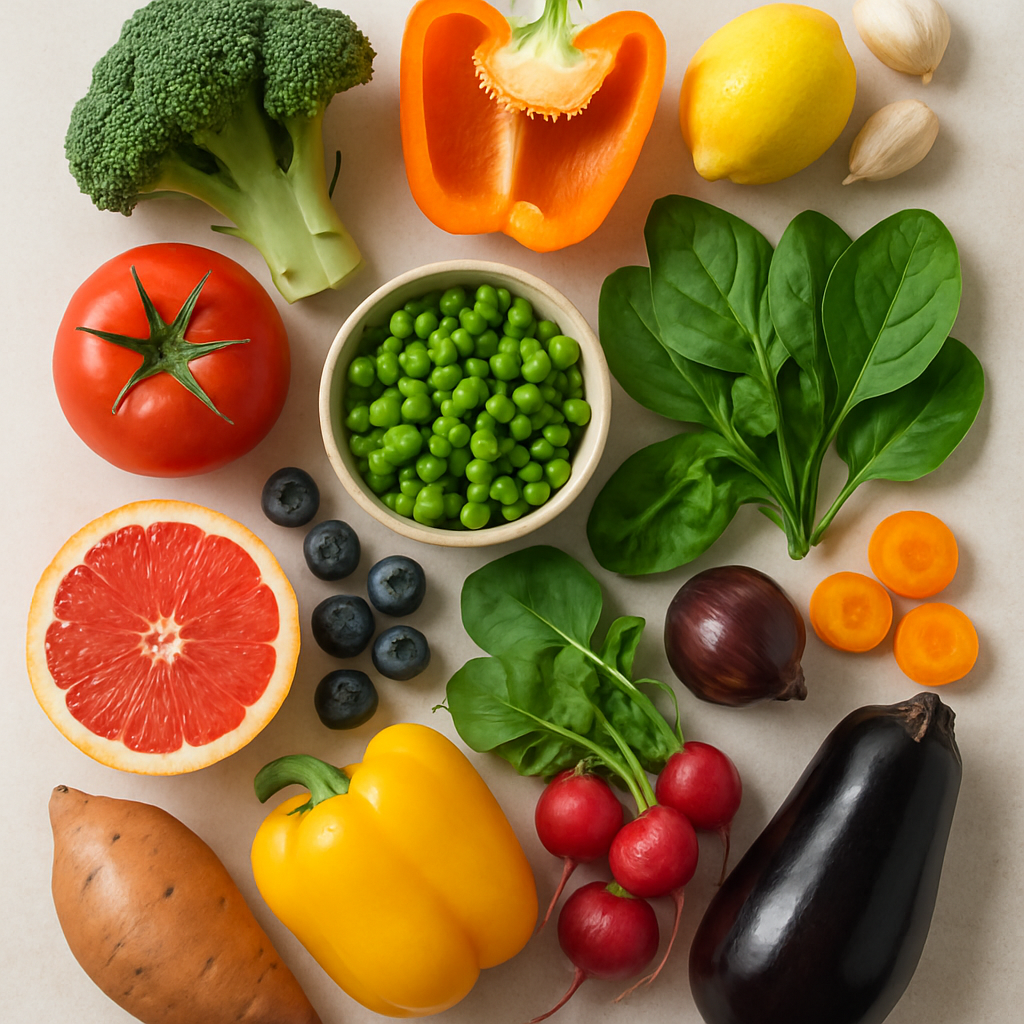
Why Eating More Colour Variety Actually Matters for Your Micronutrient Intake
Eating colourful foods isn't just good advice — it's science. The pigments in plants are active compounds that fight inflammation and support immunity.
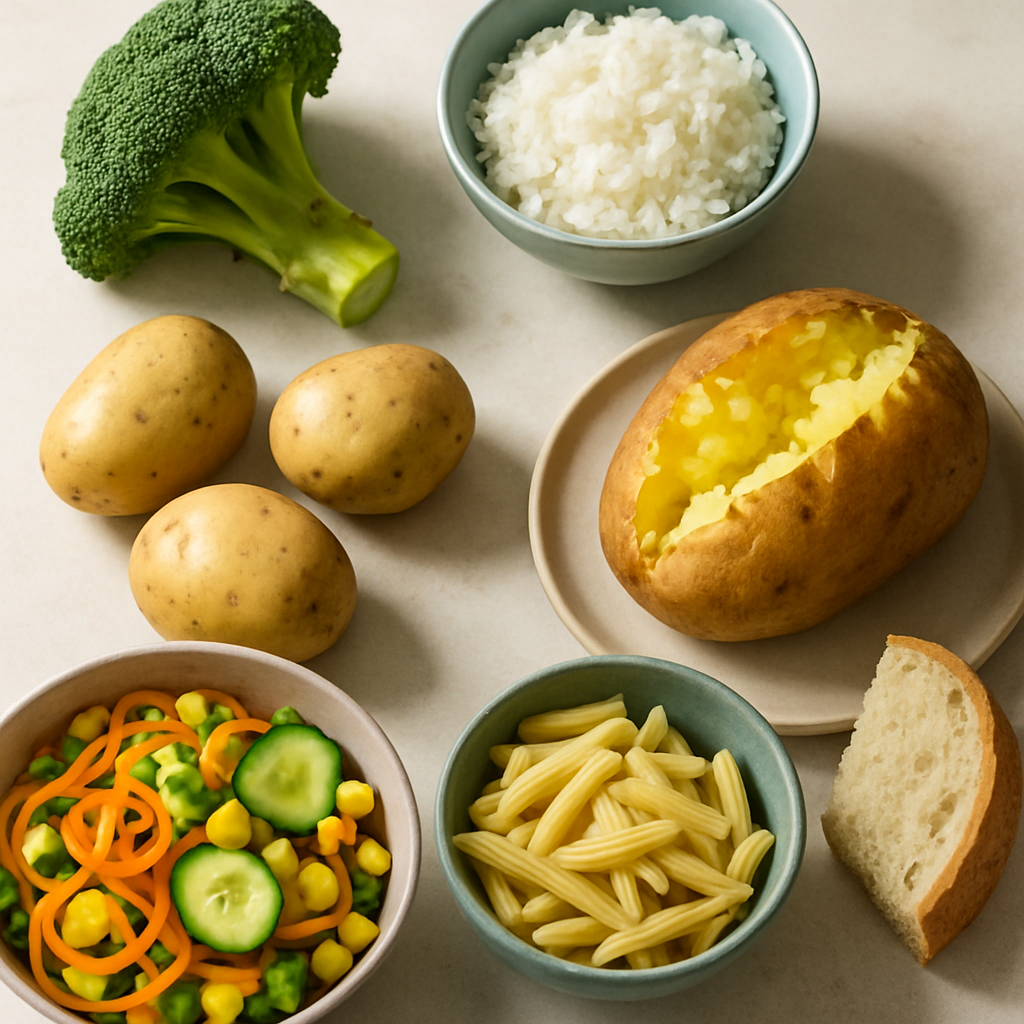
How Chilling and Reheating Starchy Foods Changes Their Nutritional Profile
Chilling cooked rice, potatoes, or pasta changes their starch structure, making it harder to digest. This "resistant starch" acts like fibre, potentially benefi
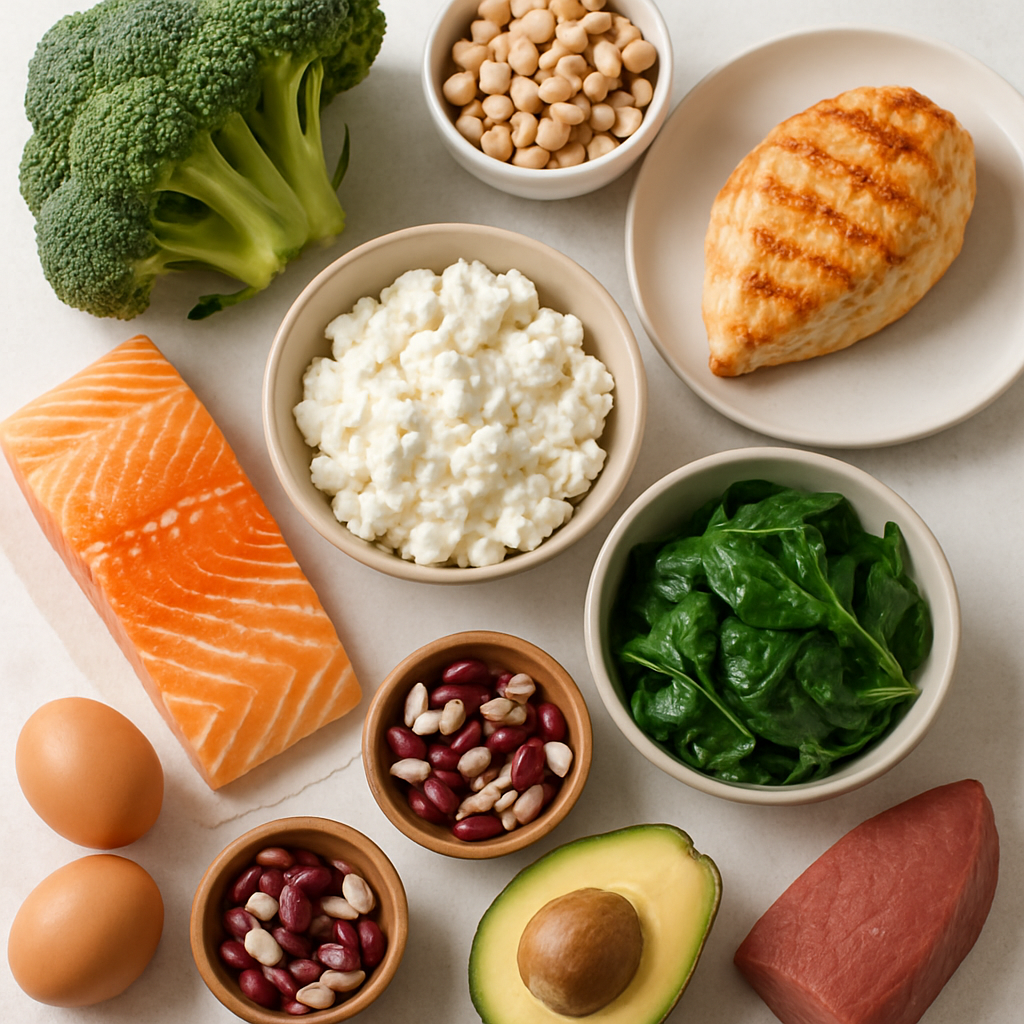
Why the Ratio of Protein to Calories in Your Meals Matters More Than Total Protein
Tracking total protein misses the point. What matters is how much protein you get *per calorie* — known as protein density — and it quietly transforms diet qual
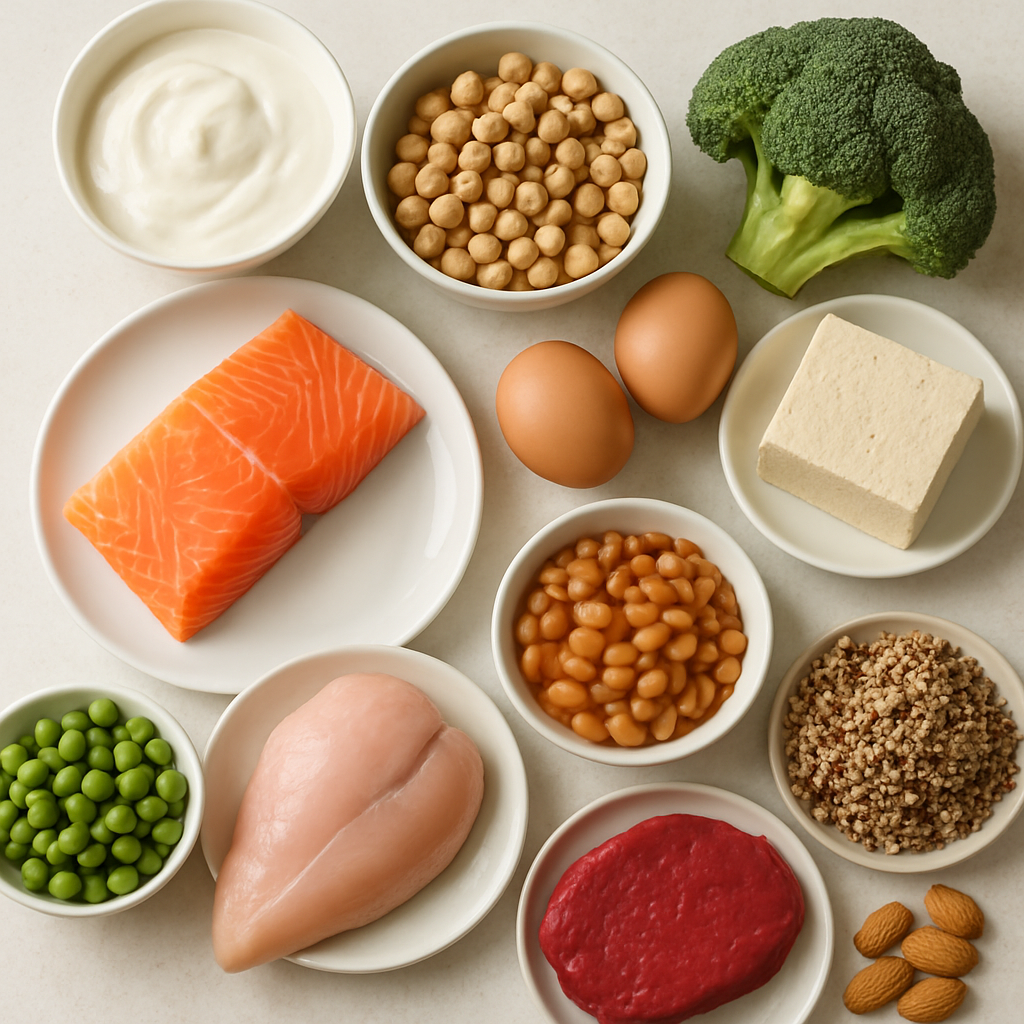
How Protein Needs Change Across Different Life Stages
Your protein needs shift dramatically from infancy to old age. Getting the right amount at each stage impacts energy, immunity, and body composition.
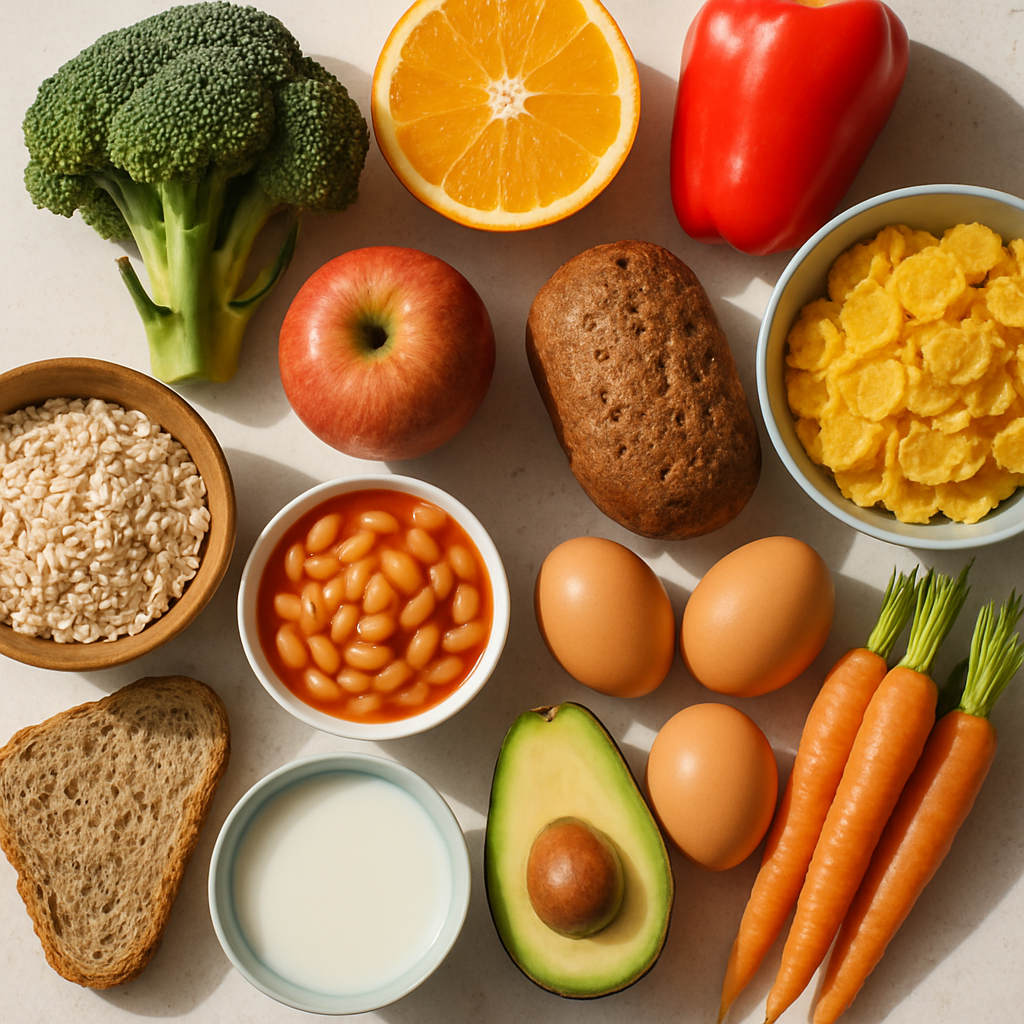
How Much of Your Daily Nutrition Comes from Fortified Foods Without You Realising
Fortified foods quietly supply a surprising share of your daily vitamins and minerals. From breakfast cereals to bread, these everyday staples fill nutritional
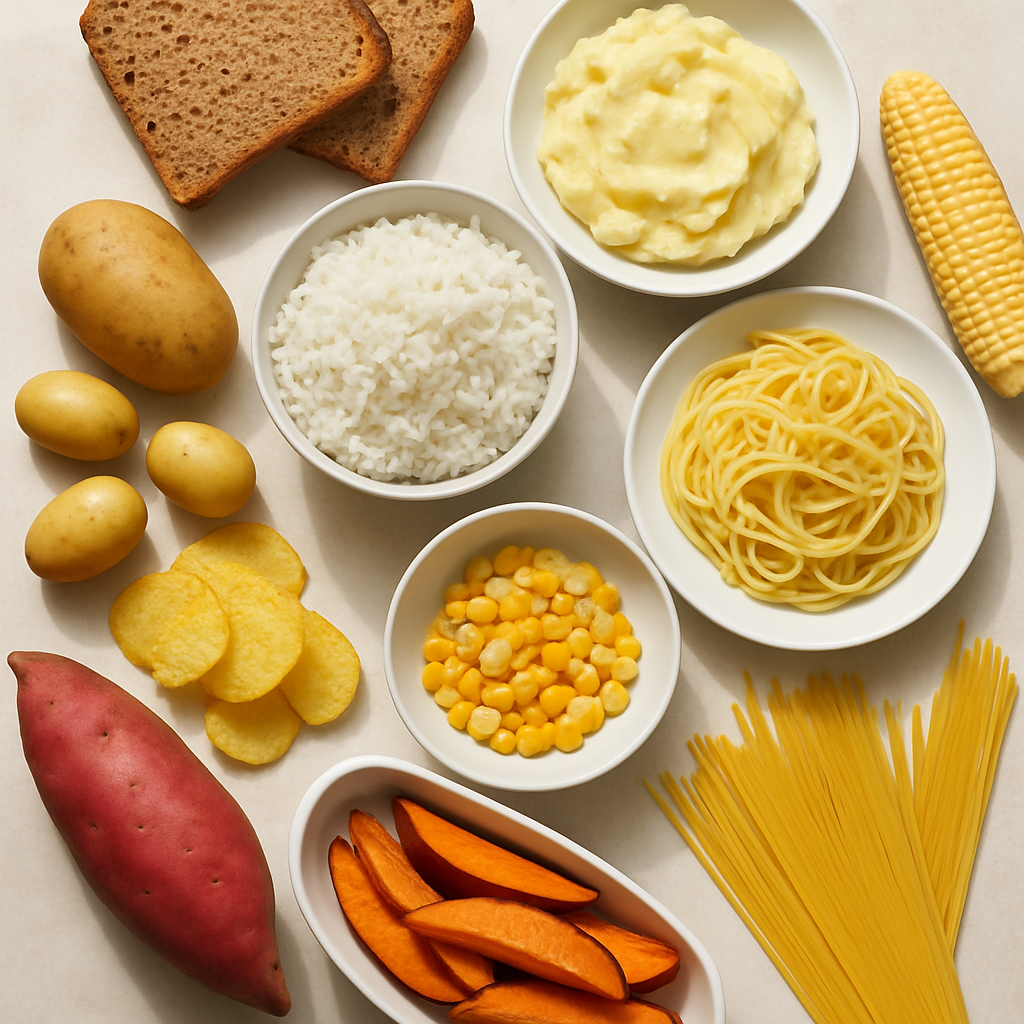
How Cooking Methods Affect the Glycaemic Index of Common Carbohydrates
Cooking methods dramatically affect how quickly carbs spike your blood sugar. From pasta to rice, small changes in preparation can make a big difference.
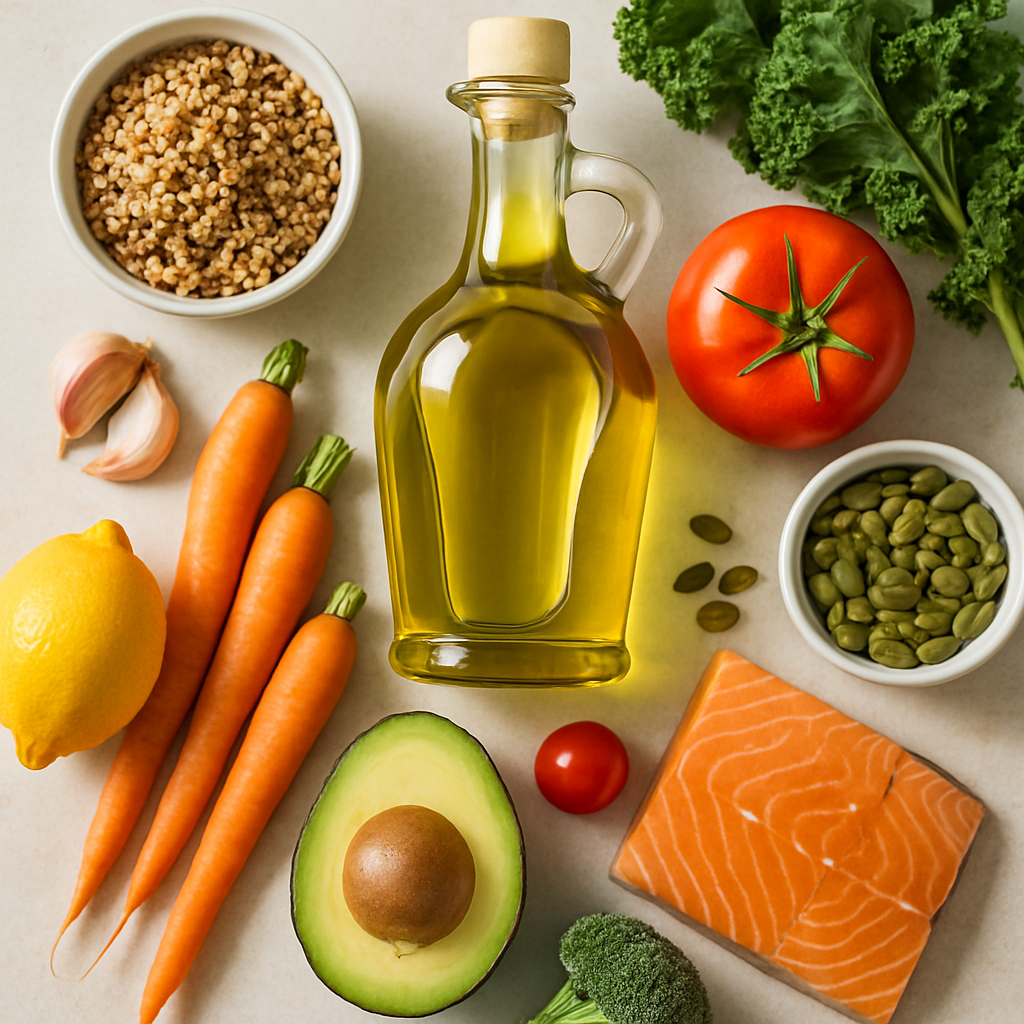
How Cooking Oil Choice Affects the Nutritional Quality of Your Meals
Your cooking oil choice affects fat intake, nutrient absorption, and food chemistry. Here's what to know.
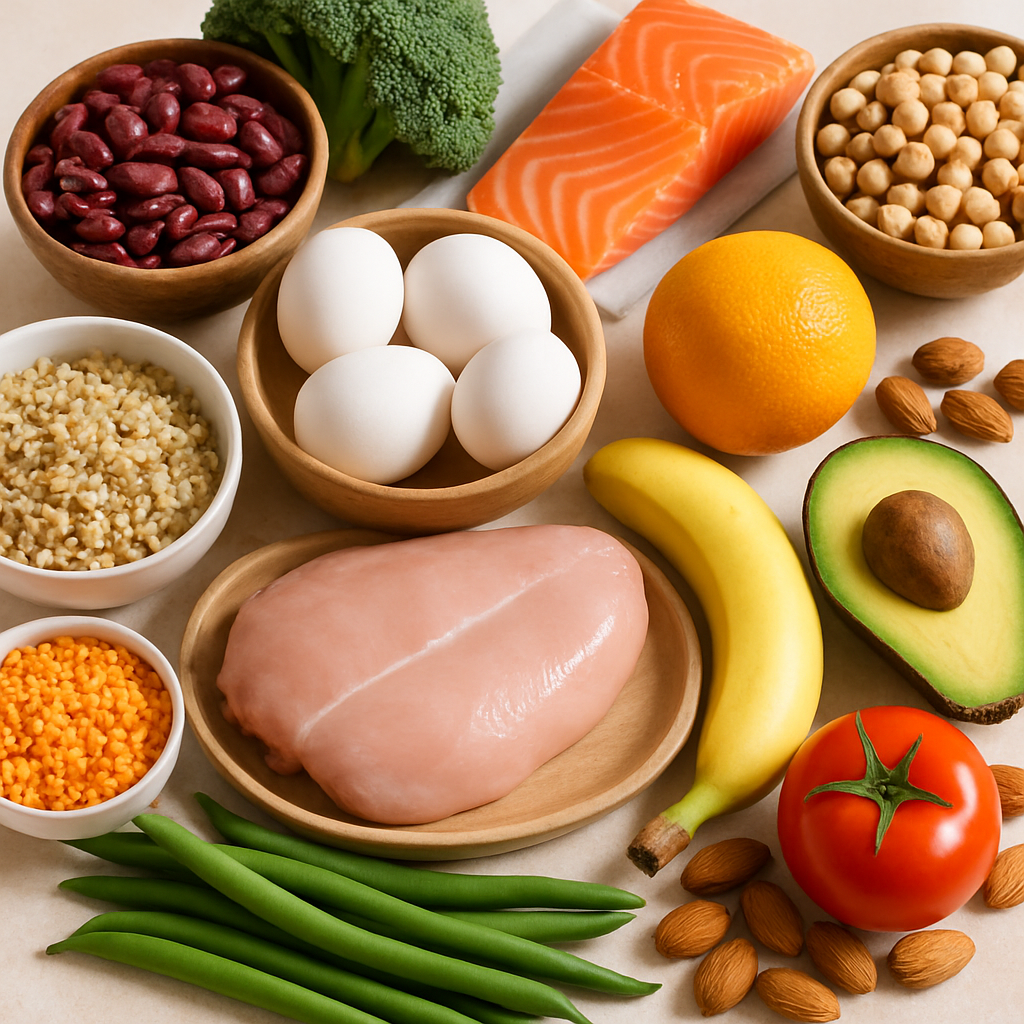
Why Leucine, Isoleucine and Valine Are Not Just for Athletes
BCAAs aren't just for gym-goers. Leucine, isoleucine, and valine play vital roles in anyone's health — here's what you need to know.
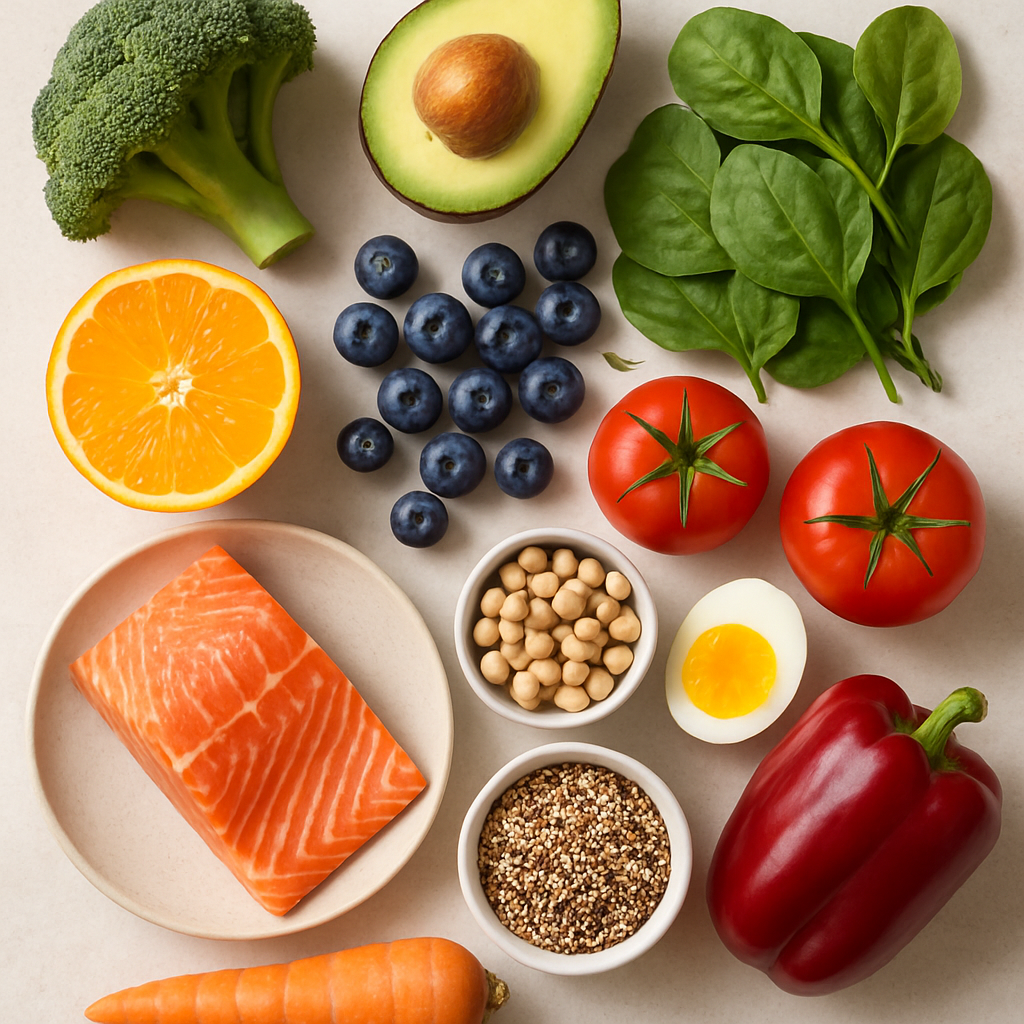
How Bioavailability Affects How Much Nutrition You Actually Get from Your Food
Eating nutritious food doesn't guarantee your body absorbs it all. Bioavailability determines how much nutrition you actually get — and it's often far less than
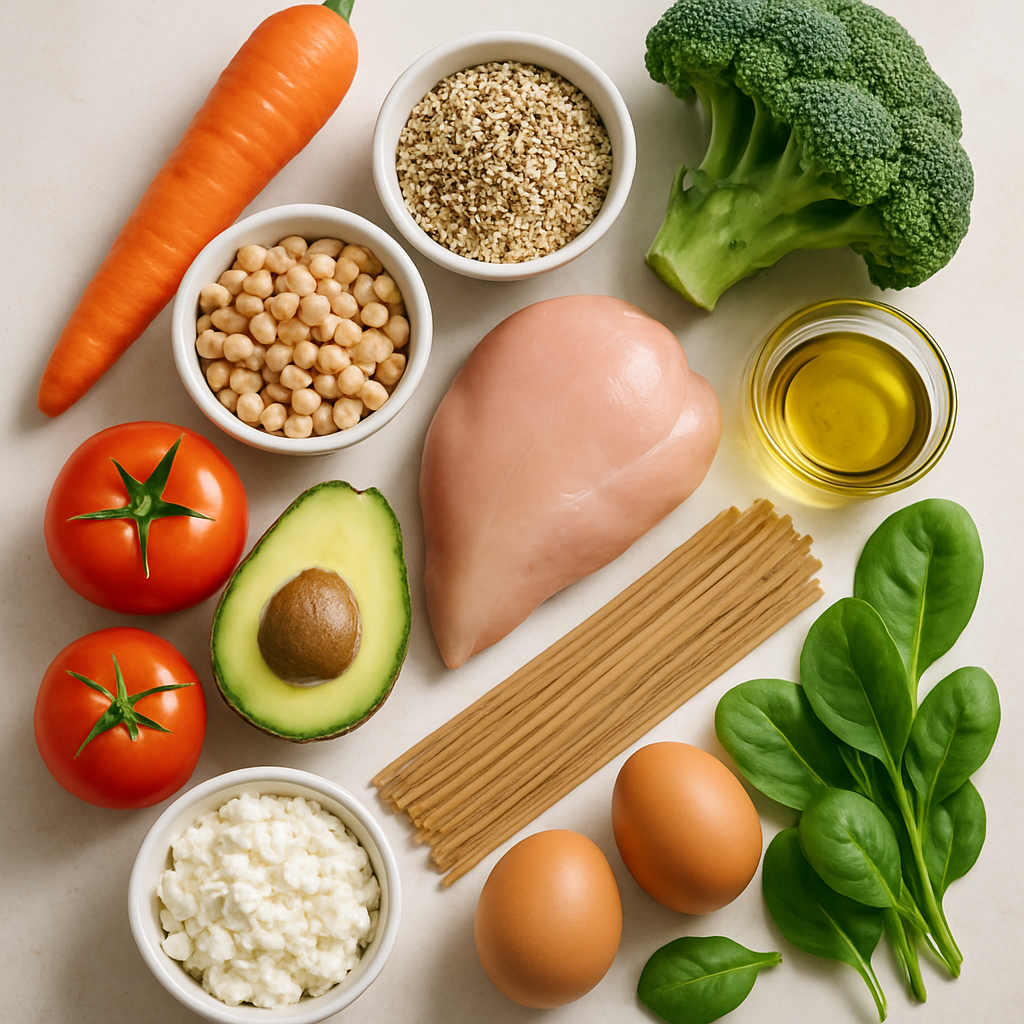
How Cooking from Scratch Affects Your Macro Awareness Over Time
Cooking your own meals builds intuitive macro awareness over time. Through repetition, you start knowing what's in your food without looking it up.
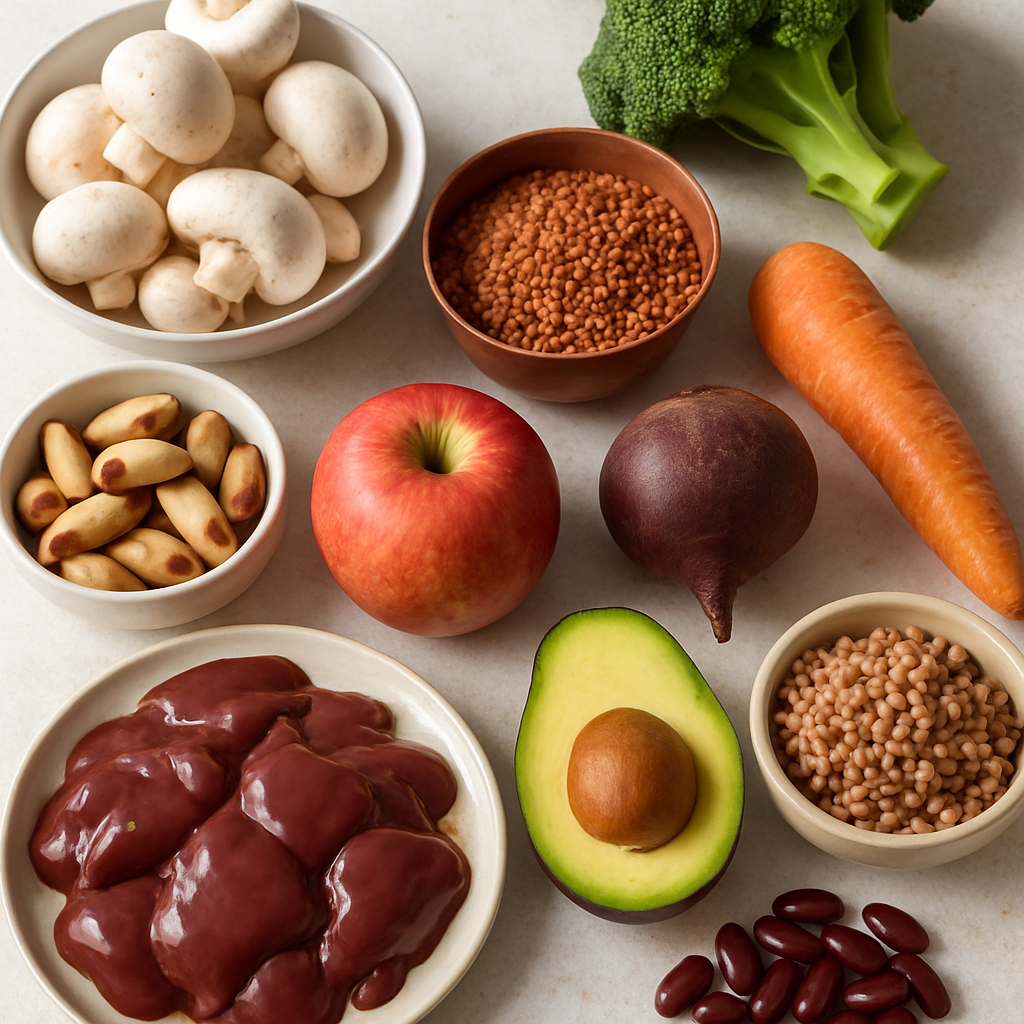
Why Selenium, Copper and Chromium Deserve More Attention in Your Diet
Selenium, copper, and chromium are trace minerals your body needs but rarely gets enough of. Their deficiencies are more common—and more serious—than most peopl
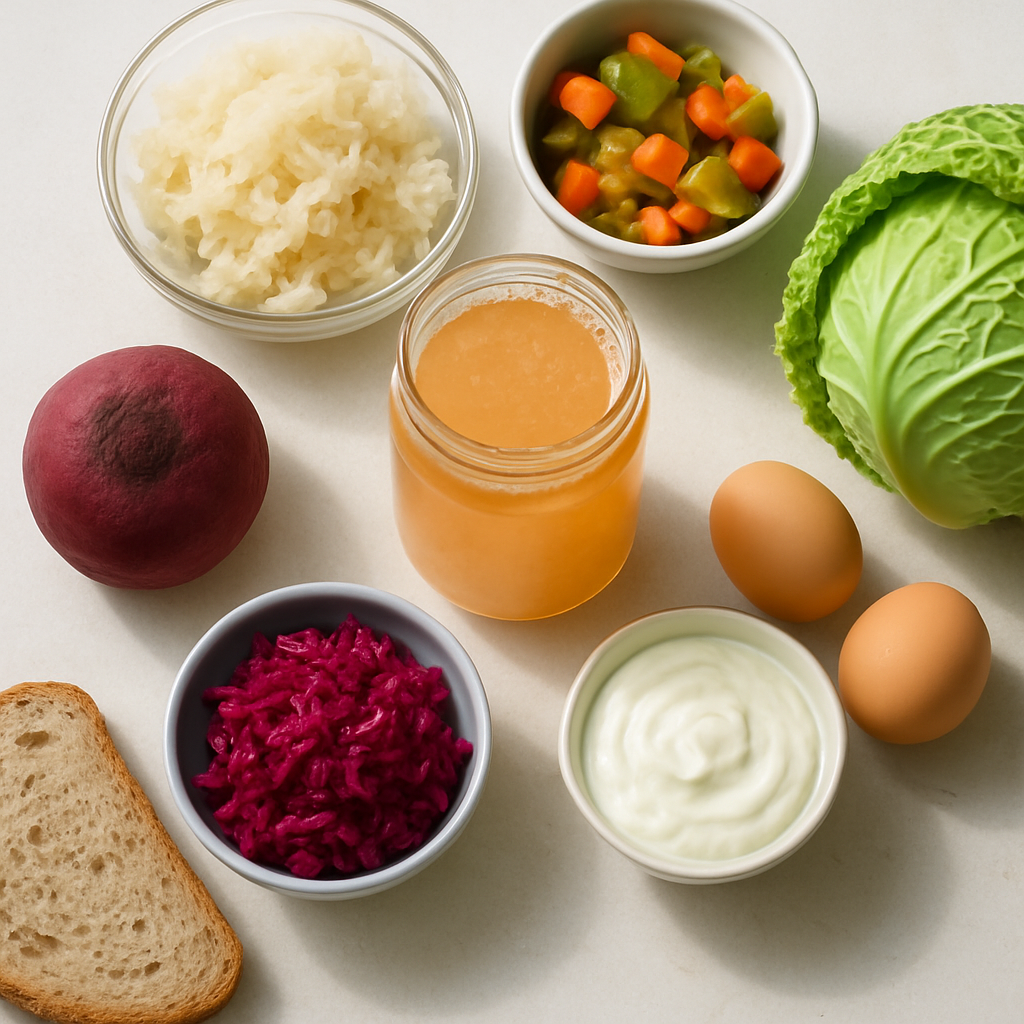
How Fermentation Changes the Nutritional Profile of Everyday Foods
Microbes do more than add tang — fermentation reshapes food at a molecular level, changing what your body can actually absorb.
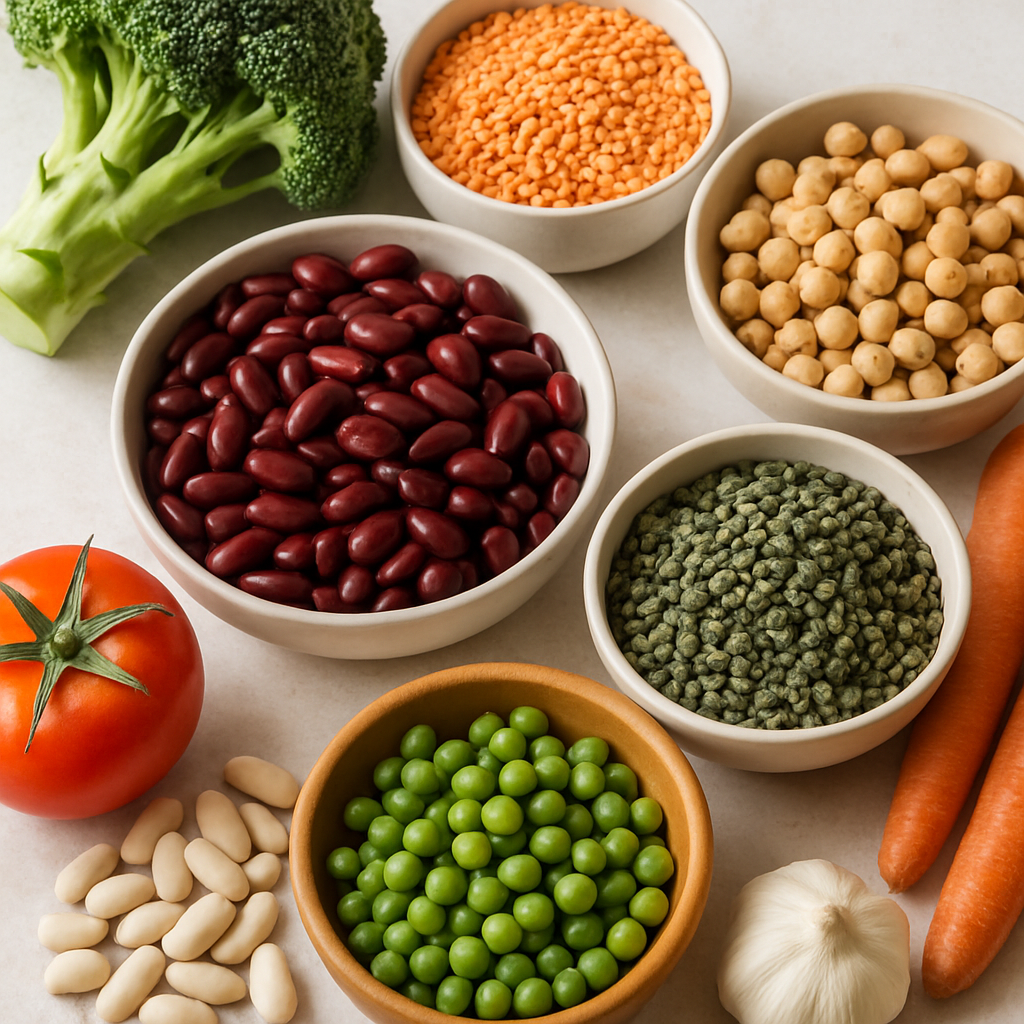
The Case for Eating More Legumes: Protein, Fibre and Why UK Adults Fall Short
UK adults eat far less legumes than recommended—missing out on protein, fibre & key nutrients. Here's what the science says.
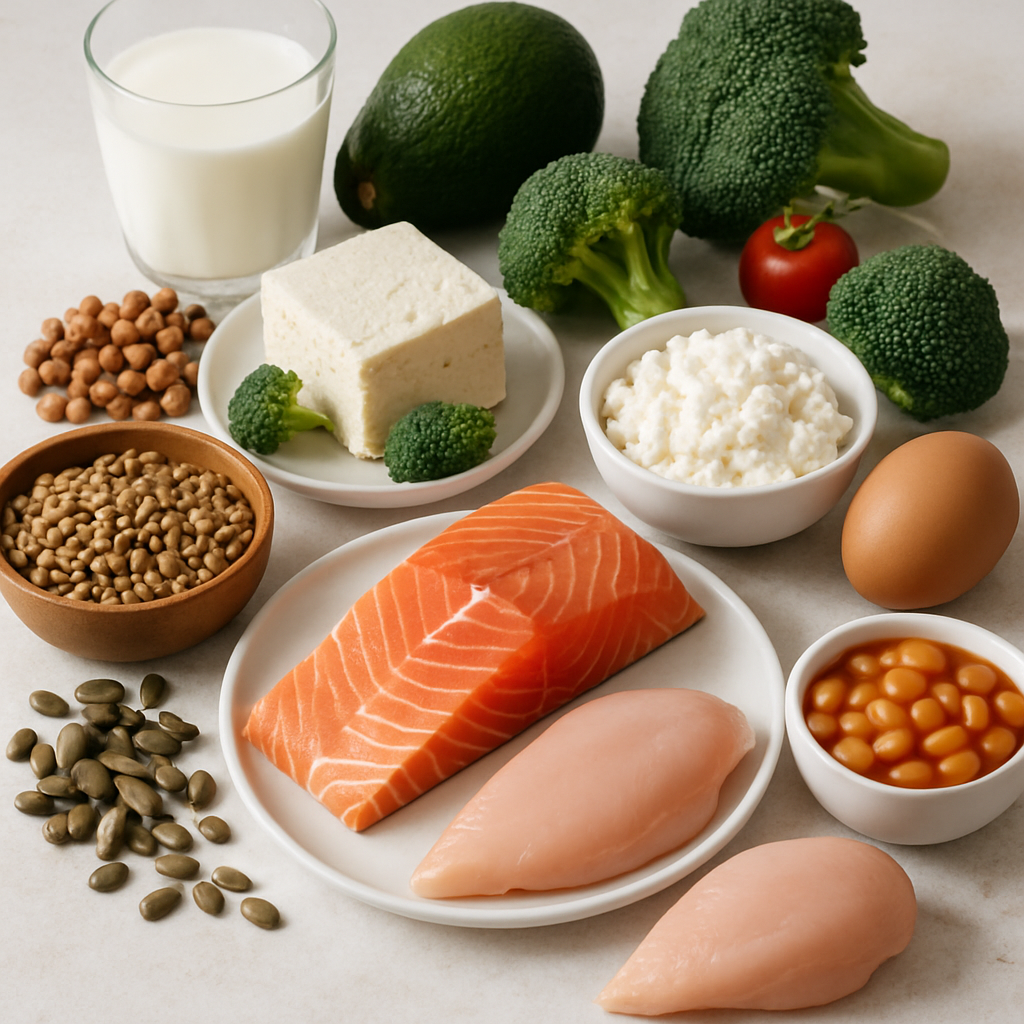
Why Protein Quality Matters as Much as Protein Quantity
Not all protein is created equal. Two people eating the same grams can get very different results based on quality — something most apps never track.
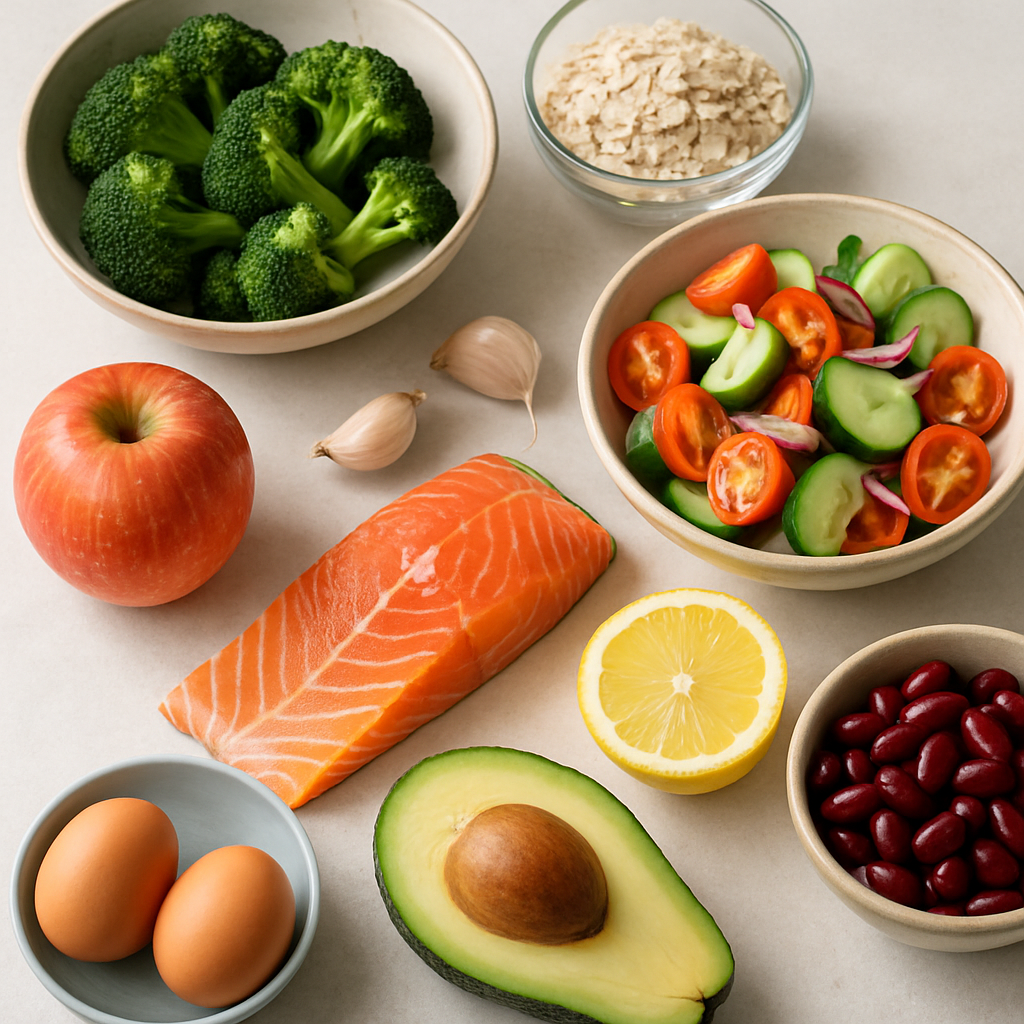
Why the Timing of Your Last Meal May Matter More Than You Think
When you eat may matter as much as what you eat. Research shows evening meals can disrupt sleep and spike blood sugar — here's why timing is key.
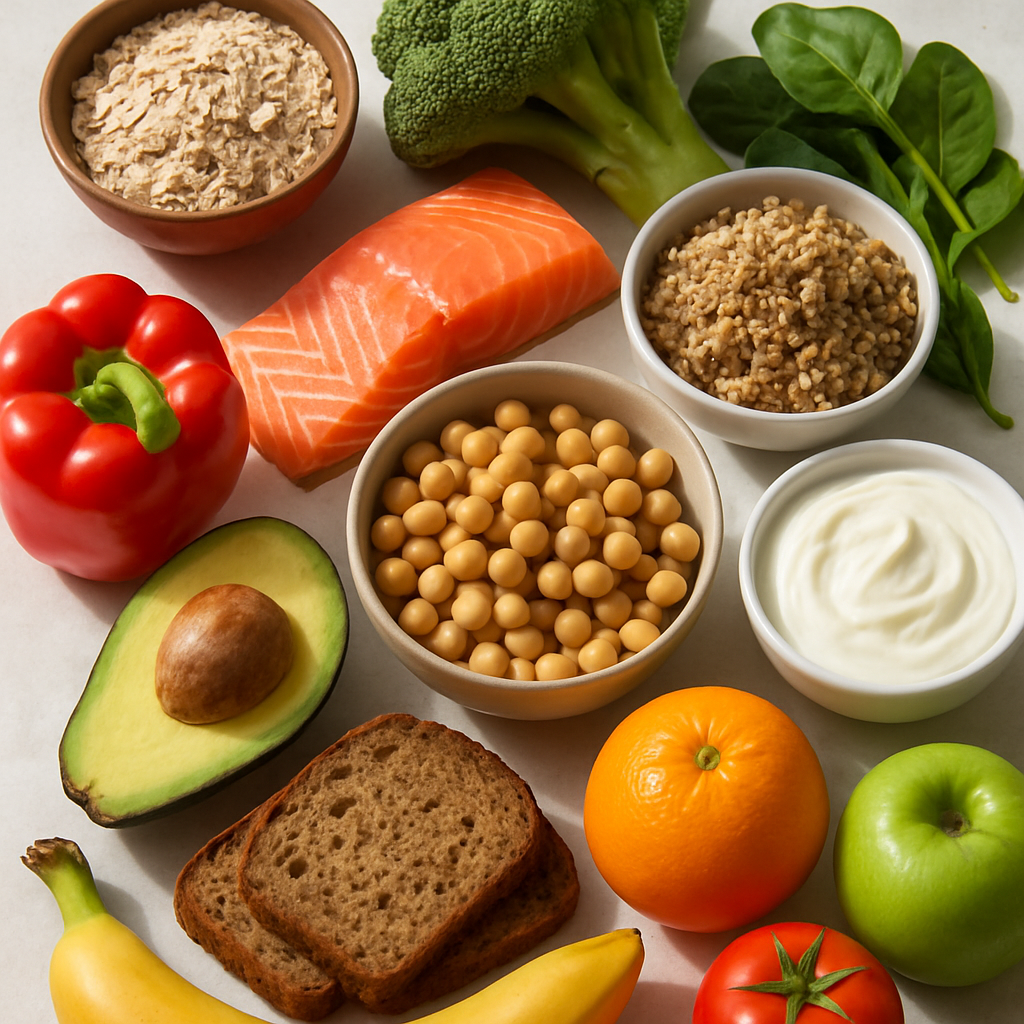
Why Eating Enough Calories Is Just as Important as Eating the Right Ones
Under-eating is one of the most overlooked barriers to feeling your best. Nutritious food in insufficient quantities still leaves your body short-changed.
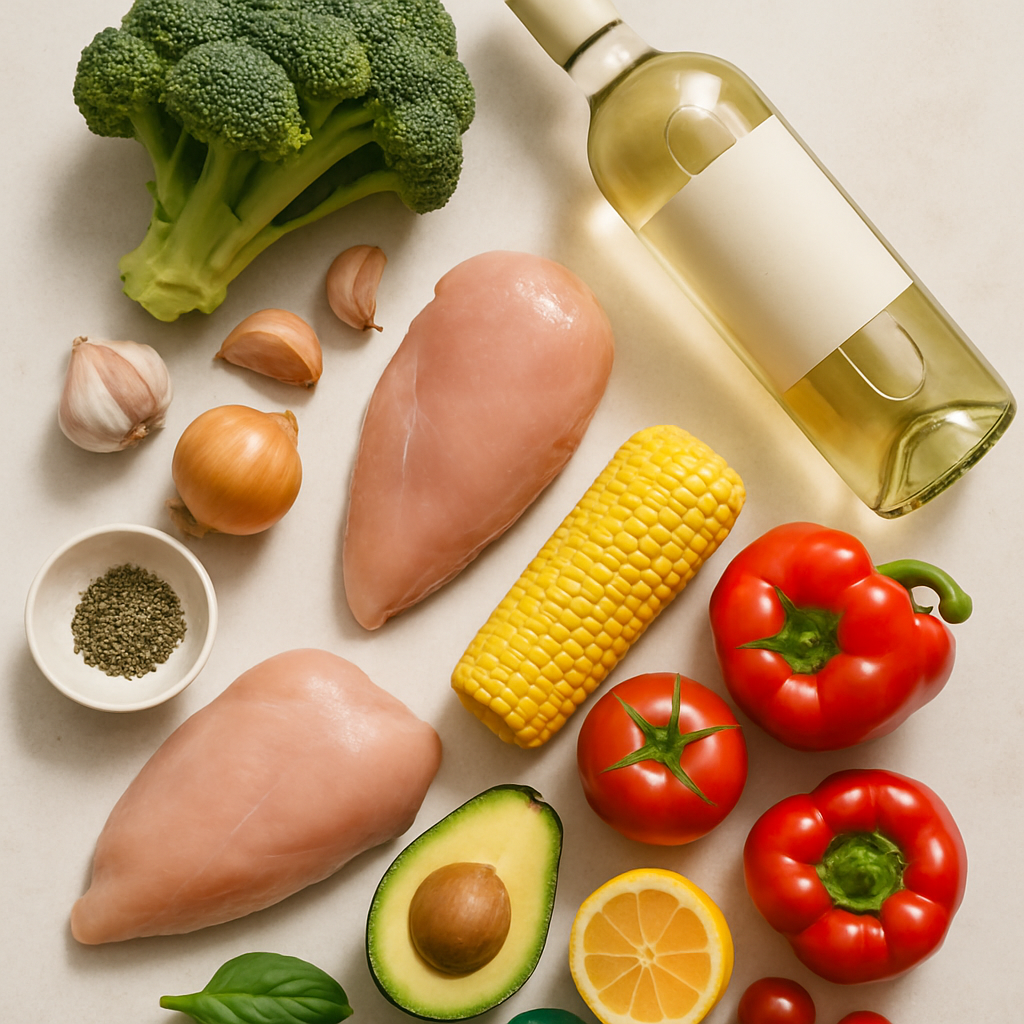
How Cooking with Alcohol Affects the Nutritional Content of Your Food
Does cooking wine really "burn off" all the alcohol? Not quite. Some remains, affecting both calories and nutrition in ways worth knowing.
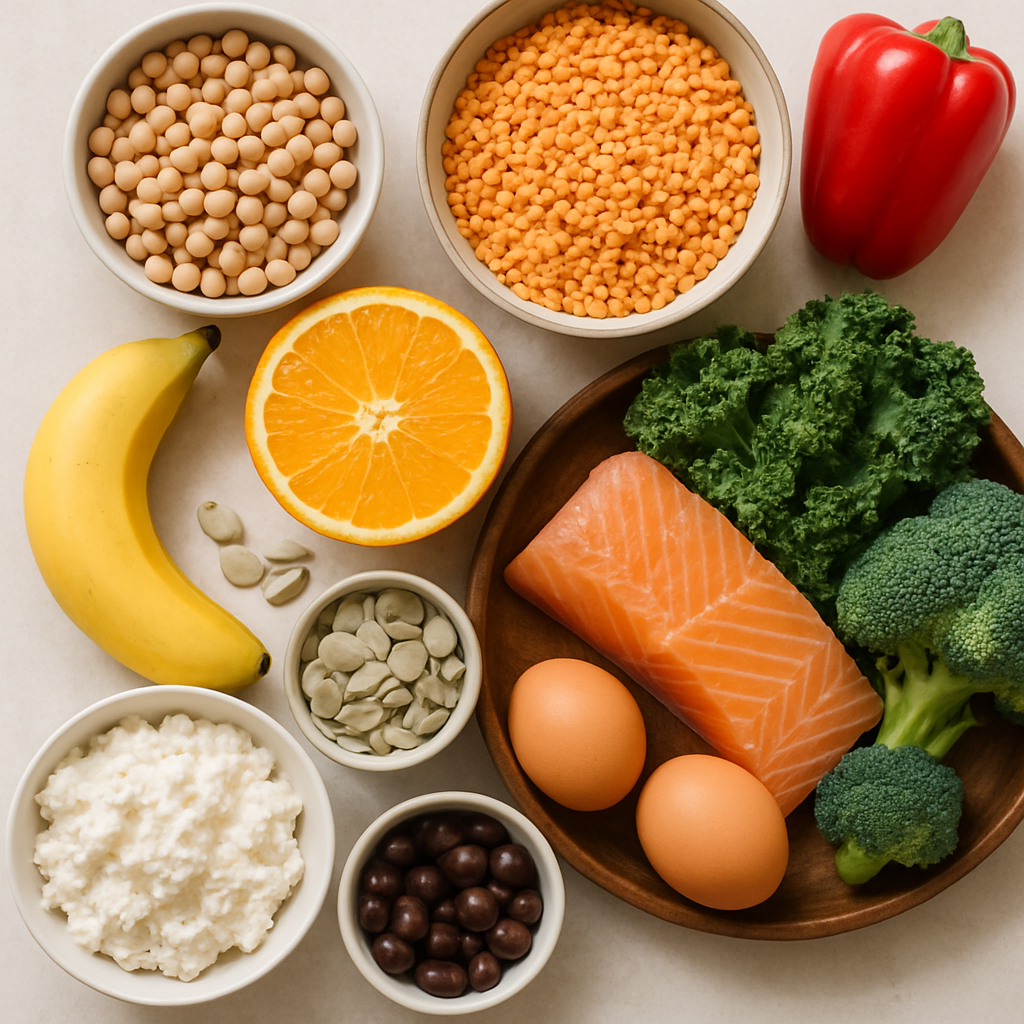
Phosphatidylserine, Tryptophan and Tyrosine: The Nutrients That Support Your Mood Through Food
Discover how phosphatidylserine, tryptophan, and tyrosine quietly shape your mood, focus, and stress response through the food you eat.
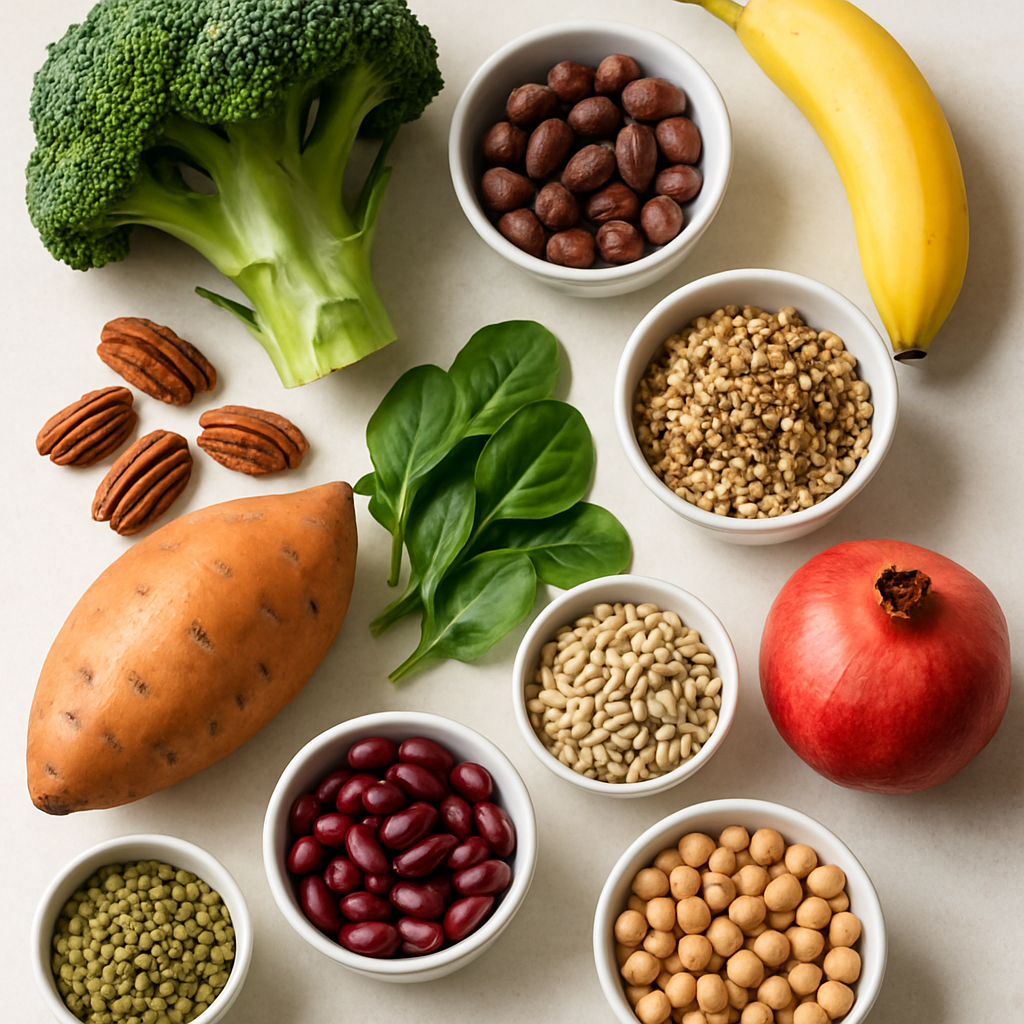
The Role of Manganese in the Body and Where to Find It in Food
Manganese is a trace mineral your body needs but can't produce itself. It supports bones, metabolism, and more — yet most people have never heard of it.
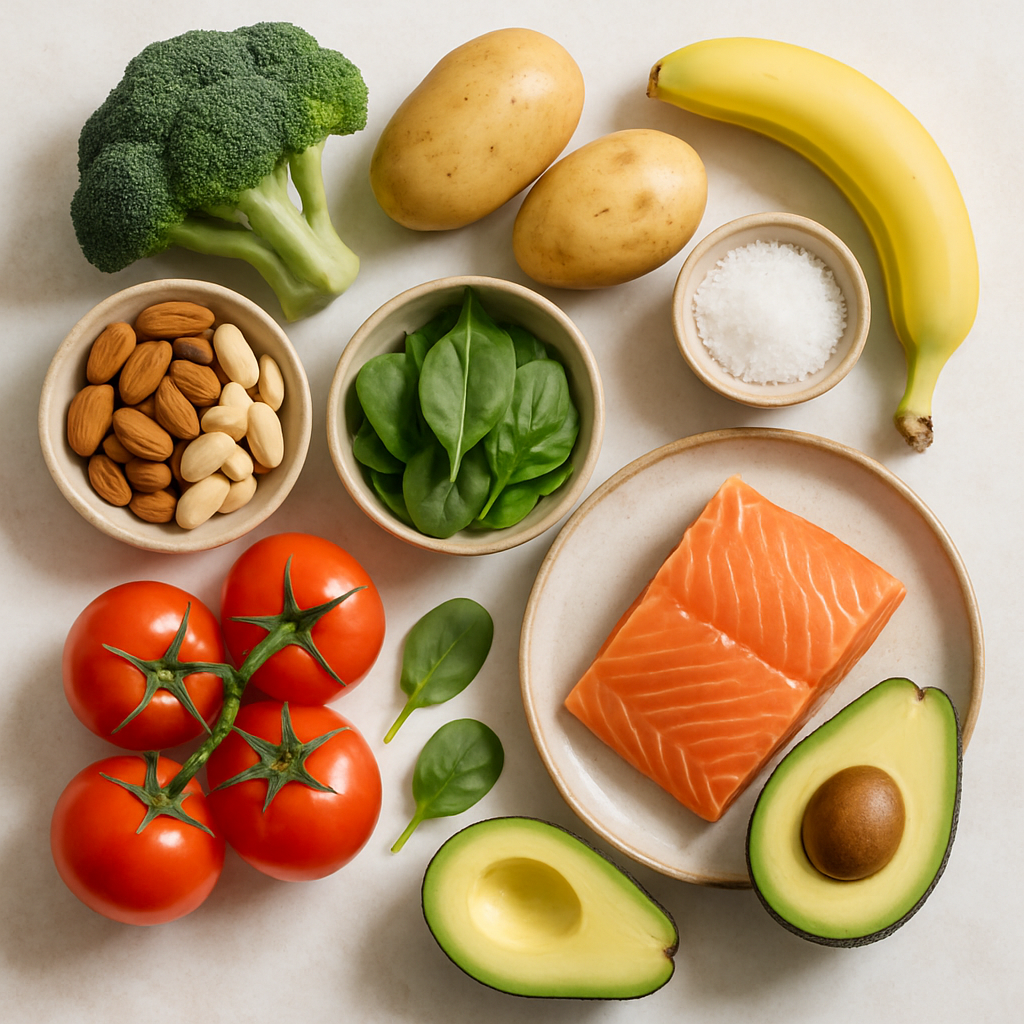
Phosphorus, Potassium and Chloride: The Electrolytes Most People Never Think About
Phosphorus, potassium, and chloride are three of the most vital electrolytes in your body — yet most people never think about them.
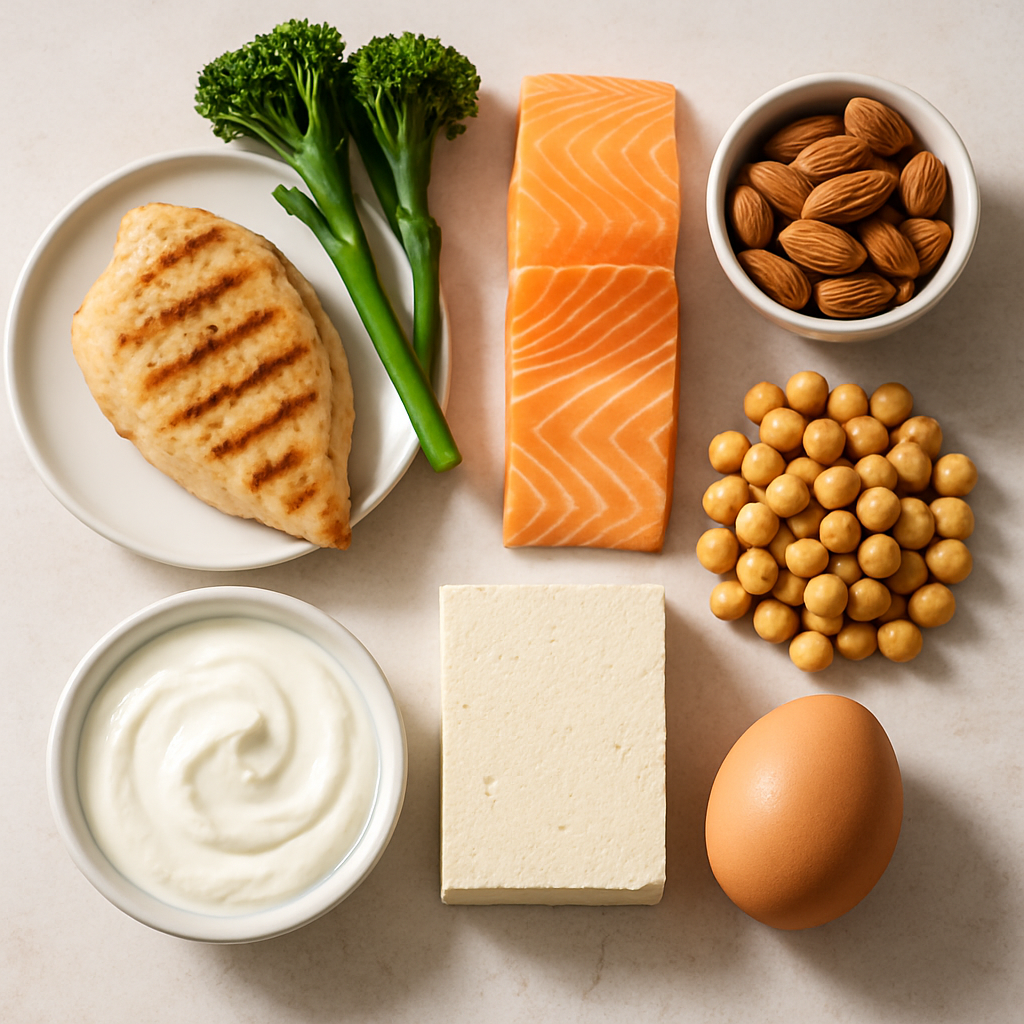
How Protein Affects Satiety Differently Depending on Its Source
Not all protein keeps you full the same way. Your protein source affects hunger hormones, gut response & how much you eat later.
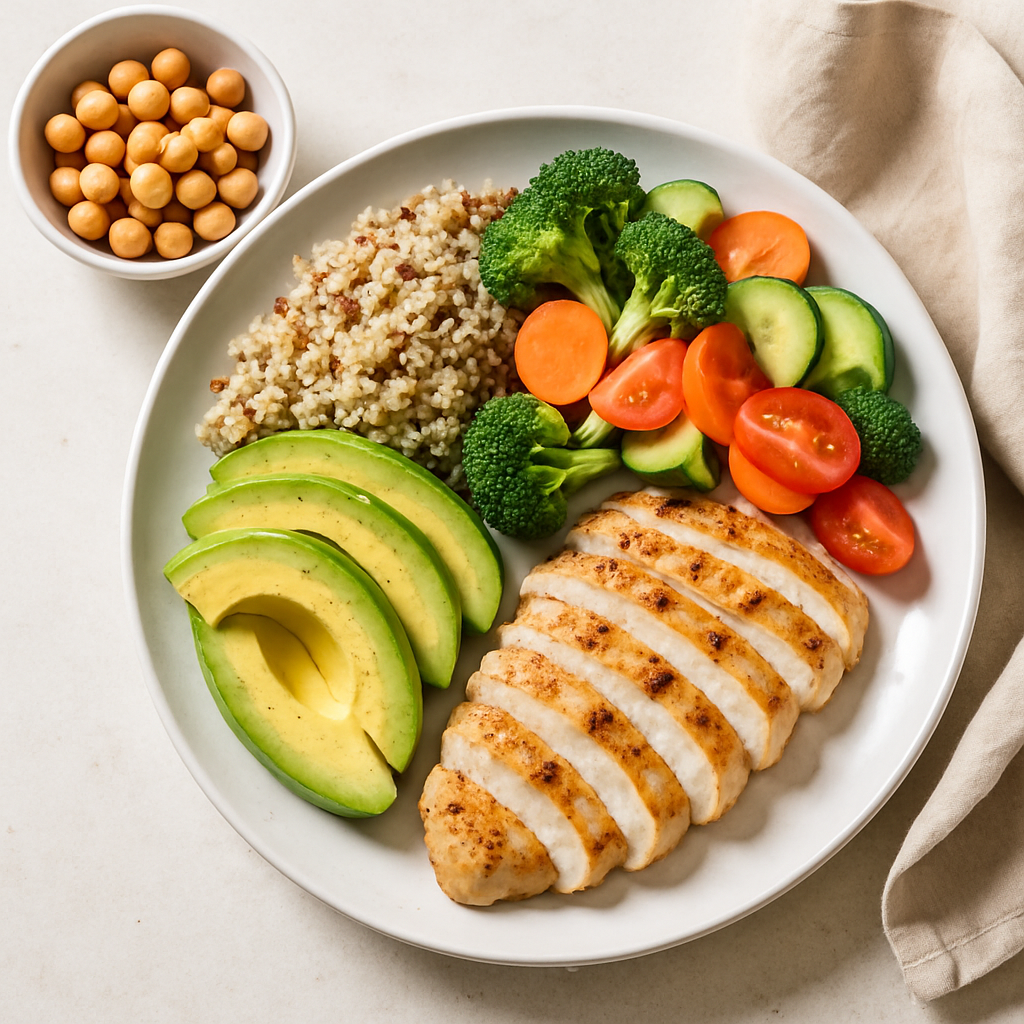
How to Build a Balanced Plate Without Counting Calories
Fill half your plate with veg, a quarter with protein, a quarter with carbs. No apps, no scales — just simple, sustainable eating.
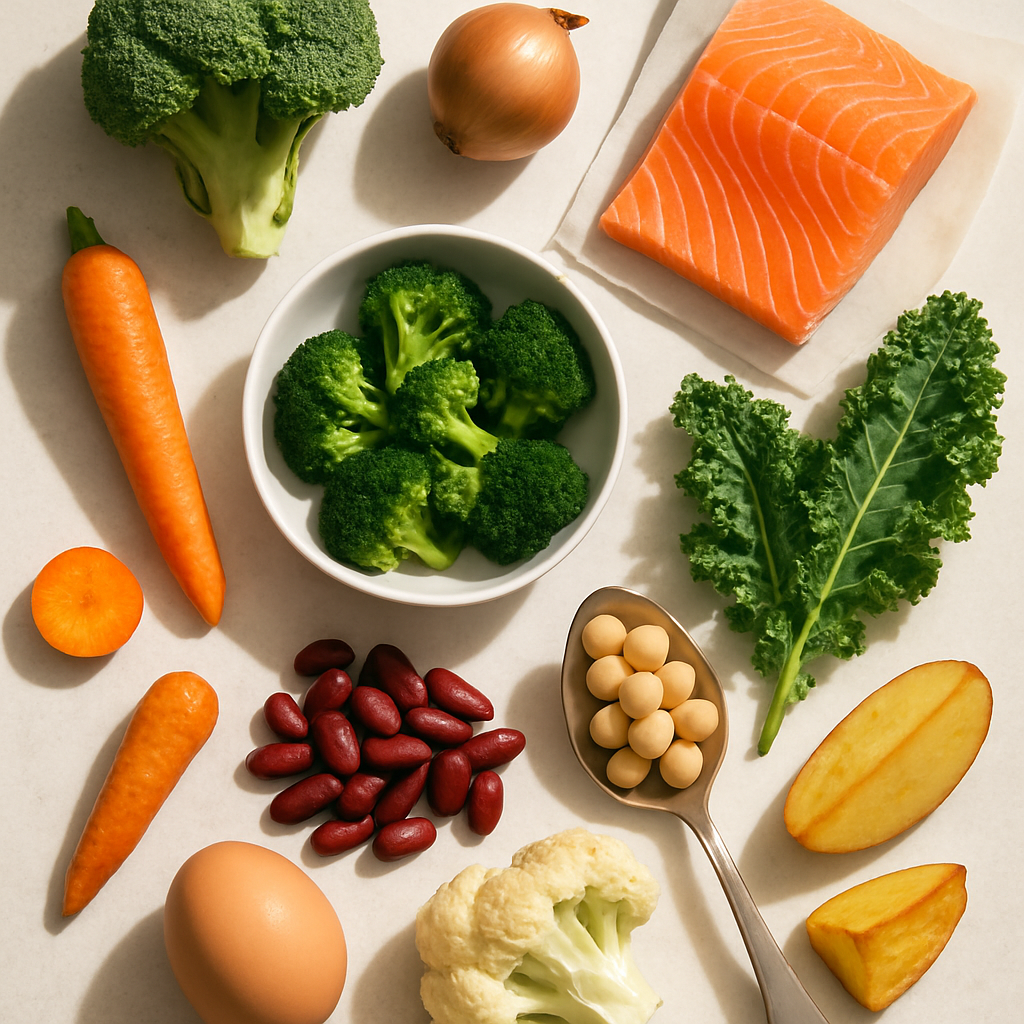
How Cooking Methods Affect the Nutritional Value of Your Food
Cooking affects more than taste—it changes your food's nutrients. Learn which methods preserve vitamins and which ones don't.
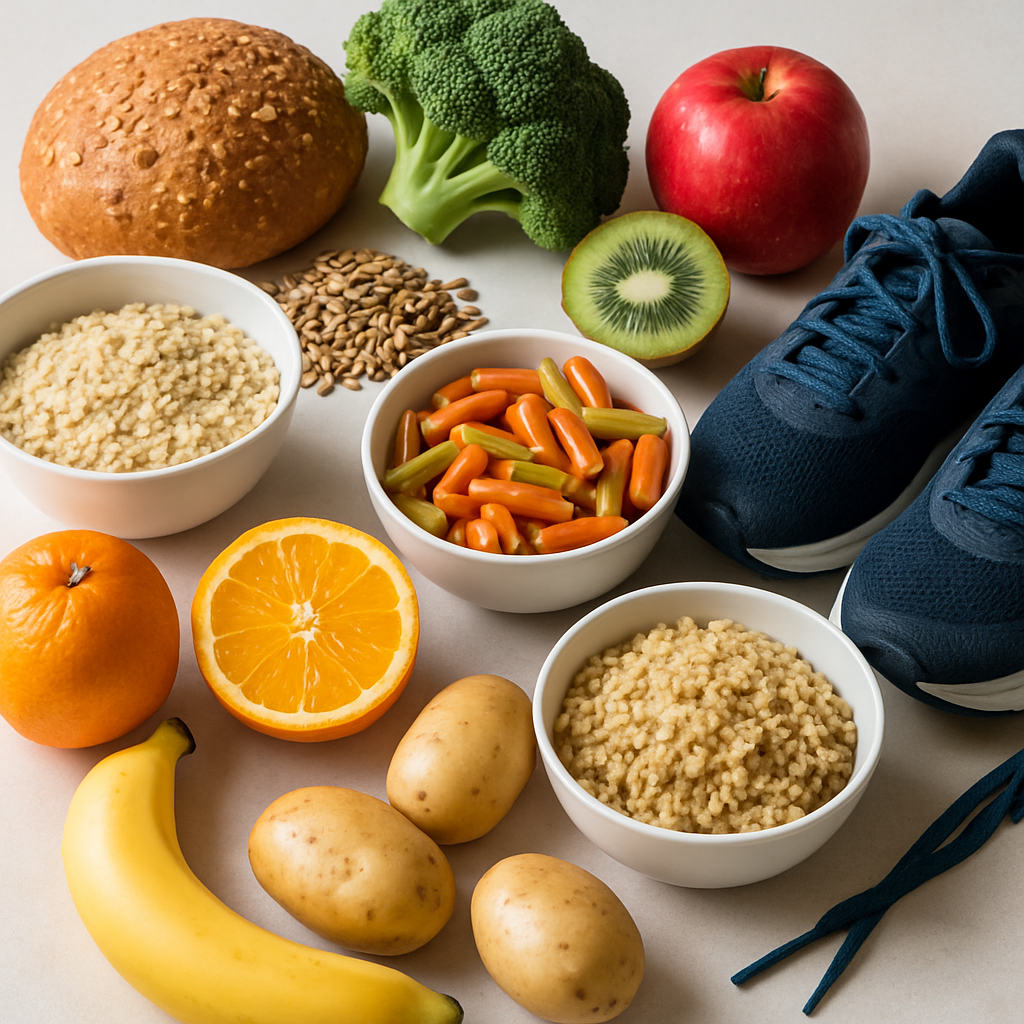
Carbohydrates and Energy: Why Timing Your Carbs Around Exercise Matters
Fuel your workouts smarter—not harder. Carb timing can transform your energy levels and performance without complex nutrition plans.
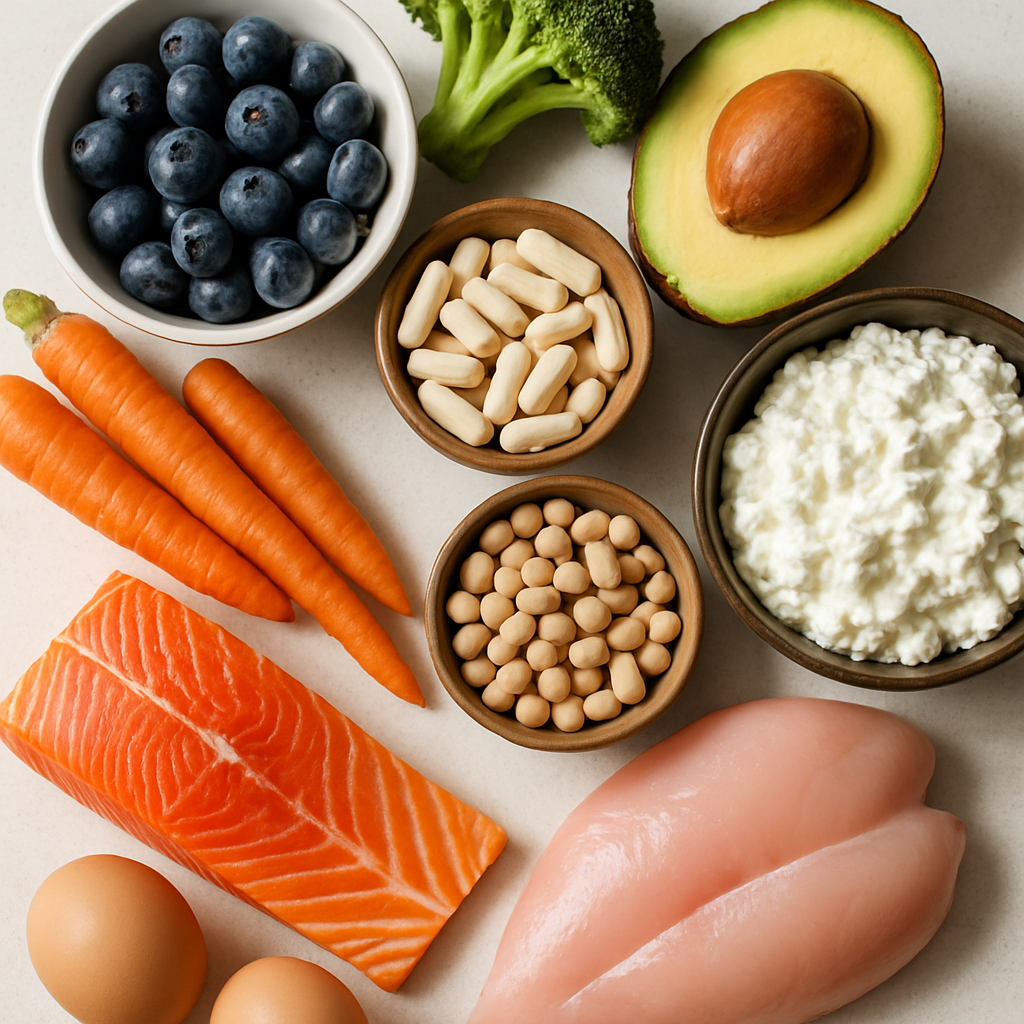
The Role of Leucine in Muscle Protein Synthesis: What You Need to Know
Leucine triggers muscle growth by activating mTORC1—your body's key muscle-building switch. It's not just about protein quantity; leucine quality matters.
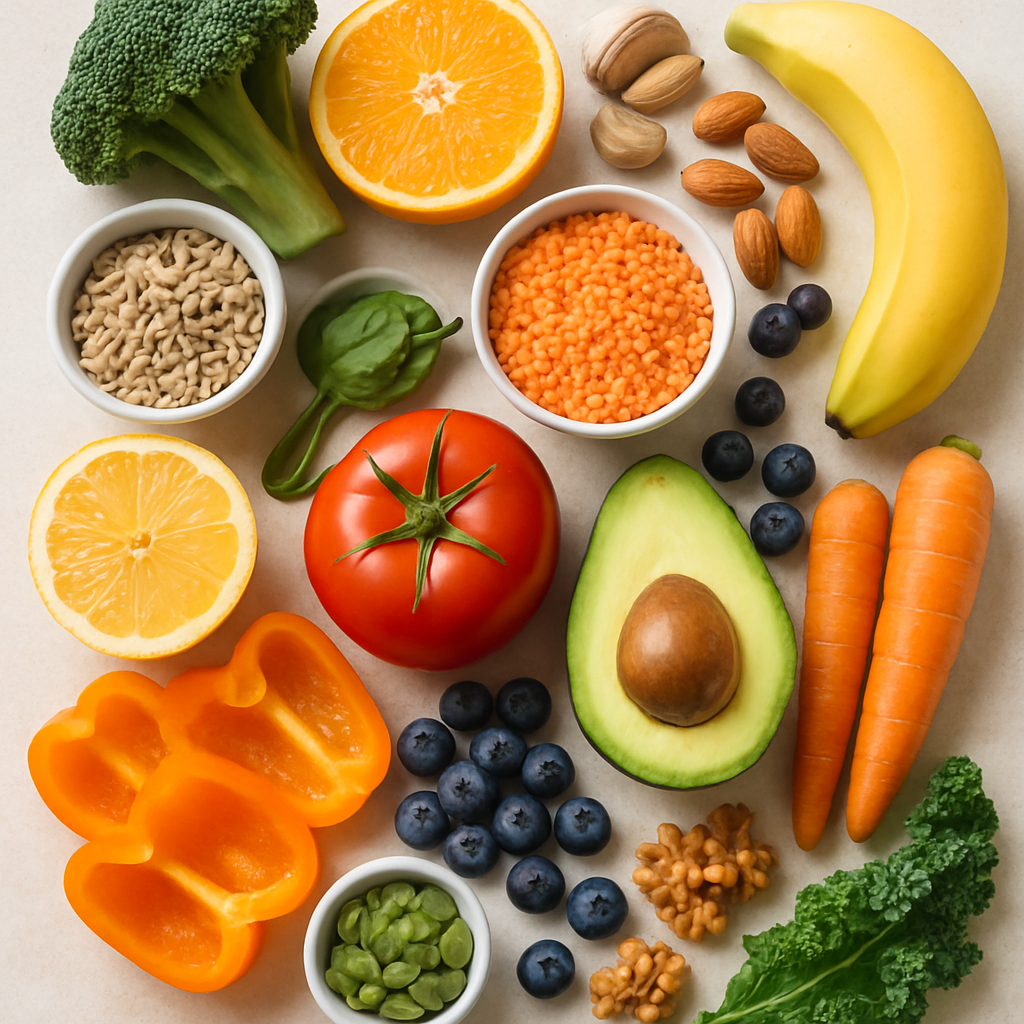
Understanding Micronutrients: Why Vitamins and Minerals Matter Beyond Your Macros
Macros get all the attention, but vitamins and minerals quietly run the show — affecting sleep, recovery, focus, and immunity.
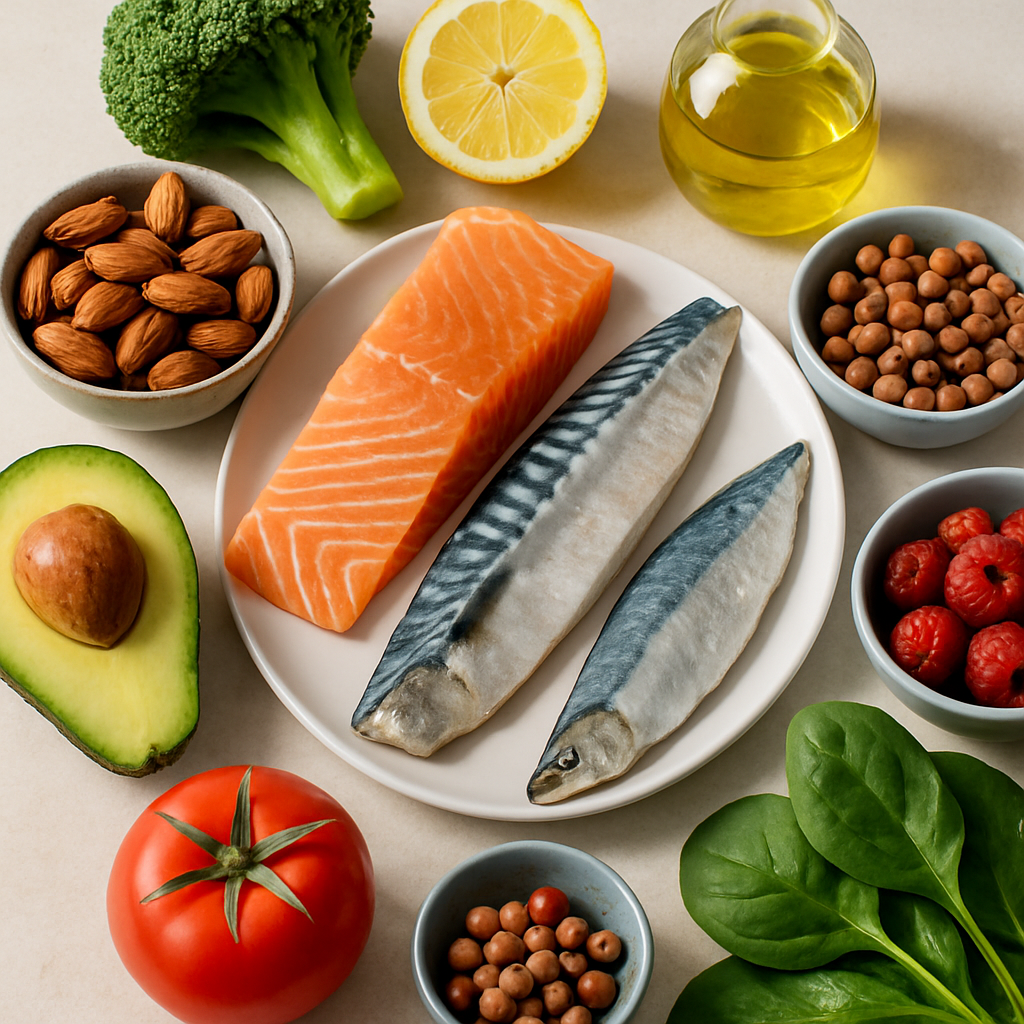
The Case for Eating More Oily Fish: What UK Adults Are Missing
UK adults fall short on oily fish like salmon and mackerel. Here's why that gap matters for your health.
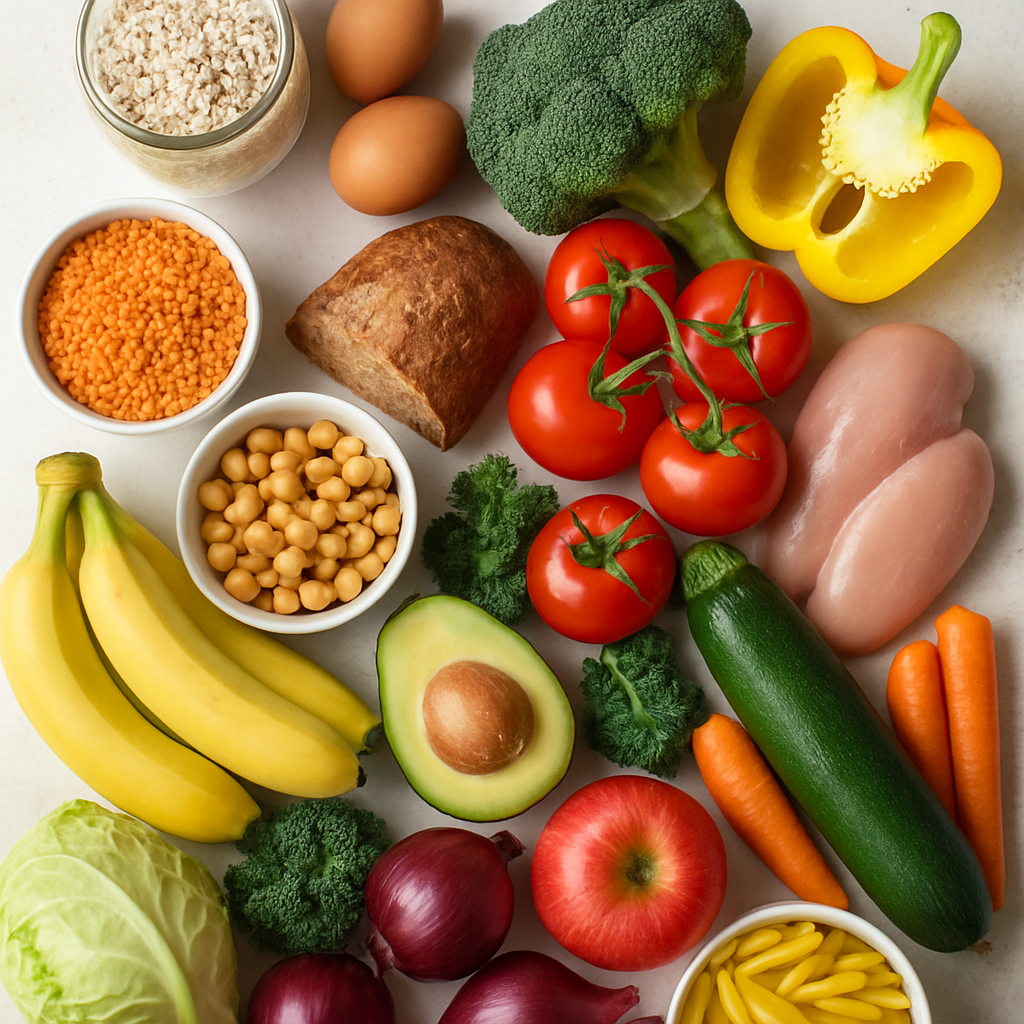
How to cut the cost of your food bill without compromising on quality
Eating well doesn't have to break the bank. With smart planning and simple swaps, you can cut your food bill without sacrificing nutrition or quality.
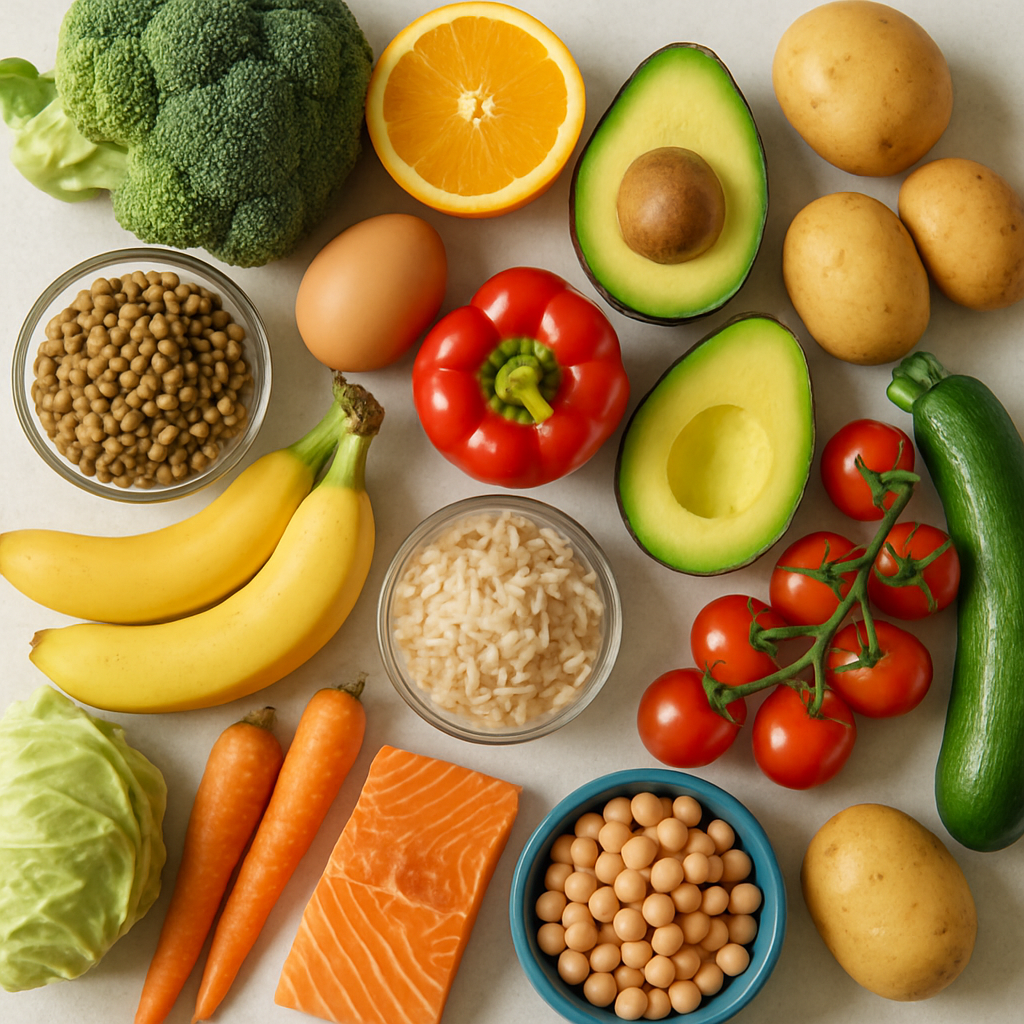
How to eat fresh food for less than junk food
Fresh food can cost less than junk food with the right approach. Dried lentils offer 10 servings for £1.20, while a single bag of crisps delivers far less value
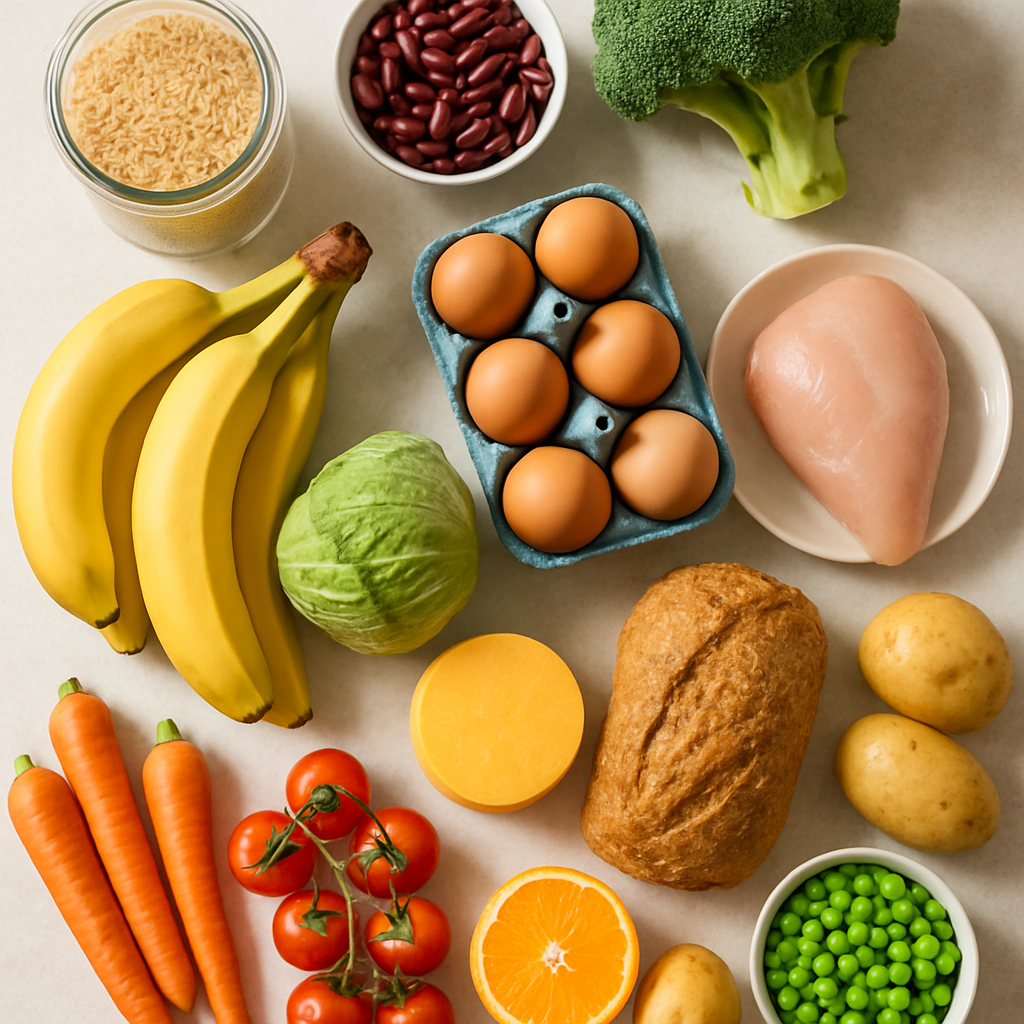
How to cut the cost of your food bill without compromising on quality
Eating well doesn't have to break the bank. With smart habits and simple swaps, you can cut your grocery bill without sacrificing nutrition or flavour.
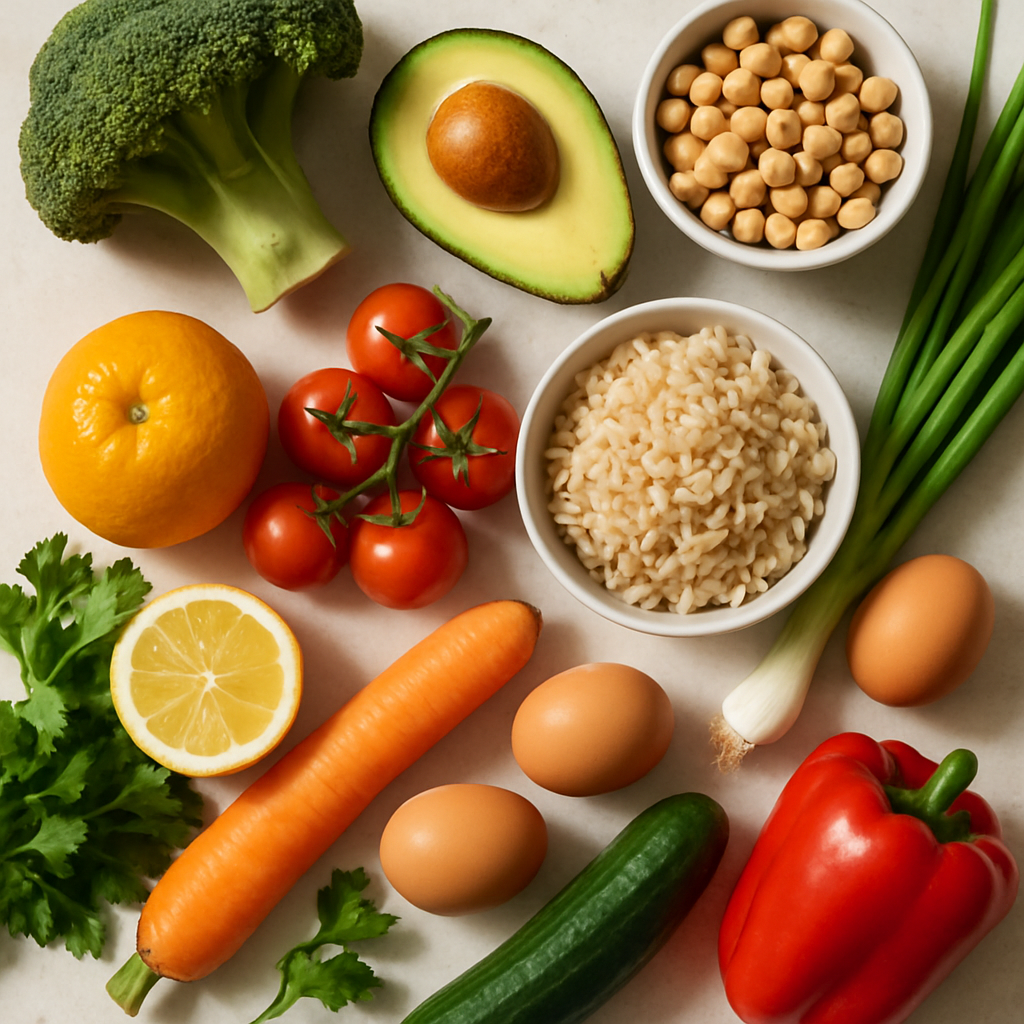
How to eat fresh food for less than junk food
Fresh food doesn't have to break the bank. With the right strategy, home-cooked meals can cost far less than takeaways or convenience food.
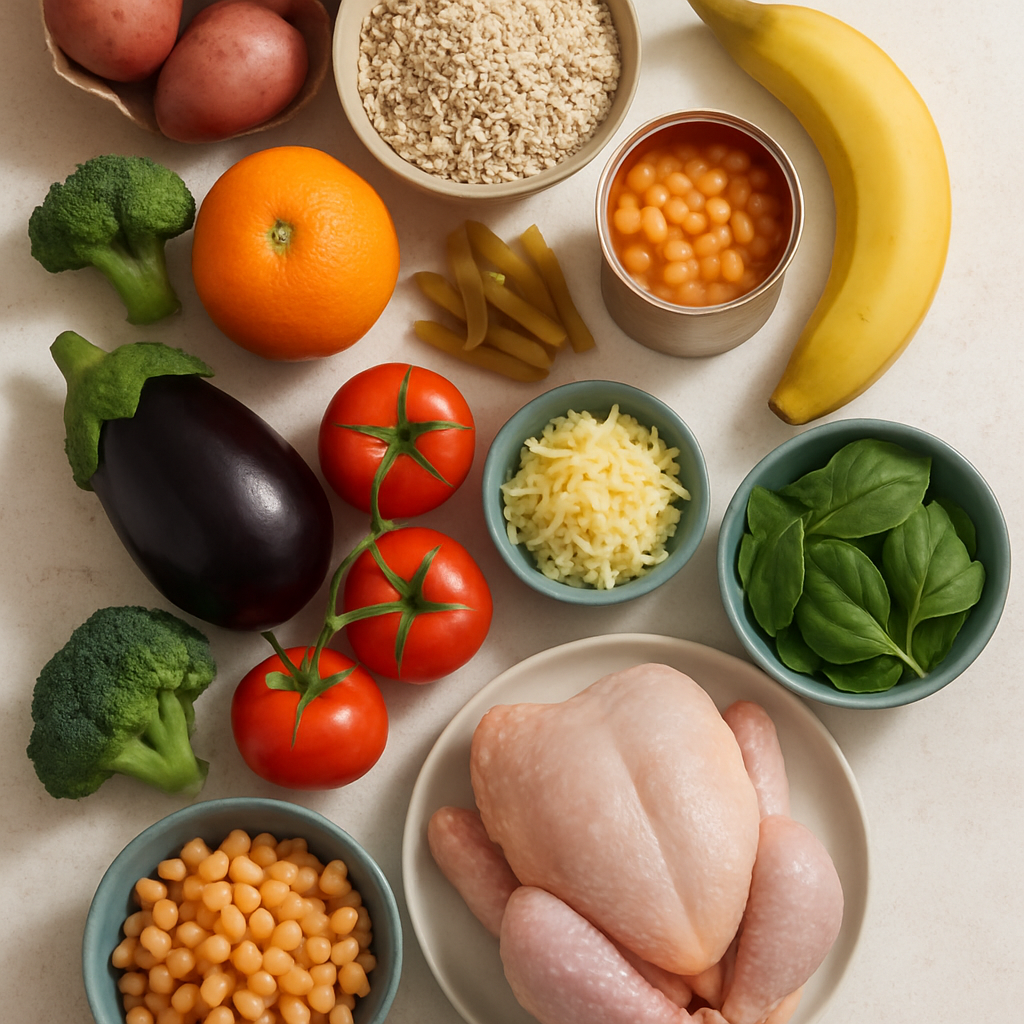
How to cut the cost of your food bill without compromising on quality
Eating well for less is possible with the right approach. Smart planning beats pricey habits — and you might end up eating better than before.
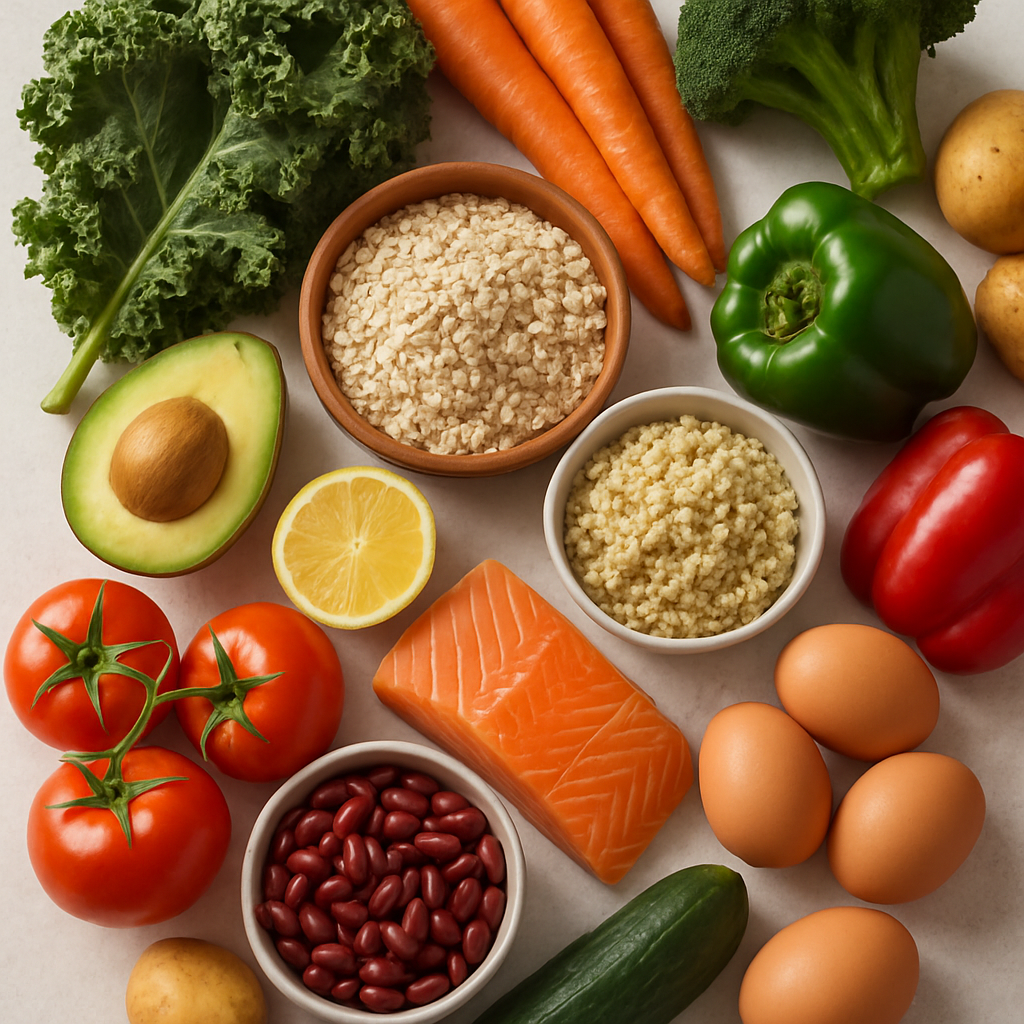
How to eat fresh food for less than junk food
Fresh food can actually cost less than junk food once you compare real value per meal. A few simple shifts in how you shop and cook make all the difference.
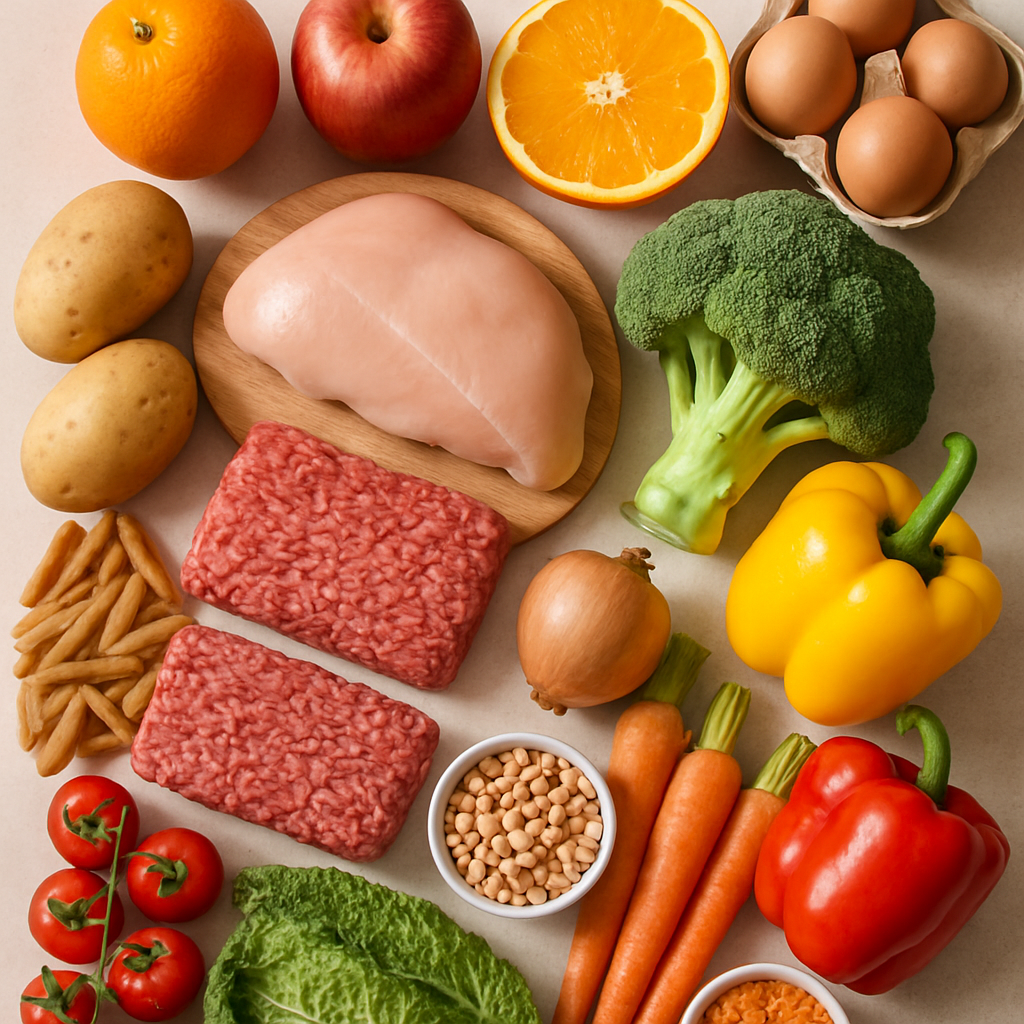
How to cut the cost of your food bill without compromising on quality
Eating well on a budget is easier than you think. Nutritious staples like lentils, eggs and oats cost little but deliver big. Here's how to save.
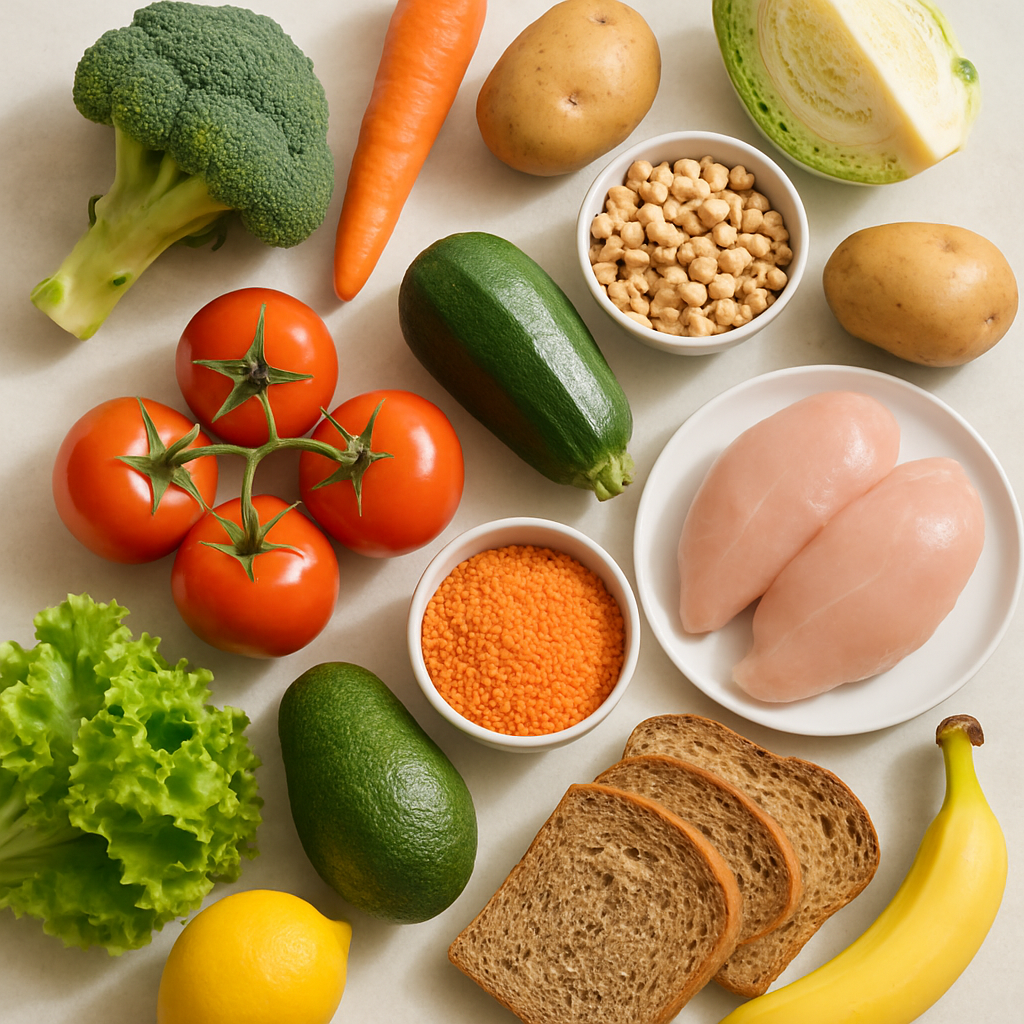
How to eat fresh food for less than junk food
Fresh food doesn't have to cost more than junk food. With the right choices, nutritious meals can actually be cheaper per serving than crisps or a meal deal.
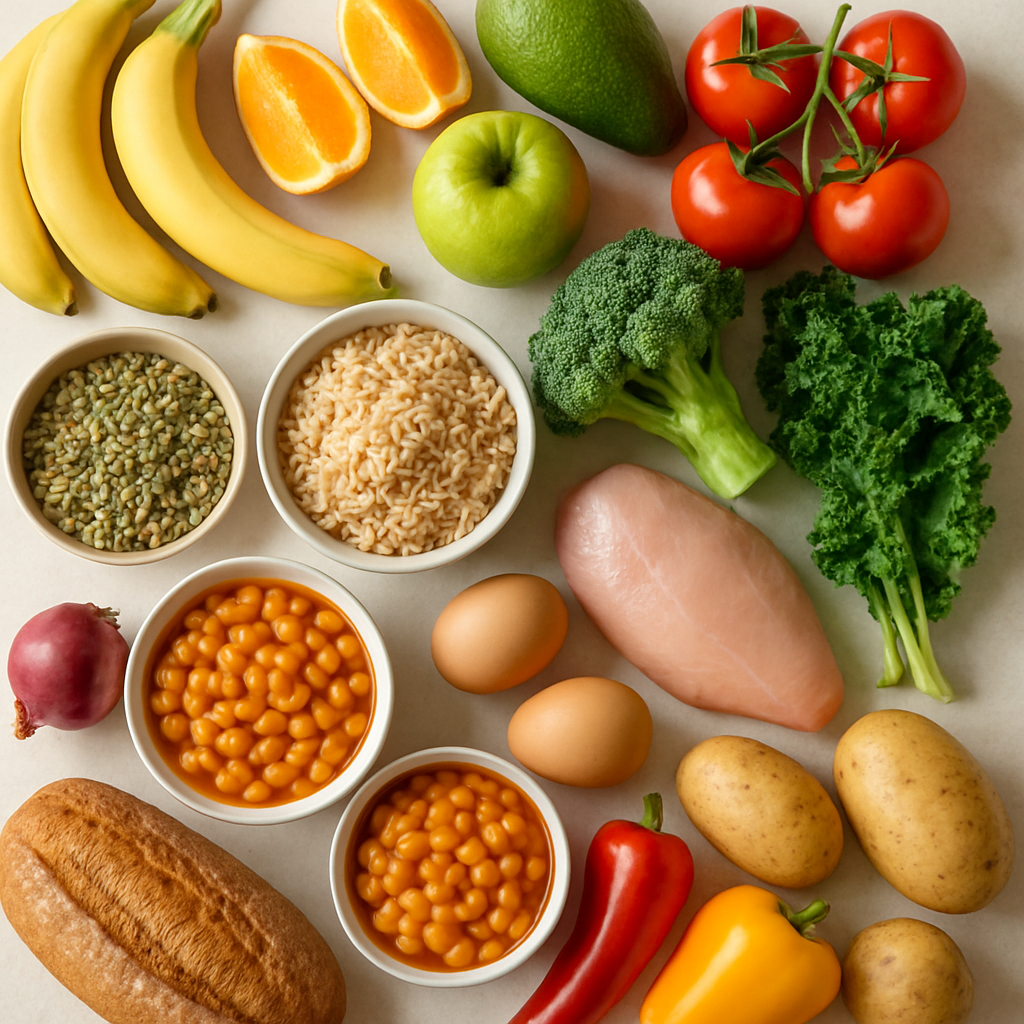
How to cut the cost of your food bill without compromising on quality
Eat well for less — UK food prices rose 25% but smart shopping means no compromise on nutrition or quality.
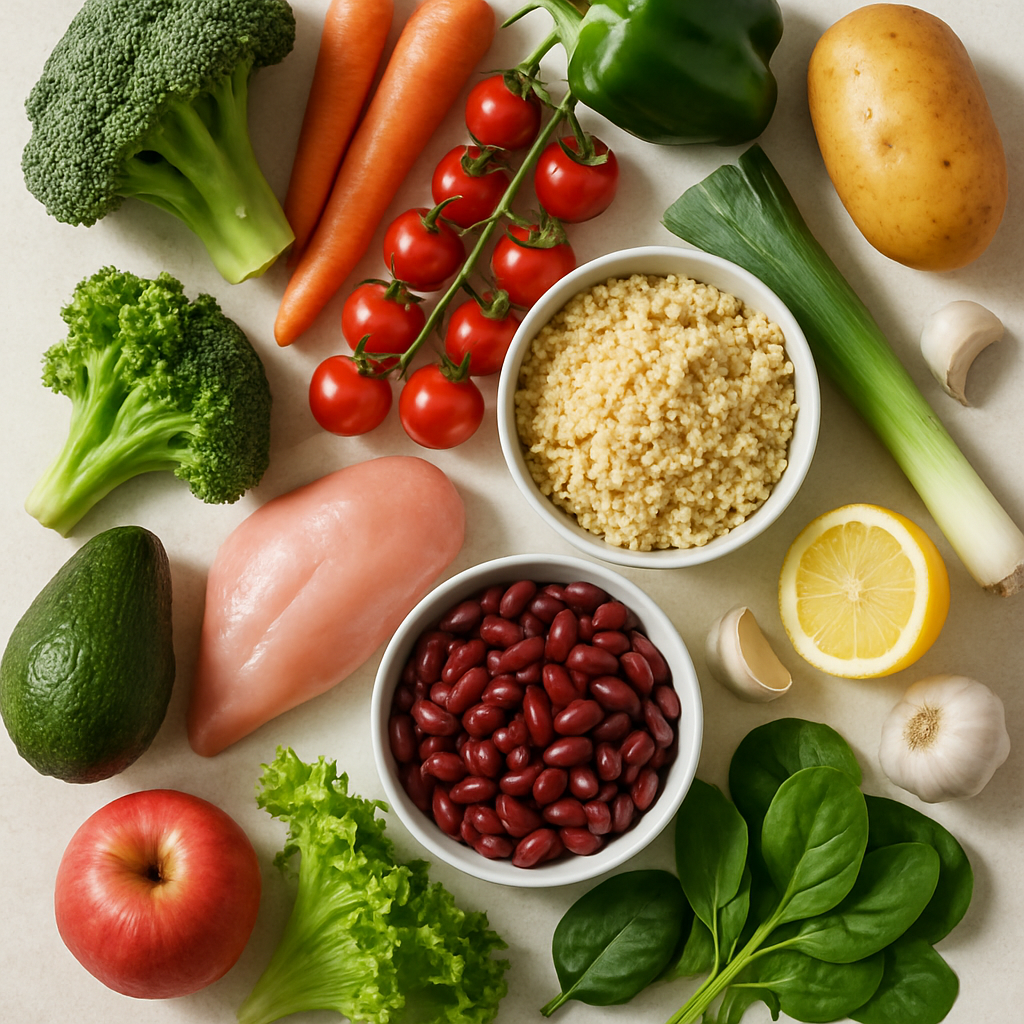
How to eat fresh food for less than junk food
Fresh food doesn't have to cost more than junk food. With the right strategies, home-cooked meals can be cheaper than meal deals or fast food.
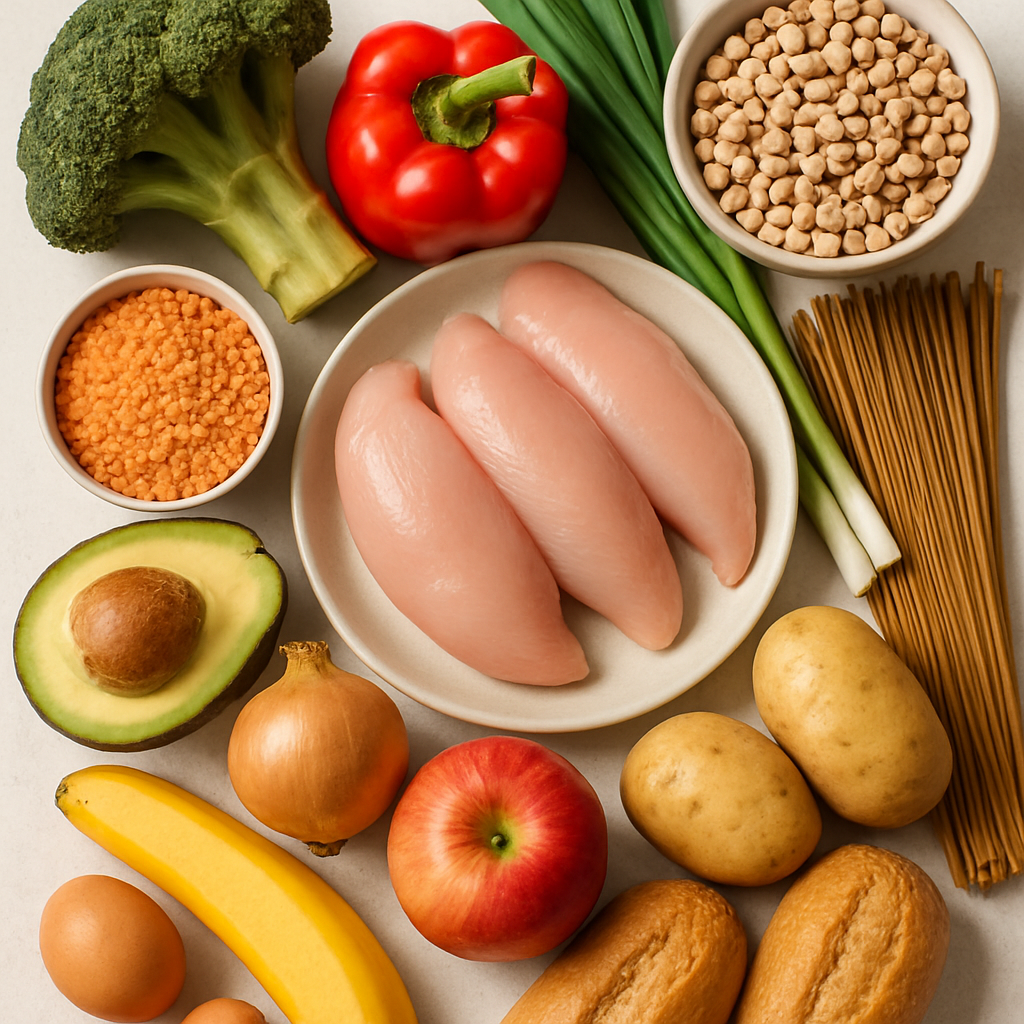
How to cut the cost of your food bill without compromising on quality
Smart swaps and simple planning can slash your food bill without sacrificing taste or nutrition. Eating well on a budget is easier than you think.
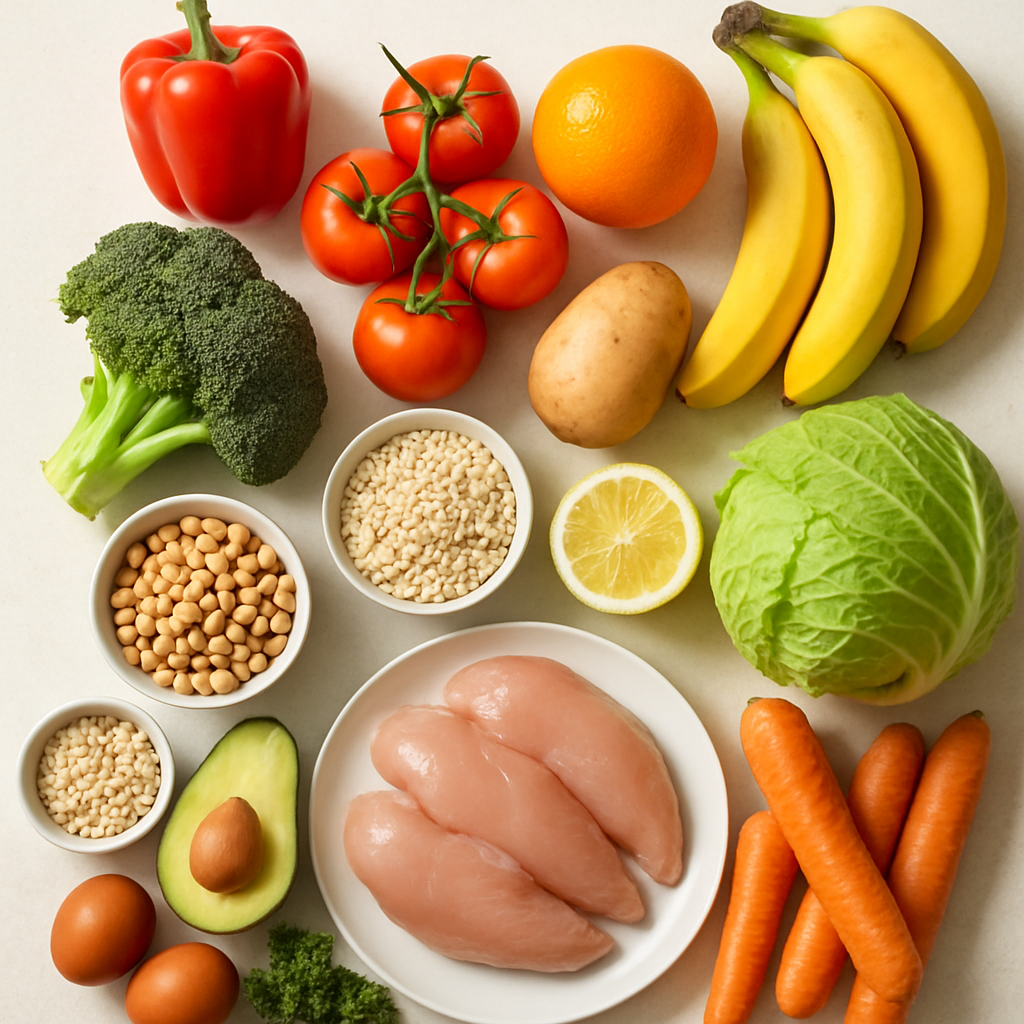
How to eat fresh food for less than junk food
Fresh food doesn't have to break the bank. With the right approach, eating well can actually cost less than relying on processed meals and takeaways.
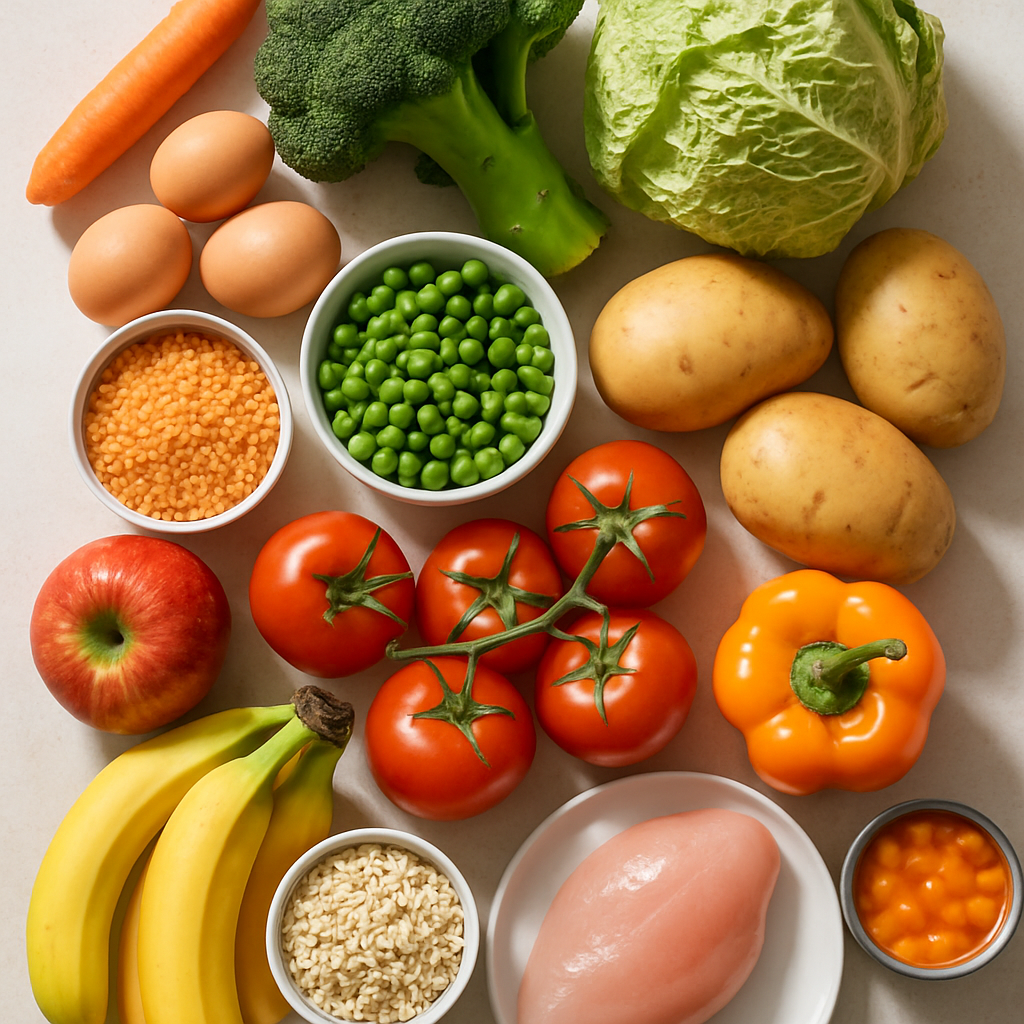
How to cut the cost of your food bill without compromising on quality
Eating well doesn't have to break the bank. Nutritious staples like eggs, lentils, and frozen veg are among the cheapest foods available.
How to eat fresh food for less than junk food
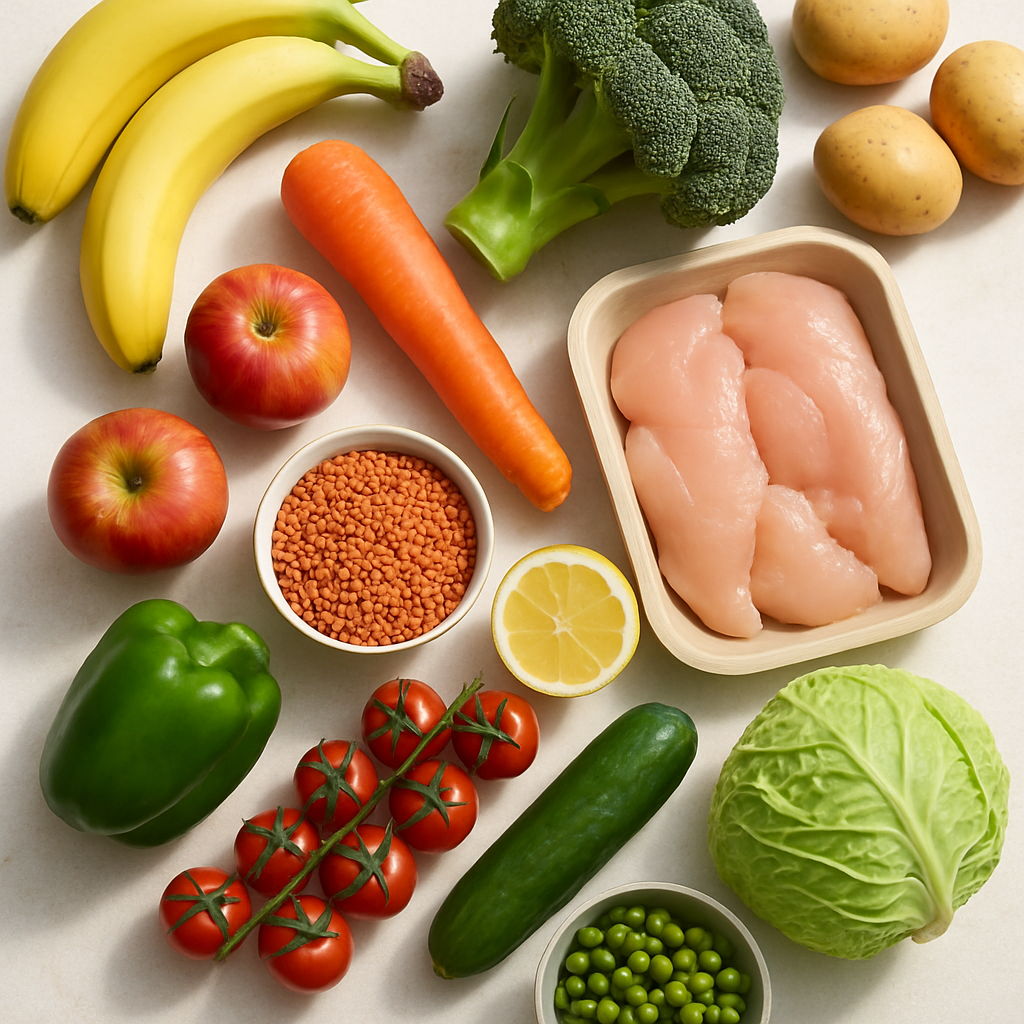
Fresh food doesn't have to break the bank. When priced per serving, vegetables, pulses, and grains often beat ultra-processed options on cost.
How to cut the cost of your food bill without compromising on quality
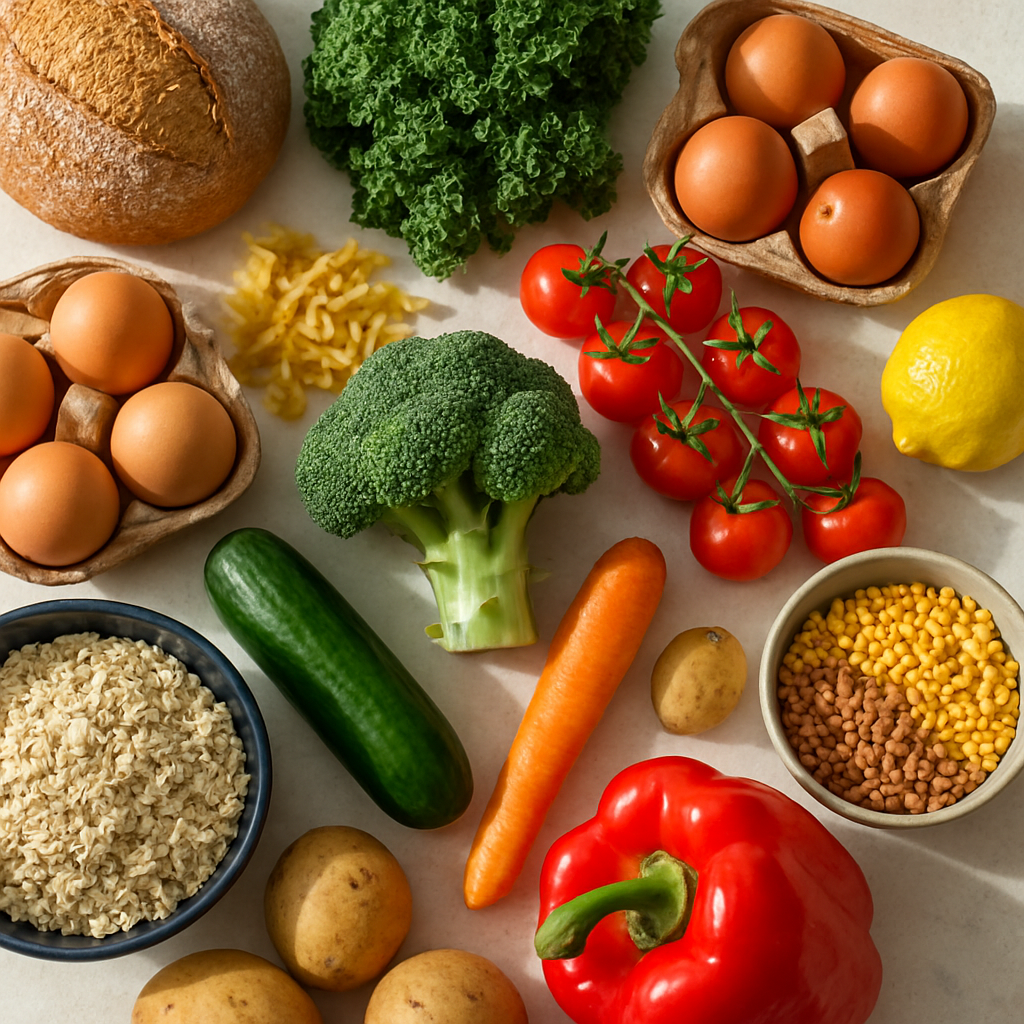
Eating well on a budget is more achievable than you think. With smart planning and a few simple habits, you can cut your food bill without sacrificing quality o
How to eat fresh food for less than junk food
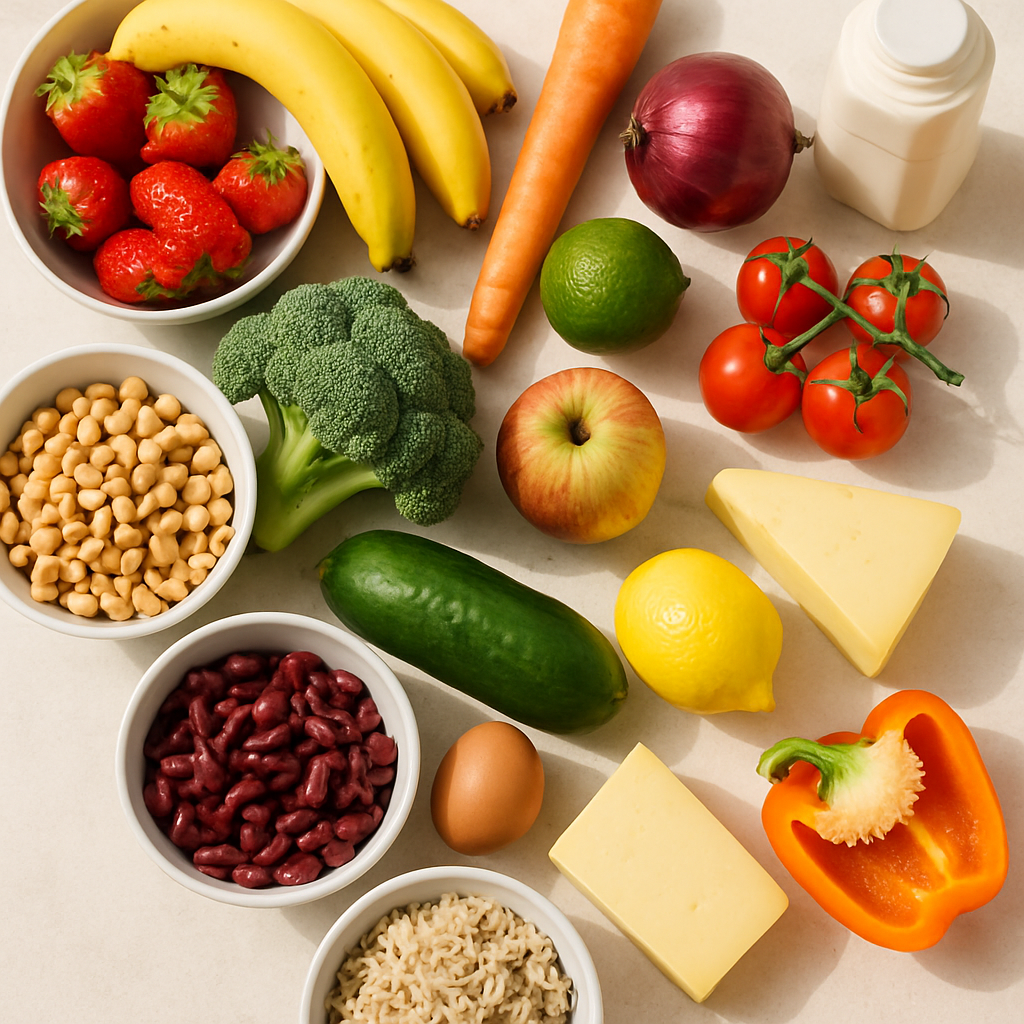
Fresh food doesn't have to break the bank. With the right know-how, whole foods can cost less per meal than takeaways and ultra-processed snacks.
How to cut the cost of your food bill without compromising on quality
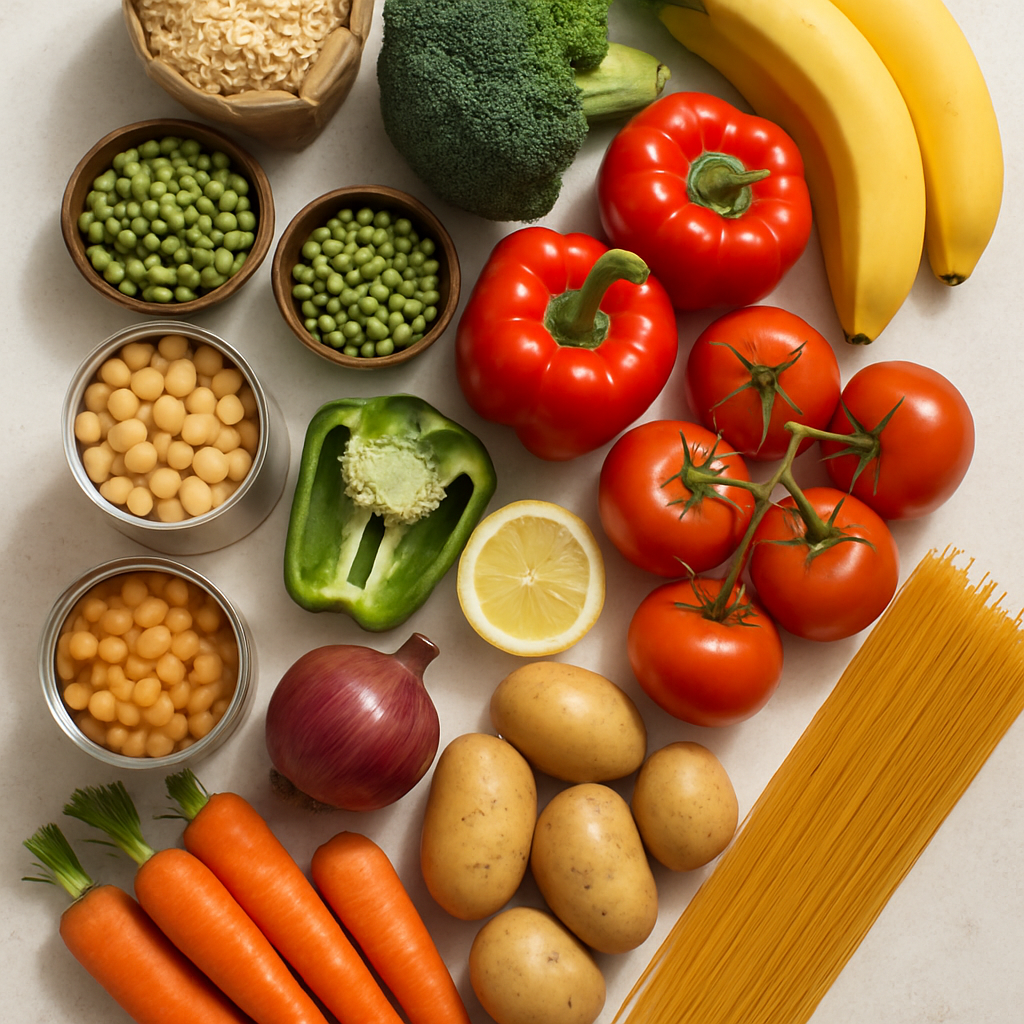
Eating well doesn't have to mean spending more. With smart strategies, you can cut your food bill without sacrificing nutrition or flavour.
How to eat fresh food for less than junk food
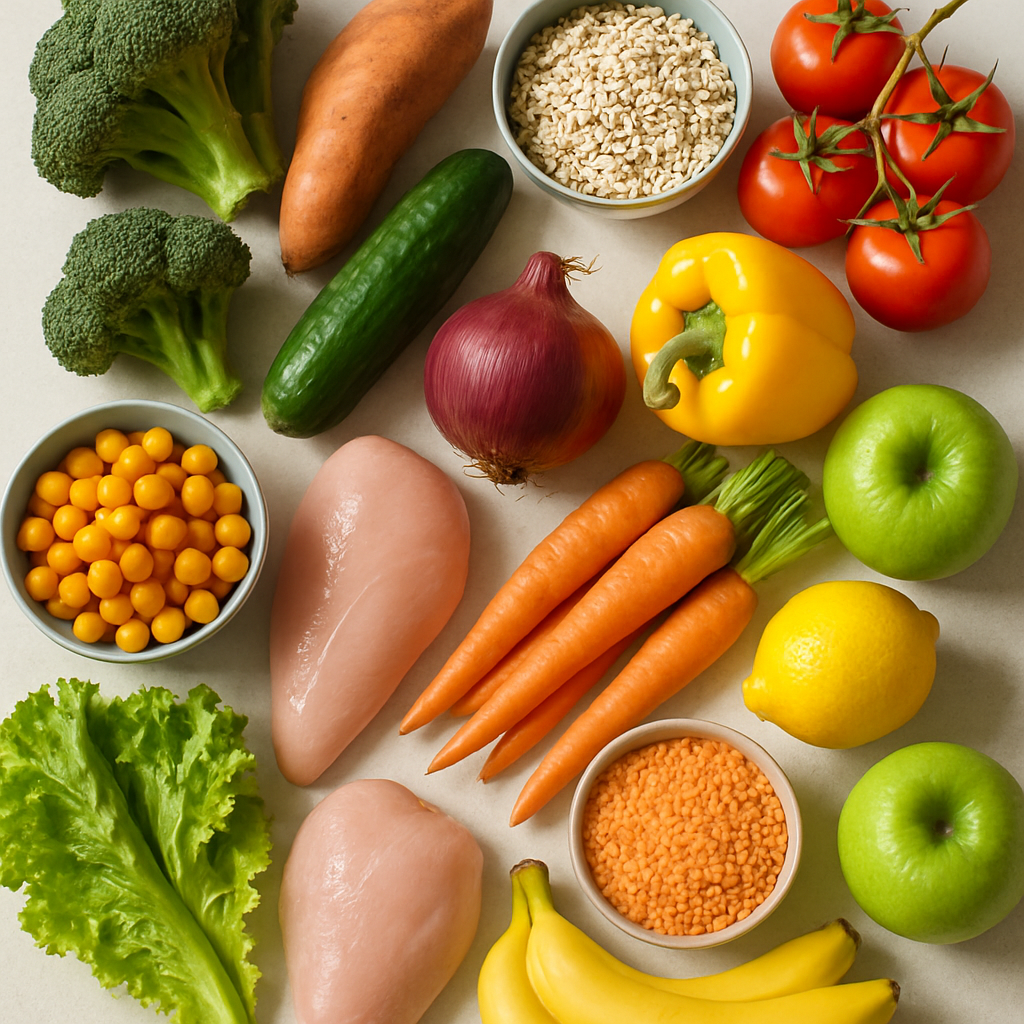
Fresh food doesn't have to cost more than junk food. With smart shopping and simple cooking, whole ingredients can beat processed food on price.
How to cut the cost of your food bill without compromising on quality
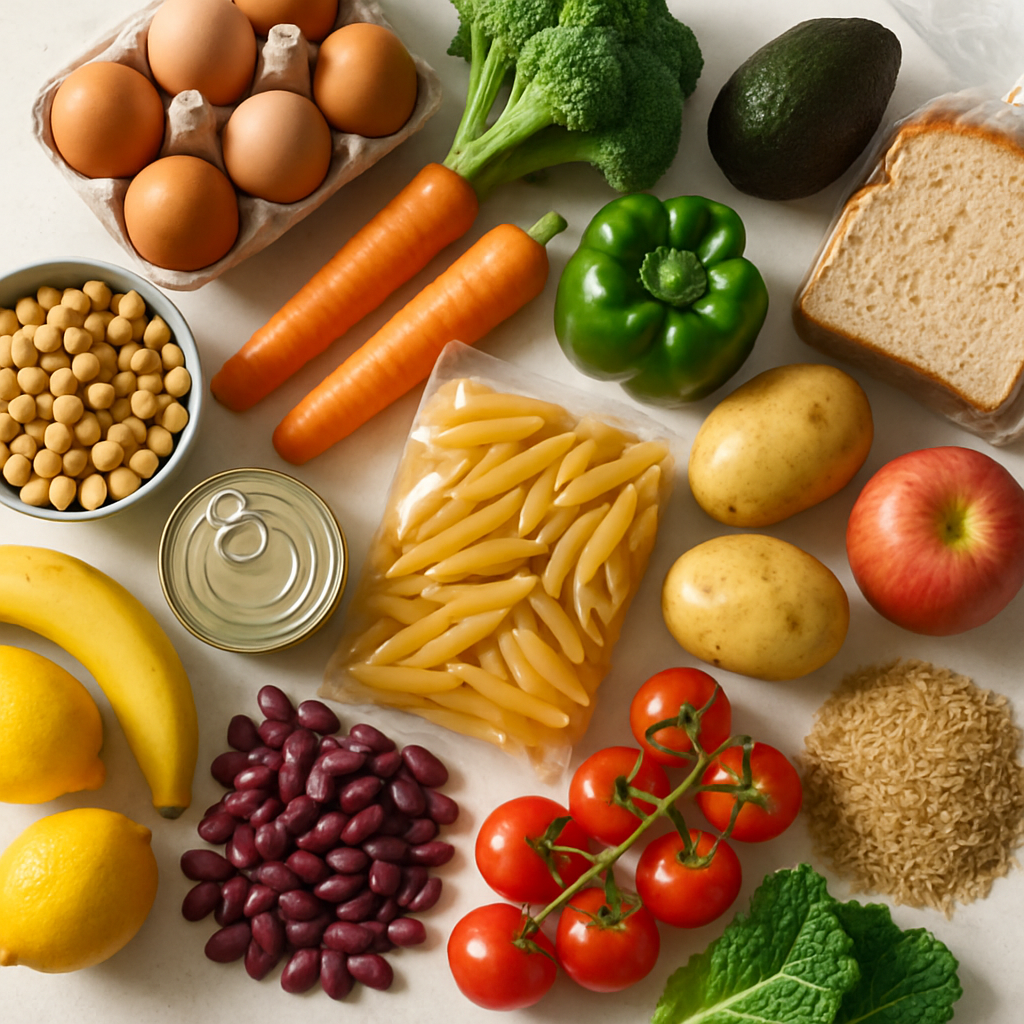
Eating well doesn't have to break the bank. With smart strategies, you can enjoy nutritious, flavourful meals while spending far less.
How to eat fresh food for less than junk food
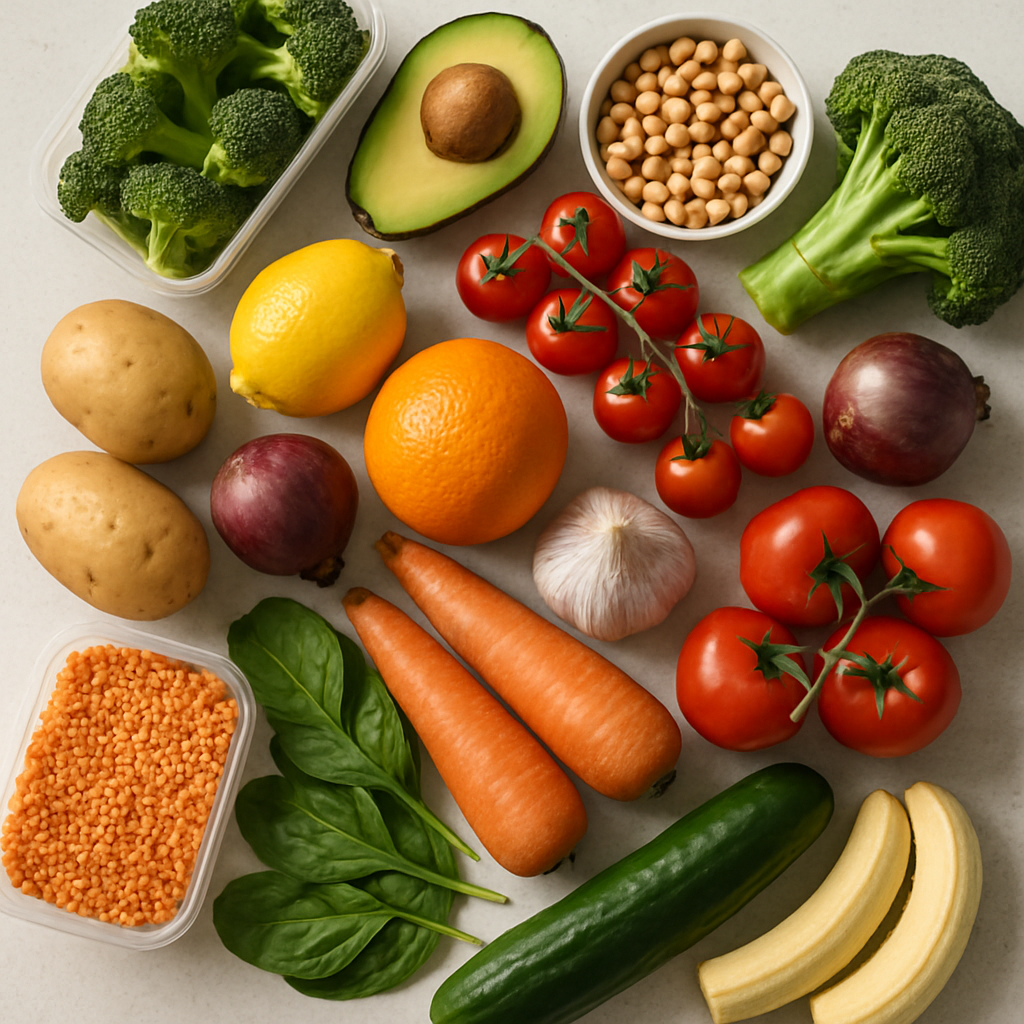
Fresh food can actually cost less than junk food when you know what to buy. Whole foods like lentils and chickpeas offer more meals per pound spent.
How to cut the cost of your food bill without compromising on quality
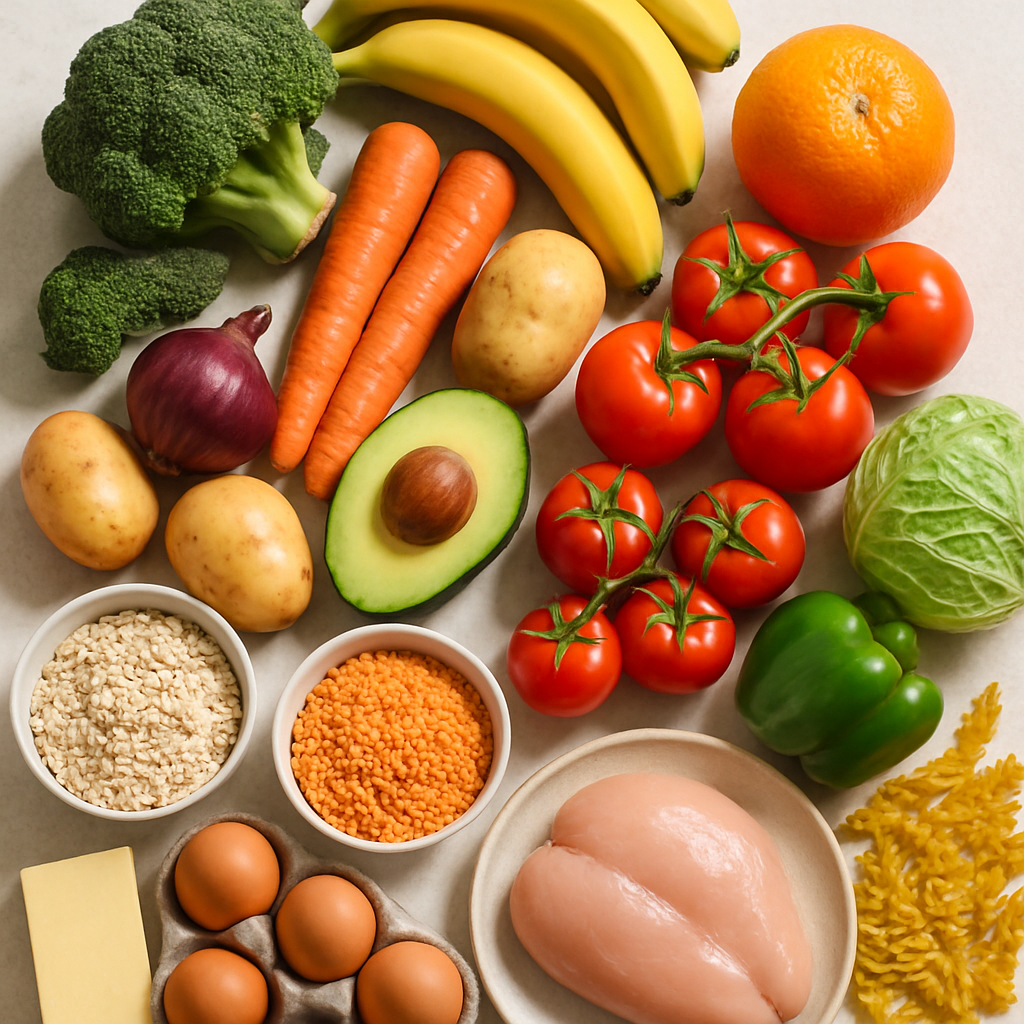
Eating well on less is easier than you think. A few simple shifts can cut your food bill without sacrificing quality or flavour.
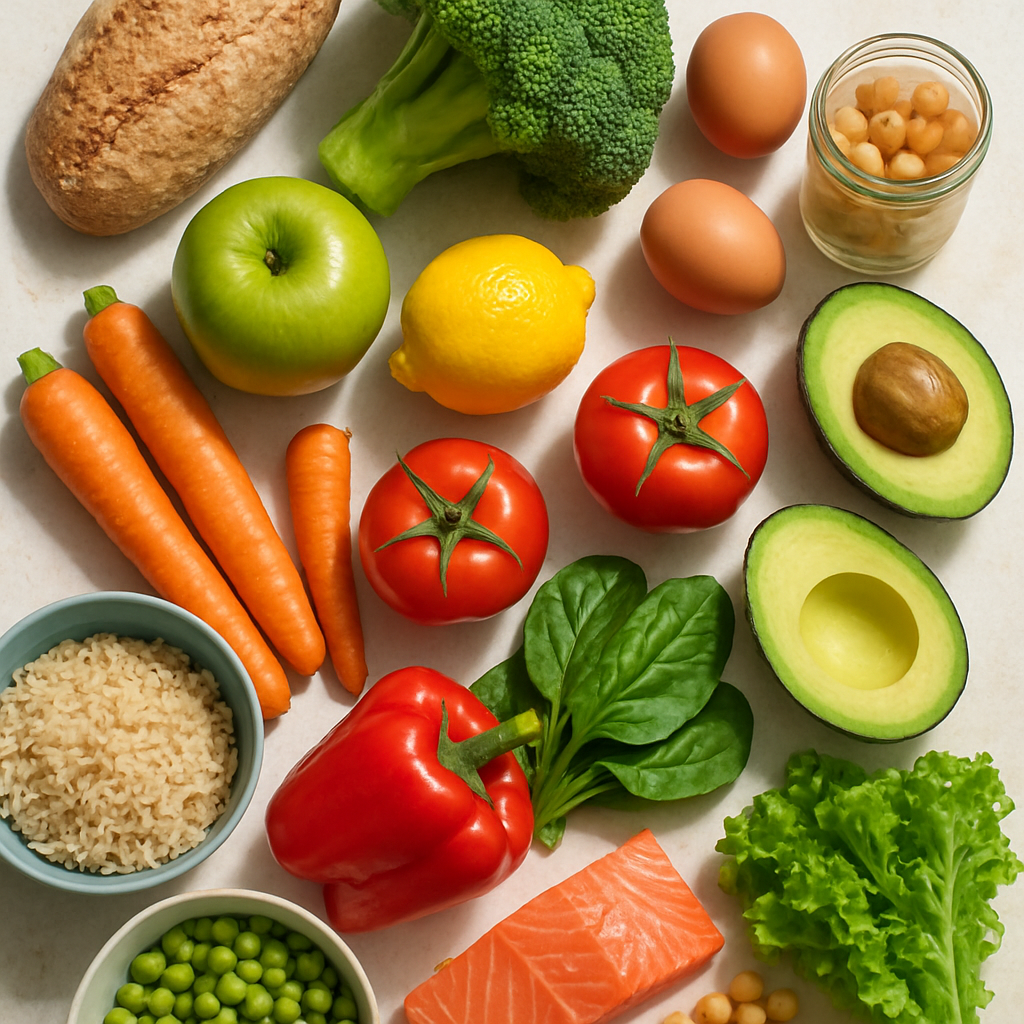
How to eat fresh food for less than junk food
Fresh food doesn't have to cost more than junk food. With the right strategies, nutritious meals can be cheaper than crisps or a drive-through.
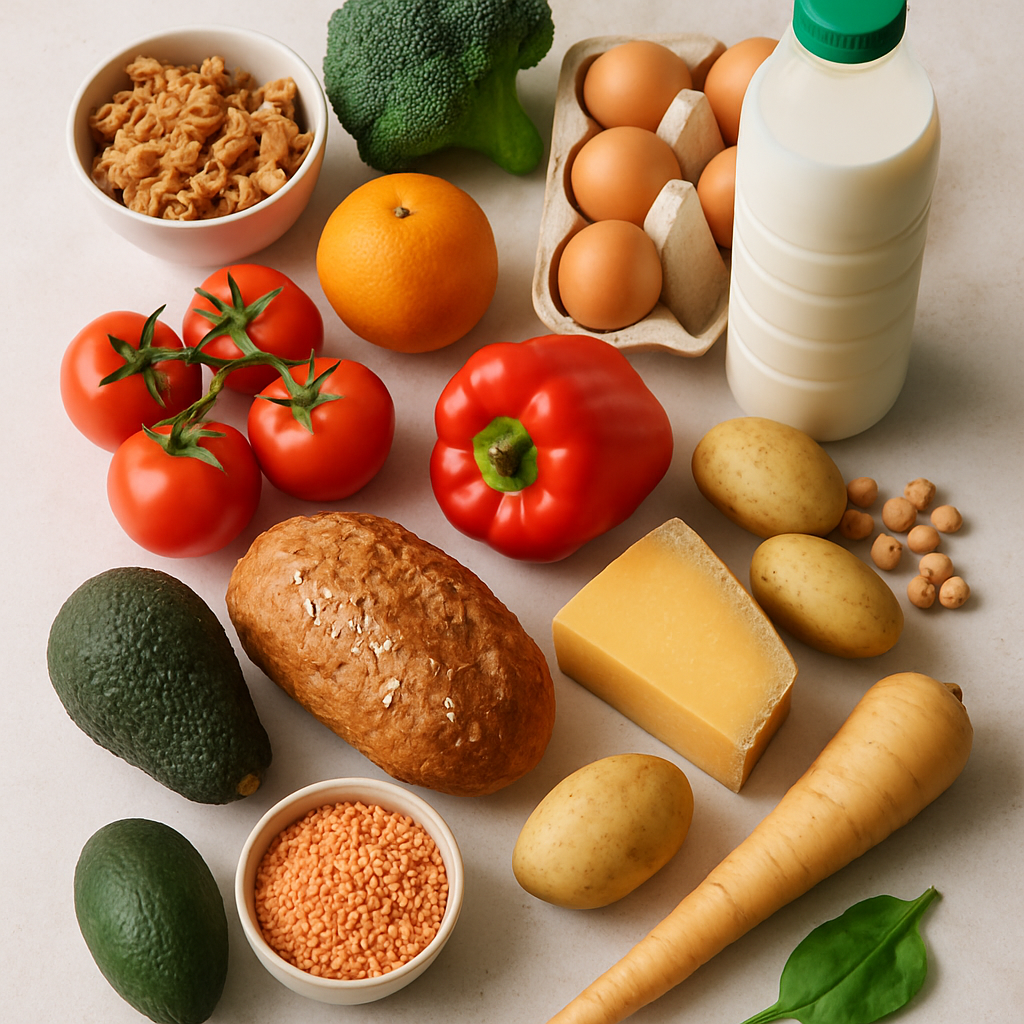
How to cut the cost of your food bill without compromising on quality
Eating well on less isn't about buying cheap food — it's about shopping smarter. Lentils, eggs, and frozen veg are nutritious and budget-friendly.
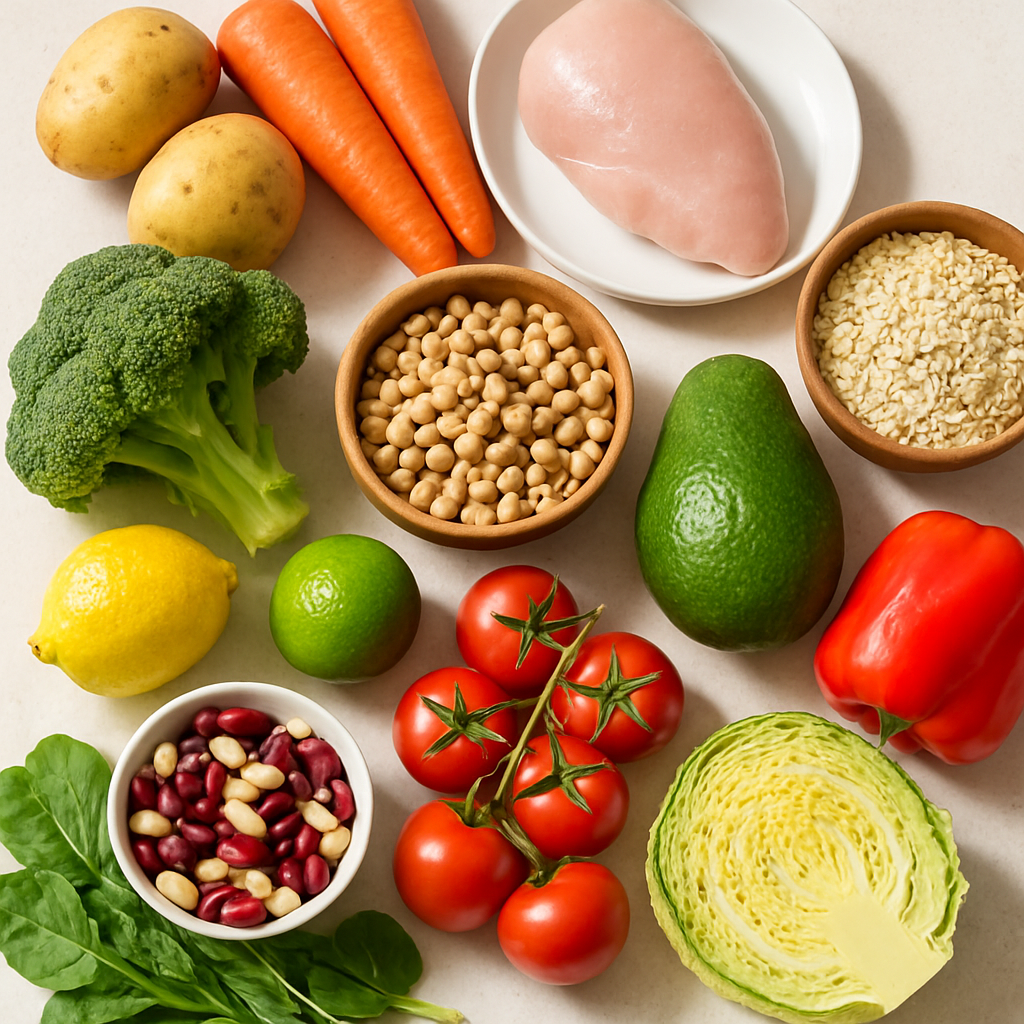
How to eat fresh food for less than junk food
Fresh food can be cheaper than junk food when you compare by meal cost, not price tag. Lentils, eggs, and oats often beat processed alternatives.
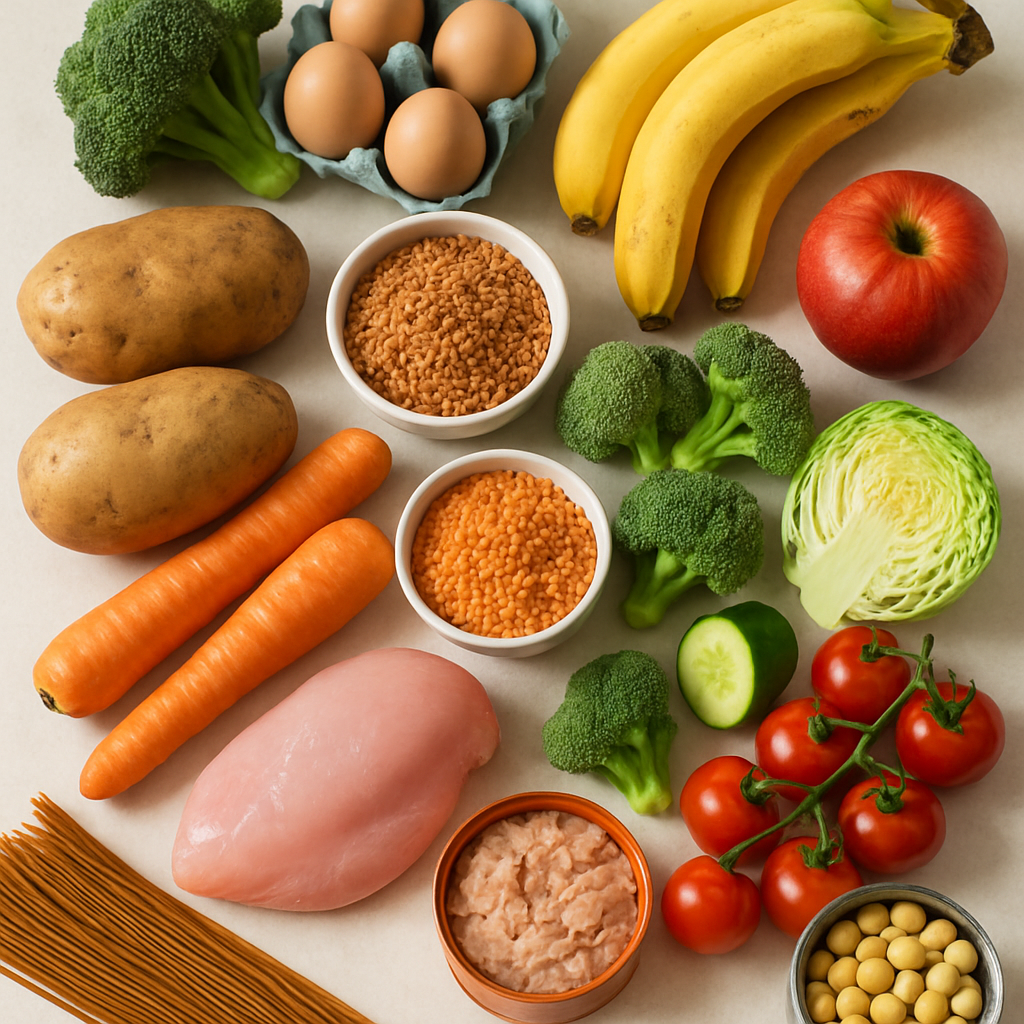
How to cut the cost of your food bill without compromising on quality
Eating well on a budget is more achievable than you'd think. Nutritious staples like lentils, eggs, and oats cost little yet deliver big.
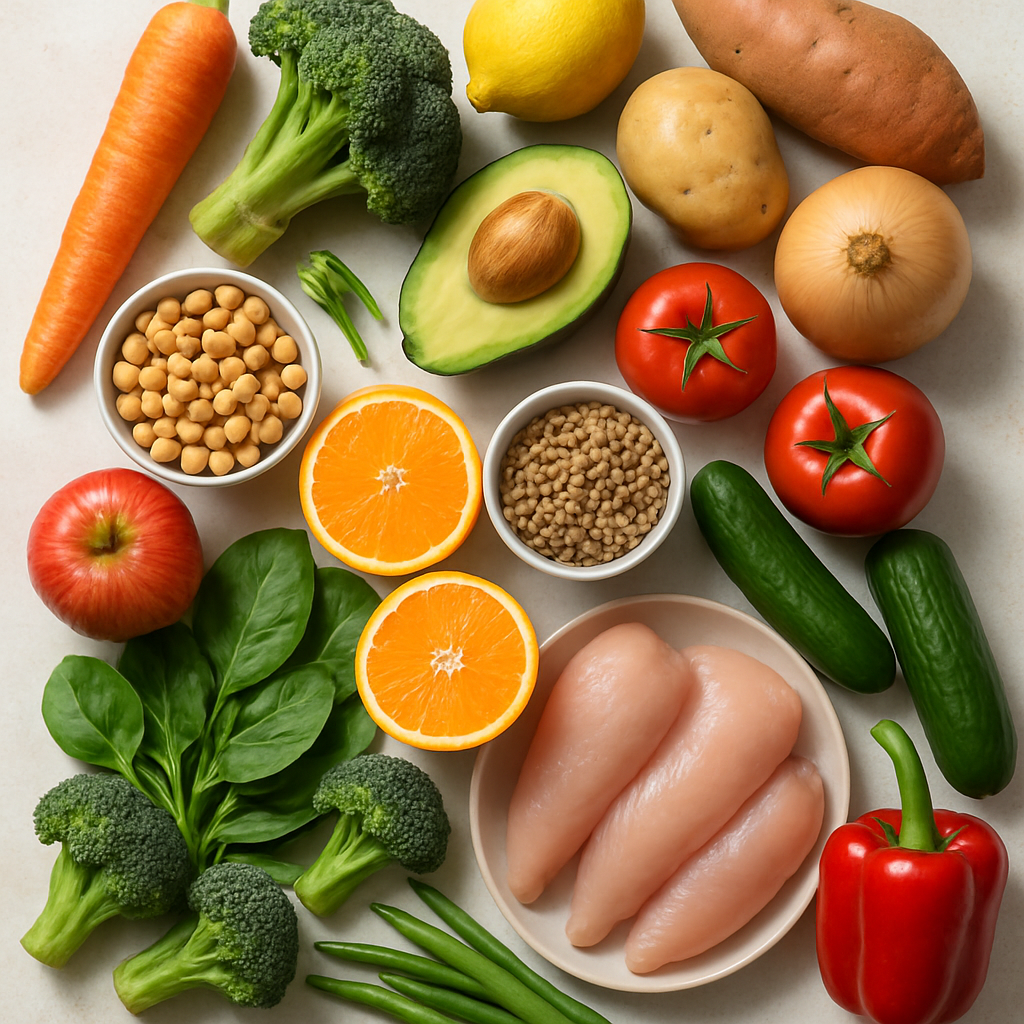
How to eat fresh food for less than junk food
Fresh food doesn't have to cost more than junk food. With smart planning, whole ingredients like lentils, eggs, and frozen veg can beat processed options on pri
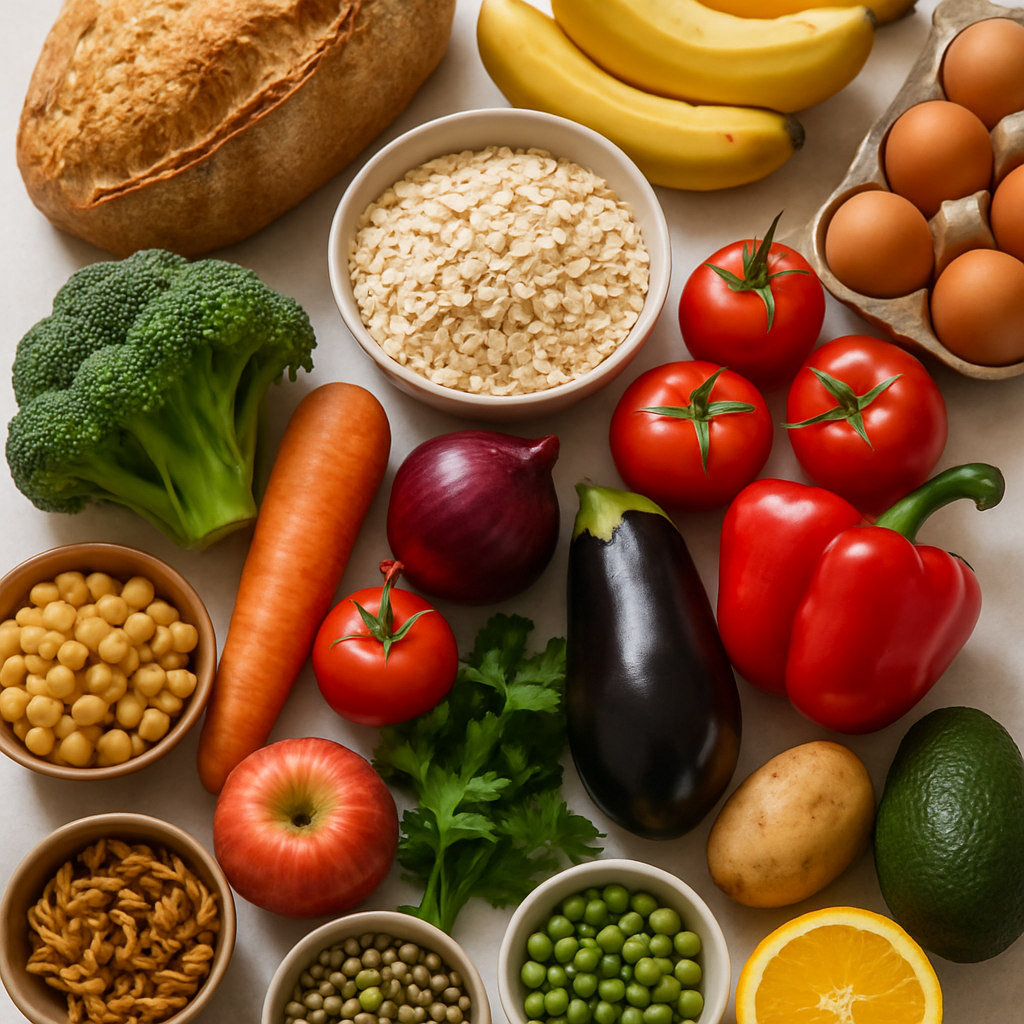
How to cut the cost of your food bill without compromising on quality
Eating well on a budget is easier than you think. Discover simple swaps and smart habits to cut your food bill without sacrificing nutrition.
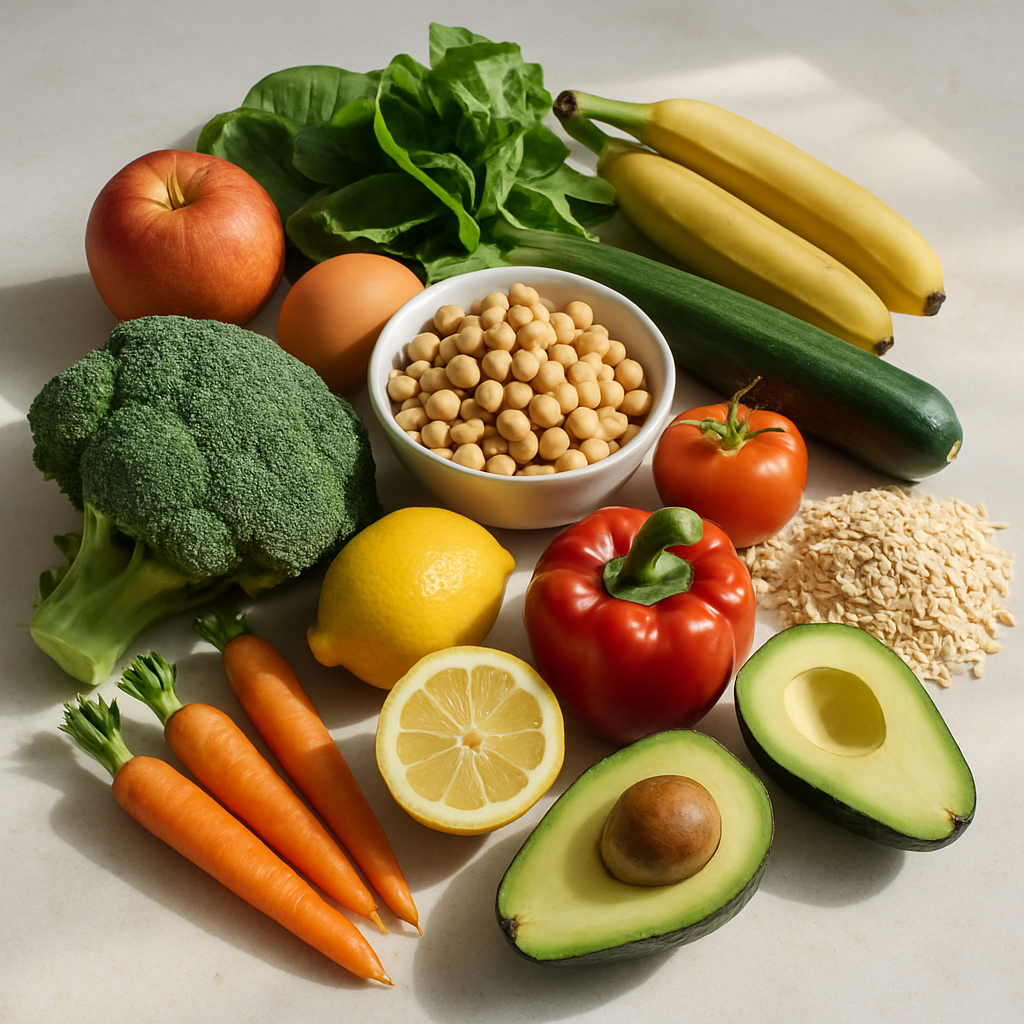
How to eat fresh food for less than junk food
Fresh food doesn't have to cost more than junk food. Comparing cost per meal, not per item, often tells a different story.
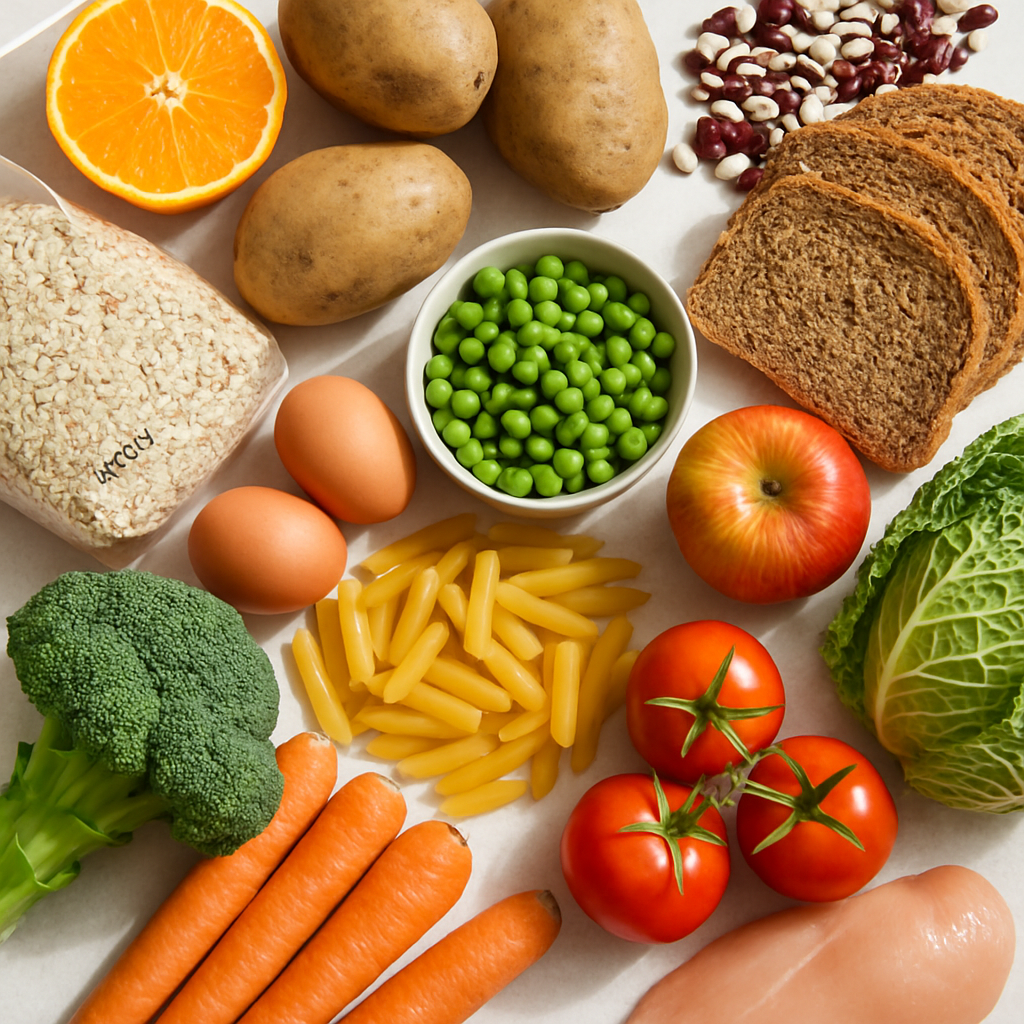
How to cut the cost of your food bill without compromising on quality
Eating well doesn't have to break the bank. With smart choices and simple swaps, you can cut your food bill without sacrificing quality.
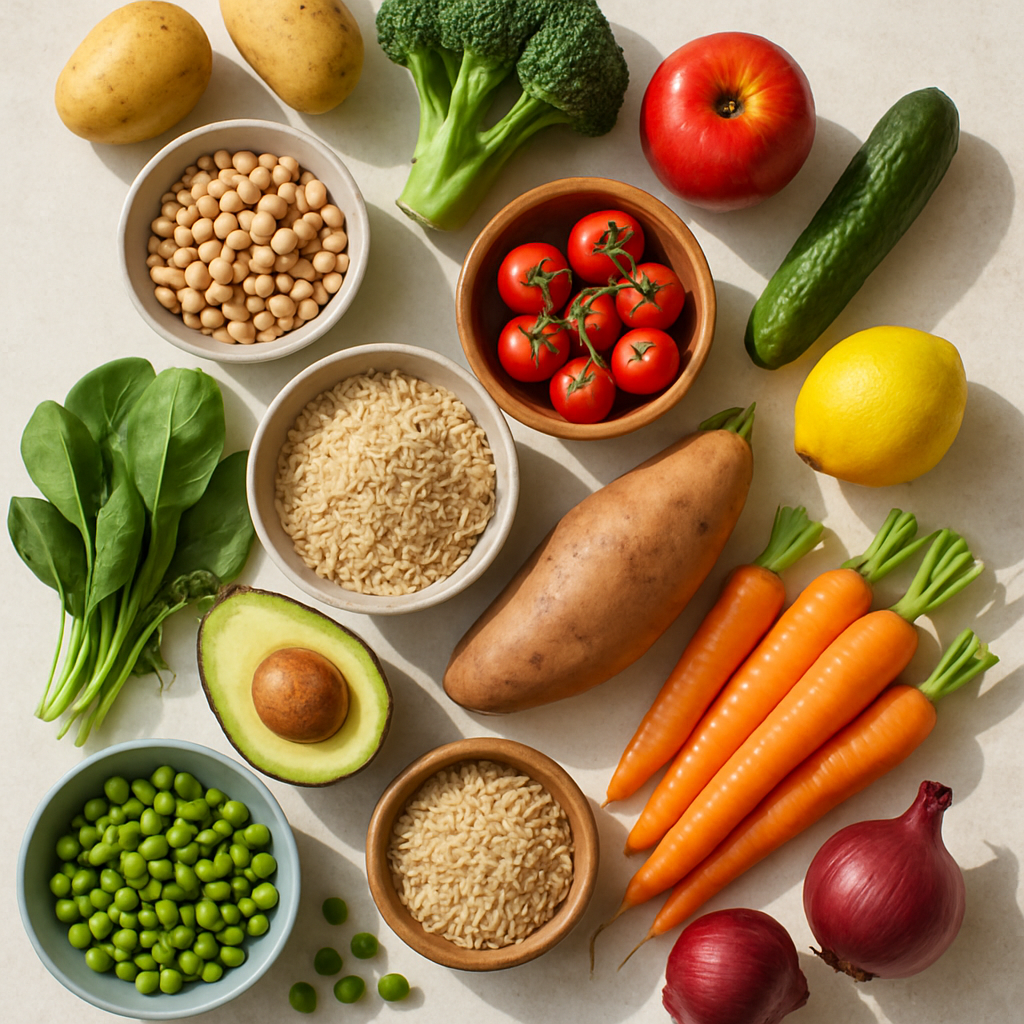
How to eat fresh food for less than junk food
Fresh food doesn't have to cost more than processed meals. With smart planning and the right know-how, eating well can actually save you money.
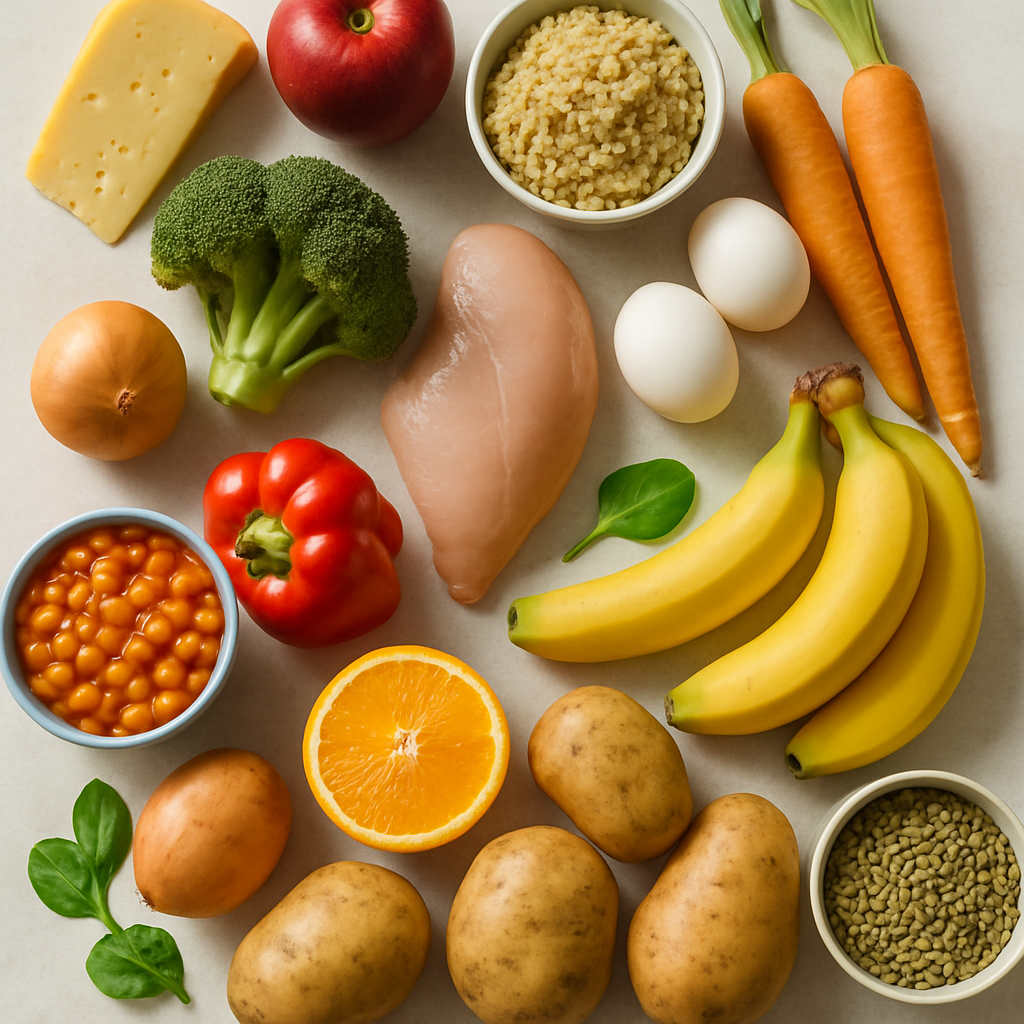
How to cut the cost of your food bill without compromising on quality
Eating well doesn't have to mean spending more. Discover smart ways to cut your food bill without sacrificing quality.
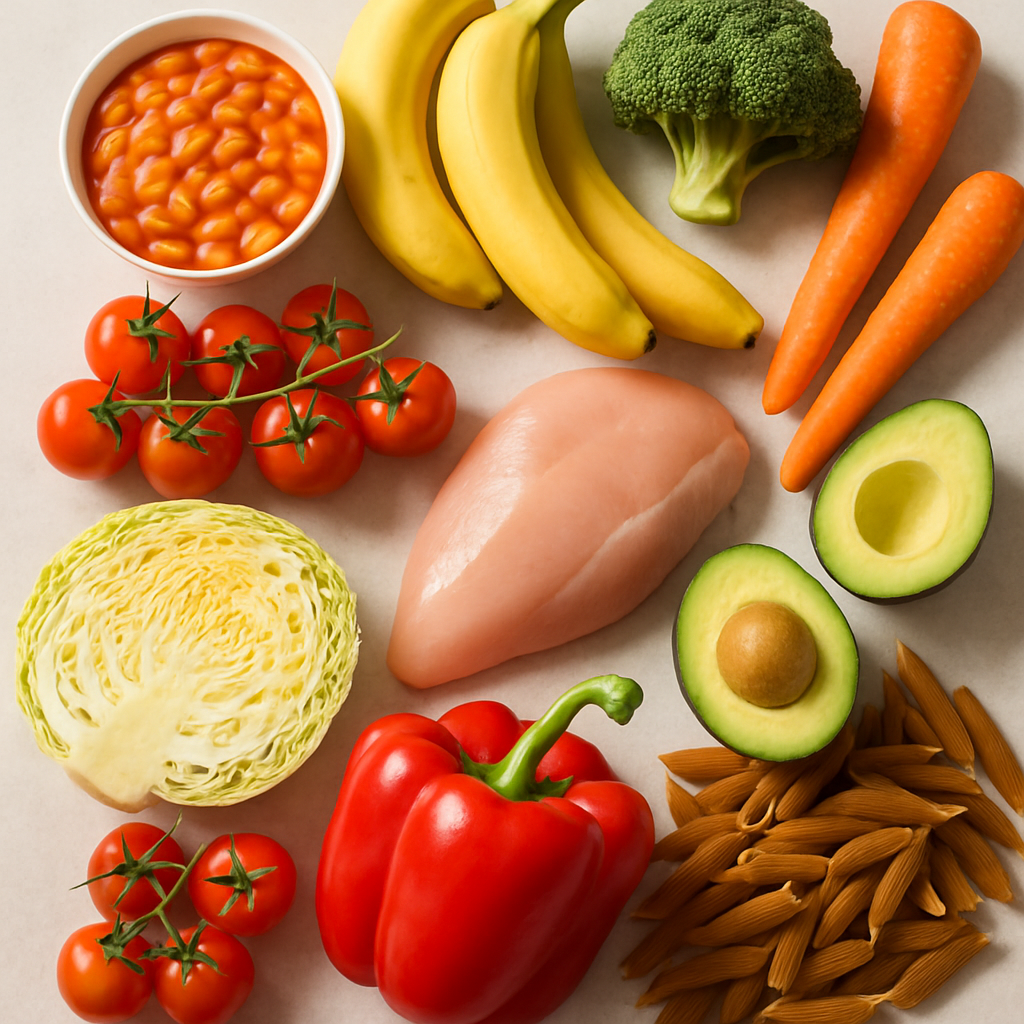
How to eat fresh food for less than junk food
Fresh food beating junk food on price is possible. With smart choices like lentils and seasonal veg, whole foods often cost less per meal.
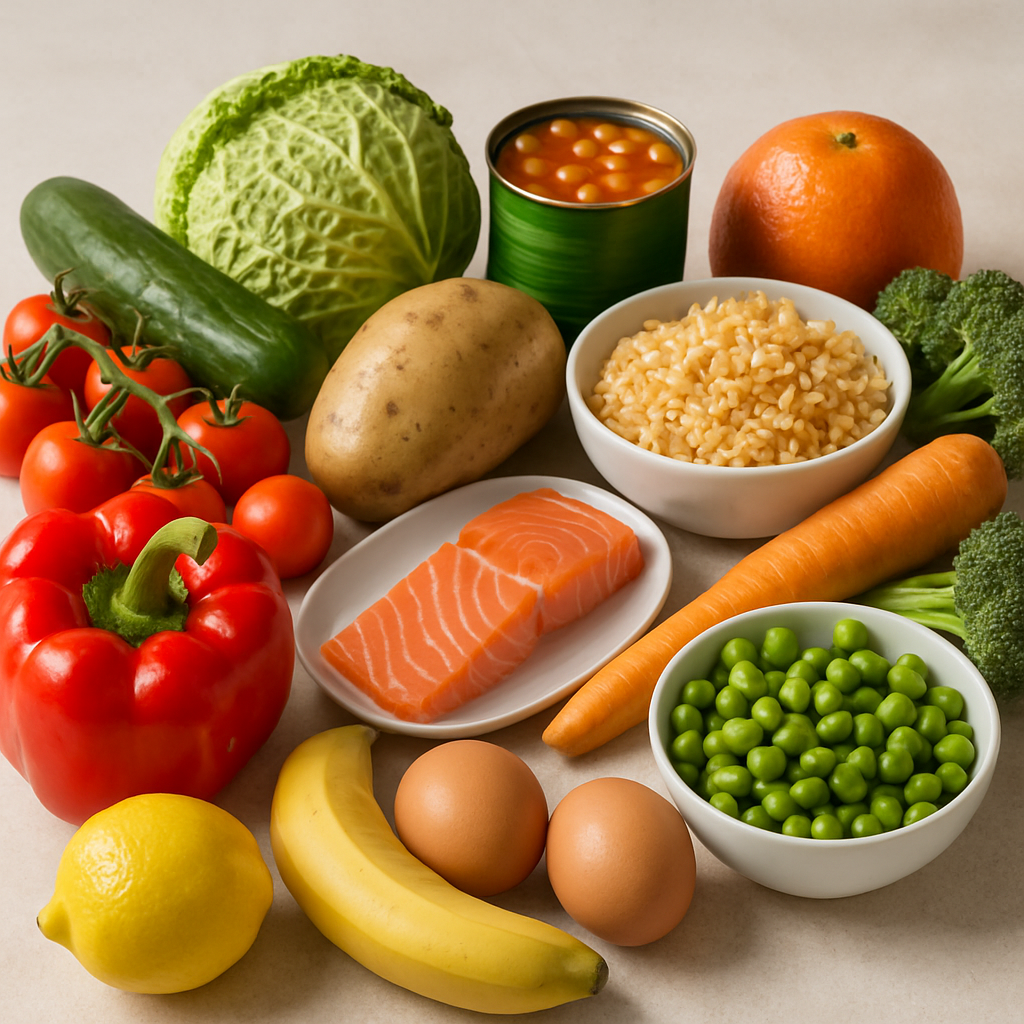
How to cut the cost of your food bill without compromising on quality
Eating well on a budget is more achievable than you think. Smart shopping and simple swaps can cut costs without sacrificing nutrition.
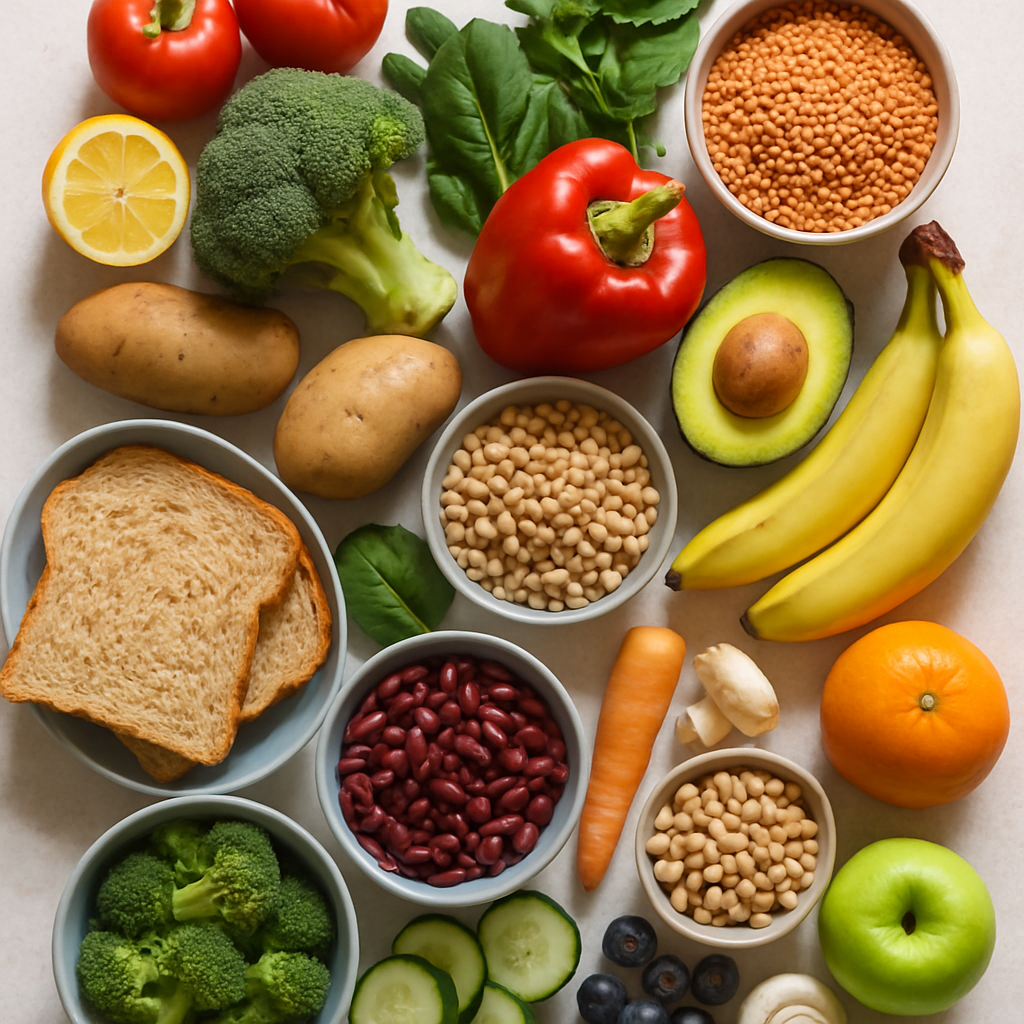
How to eat fresh food for less than junk food
Fresh food can actually cost less than junk food — a bag of lentils or box of oats often beats crisps per meal. It's about knowing where the value is.
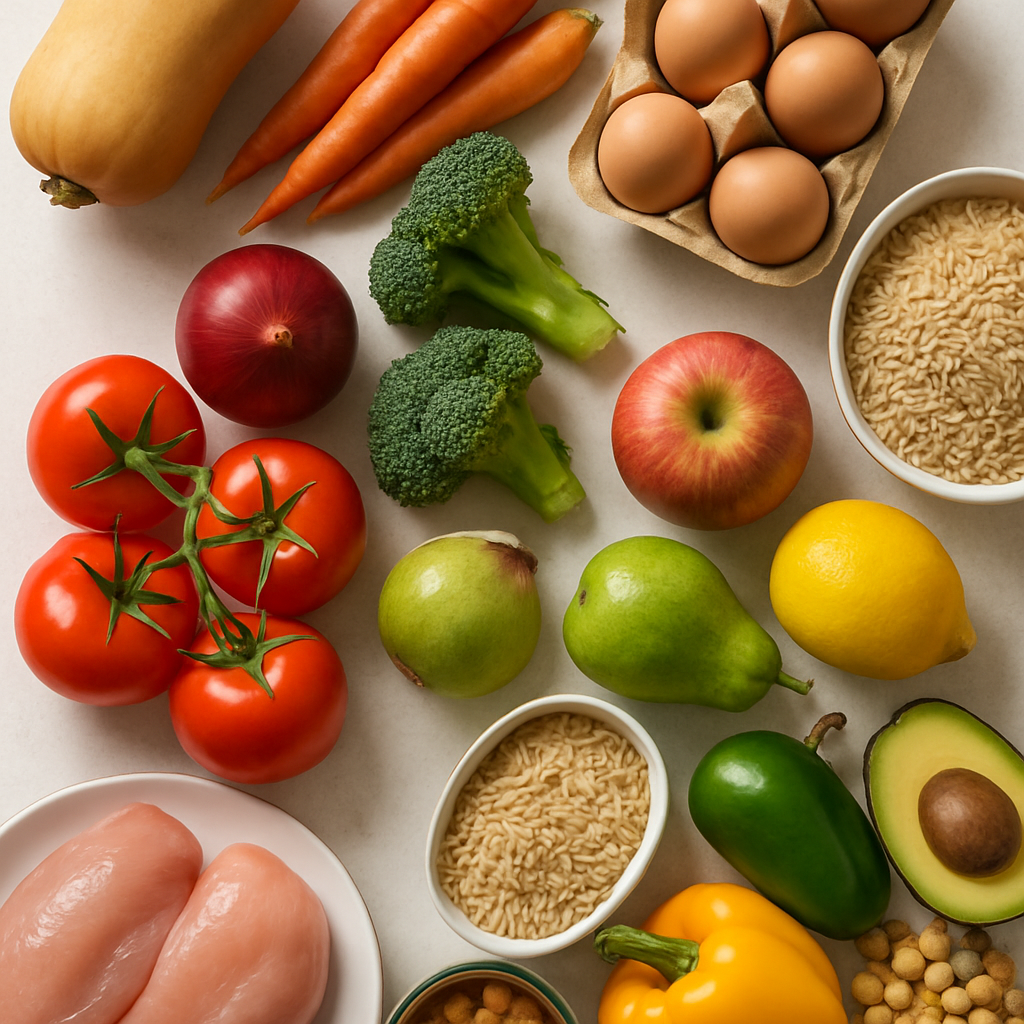
How to cut the cost of your food bill without compromising on quality
Smart shopping and simple planning can slash your food bill without sacrificing nutrition. Discover practical tips to eat well for less.
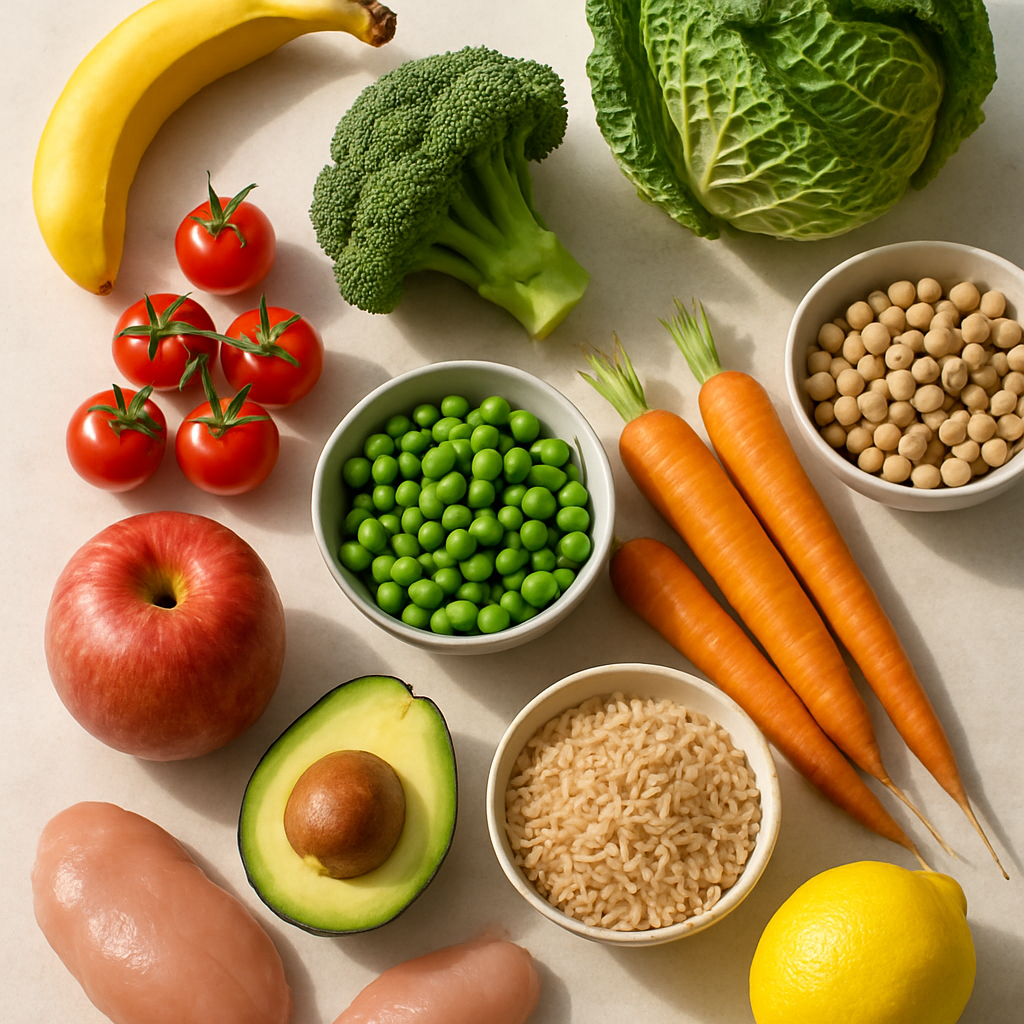
How to eat fresh food for less than junk food
Fresh food doesn't have to cost more than junk food. With a little planning, homemade meals like lentil soup or chickpea curry can cost far less than a meal dea
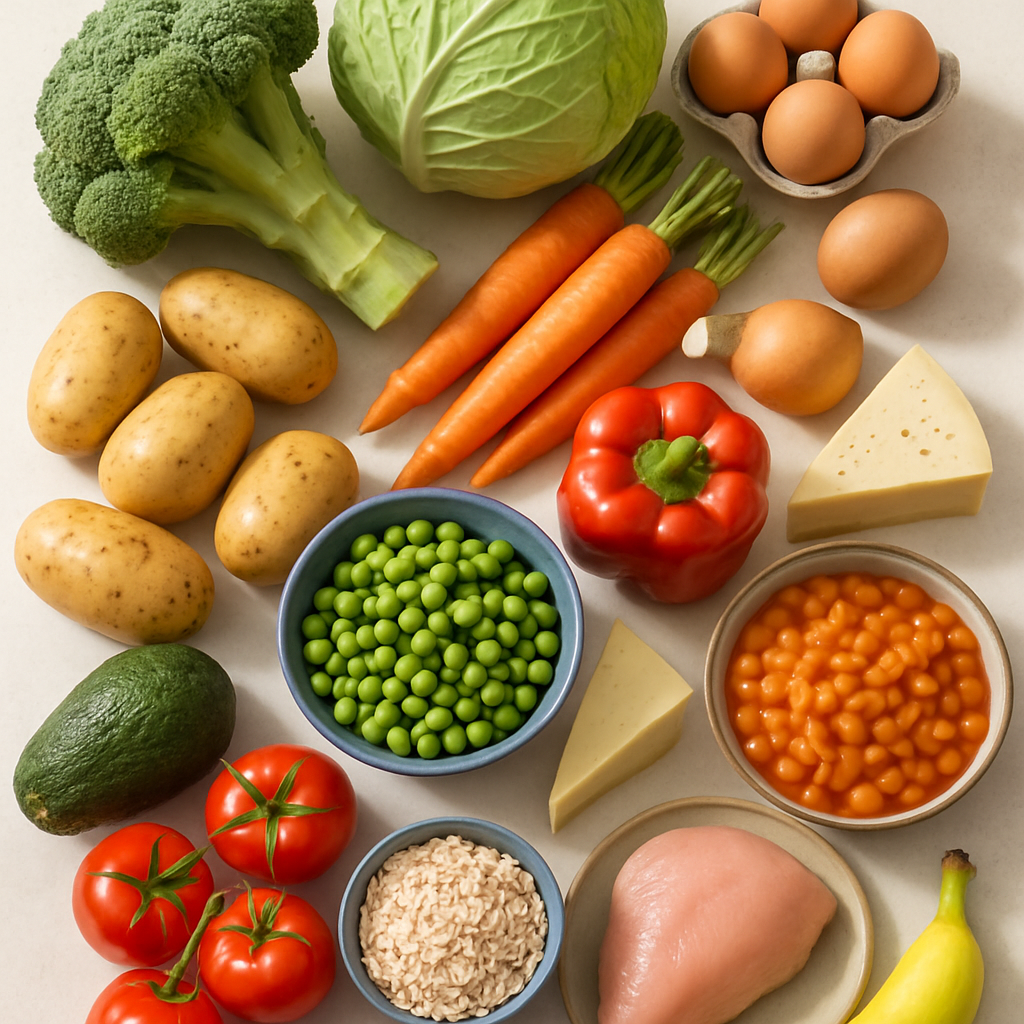
How to cut the cost of your food bill without compromising on quality
Eating well doesn't have to break the bank. With the right strategies, you can keep quality high while spending less on your weekly shop.
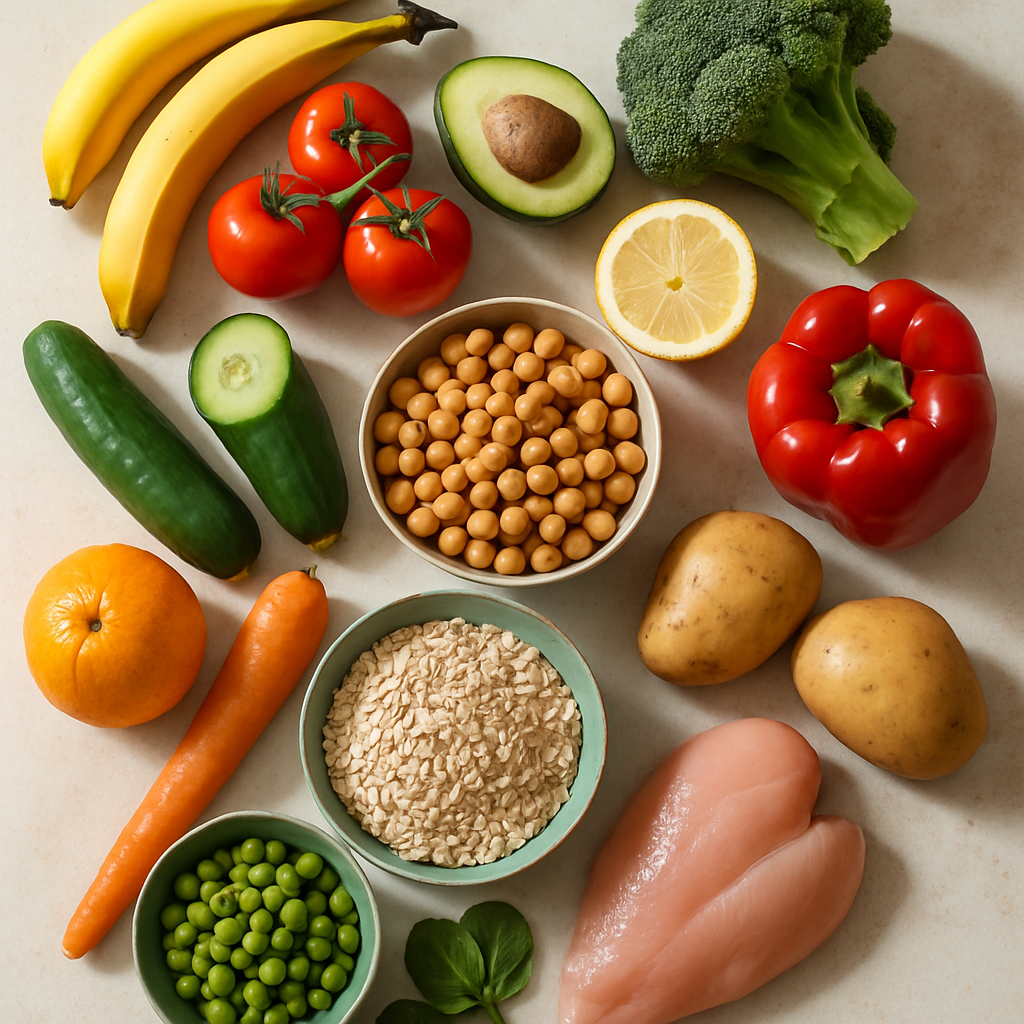
How to eat fresh food for less than junk food
Fresh food can actually cost less than junk food when you break it down per meal. Knowing what to buy and how to cook it makes all the difference.
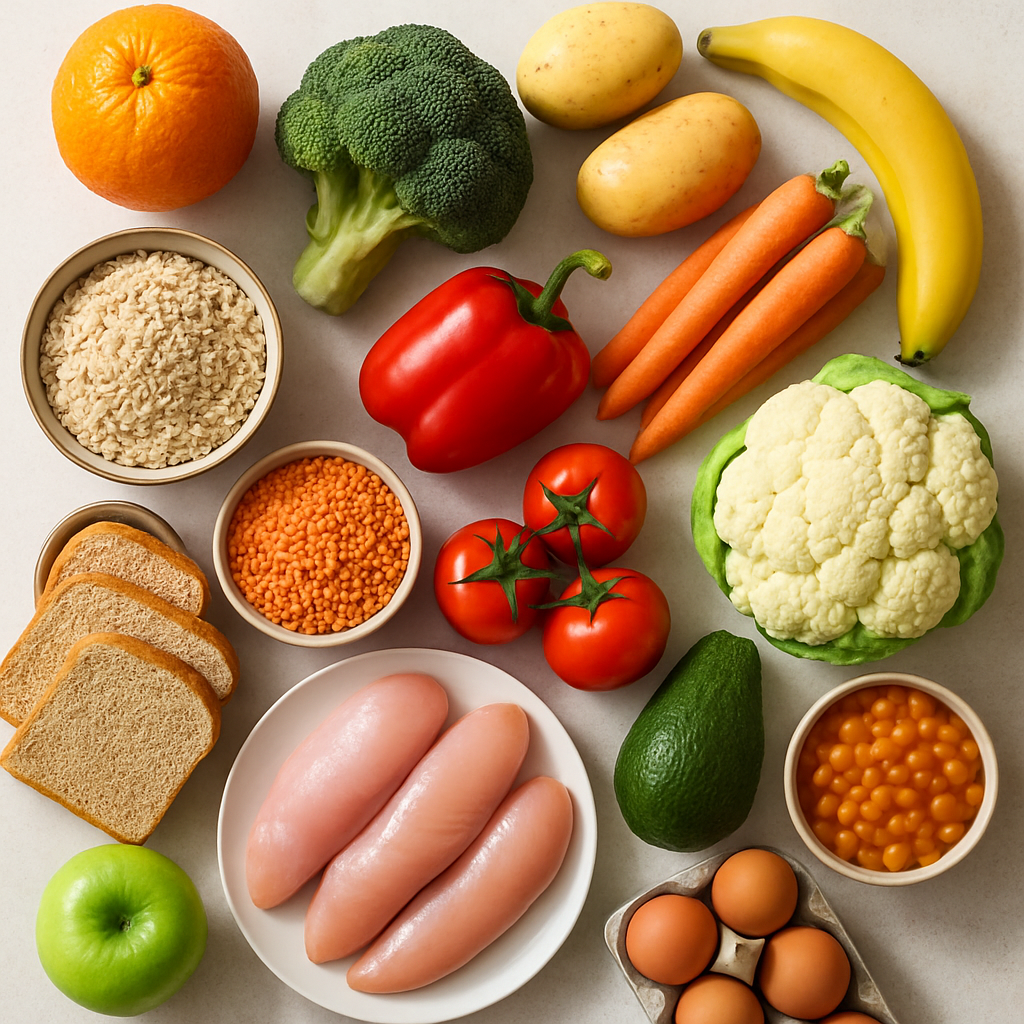
How to cut the cost of your food bill without compromising on quality
Eating well on a budget isn't about buying the cheapest options — it's about being strategic. Nutritious staples like pulses, eggs, and frozen veg are often the
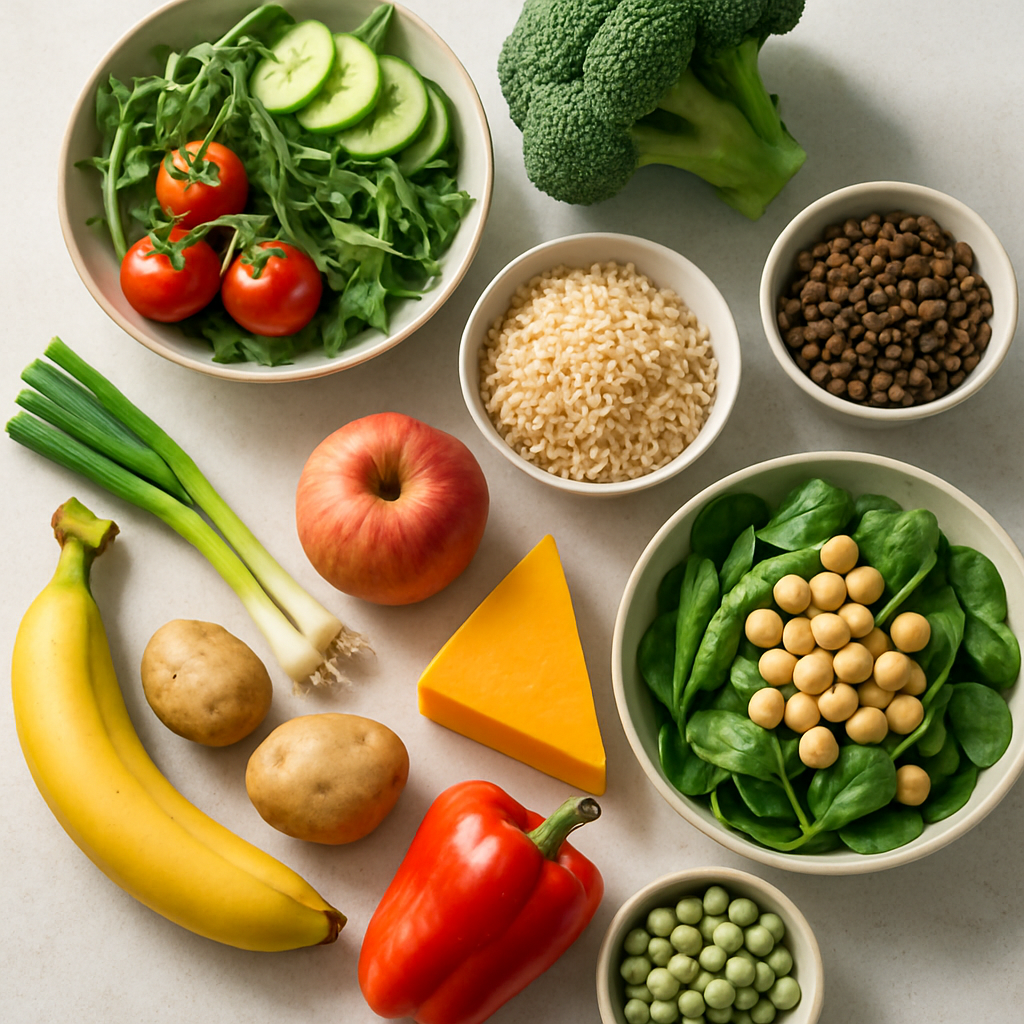
How to eat fresh food for less than junk food
Fresh food doesn't have to cost more than crisps or fast food. With the right approach, eating well can actually save you money.
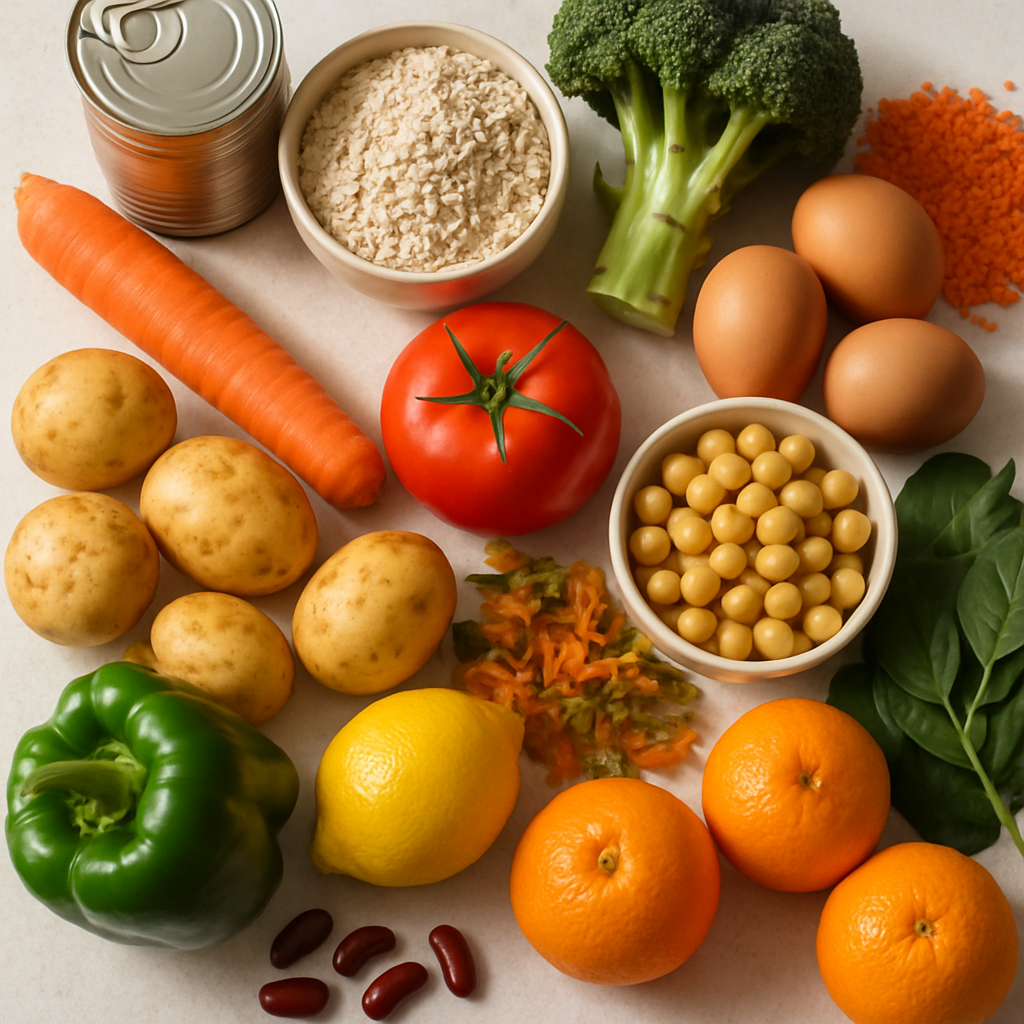
How to cut the cost of your food bill without compromising on quality
Eat well for less with smart shopping strategies. Rising UK food prices don't mean compromising quality — it's all about approach.
How to eat fresh food for less than junk food
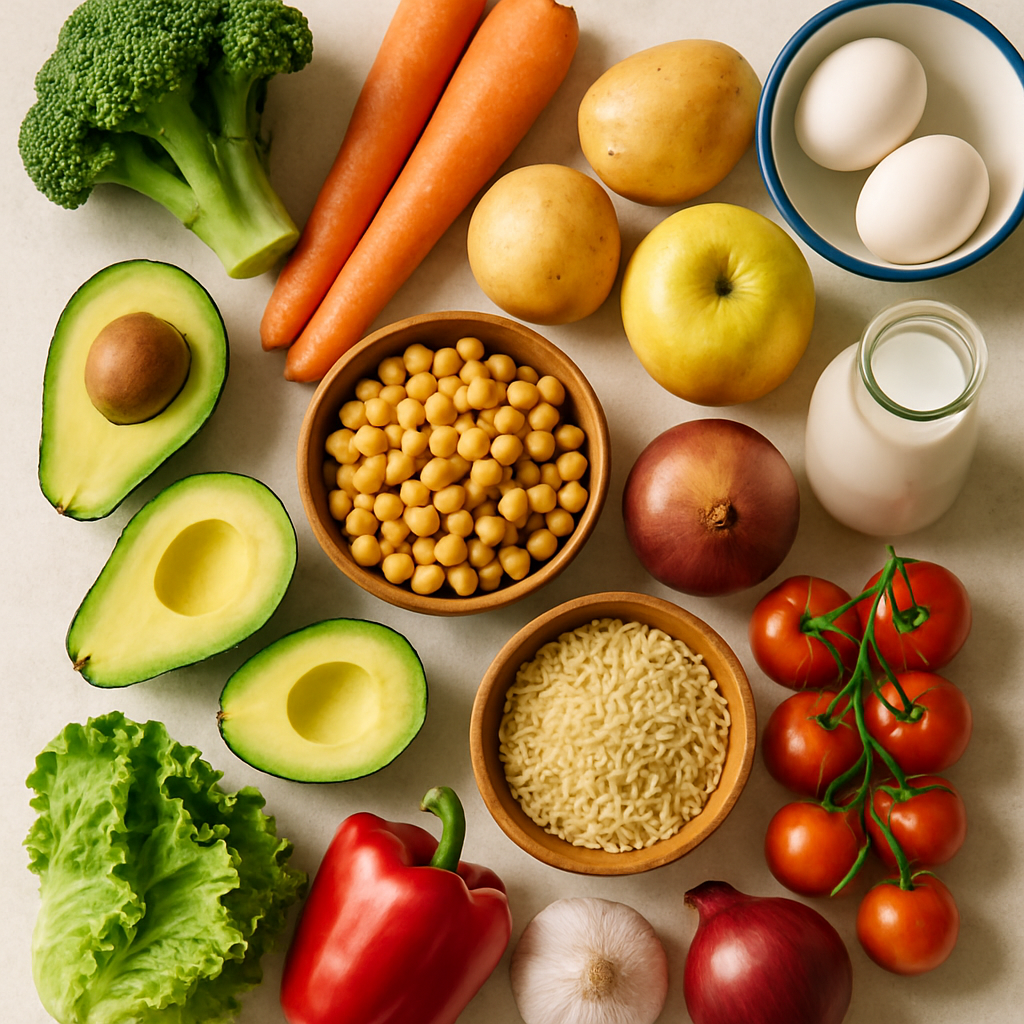
Fresh food isn't actually more expensive — you're just comparing it wrong. A bag of lentils makes four meals for £1.50; a fast food combo costs £7+ for one.
How to cut the cost of your food bill without compromising on quality
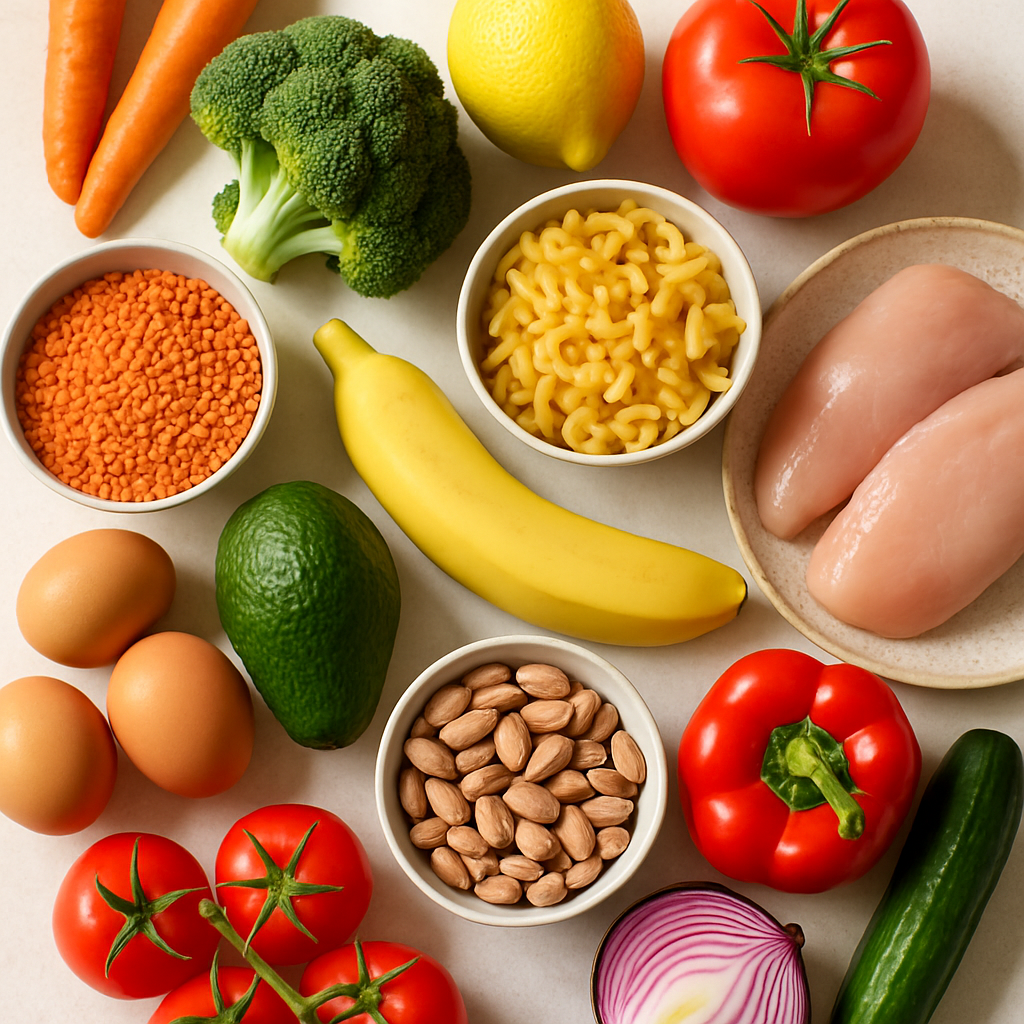
Eating well doesn't have to be expensive. Smart planning and cutting waste can slash your food bill without sacrificing quality.
How to eat fresh food for less than junk food
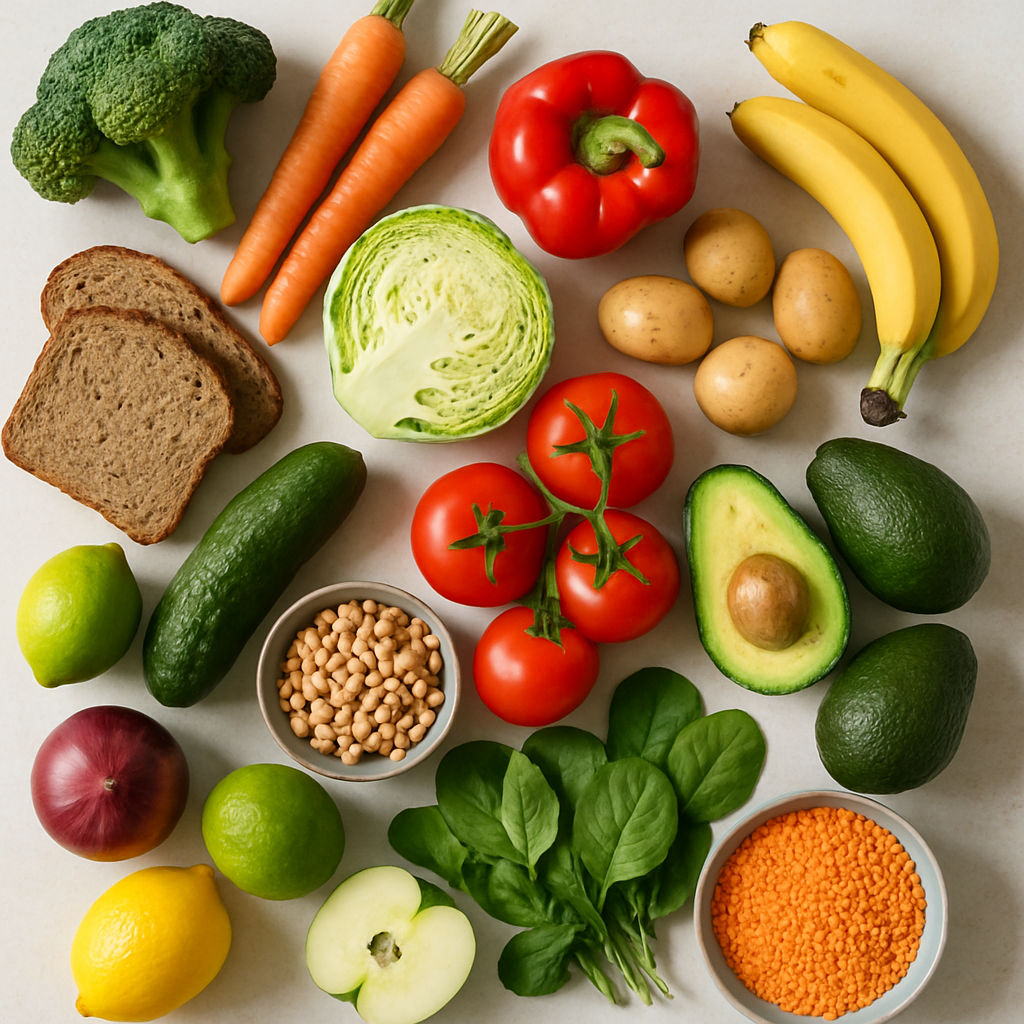
Fresh food doesn't have to break the bank. With smart shopping and simple planning, nutritious meals can cost the same—or less—than processed options.
How to cut the cost of your food bill without compromising on quality
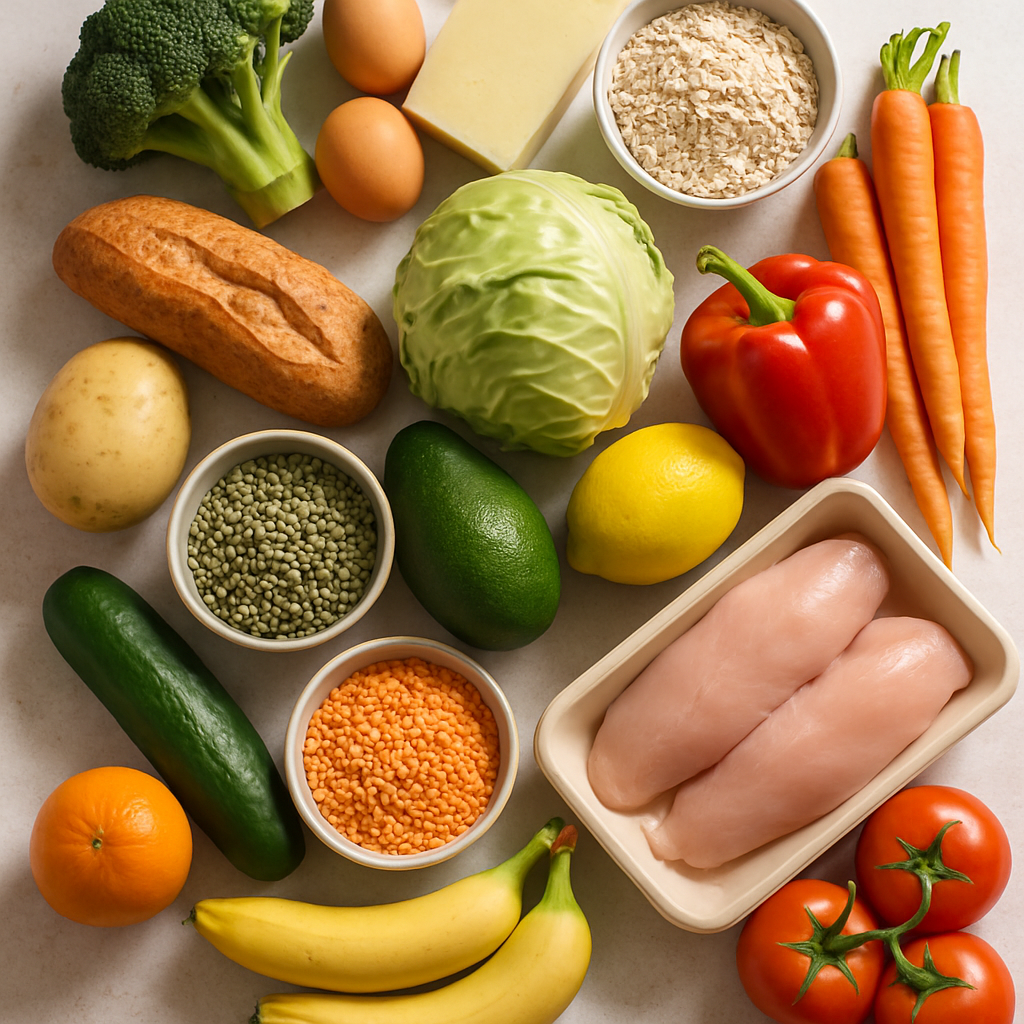
Eating well on a budget is easier than you think. Small habit changes can cut costs without sacrificing nutrition.
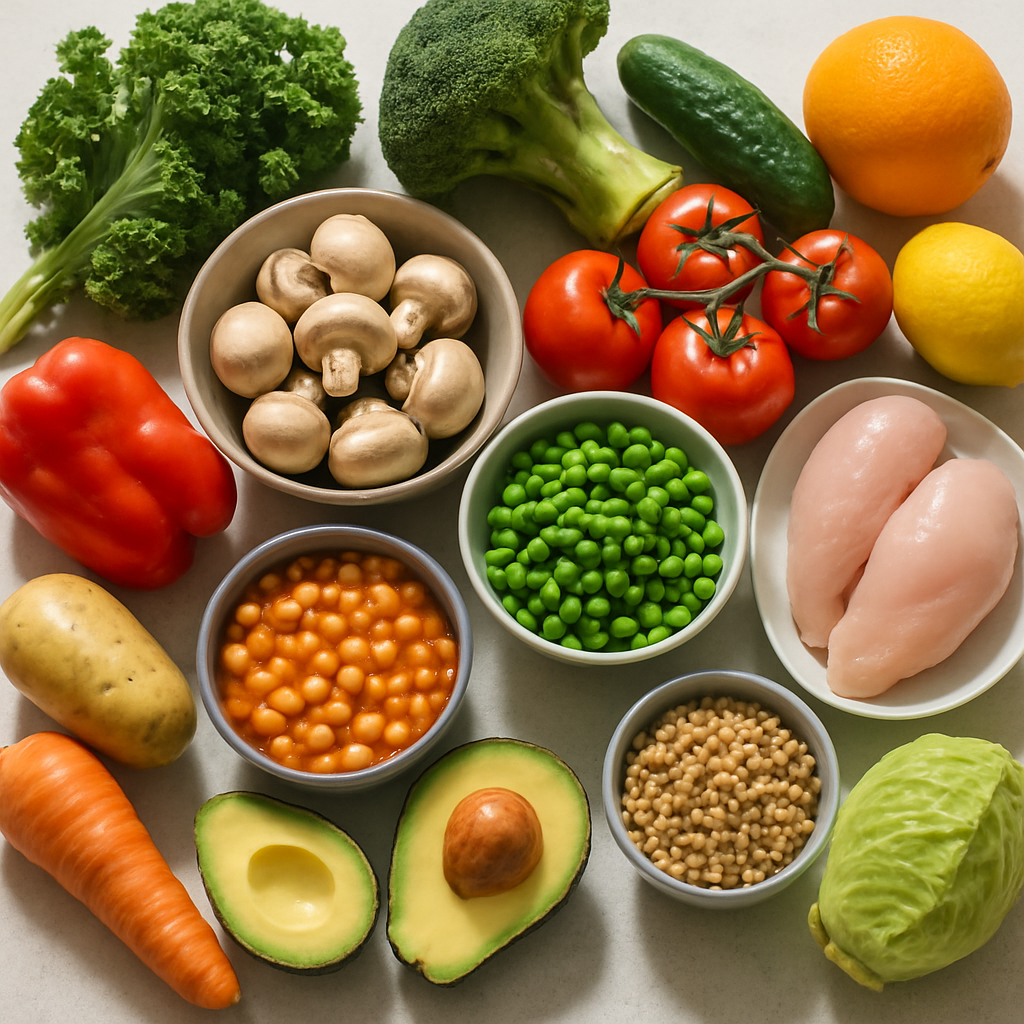
How to eat fresh food for less than junk food
Fresh food doesn't have to break the bank. Some of the most nutritious foods are also the cheapest, and the gap between healthy and affordable eating is smaller
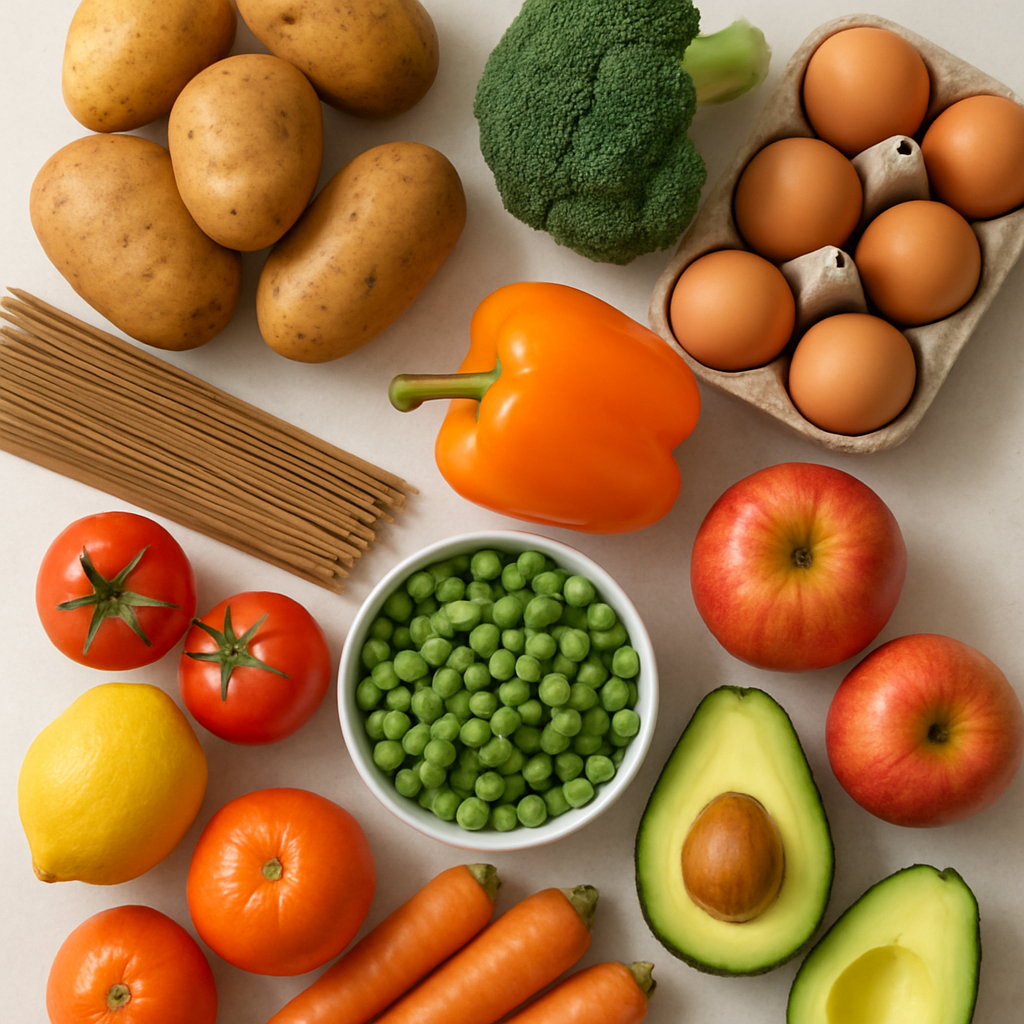
How to cut the cost of your food bill without compromising on quality
Eating well on a tighter budget is more about knowing which levers to pull. Some of the most nutritious foods are also the cheapest.
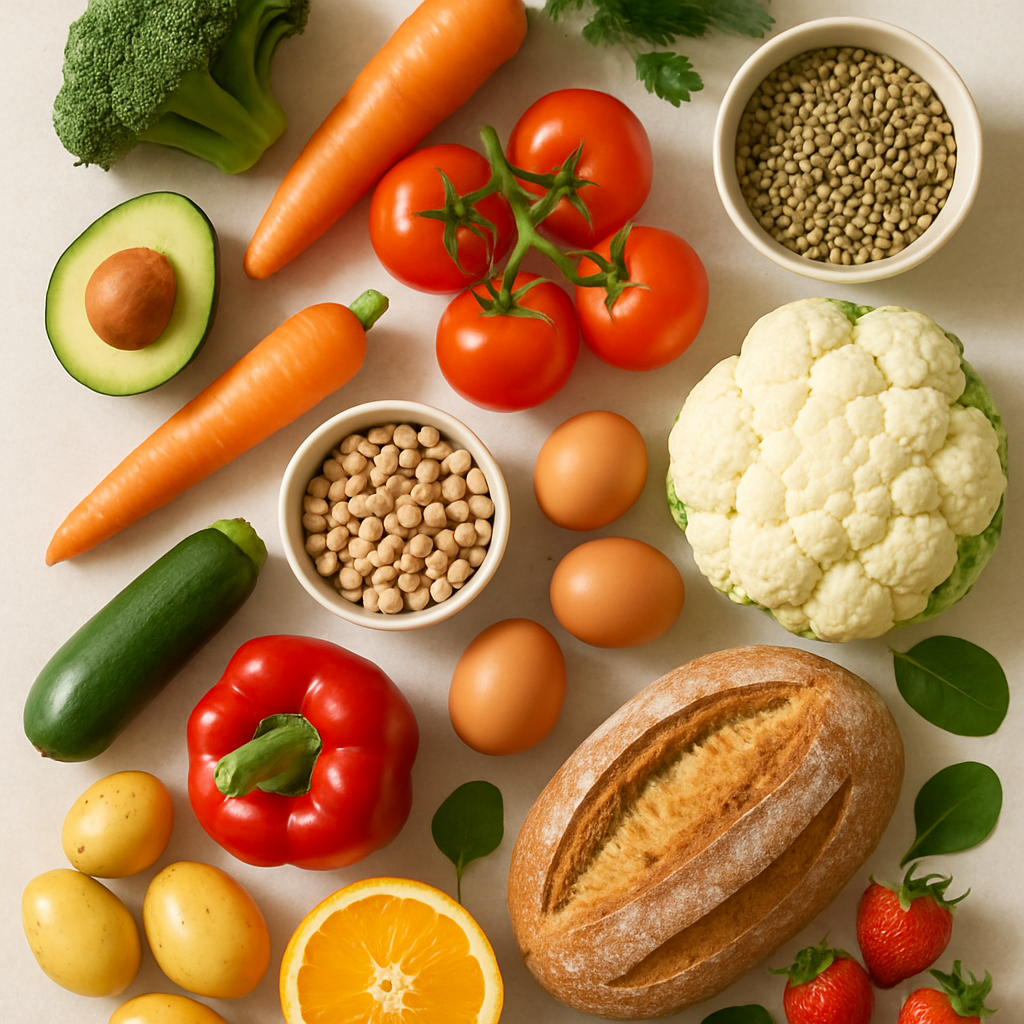
How to eat fresh food for less than junk food
Fresh food doesn't have to break the bank. Lentils, frozen veg, and eggs cost less than a meal deal — and keep you fuller.
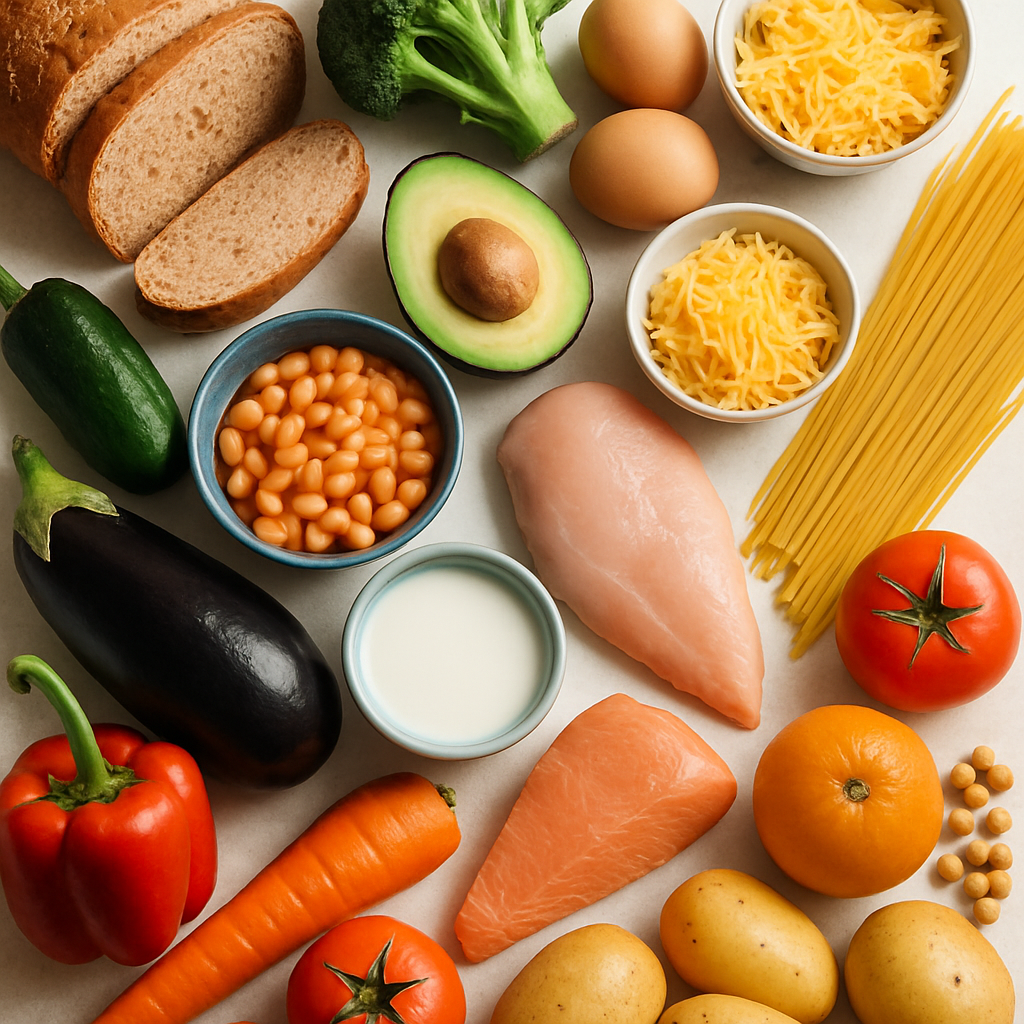
How to cut the cost of your food bill without compromising on quality
Eating well doesn't have to break the bank. The real budget killer? Food waste — UK households bin around £60 of food monthly.
How to eat fresh food for less than junk food
Fresh food doesn't have to cost more than junk food. With the right know-how, nutritious meals can beat crisps and frozen pizza on price.
How to cut the cost of your food bill without compromising on quality
Eating well doesn't have to break the bank. Discover simple strategies to reduce your food bill while still enjoying nutritious, satisfying meals.
How to eat fresh food for less than junk food
Fresh food can cost less than junk food when you know what to buy. Lentils, eggs, and seasonal veg often beat processed snacks on price per meal.
How to cut the cost of your food bill without compromising on quality
Eating well doesn't have to be expensive. With smart strategies, nutritious food can be affordable—and most overspending ends up in the bin, not at the checkout
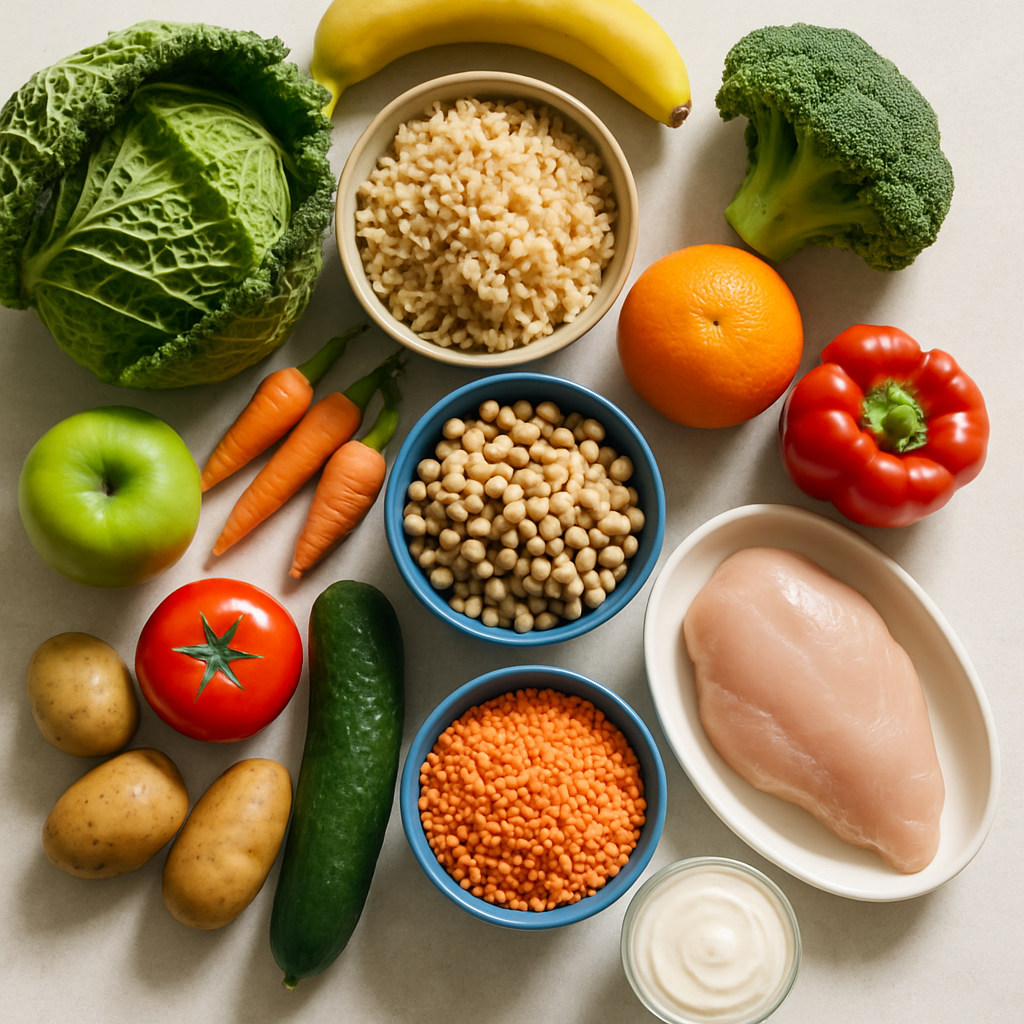
How to eat fresh food for less than junk food
Fresh food doesn't have to cost more than junk. With the right ingredients, a filling meal of lentils and rice can cost less than a bag of crisps.
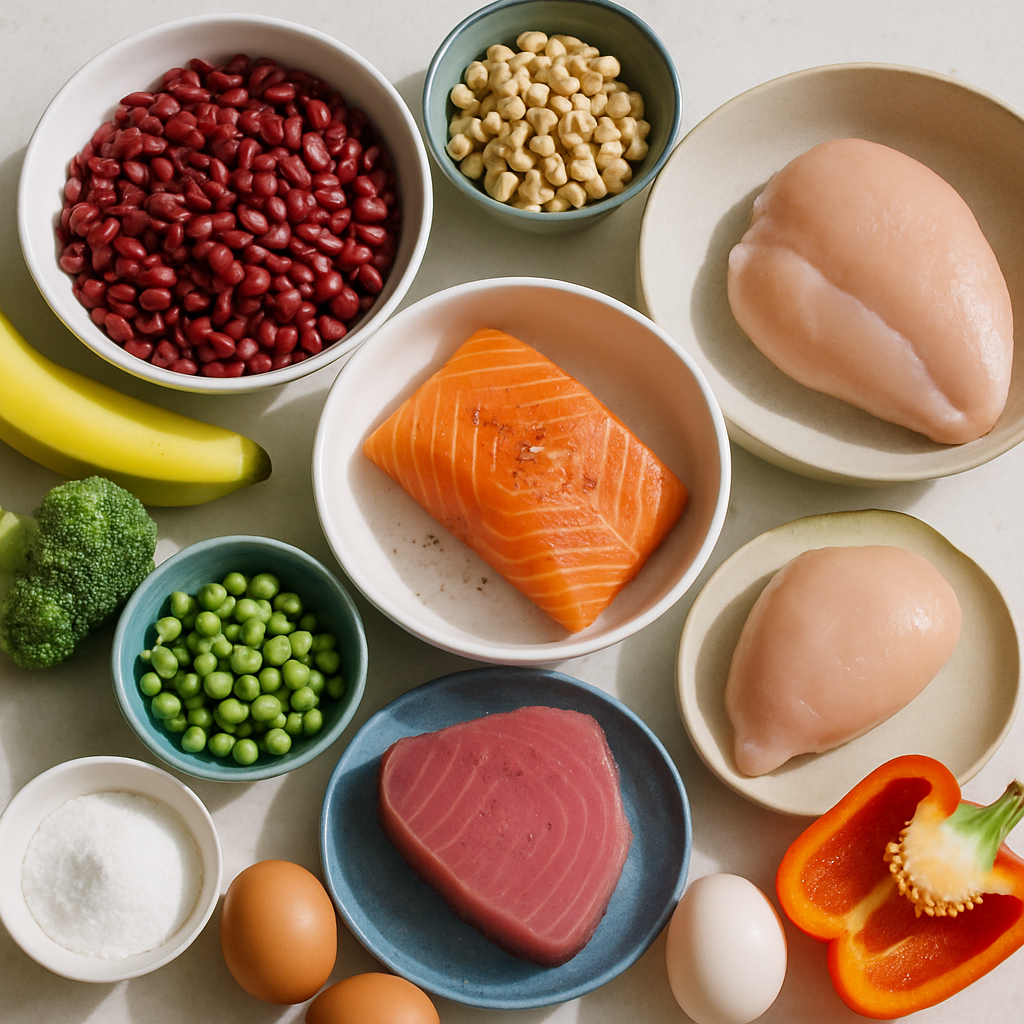
Creatine: What the Evidence Actually Says and Who Might Benefit
Creatine isn't just for bodybuilders. Here's what the research actually says about who benefits—and why it might matter more than you think.
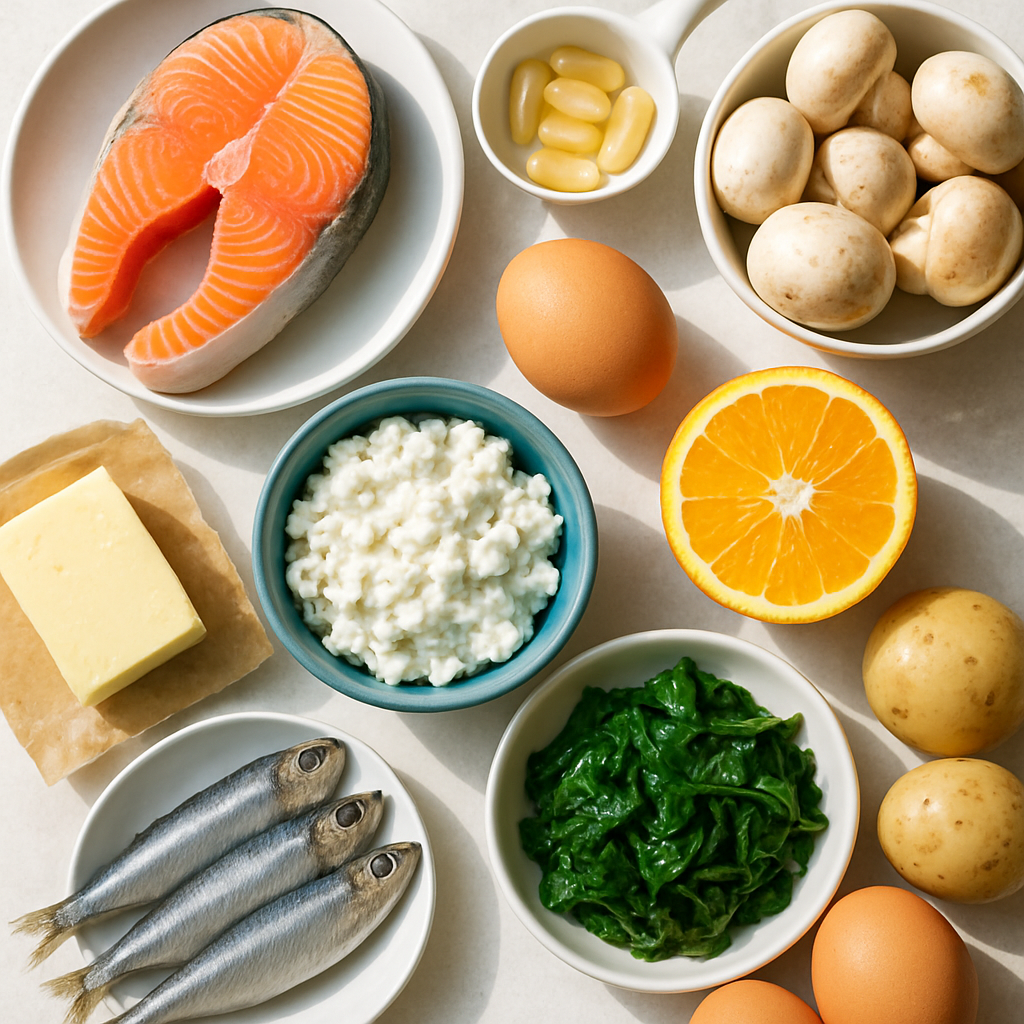
Vitamin D in the UK: Why Deficiency Is So Common and What to Do About It
Most UK residents are low in vitamin D without knowing it. From October to March, sunlight is too weak to trigger production—no matter how long you spend outsid
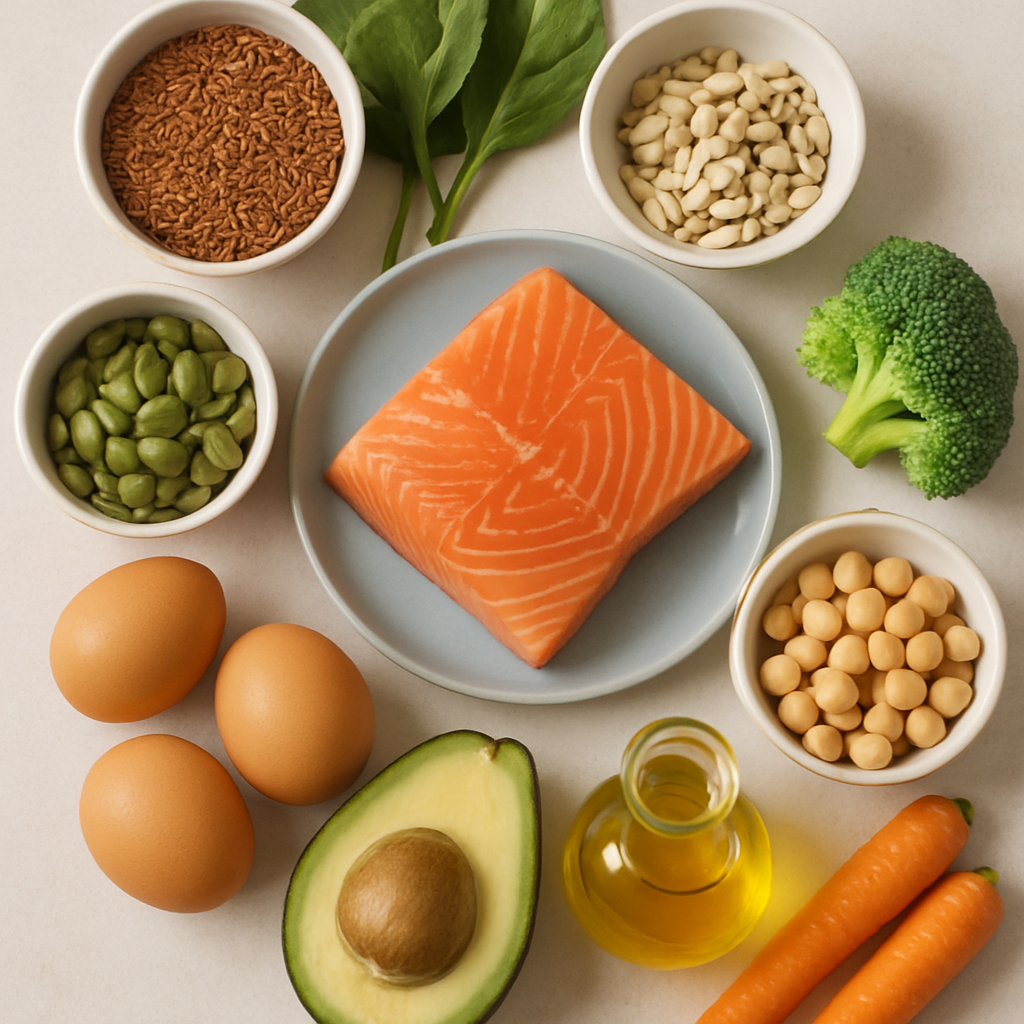
The Role of Omega-3 in Recovery and Why Most People Don't Get Enough
Struggling with lingering soreness? Omega-3 fatty acids help regulate inflammation and speed recovery — but most UK people aren't getting enough.
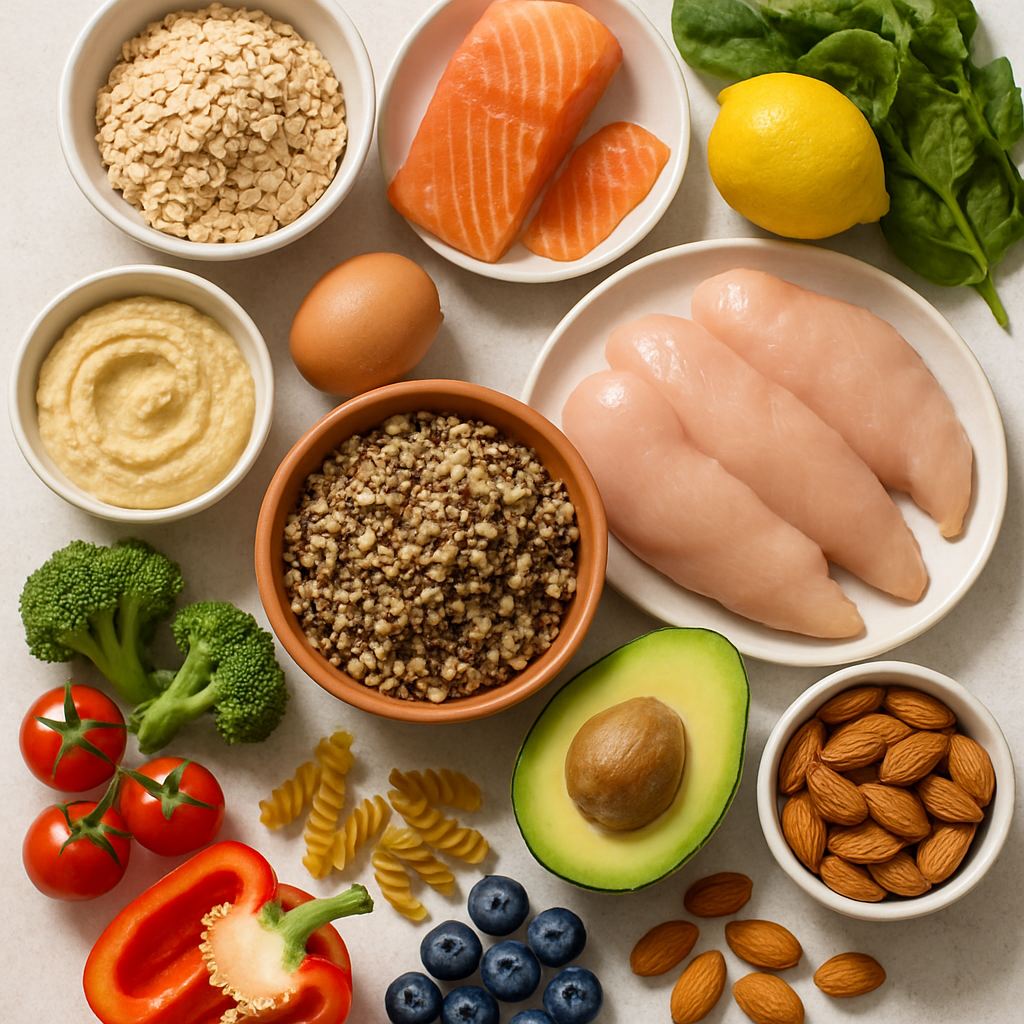
How to Adjust Your Macros When Your Activity Level Changes
When your activity level changes, your macros should too. Learn how to adjust protein, carbs, and fat without starting from scratch.
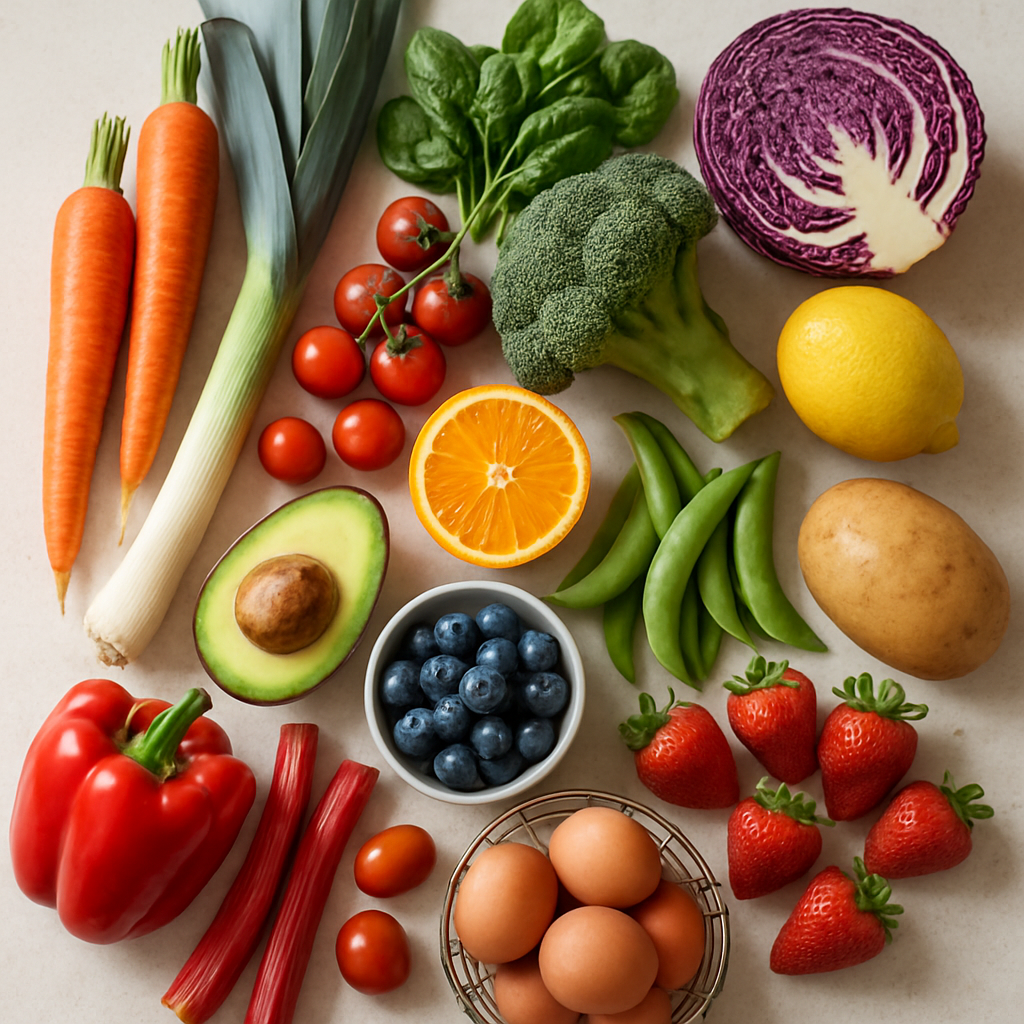
What Does Eating Seasonally Actually Do for Your Nutrition?
Seasonal eating isn't just aesthetic — it can genuinely boost nutrition. Locally grown produce loses fewer vitamins before reaching your plate.
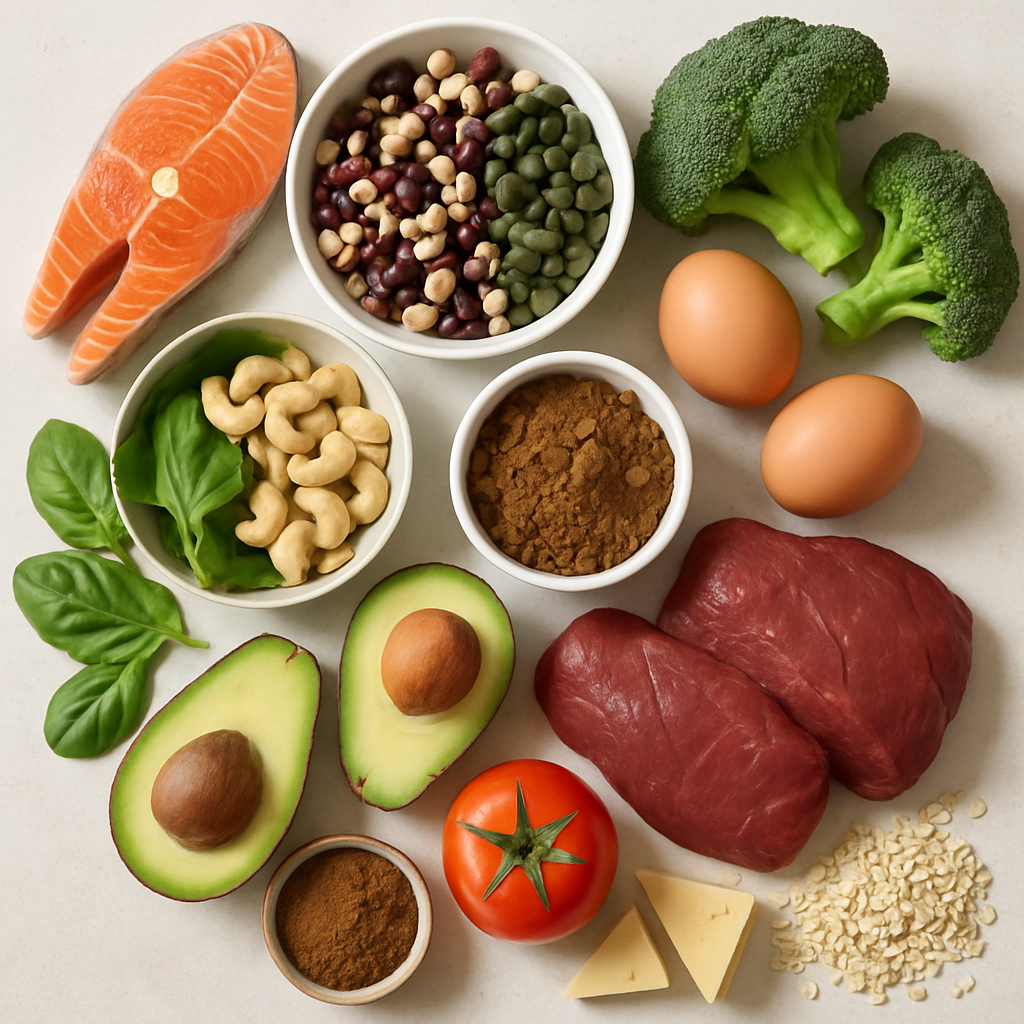
Zinc, Magnesium, and Iron: The Minerals Most UK Adults Are Missing
Zinc, magnesium & iron are minerals many UK adults lack—yet they affect energy, sleep & immunity. Here's what you need to know.
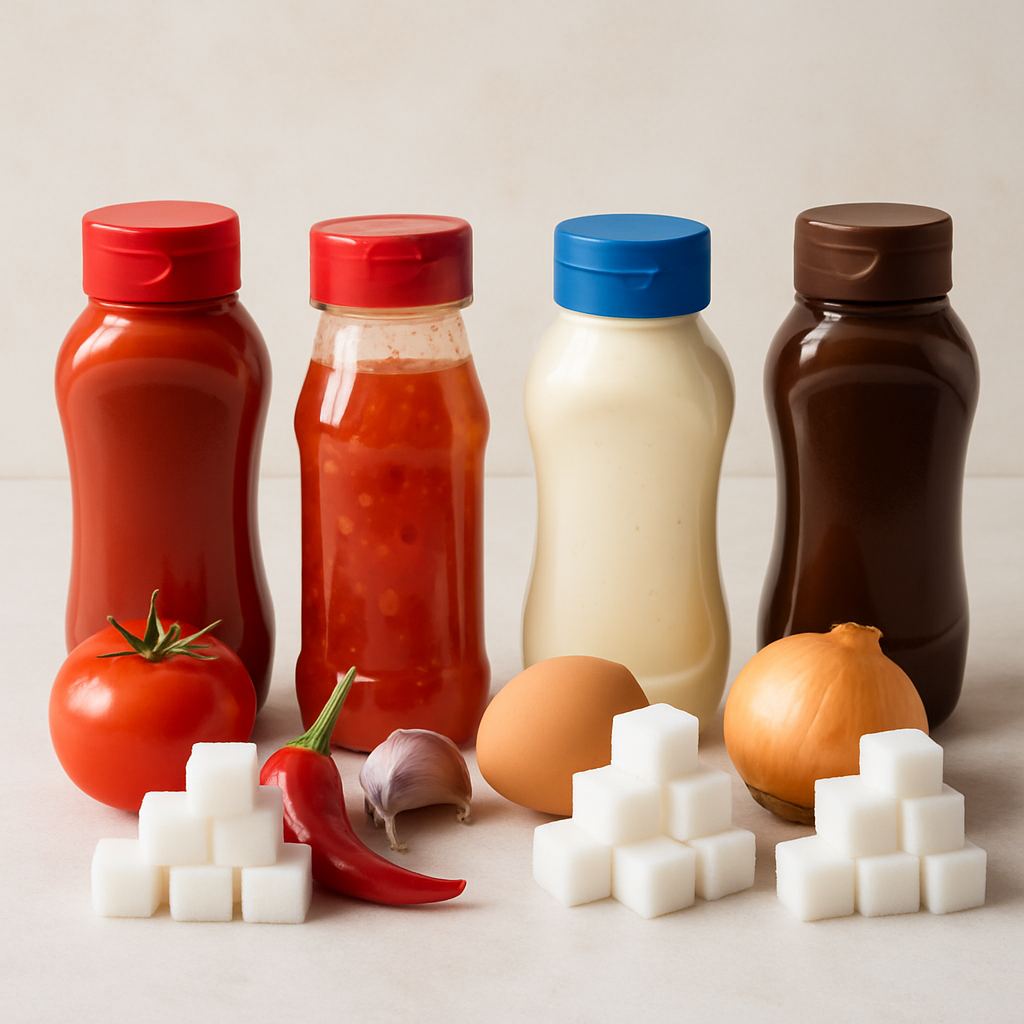
How Much Sugar Is Actually in Your Favourite UK Supermarket Sauces?
Your pasta sauce might be hiding more sugar than you think. We checked the labels on popular UK supermarket sauces — the results may surprise you.
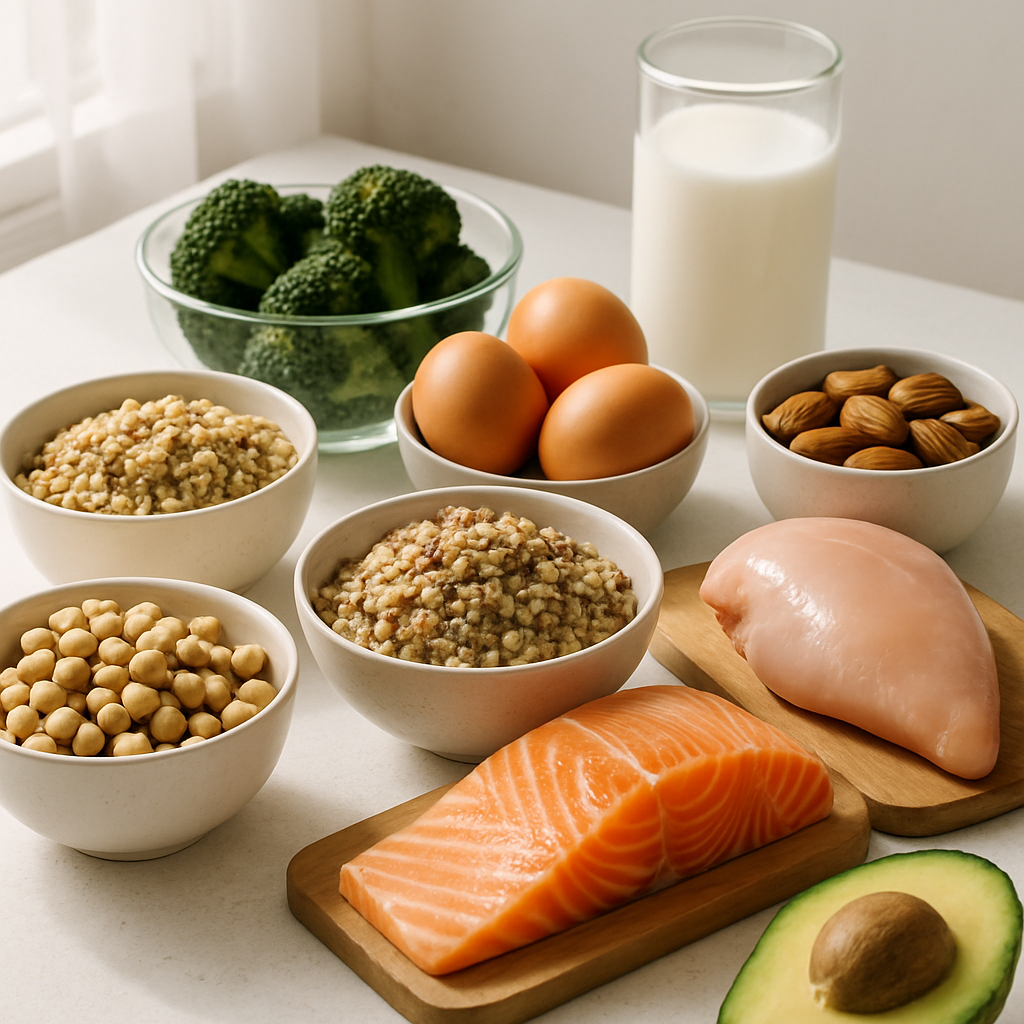
How Much Protein Do You Actually Need?
Protein needs are more nuanced than gym culture suggests. Most active adults need 1.2–2.0g per kg of body weight — far above UK government minimums.
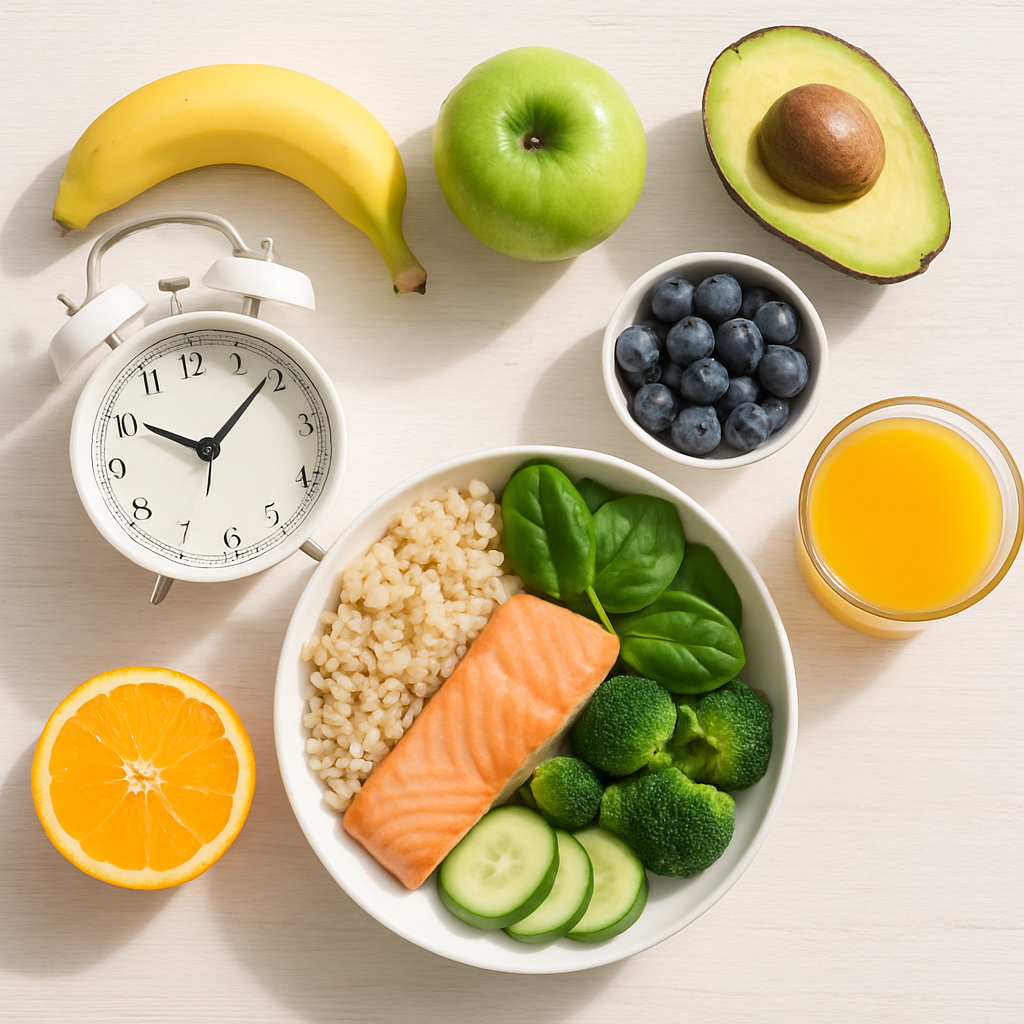
What Happens to Your Body When You Eat at Regular Times Each Day
Eating at regular times syncs your meals with your body's internal clock, boosting digestion and energy. Timing may matter as much as what you eat.
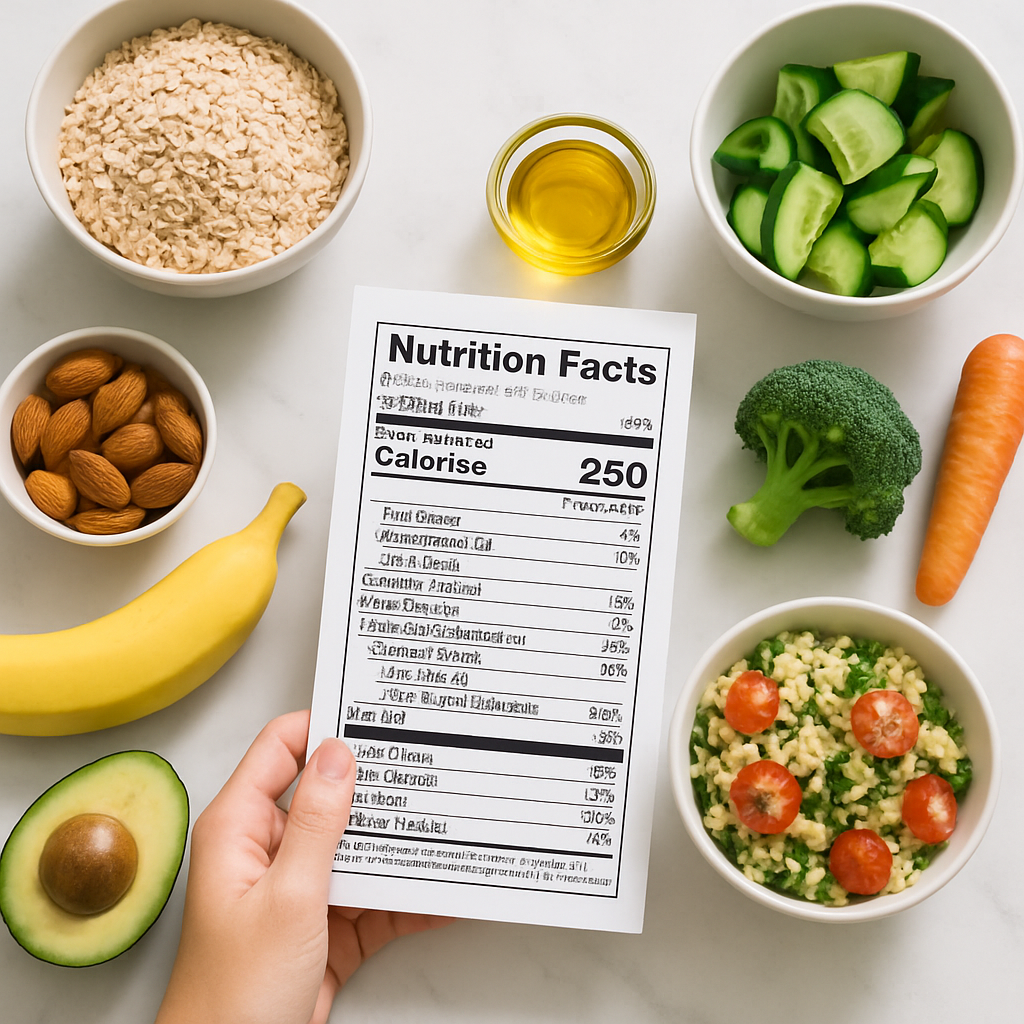
How to Read a Nutrition Label Without Getting Confused
Nutrition labels don't have to be confusing. Once you know what to focus on, reading one takes just ten seconds.
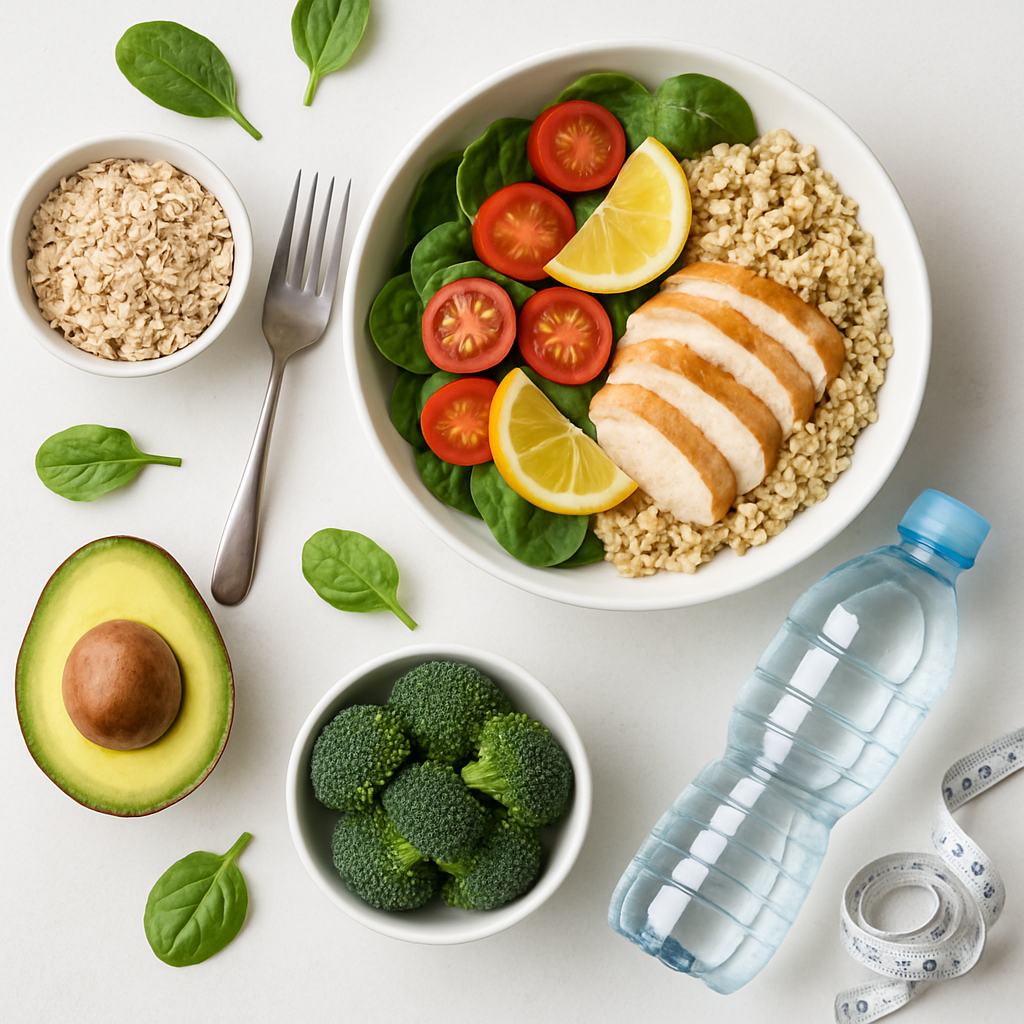
Calorie Deficit Explained: What It Actually Means for Your Body
Calorie deficit means eating less than your body burns daily. When this happens, your body taps into fat stores for energy, leading to fat loss.
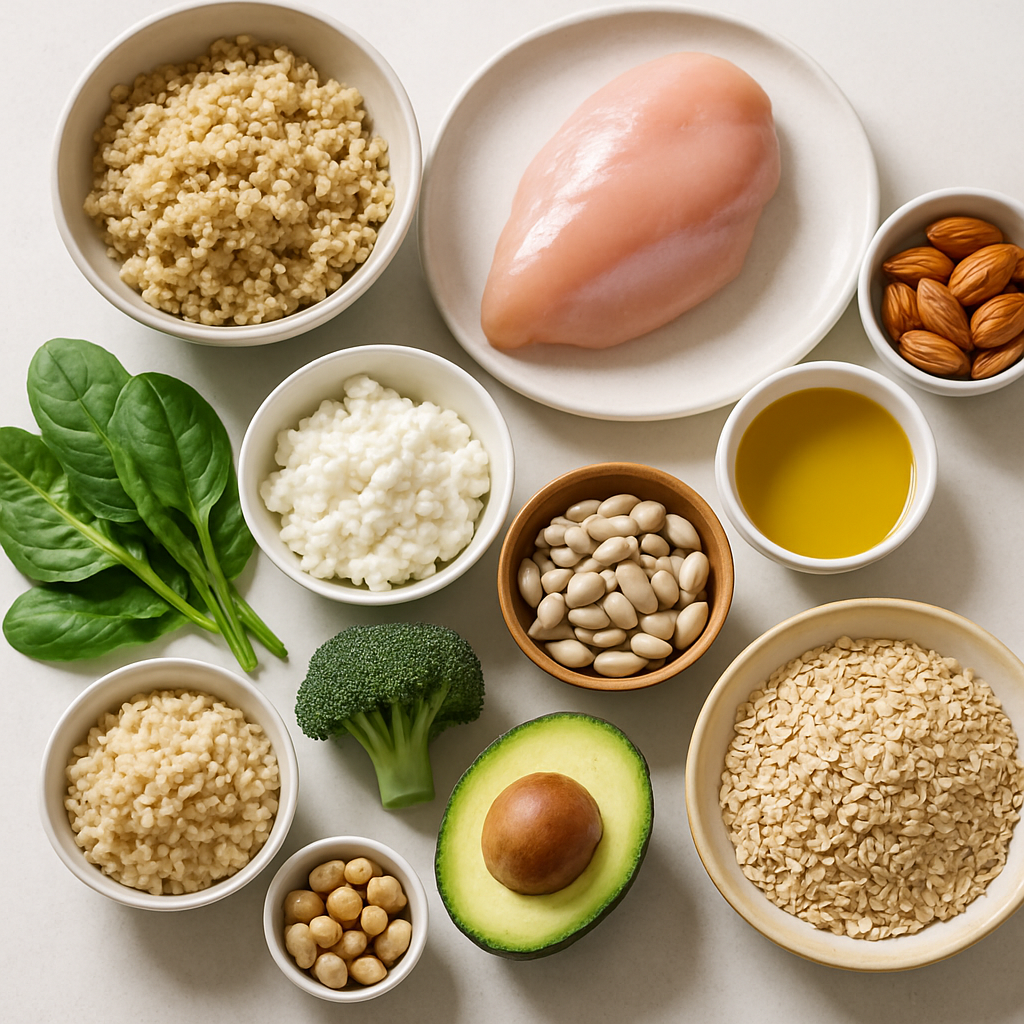
What Are Macros and Why Do They Matter?
Macros — protein, carbs, and fat — are the three nutrients that fuel your body. Understanding them makes food choices clearer.
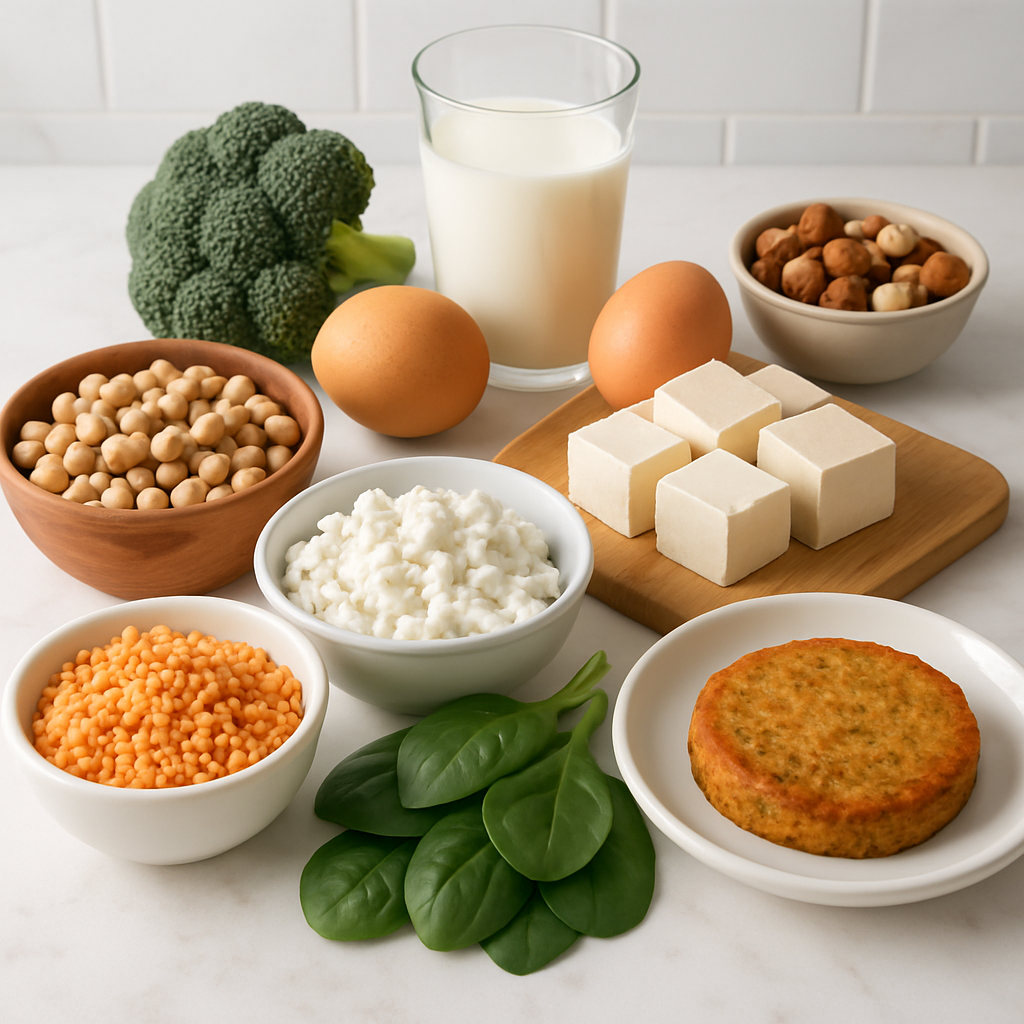
How to Hit Your Protein Targets as a Vegetarian in the UK
Hitting protein targets as a vegetarian is easier than you'd think. From eggs to lentils, the right food choices make it simple.
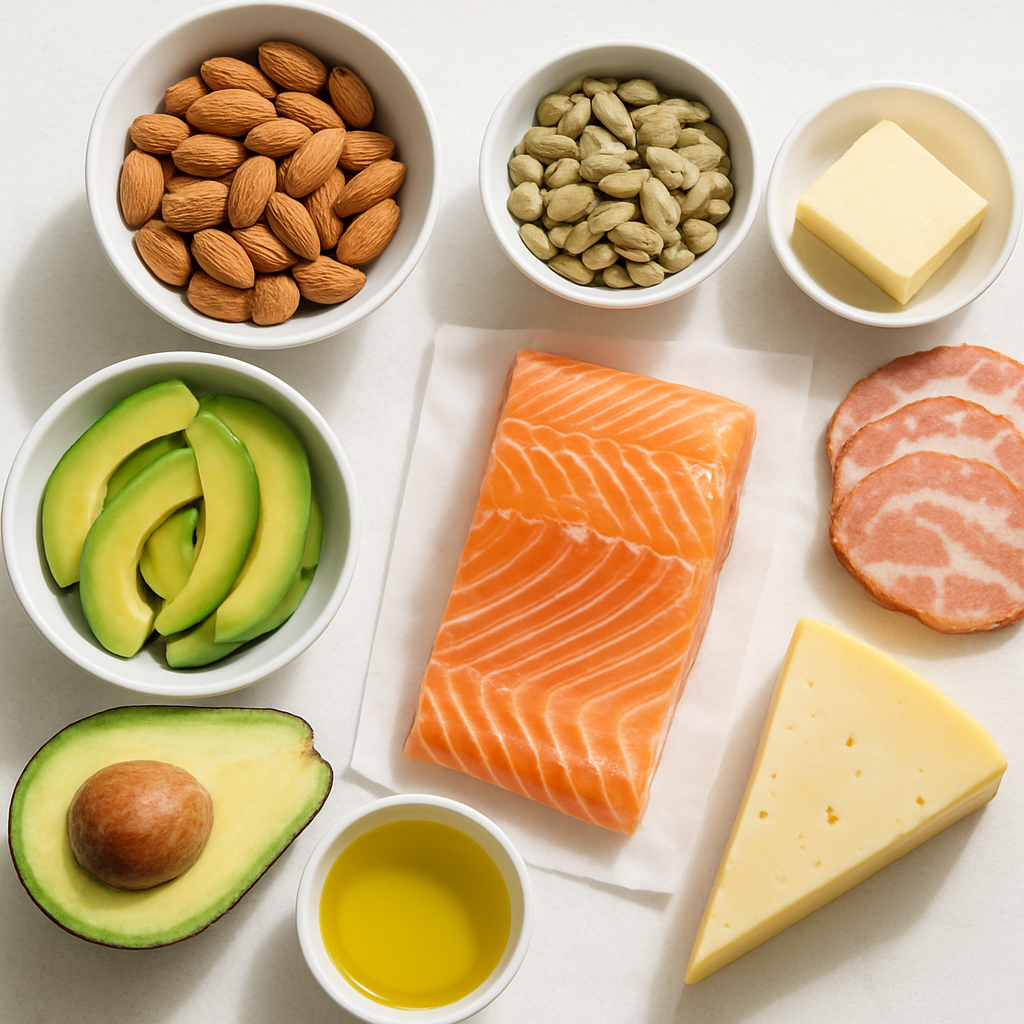
Healthy Fats Explained: What to Eat and What to Limit
Not all fats are equal. Your body needs fat to absorb vitamins, support brain function, and regulate hormones. Learn which types to eat more of.
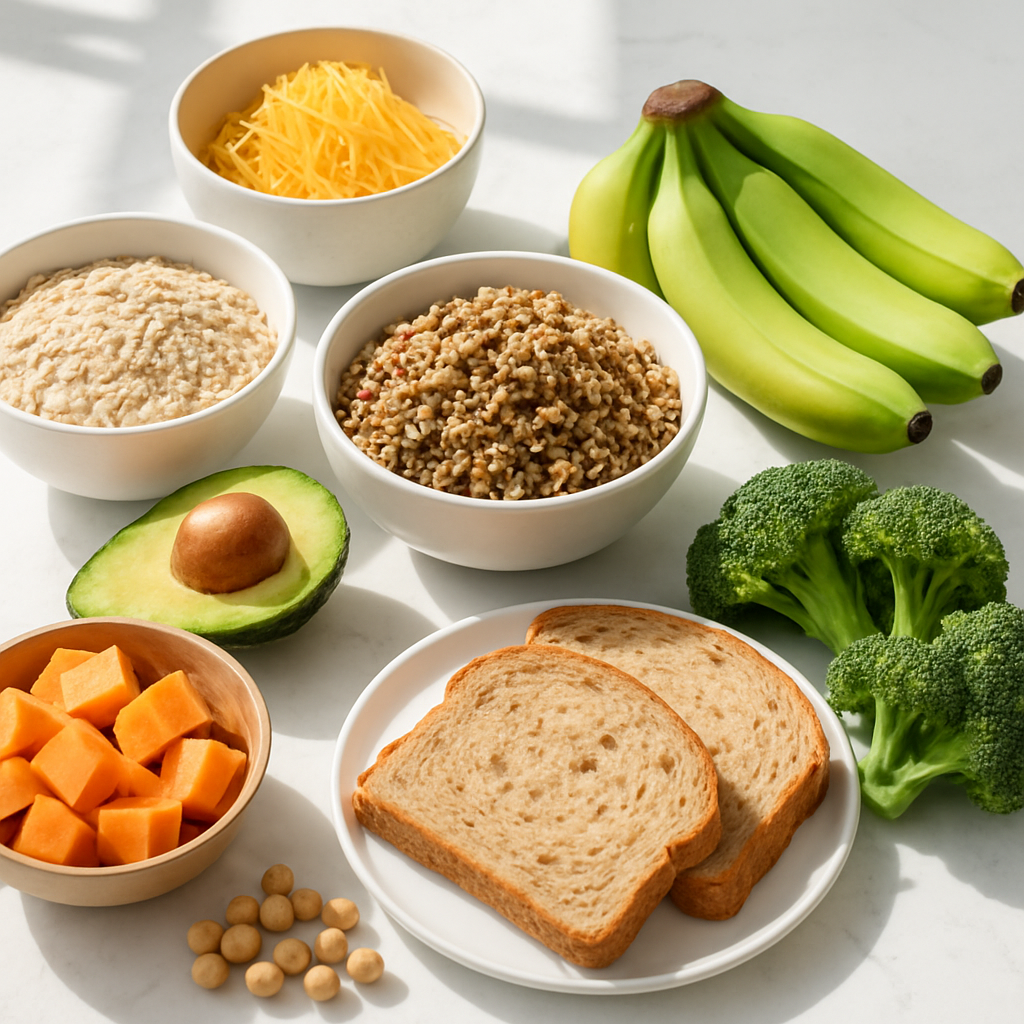
The Truth About Carbohydrates: Why You Probably Shouldn't Cut Them Out
Carbs fuel your brain, boost mood, and power exercise. Before cutting them out, here's what the science actually says.
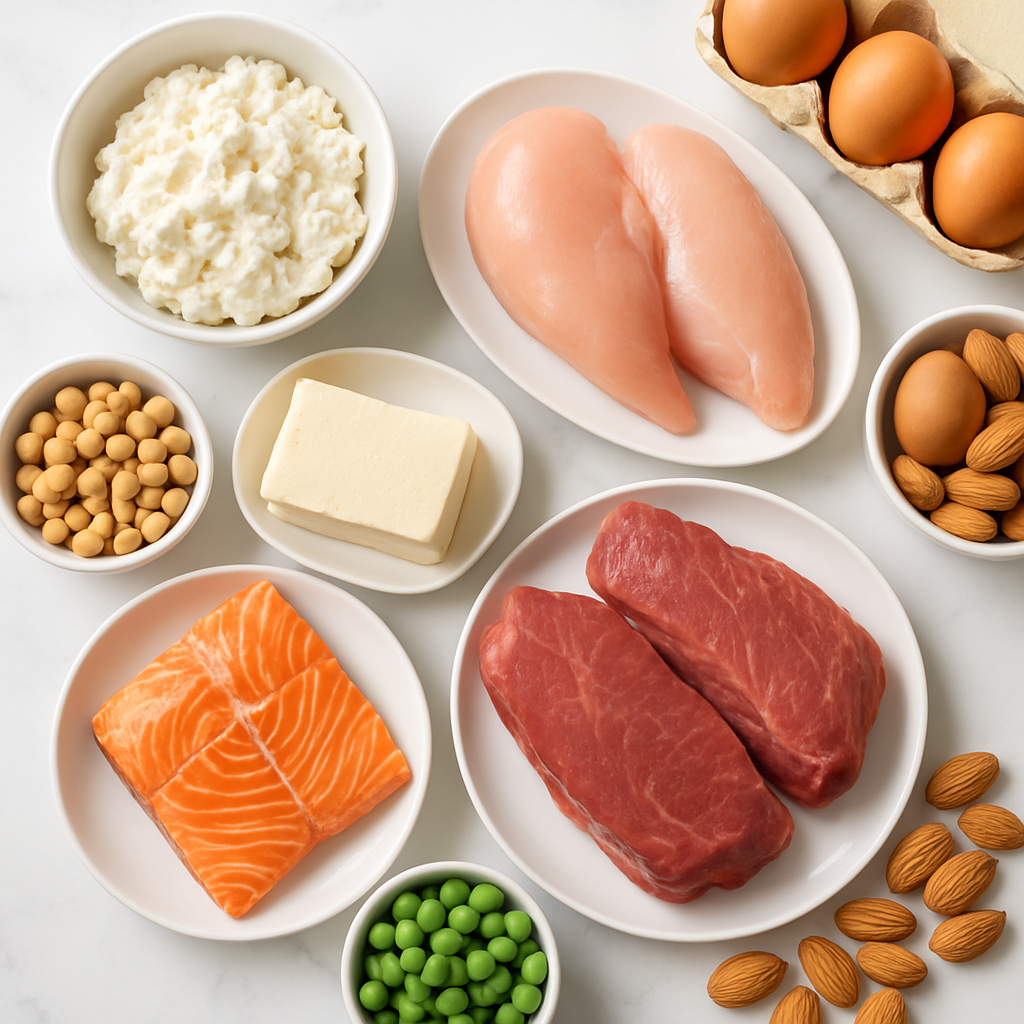
The Best Protein Sources Available in UK Supermarkets
Forget specialist shops — your local supermarket has everything you need. From chicken to eggs, the best protein sources are already in the aisle.
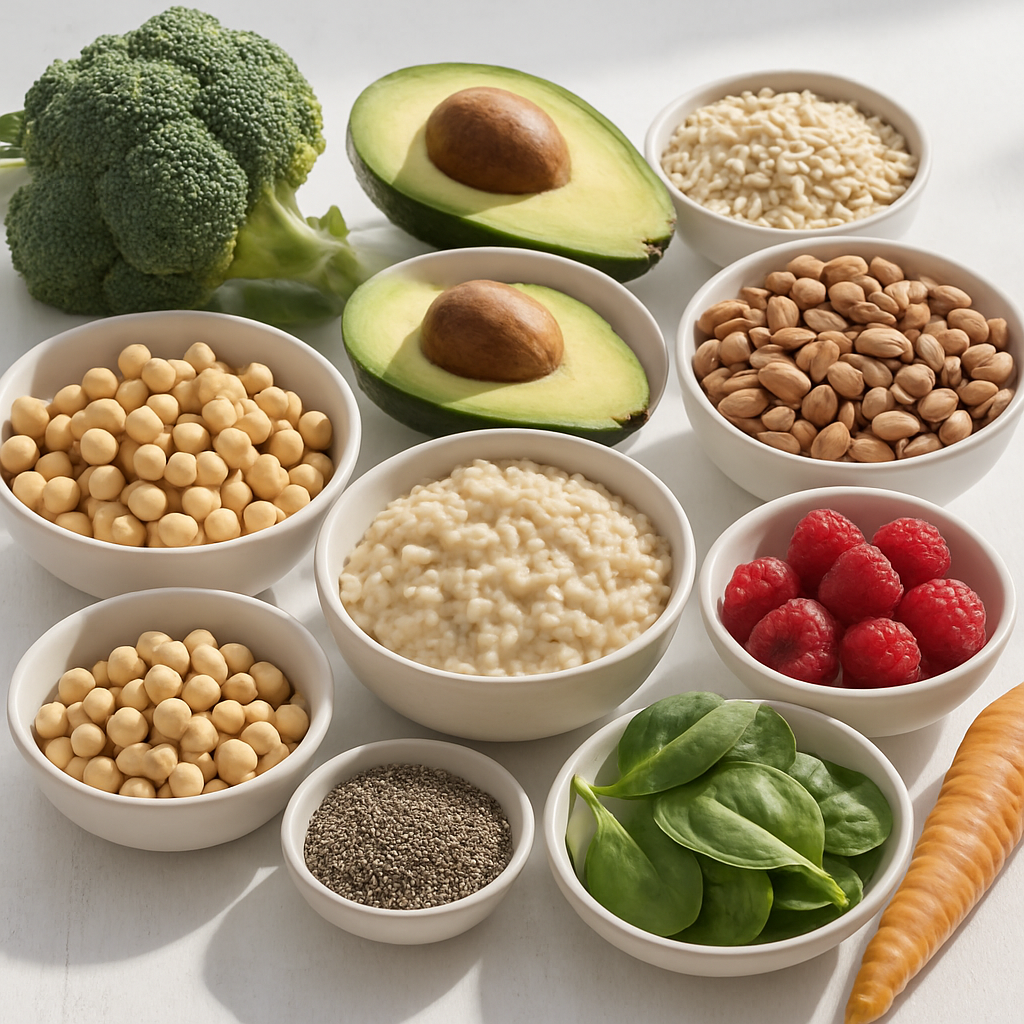
Why Fibre Is the Most Underrated Macro
Fibre slows digestion, steadies blood sugar, and fuels gut bacteria — yet most people ignore it. Here's why it deserves a spot in your nutrition plan.