Healthy Fats Explained: What to Eat and What to Limit
# Healthy Fats Explained: What to Eat and What to Limit
Fat got a bad reputation somewhere in the 1980s, and honestly, it never fully recovered. But the science has moved on — and it turns out that not all fat is created equal.
Why Fat Matters More Than You Think
Fat isn't just something to manage or minimise. It's an essential macronutrient — your body genuinely cannot function properly without it.
Fat helps absorb vitamins A, D, E and K, supports brain function, regulates hormones, and keeps cell membranes healthy. If you've ever followed a very low-fat diet and felt foggy, tired, or constantly hungry, that's likely why.
The conversation around fat has always suffered from oversimplification. Lumping all dietary fats into one category is a bit like saying all carbohydrates are the same — it misses the point entirely.
The Fats Worth Eating More Of
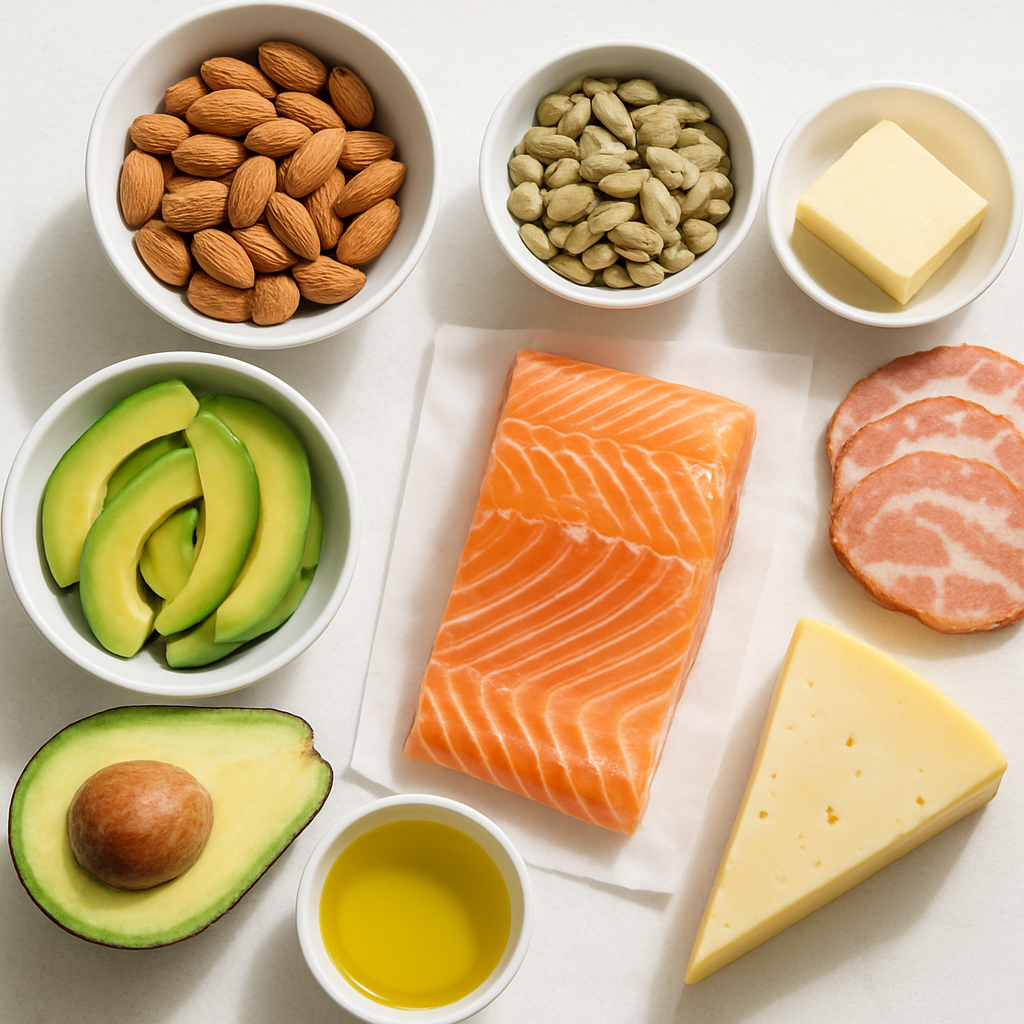
Monounsaturated fats are found in olive oil, avocados, almonds, and cashews. These are well-researched and consistently linked to heart health, reduced inflammation, and better cholesterol profiles. The Mediterranean diet — one of the most studied eating patterns in the world — is built heavily around these.
Polyunsaturated fats include omega-3 and omega-6 fatty acids. Omega-3s in particular are worth paying attention to. Found in oily fish like salmon, mackerel, and sardines, as well as walnuts and flaxseed, they play a key role in brain health, reducing inflammation, and supporting cardiovascular function.
Most people in the UK don't eat enough oily fish. NHS guidance suggests at least two portions per week, with one being oily — so there's room to work with here without overhauling your entire diet.
The Fats Worth Limiting
Saturated fat is where things get nuanced. It's found in butter, fatty cuts of meat, cheese, coconut oil, and processed foods. The current evidence suggests that eating a lot of saturated fat raises LDL cholesterol (often called "bad" cholesterol) in many people, which over time increases cardiovascular risk.
That doesn't mean a knob of butter on your vegetables is a problem. Context and overall diet quality matter far more than any single food. But if your diet is already high in processed meats, full-fat dairy, and pastries, it's worth being aware of.
Trans fats are a different story. Artificial trans fats — created through a process called hydrogenation — have been largely removed from UK food products following regulation, but they can still appear in some imported or highly processed foods. Worth checking labels if you're buying heavily processed snacks. These are the fats that research most consistently links to poor health outcomes.
How to Actually Balance This Day to Day
The good news is that this doesn't require complicated tracking or label-reading at every meal. A few practical shifts cover most of the ground:
Swap refined seed oils for olive oil in everyday cooking — it's more stable at moderate heat and brings better nutritional value.
Add a source of omega-3s a few times a week — tinned mackerel on toast, salmon with your evening meal, or a handful of walnuts in your porridge all count.
Don't fear fat in whole foods. Eggs, nuts, full-fat yoghurt, and oily fish are nutrient-dense foods that happen to contain fat. Eating them isn't something that needs balancing out.
Be more mindful with ultra-processed foods — not because fat in isolation is the issue, but because highly processed products often combine poor-quality fats with refined carbs and excess salt in ways that aren't doing you any favours.
Practical Takeaways
The headline version: unsaturated fats are your friends, saturated fat is worth moderating in the context of your overall diet, and artificial trans fats are worth actively avoiding where possible.
You don't need to count fat grams or eliminate anything. Just crowding in more oily fish, olive oil, nuts, and avocado will naturally move things in a useful direction for most people.
If you want to take the guesswork out of hitting your fat and macro targets each day, Macrology generates macro-perfect meal plans in seconds — https://macrology.app/signin
Getting the balance right isn't about restriction. It's about knowing which foods are genuinely working for you — and making space for more of them.
Want meals like this planned to your exact macros?
Macrology generates a personalised meal plan in seconds — breakfast, lunch, dinner and snacks, all hitting your daily targets.
Start your free 14-day trial