The Best Protein Sources Available in UK Supermarkets
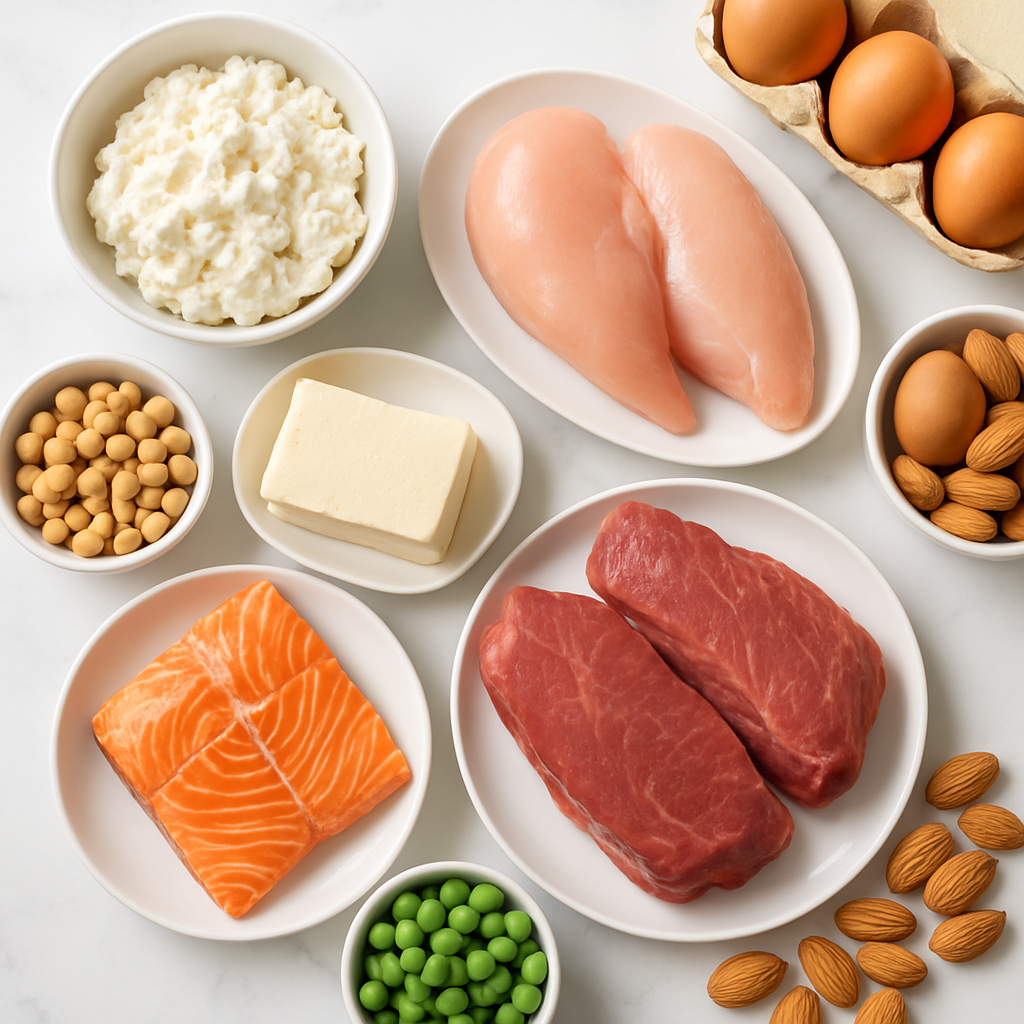
Animal-Based Protein: The Reliable Workhorses
Protein has a habit of making people think they need specialist shops, expensive powders, or a gym bag full of chicken. The reality is that your local Tesco, Sainsbury's, or Aldi has everything you need — and probably already stocks most of it. Here's what's actually worth putting in your trolley.
For sheer protein density, animal sources are hard to beat. Chicken breast remains one of the best value options per gram of protein — typically around 31g of protein per 100g cooked — and it's available everywhere. Thighs are worth considering too; slightly more fat, just as much protein, and genuinely better flavour for most cooking methods.
Eggs deserve more credit than they get. A large egg contains around 6–7g of protein, costs very little, and is one of the most versatile ingredients in any kitchen. Whole eggs, not just whites — the yolk contains most of the micronutrients.
Canned fish is one of the most underrated items in UK supermarkets. Tinned tuna, sardines, mackerel, and salmon all sit comfortably between 20–25g of protein per 100g, cost next to nothing, and require zero preparation. Sardines and mackerel also bring omega-3 fatty acids into the picture, making them genuinely excellent all-rounders. Most major supermarkets stock their own-brand versions for well under £1 a tin.
Greek yoghurt — specifically the full-fat or 0% fat varieties, not the sweetened dessert versions — typically contains 8–10g of protein per 100g. It works as a breakfast, a snack, or a base for sauces. Skyr, which most UK supermarkets now stock, is even higher in protein at around 11g per 100g.
Plant-Based Protein: Better Than You Might Think
Plant proteins have a reputation for being incomplete or insufficient, and while it's true that most contain lower amounts of certain amino acids than meat, eating a varied diet makes this largely a non-issue for most people.
Lentils are exceptional value — a 500g bag of dried red lentils from any UK supermarket costs around £1 and provides roughly 24g of protein per 100g dry weight. They're also high in fibre and iron, and they cook quickly without soaking.
Edamame (available frozen in most major supermarkets) offers around 11g of protein per 100g and is one of the few plant sources considered a complete protein. They're brilliant as a snack or thrown into salads and stir-fries.
Tofu varies significantly by brand and firmness — firm tofu typically contains 8–12g of protein per 100g. It absorbs flavour well and works across a wide range of cooking styles. Most supermarkets now stock several varieties.
Tinned chickpeas, kidney beans, and black beans round out the plant-based options well. Around 7–9g of protein per 100g drained weight, cheap, and ready to use straight from the tin.
What to Look for on the Label
Protein content in supermarket products can vary more than you'd expect, so it's worth spending thirty seconds on the nutrition label. Look at protein per 100g rather than per serving, since serving sizes are inconsistently defined across products.
A few common traps: flavoured yoghurts often have substantially less protein than plain versions due to added sugars and fillers. "High protein" labelling on products like bread or cereal can mean as little as an extra gram or two. And protein bars vary wildly — some are genuinely useful, others are closer to confectionery with a marketing spin.
Practical Takeaways
Getting enough protein doesn't require an overhaul — small additions across the day add up quickly. A few straightforward swaps and additions that work for most people:
- Swap regular yoghurt for Greek yoghurt or skyr at breakfast
- Keep a tin of fish in your bag or desk drawer for easy lunches
- Add a tin of lentils or beans to soups, stews, and pasta dishes
- Use eggs as your default fast meal — scrambled, poached, or in a frittata
- Buy frozen edamame in bulk — it keeps for months and defrosts in minutes
Hitting your protein targets is mostly a planning problem, not a shopping problem. The ingredients are already on the shelves.
If you want to know exactly how much protein you need and which meals will get you there, Macrology generates macro-perfect meal plans in seconds — https://macrology.app/signin
Want meals like this planned to your exact macros?
Macrology generates a personalised meal plan in seconds — breakfast, lunch, dinner and snacks, all hitting your daily targets.
Start your free 14-day trial