What Happens to Your Body When You Eat at Regular Times Each Day
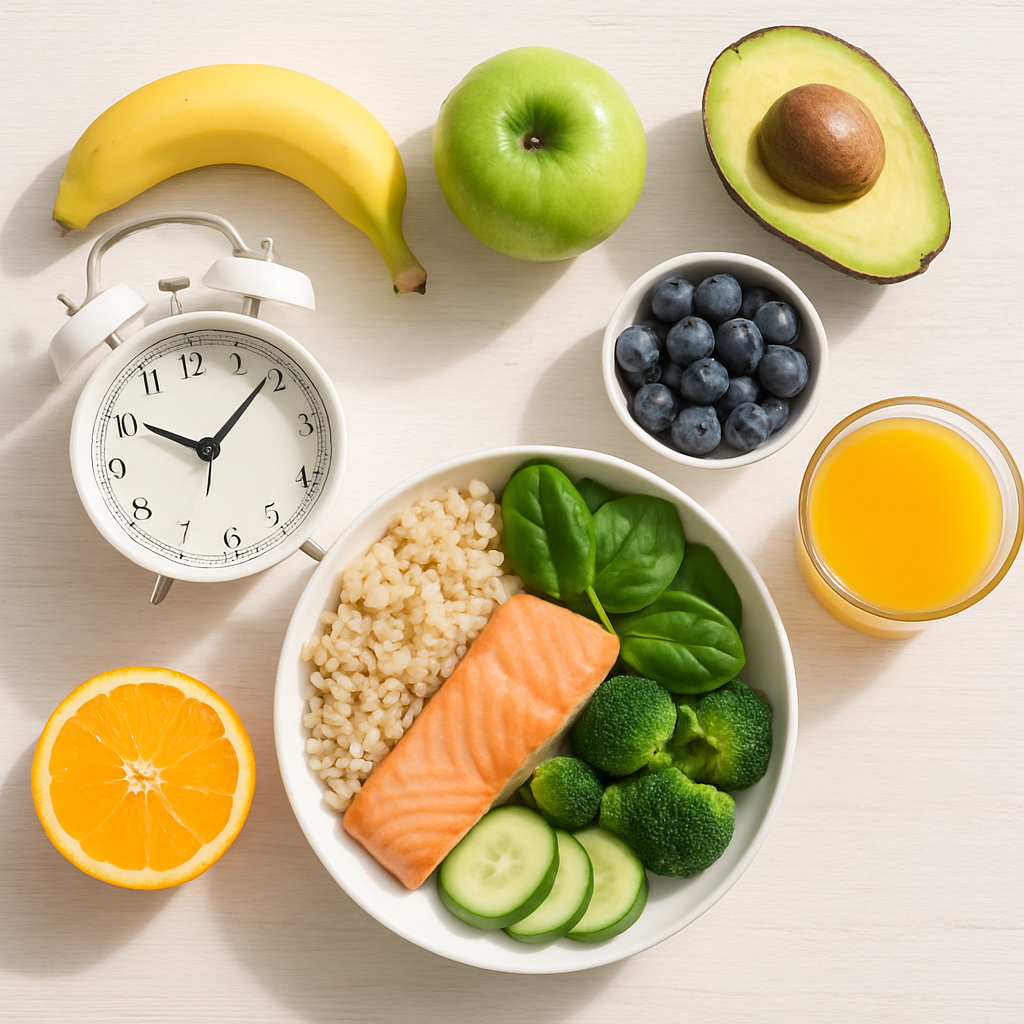
# What Happens to Your Body When You Eat at Regular Times Each Day
Most people focus on what they eat — but when you eat might matter more than you'd expect. Your body runs on internal clocks, and the timing of your meals plays a bigger role in how you feel, function, and fuel yourself than most nutrition advice lets on.
Your Body Has an Internal Schedule
Every cell in your body follows a roughly 24-hour rhythm, known as your circadian clock. This isn't just about sleep — it governs digestion, hormone release, metabolism, and even how efficiently you absorb nutrients.
When you eat at consistent times, you're essentially syncing your meals with these biological rhythms. Your digestive system starts preparing for food before you even take a bite — stomach acid, digestive enzymes, and gut motility all ramp up in anticipation.
Eating at erratic times can disrupt this preparation. The result is often slower digestion, more bloating, and energy that feels unpredictable throughout the day.
Blood Sugar Stability Gets a Lot Easier
One of the most immediate effects of regular meal timing is more stable blood glucose levels. When your body knows food is coming at predictable intervals, it manages insulin and glucose more efficiently.
Skipping meals or eating at wildly different times each day creates bigger swings in blood sugar — the kind that leave you feeling foggy, irritable, or suddenly ravenous at 3pm. Regular timing helps flatten those spikes and dips.
Research has shown that people who eat at consistent times tend to have better insulin sensitivity over time. That matters whether you're managing blood sugar actively or just trying to avoid that mid-afternoon slump.
Hunger Hormones Start Working With You
Two hormones — ghrelin (which signals hunger) and leptin (which signals fullness) — are heavily influenced by routine. When your meal times are consistent, these hormones begin to anticipate your schedule.
Practically speaking, this means hunger tends to arrive around the times you normally eat, and fullness signals become more reliable. You're less likely to feel like you're fighting your appetite all day.
When meal timing is chaotic, these hormones can get out of sync. You might not feel hungry at meals and then feel ravenous at 10pm — not because of willpower, but because your hormonal signalling is essentially confused.
Sleep, Energy, and Mood Are All Connected
It might seem like a stretch, but when you eat is genuinely linked to how well you sleep. Eating large meals close to bedtime raises your core body temperature and keeps your digestive system active at a time it's meant to be winding down.
Consistent meal timing — particularly having your last meal a few hours before bed — supports the natural drop in body temperature and melatonin rise that helps you fall asleep and stay asleep.
Better sleep feeds back into energy levels, mood, and even appetite regulation the next day. It's a genuine cycle: regular eating times support better sleep, and better sleep makes it easier to maintain regular eating times.
Practical Takeaways
You don't need a rigid schedule to benefit from this — even a loose rhythm makes a difference. Here are a few things worth considering:
- Aim for consistent meal windows rather than exact times. Eating breakfast within a 30-minute window each morning is plenty consistent enough.
- Don't skip meals regularly if you're someone who notices energy or mood dips — your hormones are likely expecting fuel.
- Your last meal timing matters. Most people feel better leaving at least 2–3 hours between their last meal and sleep.
- Start with one anchor meal. If your schedule is chaotic, making breakfast or lunch consistent first is easier than overhauling everything at once.
None of this requires perfection. Life happens — late dinners, skipped lunches, weekend lie-ins. The benefit comes from consistency over time, not from getting every day exactly right.
If you want to take the guesswork out of building a consistent eating routine that actually fits your schedule, Macrology generates macro-perfect meal plans in seconds — https://macrology.app/signin
Knowing what to eat at each meal makes sticking to regular timing a lot more straightforward. When the planning is done for you, it's one less reason to skip a meal or reach for whatever's easiest.
Want meals like this planned to your exact macros?
Macrology generates a personalised meal plan in seconds — breakfast, lunch, dinner and snacks, all hitting your daily targets.
Start your free 14-day trial