Zinc, Magnesium, and Iron: The Minerals Most UK Adults Are Missing
# Zinc, Magnesium, and Iron: The Minerals Most UK Adults Are Missing
Most people have a rough idea that they need enough protein and vitamins — but minerals tend to fly under the radar. Yet for a significant chunk of UK adults, low intake of just three minerals is quietly affecting energy levels, sleep, immunity, and more.
Why These Three Minerals Matter More Than You Think
Zinc, magnesium, and iron aren't obscure micronutrients on the fringes of nutrition science. They're central to hundreds of processes your body runs every single day.
Zinc supports immune function, wound healing, and the production of enzymes that help you digest food properly. Magnesium is involved in over 300 biochemical reactions — including muscle function, blood sugar regulation, and the ability to actually switch off at night. Iron is essential for making haemoglobin, the protein in red blood cells that carries oxygen around your body.
When intake of any of these falls short over time, the effects aren't always dramatic or obvious. Instead, you might just feel a bit flat, tired, or run down — which is easy to chalk up to a busy life.
Where UK Adults Tend to Fall Short
UK dietary surveys consistently show that a large proportion of adults — particularly women of reproductive age — don't meet recommended intakes for all three of these minerals.
Iron is the most well-documented. Women between 19 and 49 have higher requirements due to menstrual losses, and survey data from the National Diet and Nutrition Survey (NDNS) shows a meaningful percentage fall below recommended levels. Teenage girls are particularly at risk.
Magnesium is trickier because it's not routinely tested in standard blood panels, so deficiency often goes unnoticed. It's found in whole grains, leafy greens, nuts, and seeds — foods that tend to drop out of the diet when people get busy or rely on more processed options.
Zinc is another one that slips through the gaps. It's found in meat, shellfish, legumes, and pumpkin seeds, but it's easy to under-consume — especially for people eating lower amounts of animal products without consciously replacing those sources.
Foods That Actually Move the Needle
The good news is that you don't need supplements to improve your intake — food sources are generally absorbed well when you eat the right combinations.
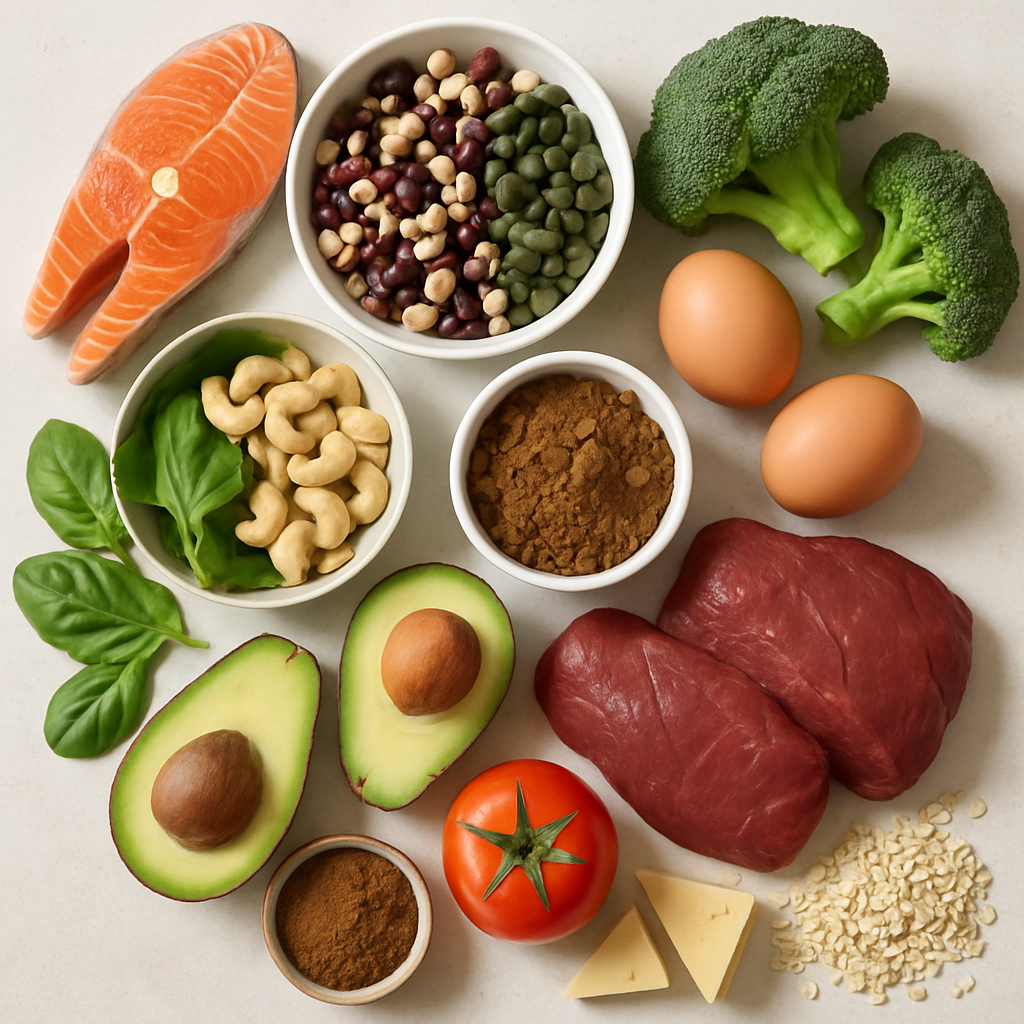
For iron, red meat and liver are the most efficient sources because they contain haem iron, which the body absorbs readily. If you prefer plant-based sources — lentils, spinach, tofu, fortified cereals — pairing them with something rich in vitamin C (like a squeeze of lemon or some peppers) significantly improves absorption. Tea and coffee consumed close to meals can reduce iron absorption, so it's worth leaving a small gap if you're relying on plant sources.
For magnesium, a handful of pumpkin seeds, some dark chocolate, a portion of brown rice, or a generous serving of spinach are all solid contributions. It's genuinely one of the easier minerals to improve through small, consistent dietary changes.
For zinc, oysters are by far the richest source — though not exactly a weeknight staple. More practically, beef, chicken, eggs, chickpeas, and cashews all contribute meaningfully. If you're largely plant-based, cooking legumes from scratch and soaking them beforehand helps reduce compounds that can interfere with zinc absorption.
How to Bring It All Together
The minerals that tend to be missing from UK diets aren't exotic or hard to find — they're in everyday foods. The challenge is usually consistency and variety, rather than needing to hunt down specialist ingredients.
A few practical patterns that help:
- Eat a wide variety of protein sources across the week — this naturally increases zinc and iron intake
- Include leafy greens regularly, even in small amounts — spinach, kale, and rocket all contribute to magnesium and iron
- Don't skip wholegrains in favour of refined options — the difference in magnesium content between brown and white rice, for example, is significant
- Be mindful of absorption blockers like tea and coffee around meals if iron is a concern
Getting this right isn't about obsessing over every meal — it's about building a general eating pattern that covers these bases most of the time.
If you want a meal plan that's already built around hitting your key micronutrients without the guesswork, Macrology generates macro-perfect meal plans in seconds — https://macrology.app/signin
Knowing which minerals you're likely short on is useful. Having a plan that actually accounts for them is better.
Want meals like this planned to your exact macros?
Macrology generates a personalised meal plan in seconds — breakfast, lunch, dinner and snacks, all hitting your daily targets.
Start your free 14-day trial