The Truth About Carbohydrates: Why You Probably Shouldn't Cut Them Out
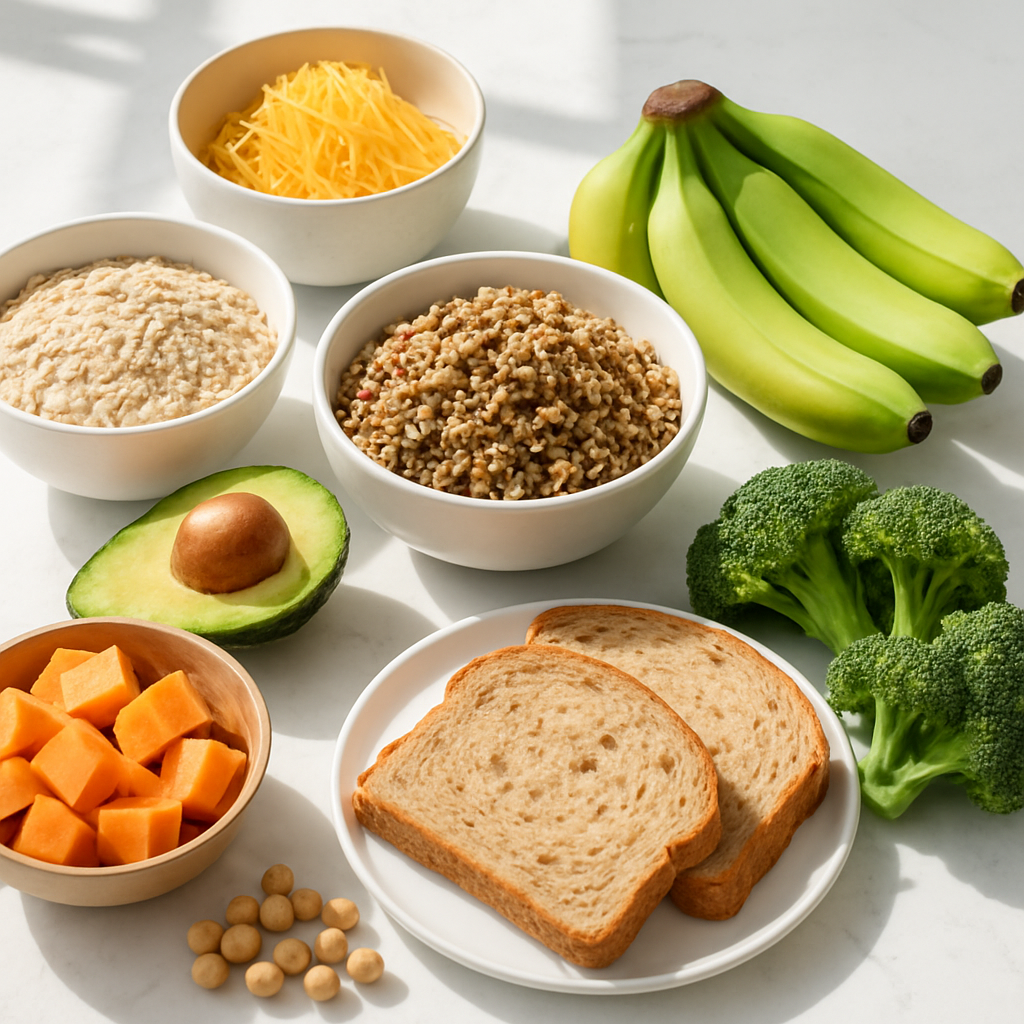
# The Truth About Carbohydrates: Why You Probably Shouldn't Cut Them Out
Carbohydrates have had a rough few decades in the press. They've been blamed for weight gain, fatigue, and just about everything short of bad weather — and yet the science tells a far more nuanced story.
What Carbohydrates Actually Do
Your body runs on glucose. Full stop. When you eat carbohydrates — whether that's oats, bread, fruit, or lentils — your digestive system breaks them down into glucose, which your brain and muscles use as their preferred fuel source.
Your brain alone uses around 120g of glucose per day. That's not a small amount. When carbohydrate intake drops significantly, your body can produce an alternative fuel called ketones, but this comes at a cost — many people notice brain fog, low mood, and reduced energy during the adjustment period.
Beyond energy, carbohydrates play a role in regulating mood (they support serotonin production), fuelling exercise performance, and — when they come from whole food sources — providing fibre that feeds your gut bacteria and keeps your digestion ticking along.
Why Low-Carb Gets Results (And Why That's Only Half the Story)
Low-carb diets do work for a lot of people, and it's worth being honest about why. Cutting carbohydrates tends to reduce overall calorie intake, often because it removes a lot of highly processed, easy-to-overeat foods like biscuits, crisps, and white bread.
There's also an initial drop in water weight. Carbohydrates are stored as glycogen in your muscles and liver, and glycogen holds water. Eat fewer carbs, deplete glycogen stores, lose water weight — it's a real effect, but it's not fat loss.
The longer-term picture is less clear-cut. Research comparing low-carb and moderate-carb diets with the same calorie intake consistently shows similar results for fat loss over time. The best approach tends to be the one a person can actually stick to — and for many people, cutting out an entire macronutrient group indefinitely isn't that approach.
Not All Carbohydrates Behave the Same Way
One of the biggest problems with the anti-carb conversation is that it treats all carbohydrates as one thing. A bowl of porridge and a packet of sweets are not metabolically equivalent, even though both contain carbohydrates.
Fibre content makes an enormous difference. Whole grains, legumes, vegetables, and fruit contain fibre that slows glucose absorption, keeping blood sugar steadier and helping you feel fuller for longer. Refined carbohydrates — think white bread, sugary drinks, most ultra-processed snacks — have had much of that fibre removed, so they digest quickly and can leave you hungry again sooner.
This isn't a reason to never eat refined carbohydrates. It's simply useful context for building meals that keep your energy and appetite in a good place throughout the day.
How Much Do You Actually Need?
Current UK dietary guidelines suggest that around 45–65% of daily calories can come from carbohydrates for most adults. For someone eating 2,000 calories a day, that's roughly 225–325g of carbohydrate.
Active people and those doing regular strength or cardio training tend to sit at the higher end of that range, because carbohydrates are the primary fuel for moderate-to-high intensity exercise. If you train regularly and feel sluggish, reducing carbs may be part of the reason.
Individual needs vary quite a bit depending on activity level, body composition goals, and personal preference. There's no single number that's right for everyone.
Practical Takeaways
A few things worth holding onto from all of this:
- Carbohydrates aren't the enemy — the type and quantity matters more than whether you eat them at all
- Fibre-rich carbohydrate sources (oats, wholegrain bread, lentils, potatoes with the skin on, fruit) tend to support steady energy and appetite better than heavily processed alternatives
- If you're active, keeping carbohydrates reasonably high will likely support your performance and recovery
- Drastic cuts aren't necessary for most people looking to manage their weight or improve how they feel
If you want to hit your carbohydrate (and overall macro) targets without spending hours planning meals, Macrology generates macro-perfect meal plans in seconds — https://macrology.app/signin
Getting the balance right across a full week of eating is where most people find it tricky — and that's exactly the kind of thing a good meal planning tool takes off your plate.
Want meals like this planned to your exact macros?
Macrology generates a personalised meal plan in seconds — breakfast, lunch, dinner and snacks, all hitting your daily targets.
Start your free 14-day trial