Calorie Deficit Explained: What It Actually Means for Your Body
What a Calorie Deficit Actually Is
Most people have heard the phrase "calorie deficit" thrown around, but the explanation usually stops at "eat less, move more" — which isn't exactly helpful. Understanding what's actually happening in your body makes the whole thing far less mysterious, and a lot easier to work with.
At its most basic, a calorie deficit happens when you consume fewer calories than your body uses over a given period. Your body needs energy to do everything — breathing, digesting food, keeping your heart beating, walking to the kettle. The total amount of energy your body burns in a day is called your Total Daily Energy Expenditure (TDEE).
When your calorie intake consistently falls below your TDEE, your body has to find the energy it needs from somewhere else. That somewhere else is largely your stored body fat, which is why a sustained calorie deficit typically leads to fat loss over time. It's not magic — it's just energy accounting.
Worth noting: TDEE isn't a fixed number. It shifts depending on your activity levels, how much muscle mass you carry, your age, and even how much you've been eating recently. This is why fat loss isn't always linear, and why the same approach doesn't produce identical results for everyone.
What Actually Happens Inside Your Body
When you're in a deficit, your body doesn't just quietly burn fat and leave everything else untouched. A few things happen simultaneously.
Your body draws on glycogen stores first — that's the carbohydrate stored in your liver and muscles. As those deplete (particularly if you've dropped carbs significantly), you might feel a bit flat or tired in the early days. This is normal, and it tends to settle.
After that, fat becomes the primary fuel source. But here's something worth knowing: if your protein intake is too low and you're in a large deficit, your body can also break down muscle tissue for energy. This is why protein intake matters a lot during a calorie deficit — it helps preserve the muscle you already have, which in turn keeps your metabolism ticking over more efficiently.
Your hormones also respond to a sustained deficit. Levels of leptin (a hormone that signals fullness) can drop, which is part of why hunger can feel more prominent after a few weeks of eating less. This isn't a failure of willpower — it's a genuine physiological response.
How Big Should a Deficit Be?
This is where a lot of advice goes off the rails. Bigger deficits don't automatically mean better or faster results — they often mean more muscle loss, more fatigue, and a harder time sticking with things.
A moderate deficit of around 300–500 calories per day tends to support steady fat loss while preserving muscle mass and energy levels. That works out to roughly 0.5kg of fat loss per week for most people, though individual variation is significant.
Going much lower than that for extended periods can cause your body to adapt by becoming more efficient — essentially burning fewer calories at rest. This is sometimes called metabolic adaptation, and it's one reason why very low calorie approaches often plateau quickly and feel unsustainable.
Smaller deficits are also far easier to maintain consistently, and consistency over weeks and months is what actually drives results — not perfection over a few days.
The Role of What You Eat (Not Just How Much)
Calories matter, but the food you choose within your calorie target influences how you feel, how full you stay, and whether you're getting the nutrients your body needs.
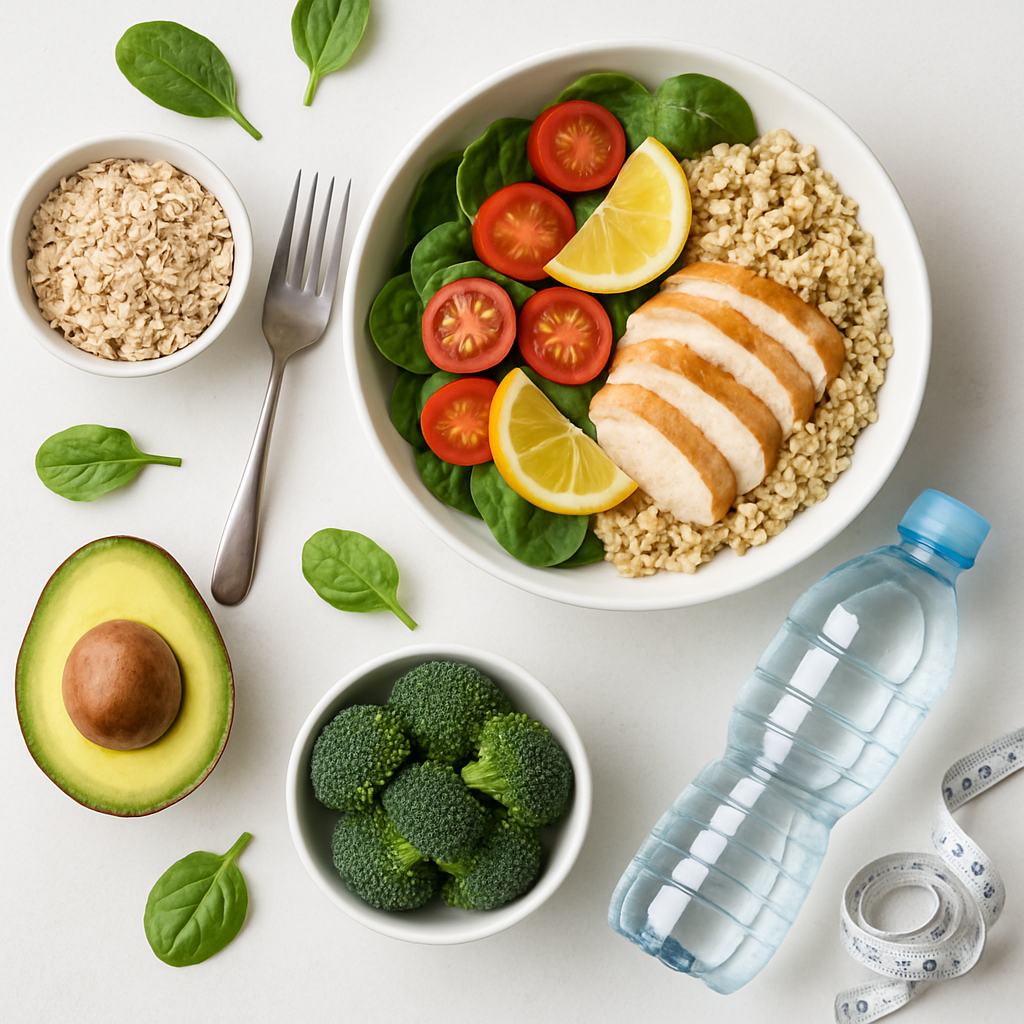
High-protein foods like chicken, eggs, Greek yoghurt, lentils, and fish help with satiety and muscle retention. Fibre-rich foods — vegetables, legumes, wholegrains — slow digestion and help you feel fuller for longer. Highly processed foods aren't off-limits, but they tend to be less filling per calorie, which can make hitting a deficit trickier.
None of this is about labelling foods as good or bad. It's just practical information about what tends to work well when you're managing your intake.
Here's what this actually looks like day-to-day: know your rough TDEE — there are calculators online, or apps that estimate it for you. Aim for a modest deficit rather than slashing calories dramatically, and prioritise protein at each meal to protect muscle and manage hunger. Track consistently, not obsessively — a general picture is more useful than perfection.
If you want to take the guesswork out of hitting your numbers without spending hours planning meals, Macrology generates macro-perfect meal plans in seconds — https://macrology.app/signin
Want meals like this planned to your exact macros?
Macrology generates a personalised meal plan in seconds — breakfast, lunch, dinner and snacks, all hitting your daily targets.
Start your free 14-day trial