Why Fibre Is the Most Underrated Macro
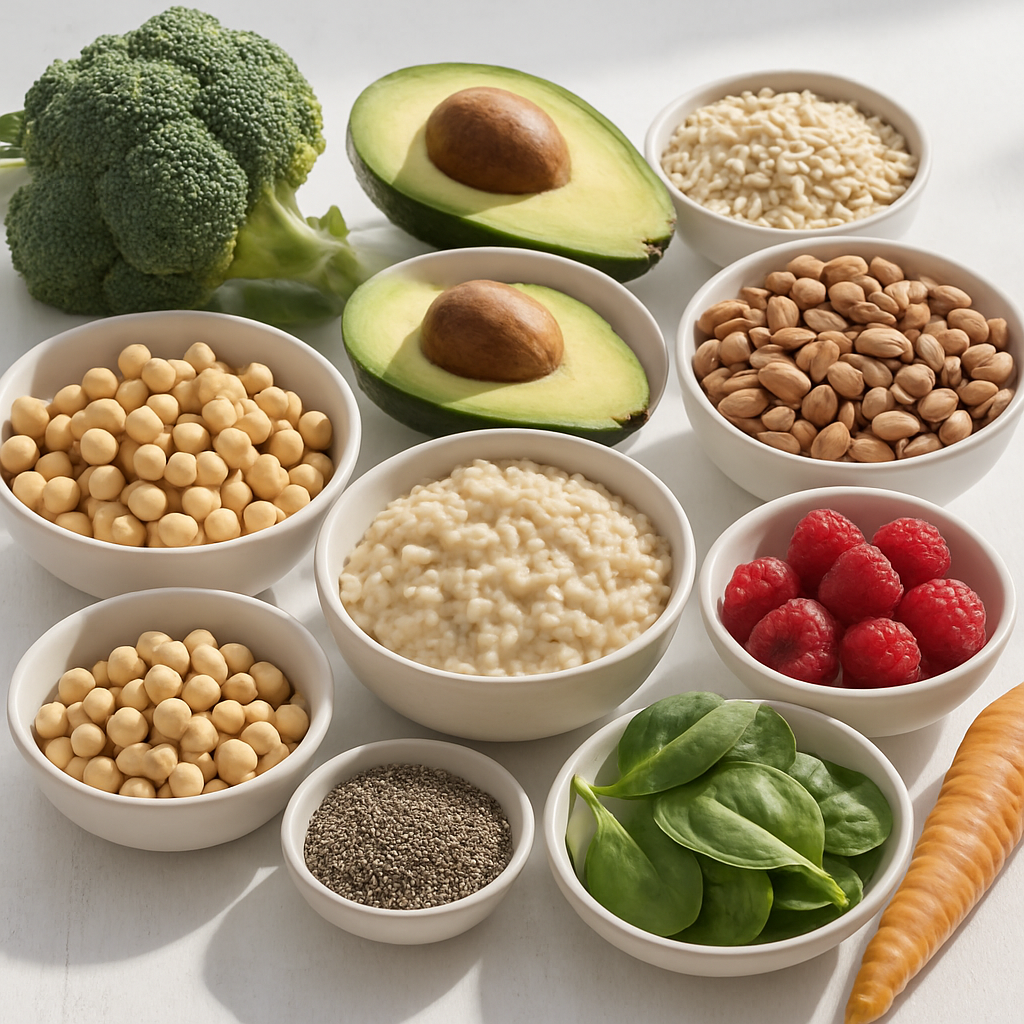
Most people tracking their nutrition are watching protein, carbs, and fat. Fibre barely gets a mention — and that's a shame, because it might be doing more work in your body than any of them.
What Fibre Actually Does
Fibre is a type of carbohydrate your body can't fully digest, which sounds underwhelming until you realise that's exactly the point. Because it passes through your digestive system largely intact, it slows everything down — the rate at which food leaves your stomach, the speed at which glucose hits your bloodstream, the time it takes you to feel hungry again.
That slowdown has real consequences. Steadier blood sugar means fewer energy crashes mid-afternoon. A slower-emptying stomach means you stay fuller for longer without eating more. And a well-fed gut microbiome — fibre is essentially fuel for the beneficial bacteria living in your intestines — has been linked to everything from better immune function to improved mood.
There are two main types worth knowing about. Soluble fibre dissolves in water and forms a gel-like substance in your gut — oats, lentils, apples, and flaxseed are good sources. Insoluble fibre doesn't dissolve, and instead adds bulk to help things move through your digestive system — think wholegrain bread, nuts, and most vegetables. You want both, and eating a varied diet tends to sort this out naturally.
Why Most of Us Aren't Getting Enough
The UK government recommends 30g of fibre per day for adults. Most people in the UK are getting around 18g. That's not a minor shortfall.
The gap exists largely because ultra-processed foods — which now make up a significant chunk of the average UK diet — tend to be low in fibre by design. Refining grains removes the outer layers where most of the fibre lives. Convenience foods prioritise texture and shelf life over gut health. None of this is a moral failing; it's just the food environment most of us are navigating.
The practical problem is that low fibre intake tends to make everything else harder. Appetite becomes more difficult to manage. Energy feels less consistent. Digestion suffers. And because fibre-rich foods tend to be the same foods that carry a broad range of vitamins, minerals, and phytonutrients, falling short on fibre often means falling short elsewhere too.
How to Actually Eat More of It
The good news is that getting to 30g a day doesn't require an overhaul. It's usually a matter of small, consistent swaps and additions rather than eating entirely differently.
A few approaches that tend to work well in practice:
- Swap white for wholegrain where it matters to you — bread, pasta, and rice all have wholegrain versions that are close enough in flavour and texture that most people stop noticing after a week or two
- Add legumes more often — a tin of chickpeas or lentils stirred into a curry, soup, or salad adds 7–10g of fibre in one move
- Keep the skins on — potatoes, apples, courgettes — much of the fibre is in or just under the skin
- Eat more variety, not just more volume — research from the American Gut Project found that eating 30 different plant foods per week was strongly associated with a healthier gut microbiome; herbs, spices, nuts, and seeds all count
One thing worth knowing: if your fibre intake is currently quite low, increase it gradually. Adding a large amount quickly can cause bloating and discomfort. Your gut adapts, but it needs a bit of time.
Fibre and Your Macros
Here's where things get interesting for anyone already tracking their nutrition. Fibre is technically counted within your carbohydrate total on food labels, but it behaves very differently to other carbs — it contributes minimal calories and doesn't raise blood sugar the way digestible carbohydrates do. Some trackers and apps now separate it out entirely, which gives you a much clearer picture of what you're actually eating.
Paying attention to fibre alongside your usual macros means you're not just hitting numbers — you're building meals that actually keep you full, support your energy levels, and do something useful for your long-term health.
Practical Takeaways
- Aim for 30g of fibre per day — most UK adults are getting about half that
- Prioritise variety: wholegrains, legumes, vegetables, fruit, nuts, and seeds
- Small swaps compound quickly — you don't need to change everything at once
- Track fibre alongside your other macros for a genuinely complete picture
If you want to hit your fibre goals without the guesswork, Macrology generates macro-perfect meal plans in seconds — https://macrology.app/signin
Want meals like this planned to your exact macros?
Macrology generates a personalised meal plan in seconds — breakfast, lunch, dinner and snacks, all hitting your daily targets.
Start your free 14-day trial