How Much Protein Do You Actually Need?
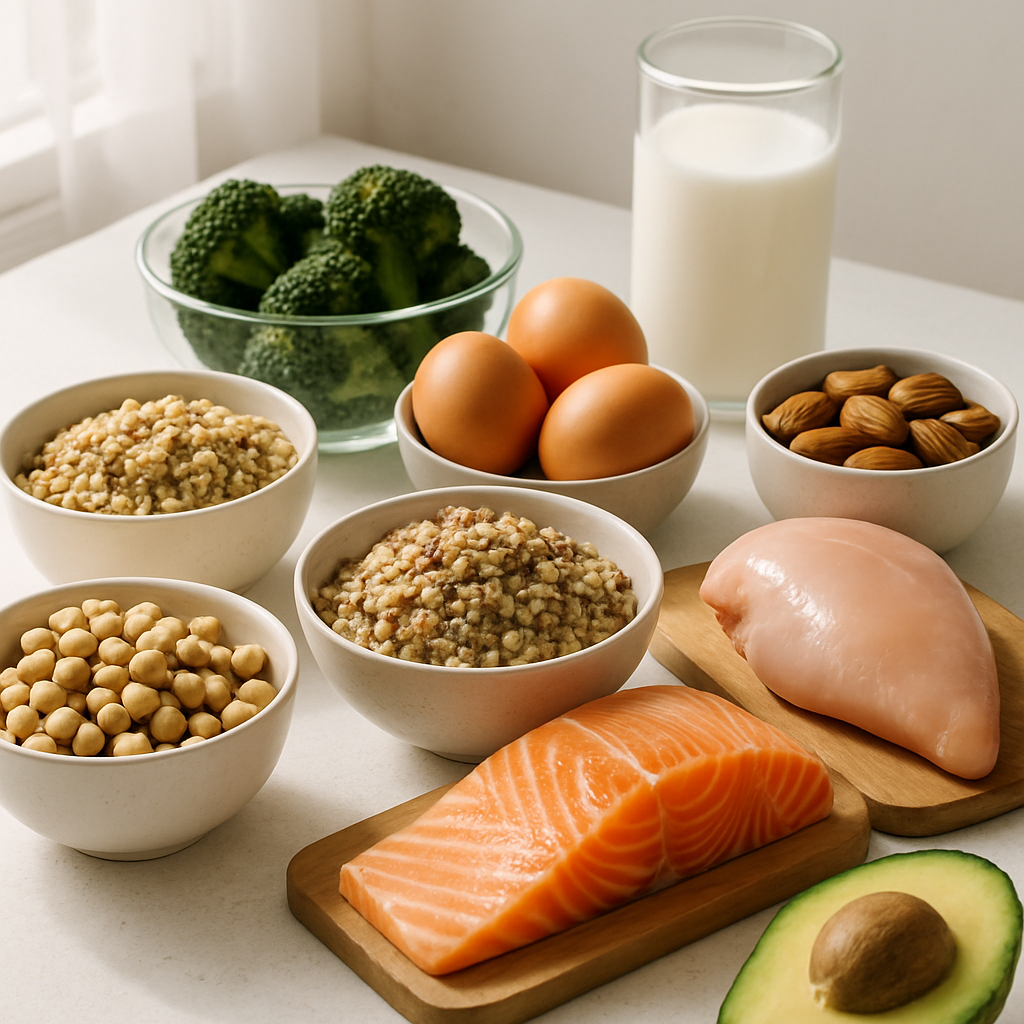
The Basic Numbers (And Why They're Not the Whole Story)
Everyone seems to be adding an extra chicken breast to their plate or reaching for a protein shake these days — but the actual science of how much protein your body needs is a lot more nuanced than gym culture would have you believe.
The UK government's Reference Nutrient Intake for protein is 0.75g per kilogram of body weight per day. For a 75kg adult, that's roughly 56g of protein — about the amount in two chicken breasts. That figure is designed to cover the needs of the general population, but it's really a minimum, not an optimum.
Research consistently suggests that most active adults benefit from more than this — typically somewhere in the range of 1.2g to 2.0g per kilogram of body weight, depending on your goals and lifestyle. If you're trying to build muscle, recovering from an injury, or simply trying to feel fuller between meals, sitting closer to the higher end of that range makes a real difference.
The takeaway? The official guidelines are a useful baseline, not a target.
What Changes Your Protein Needs
Several factors shift where your ideal intake sits on that spectrum.
Activity level — The more physical stress you put your body under, the more protein it needs to repair and adapt. Someone running five days a week or lifting weights regularly will have meaningfully higher needs than someone with a desk job and a gentle weekend walk.
Age — Older adults (generally from their mid-40s onwards) start to experience something called anabolic resistance, meaning the body becomes less efficient at using dietary protein to build and maintain muscle. Research suggests bumping intake up to around 1.2–1.6g per kilogram becomes increasingly important with age, particularly for preserving muscle mass and strength.
Body composition goals — If you're in a calorie deficit and trying to lose body fat while holding onto muscle, higher protein intake (around 1.6–2.2g per kg) helps protect lean tissue. This isn't about aesthetics for its own sake — maintaining muscle mass matters for metabolism, mobility, and long-term health.
Plant-based diets — Plant proteins are generally digested and utilised slightly less efficiently than animal proteins, so people eating mostly plant-based sources often benefit from aiming slightly higher overall and paying attention to combining protein sources across the day.
Does Eating More Protein Actually Help?
The short answer is yes — up to a point. A large 2018 meta-analysis published in the British Journal of Sports Medicine found that protein supplementation significantly increased muscle mass and strength in people doing resistance training, but that gains plateaued at around 1.62g per kilogram for most people. Eating significantly beyond that doesn't appear to add further muscle-building benefit, though it's not harmful for healthy adults.
Where people often get tripped up is thinking protein is only relevant if you're training hard. In reality, adequate protein supports satiety, immune function, hormone production, and tissue repair — things that matter whether or not you've set foot in a gym.
One more thing worth knowing: your body can only use so much protein from a single meal at one time. Spreading your intake across three or four meals tends to be more effective than front-loading it all into one.
Practical Takeaways
Here's what this actually looks like in practice:
- Work out a rough target using your body weight in kilograms, multiplied by 1.4–1.8g (a solid middle-ground range for most active adults)
- Distribute it across meals rather than trying to hit your number at dinner alone
- Don't rely on one source — mixing animal and plant proteins gives you a wider spread of amino acids and other nutrients
- Track for a week or two if you're unsure where you're landing — most people are surprised to find they're either well below or already hitting a reasonable amount without thinking about it
If you want to take the guesswork out of hitting your protein targets every day, Macrology generates macro-perfect meal plans in seconds — https://macrology.app/signin
Protein doesn't need to be complicated, and you certainly don't need to be chugging shakes to get enough of it. A bit of awareness around your targets and how your meals are structured goes a long way.
Want meals like this planned to your exact macros?
Macrology generates a personalised meal plan in seconds — breakfast, lunch, dinner and snacks, all hitting your daily targets.
Start your free 14-day trial