How to Hit Your Protein Targets as a Vegetarian in the UK
# How to Hit Your Protein Targets as a Vegetarian in the UK
Protein is one of the most common things vegetarians get asked about — usually by someone holding a chicken breast. The good news is that hitting your targets on a meat-free diet is genuinely achievable, and it doesn't require eating plain tofu three times a day.
Why Protein Matters (Without the Gym-Bro Lecture)
Protein isn't just for people chasing a six-pack. It plays a role in everything from muscle repair and immune function to keeping you feeling full between meals.
The NHS recommends around 0.75g of protein per kilogram of body weight per day for most adults — so roughly 56g for a 75kg person. If you're active or doing regular strength training, many dietitians suggest somewhere between 1.2g and 1.6g per kg is more appropriate.
The challenge for vegetarians isn't really quantity — there's plenty of protein in plant-based foods. It's more about variety and distribution, which we'll get to.
The Best Vegetarian Protein Sources Available in the UK
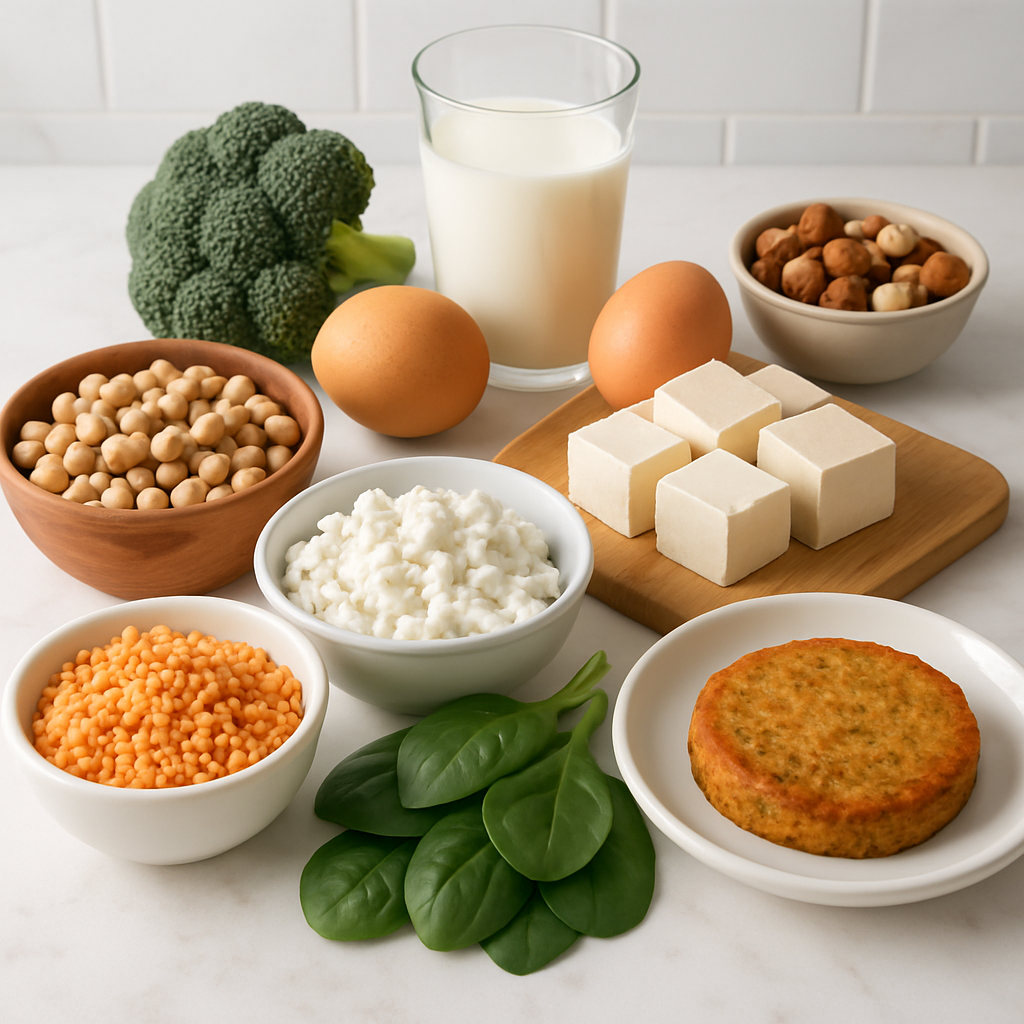
Most UK supermarkets are genuinely well-stocked for vegetarian protein these days. Here are the staples worth building meals around:
Eggs — around 6g of protein each, and one of the most complete protein sources going. Versatile, affordable, and available everywhere.
Greek yoghurt — a 150g serving of full-fat Greek yoghurt gives you roughly 15–17g of protein. Fage and Lidl's own brand are solid options.
Cottage cheese — often overlooked, but a 250g pot can deliver 25g+ of protein. Works brilliantly in wraps or on toast.
Lentils and legumes — red lentils, chickpeas, black beans, and kidney beans all sit around 7–9g per 100g cooked. Tinned versions are just as nutritious as dried and take minutes to use.
Tofu and tempeh — firm tofu runs around 8–10g per 100g, while tempeh is even higher at roughly 19g per 100g. Both are widely available in UK supermarkets now.
Quorn and other mycoprotein products — genuinely high in protein and fibre, and most UK supermarkets stock a solid range. Worth keeping in the freezer for quick meals.
Edamame — around 11g per 100g, and you can buy them frozen in most large Tescos, Asdas, and Waitroses.
The Bit Most People Miss: Spreading Protein Through the Day
One thing that makes a real difference is distributing protein across meals rather than loading it all into one sitting. Research suggests the body uses protein more effectively when it's spread out — somewhere around 20–40g per meal is a useful rough target.
A breakfast of just toast and jam, a lunch of salad without a protein source, then a lentil curry for dinner isn't a great pattern — even if the dinner is excellent.
Swapping in Greek yoghurt at breakfast, adding eggs or cottage cheese to lunch, and making sure dinner has a proper protein anchor will move the needle more than any supplement.
It's also worth knowing that plant proteins are often incomplete — they lack one or more essential amino acids on their own. Eating a variety of sources across the day (grains, legumes, dairy or eggs, nuts and seeds) covers this naturally without needing to stress about combining every single meal.
Practical Ways to Boost Protein Without Overhauling Everything
Sometimes the simplest tweaks make the biggest difference:
- Stir a spoonful of nut butter into porridge (around 3–4g extra protein per tablespoon)
- Add hemp seeds to smoothies or salads — about 10g protein per 30g serving
- Swap regular pasta for red lentil or chickpea pasta, which has roughly double the protein
- Use high-protein bread (brands like Burgen are widely available) for sandwiches
- Keep hard-boiled eggs in the fridge for quick snacks
None of these require a major lifestyle change — they're small swaps that add up across the week.
Your Practical Takeaway
Getting enough protein as a vegetarian in the UK comes down to three things: choosing protein-rich ingredients, spreading them across the day, and eating enough variety to cover your amino acid bases.
You don't need to track obsessively or drink protein shakes if that's not your thing. But having a rough awareness of what's in your meals goes a long way.
If you want a simpler way to hit your protein targets without the mental load of planning everything yourself, Macrology generates macro-perfect meal plans in seconds — https://macrology.app/signin
Want meals like this planned to your exact macros?
Macrology generates a personalised meal plan in seconds — breakfast, lunch, dinner and snacks, all hitting your daily targets.
Start your free 14-day trial