What Are Macros and Why Do They Matter?
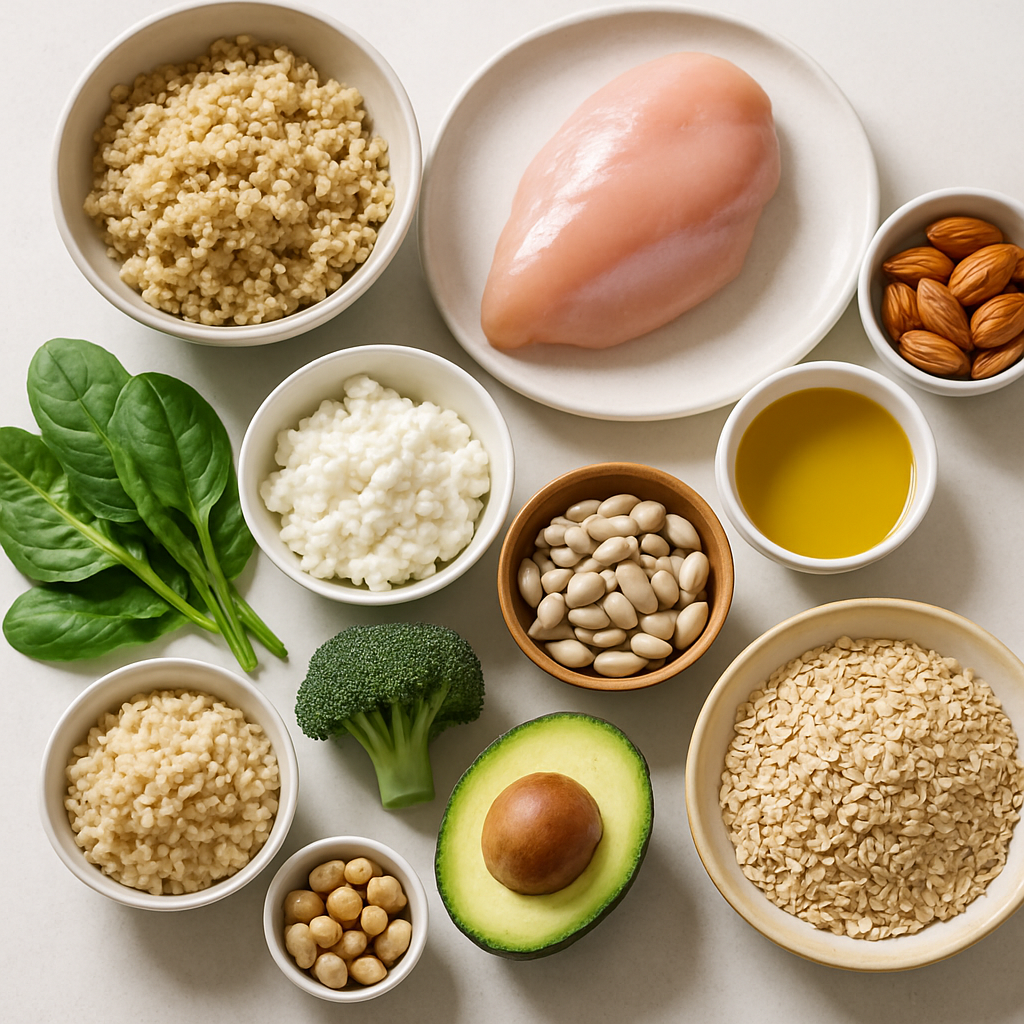
The Three Building Blocks of Every Meal
"Macros" is just shorthand for macronutrients — the three main nutrients that provide your body with energy. Every food you eat contains some combination of them:
- Protein — found in meat, fish, eggs, dairy, beans, and tofu. It's the building block for muscle, skin, hormones, and enzymes. It also tends to be the most filling nutrient per calorie.
- Carbohydrates — found in bread, rice, pasta, fruit, vegetables, and oats. These are your body's preferred fuel source, particularly for your brain and during exercise.
- Fat — found in oils, nuts, cheese, oily fish, and meat. Fat supports hormone production, helps absorb certain vitamins, and makes food taste good.
Each macro provides a set amount of energy: protein and carbohydrates both deliver 4 calories per gram, while fat delivers 9 calories per gram. Alcohol, if you're curious, provides 7 — though it's not classed as a macronutrient because your body doesn't need it.
Why Macros Matter Beyond Just Calories
Total calories matter for energy balance, but the composition of those calories affects how you feel, how you perform, and how satisfied you are after eating. Two meals with identical calorie counts can have very different effects on your hunger, energy levels, and recovery from exercise.
For example, a meal high in protein tends to keep you fuller for longer than a calorie-matched meal low in protein. This isn't magic — it's partly down to how protein influences hunger hormones like ghrelin. Similarly, a meal that includes plenty of fibre-rich carbohydrates releases energy more gradually than one built around refined carbs, which helps avoid that mid-afternoon slump.
Understanding macros also helps explain why some eating patterns leave people feeling sluggish or constantly hungry, even when they're technically eating enough calories. The balance matters, not just the total.
Do You Need to Count Macros?
Not necessarily. Plenty of people eat well without ever tracking a gram of anything, and there's real value in building an intuitive relationship with food. But having a rough awareness of macros can be useful — particularly if you have a specific goal, like building muscle, improving your energy levels, or managing a health condition.
Where macro tracking tends to go wrong is when it becomes rigid or stressful. Food is more than numbers, and obsessing over hitting precise targets every day can take the enjoyment out of eating without delivering much extra benefit. A ballpark understanding is usually more sustainable than gram-perfect precision.
A practical starting point for most people is simply paying attention to whether each meal has a decent source of protein, some carbohydrates, and a bit of fat. That loose framework covers a lot of ground without requiring a calculator.
How Much of Each Macro Do You Actually Need?
This varies depending on your age, size, activity level, and goals — but here are some broadly accepted starting points:
- Protein: Around 1.6–2.2g per kilogram of body weight if you're active and want to maintain or build muscle. For a less active lifestyle, 0.8–1.2g per kilogram is a common recommendation.
- Carbohydrates: Generally the largest portion of calories for most people, particularly those who exercise regularly.
- Fat: Typically around 20–35% of total calories, with an emphasis on unsaturated sources like olive oil, nuts, and oily fish.
These aren't rigid rules — they're reference points. Individual needs vary, and context always matters.
Understanding macros doesn't have to mean spreadsheets and food scales. Start by looking at a typical day of eating and asking: where's the protein coming from? Is there a good variety of carbohydrate sources? Am I getting enough fat to feel satisfied?
Small shifts — adding eggs to breakfast, swapping a refined snack for something with more protein and fibre — can make a noticeable difference without overhauling everything at once.
If you want a meal plan that already has the macro balance figured out for you, Macrology generates macro-perfect meal plans in seconds — https://macrology.app/signin
Want meals like this planned to your exact macros?
Macrology generates a personalised meal plan in seconds — breakfast, lunch, dinner and snacks, all hitting your daily targets.
Start your free 14-day trial