How to eat fresh food for less than junk food
# How to Eat Fresh Food for Less Than Junk Food
There's a persistent myth that eating well costs a fortune — that fresh food is a luxury and processed food is the budget option. But the numbers don't always stack up that way, and once you know where to look, fresh food can genuinely undercut the junk.
This isn't about being frugal to the point of misery. It's about knowing which fresh ingredients give you the most value, and how to put them together so nothing goes to waste.
The myth of "cheap" processed food
Walk into any petrol station or corner shop and a meal deal, a grab-bag of crisps, or a multipack of instant noodles can feel like the obvious low-cost choice. But the cost-per-calorie and cost-per-nutrient picture is usually very different from the sticker price.
A bag of crisps might cost £1.20 and leave you hungry again in twenty minutes. A portion of lentils, rice, and frozen spinach can cost less than 80p and keep you full for hours. The satiety value of whole foods — how long they actually keep hunger at bay — is a huge part of the real-world economics of eating.
There's also the hidden cost of low-nutrient food: more snacking, more meals, more money spent overall. When researchers at the University of Cambridge looked at diet costs across the UK, they found that more nutrient-dense diets were not necessarily more expensive — the gap largely came down to food choices within categories, not between "healthy" and "unhealthy" as a rule.
What the evidence shows
The relationship between diet quality and cost is more complicated than headlines suggest. A 2021 systematic review published in BMJ Open found that while ultra-processed foods tend to be cheaper per calorie, they are more expensive per unit of nutrition — meaning you get less protein, fibre, and micronutrients for each pound spent.
The same review found that the cheapest diets in the UK were often the lowest in fruit, vegetables, and protein — but this was largely explained by people not knowing which fresh foods represent good value, not by fresh food being universally pricey.
Eggs, tinned fish, lentils, frozen vegetables, oats, and seasonal produce consistently come out as the most nutritionally efficient foods per pound. These aren't obscure health food shop finds — they're available in every supermarket, usually on the bottom shelf.
The fresh foods that actually beat junk food on price
Not all fresh food is expensive. The key is knowing which categories to lean on.
Pulses and legumes — lentils, chickpeas, kidney beans — are some of the cheapest sources of protein and fibre available. A 500g bag of dried red lentils costs around £2 and yields roughly six portions. Tinned versions cost a little more but are still exceptionally good value and require no soaking or long cooking times.
Frozen vegetables are nutritionally comparable to fresh — in some cases slightly superior, because they're frozen at peak ripeness and don't degrade during transport. A 900g–1kg bag of frozen spinach or peas typically costs £1.50–£2 and lasts weeks. This is one of the most underrated swaps in budget cooking.
Eggs remain one of the best-value complete protein sources available. A box of six free-range eggs costs around £2–£2.50, giving you six high-protein meals or meal additions for less than 50p each.
Seasonal and own-brand produce rounds this out. A bag of carrots, a cabbage, a swede — these are pence per portion and form the backbone of countless satisfying meals.
Where people lose money on fresh food
The biggest reason fresh food feels expensive isn't the cost of buying it — it's the cost of wasting it.
The UK wastes around 9.5 million tonnes of food a year, according to WRAP. A significant proportion of that is fresh produce that was bought with good intentions and went off before it was used. This is where the economics of fresh eating can genuinely go wrong, and it's entirely fixable.
The solution isn't to buy less — it's to buy with a plan. Knowing what you're going to cook before you shop means you buy what you'll actually use. It also means you can build meals around ingredients that do double duty: a bunch of spring onions that goes into a stir-fry on Monday and a frittata on Wednesday; a bag of spinach that wilts into pasta on Tuesday and gets blended into a smoothie on Friday.
Batch cooking is the other major lever here. Cooking a big pot of lentil soup, a tray of roasted vegetables, or a large portion of rice once and eating it across several meals is both cheaper and faster than cooking from scratch every day.
Building a fresh food shop for less
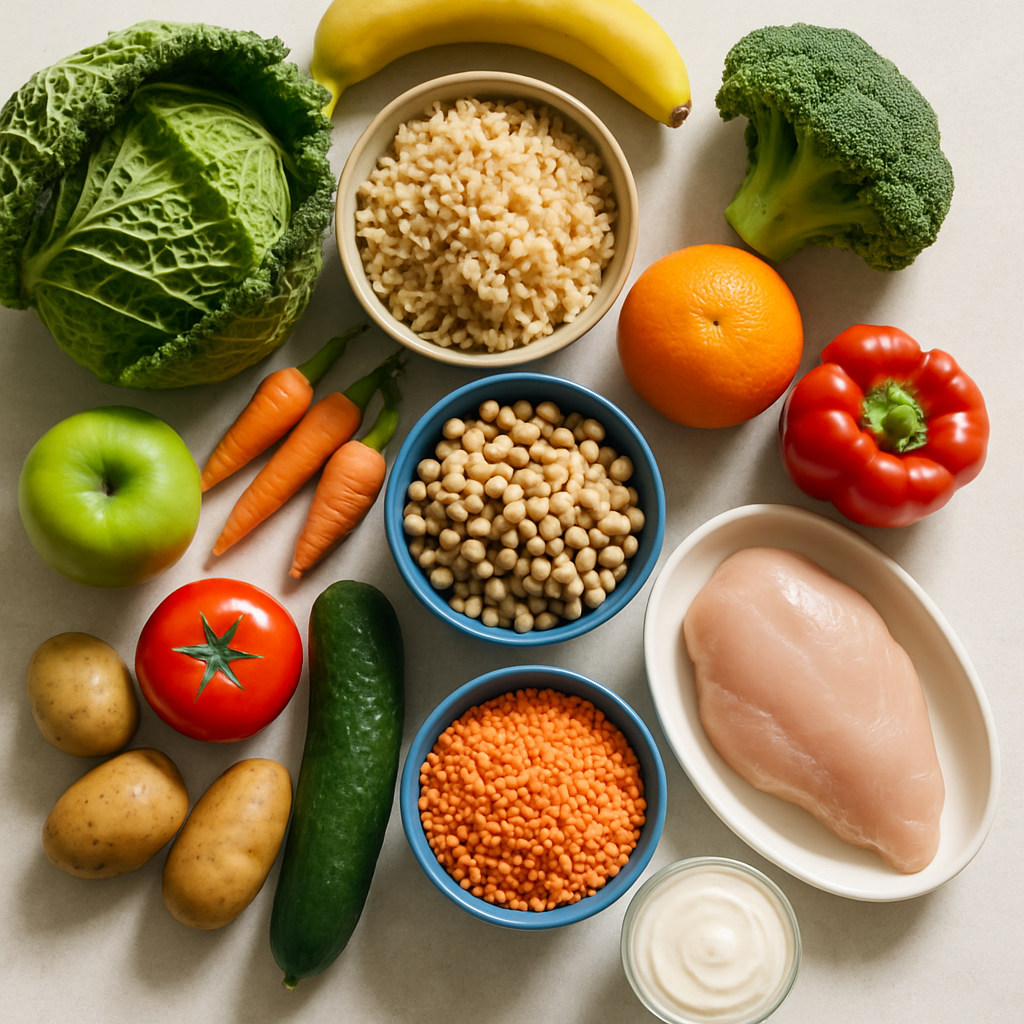
A practical fresh food shop doesn't need to be complicated. The following categories cover most nutritional bases at very low cost:
Carbohydrates and bulk: Oats, rice, potatoes, wholemeal bread. These are filling, versatile, and cheap. A 1.5kg bag of porridge oats costs around £2 and provides two weeks of breakfasts.
Protein: Eggs, tinned sardines or mackerel, lentils, chickpeas, and tinned tuna. A can of sardines in olive oil costs around £1.50 and delivers around 20g of protein alongside omega-3 fatty acids.
Vegetables: Frozen spinach, peas, and sweetcorn; fresh carrots, onions, and whatever is on offer seasonally. These form the nutritional backbone of meals without adding significant cost.
Fats and flavour: A bottle of olive oil, a block of butter, garlic, and a few core spices (cumin, smoked paprika, mixed herbs) will transform simple ingredients into something you actually want to eat. Bought once, they last months.
A weekly shop built around these categories for one person typically comes in at £20–£30, depending on where you shop — often less than a few days of meal deals, takeaways, and snacks from a garage forecourt.
A note on convenience
One of the genuine advantages of junk food is convenience — it requires no thought, no prep, and no washing up. That's a real benefit, especially on busy days, and it's worth acknowledging rather than dismissing.
But fresh food doesn't have to mean elaborate cooking. A bowl of oats with frozen berries takes three minutes. Scrambled eggs on toast takes five. A tin of mackerel with some microwaved frozen veg and rice takes less than ten. Simple fresh meals can match junk food for convenience on most occasions — they just require knowing a handful of go-to combinations.
The mental load is often the bigger barrier than the actual time. Knowing what you're going to eat before you're hungry is more than half the battle. When there's already a plan in place, reaching for the fresh option becomes the path of least resistance.
Practical takeaways
Here's what you can act on today:
- Swap one snack a week to a boiled egg, a portion of oats, or some carrot sticks with hummus — each costs less than most packaged snacks and provides substantially more nutrition
- Build your freezer up with frozen spinach, peas, and edamame — they're cheaper than fresh, last longer, and are nutritionally excellent
- Buy pulses in bulk, dried or tinned — lentils, chickpeas, and kidney beans are among the cheapest protein sources available anywhere
- Plan three or four meals before you shop, not after — this alone will cut your food waste significantly and make your fresh food budget go further
- Learn five cheap, fast meals you genuinely enjoy — a reliable repertoire is worth more than any single recipe
If you want a full week of macro-balanced meals planned around your budget and goals, Macrology generates macro-perfect meal plans in seconds — https://macrology.app/signin
The gap between "eating well" and "eating cheaply" is much narrower than it looks. The foods that offer the most nutritional value per pound aren't premium products — they're the unassuming staples that have always been on the bottom shelf. It's just a case of knowing which ones to reach for.
Want meals like this planned to your exact macros?
Macrology generates a personalised meal plan in seconds — breakfast, lunch, dinner and snacks, all hitting your daily targets.
Start your free 14-day trial