Creatine: What the Evidence Actually Says and Who Might Benefit
# Creatine: What the Evidence Actually Says and Who Might Benefit
Creatine is one of the most researched supplements in existence, yet it still gets lumped in with protein powders and pre-workouts as something only serious gym-goers need to think about. The reality is a bit more interesting than that.
What Creatine Actually Is
Your body already makes creatine — about 1–2 grams per day — using amino acids from the food you eat. It's stored primarily in your muscles, where it plays a key role in producing rapid energy during short, intense bursts of effort. Think sprinting, lifting, or any activity where you need a quick, powerful output.
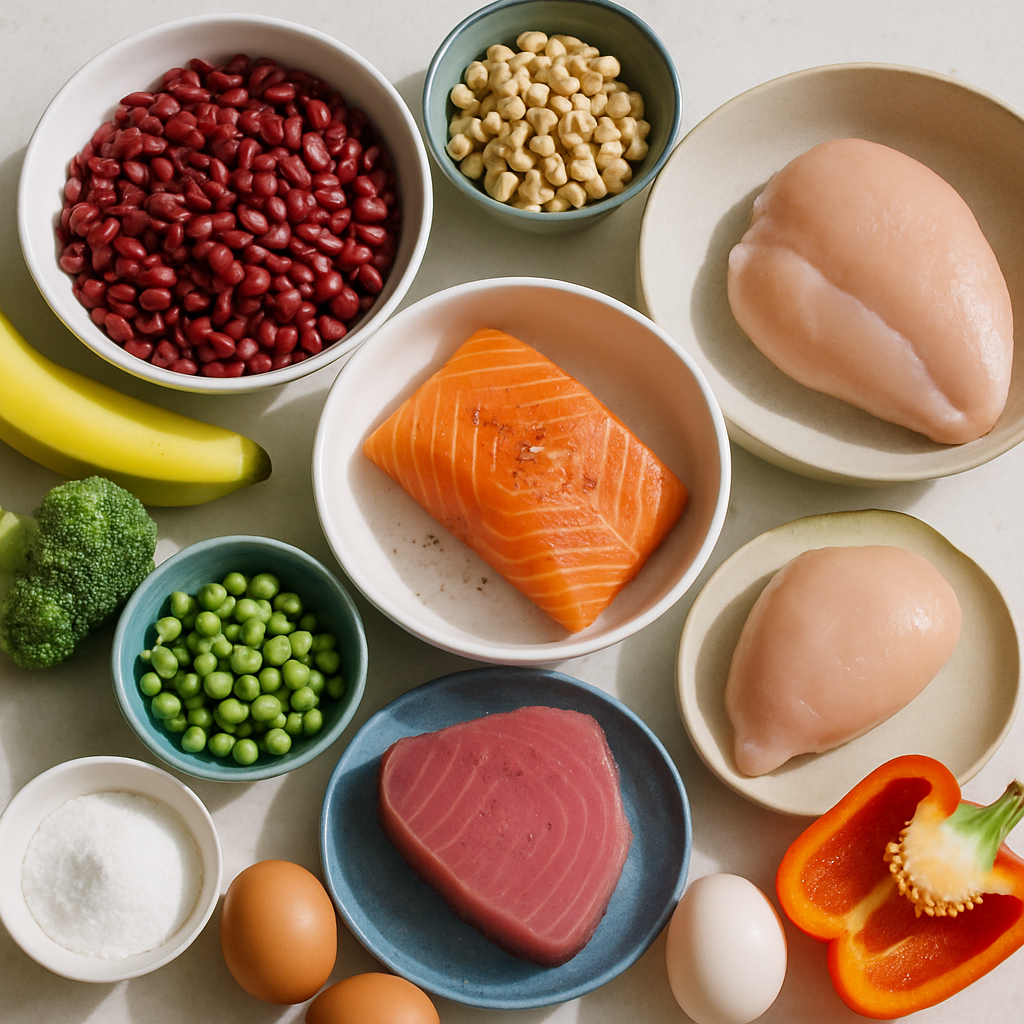
You also get creatine from food, particularly red meat and fish. A 200g steak contains roughly 1–2g. The challenge is that even a high-protein diet rarely delivers enough to meaningfully top up muscle stores — which is where supplementation comes in.
The most common and well-studied form is creatine monohydrate. Despite what supplement marketing might suggest, no other form has been shown to perform better.
What the Research Actually Shows
The evidence base for creatine is genuinely strong, which is unusual in the supplements world. Dozens of well-designed studies consistently show it can increase strength and power output, particularly during repeated high-intensity efforts.
In practical terms, this typically means being able to do an extra rep or two, recover faster between sets, or sustain higher-quality training over time. The cumulative effect of that — more work done, more consistently — is where the real benefit sits.
It also causes the muscles to retain more water, which leads to a small initial increase in body weight (usually 1–2kg). This isn't fat gain; it's intramuscular fluid. Worth knowing if you're tracking your weight and wondering why the scales shifted.
More recently, researchers have been exploring creatine's effects on cognitive function, particularly in sleep-deprived states or among older adults. The findings are early but promising — the brain uses creatine too, and supplementation appears to support mental performance under certain conditions.
Who Might Actually Benefit
The clearest candidates are people doing resistance training or high-intensity sport. If your training involves explosive efforts — weightlifting, sprinting, team sports — the research is on your side.
Older adults are increasingly recognised as a group who could benefit. Muscle mass naturally declines with age, and creatine combined with resistance training has shown meaningful effects on preserving strength and function. It's not just a young person's supplement.
Vegetarians and vegans tend to have lower baseline creatine stores because they're not getting dietary creatine from meat or fish. Some studies show they respond particularly well to supplementation, with noticeable improvements in both physical and cognitive measures.
If you're doing mostly steady-state cardio — long runs, cycling at moderate intensity — the evidence is thinner. Creatine helps with power and repeated short efforts, not endurance in the traditional sense.
Practical Takeaways
A few things worth knowing if you're considering it:
- Standard dose: 3–5g per day is what most research supports. There's no strong evidence that "loading" (taking 20g/day for a week) offers long-term advantages.
- Timing is flexible: Despite what you might read, there's no magic window. Taking it consistently matters far more than taking it at a specific time.
- It's safe for most people: Creatine is one of the most safety-tested supplements available. For healthy adults, long-term use hasn't been shown to cause kidney or liver issues — though if you have an existing kidney condition, it's worth checking with your GP first.
- It takes time: Muscle stores take a few weeks to saturate. Don't expect to feel different after day one.
- Cheap and simple: Creatine monohydrate is inexpensive. There's no need for fancy formulations.
The bottom line is that creatine is one of the rare supplements where the hype and the evidence actually point in the same direction — within the right context. It's not a magic fix, but for the right person doing the right type of training, it's a genuinely useful tool.
---
Of course, supplements are only part of the picture. Getting your overall nutrition right — hitting your protein targets, eating enough to fuel your training — matters far more than any individual supplement. If you want a straightforward way to make sure your daily meals are built around your goals, Macrology generates macro-perfect meal plans in seconds — https://macrology.app/signin
Want meals like this planned to your exact macros?
Macrology generates a personalised meal plan in seconds — breakfast, lunch, dinner and snacks, all hitting your daily targets.
Start your free 14-day trial