The Role of Omega-3 in Recovery and Why Most People Don't Get Enough
# The Role of Omega-3 in Recovery and Why Most People Don't Get Enough
If you've ever wondered why your muscles feel sore for days after a tough session, or why inflammation seems to linger longer than it should, your diet might have something to say about it. Omega-3 fatty acids play a surprisingly significant role in how well your body recovers — and most people in the UK are falling well short of what they need.
What Omega-3 Actually Does in the Body
Omega-3s are a family of essential fats, meaning your body can't produce them on its own — they have to come from food. The two that matter most for recovery are EPA (eicosapentaenoic acid) and DHA (docosahexaenoic acid), both found primarily in oily fish.
These fats are directly involved in regulating the body's inflammatory response. After exercise or physical stress, your body triggers inflammation as part of the repair process — that's normal and necessary. Omega-3s help modulate that response, so it does its job and then settles down, rather than grinding on longer than needed.
There's also solid evidence linking omega-3 intake to reduced muscle soreness, better joint mobility, and even improved muscle protein synthesis when combined with adequate protein. For anyone training regularly, that's not a small detail.
Why Most People Aren't Getting Enough
The British Heart Foundation recommends eating two portions of fish per week, at least one of which should be oily. Survey data consistently shows that the majority of UK adults don't come close to hitting that target.
Part of the problem is that the modern diet is heavily skewed towards omega-6 fatty acids — found in vegetable oils, processed foods, and most snack products. Both omega-3 and omega-6 compete for the same metabolic pathways in the body. When omega-6 intake is disproportionately high, it can blunt the effect of whatever omega-3 you do consume.
The result is a dietary ratio that, for many people, is miles away from what the body functions best on. It doesn't require perfect eating to fix — just a few consistent shifts.
The Best Food Sources to Know About
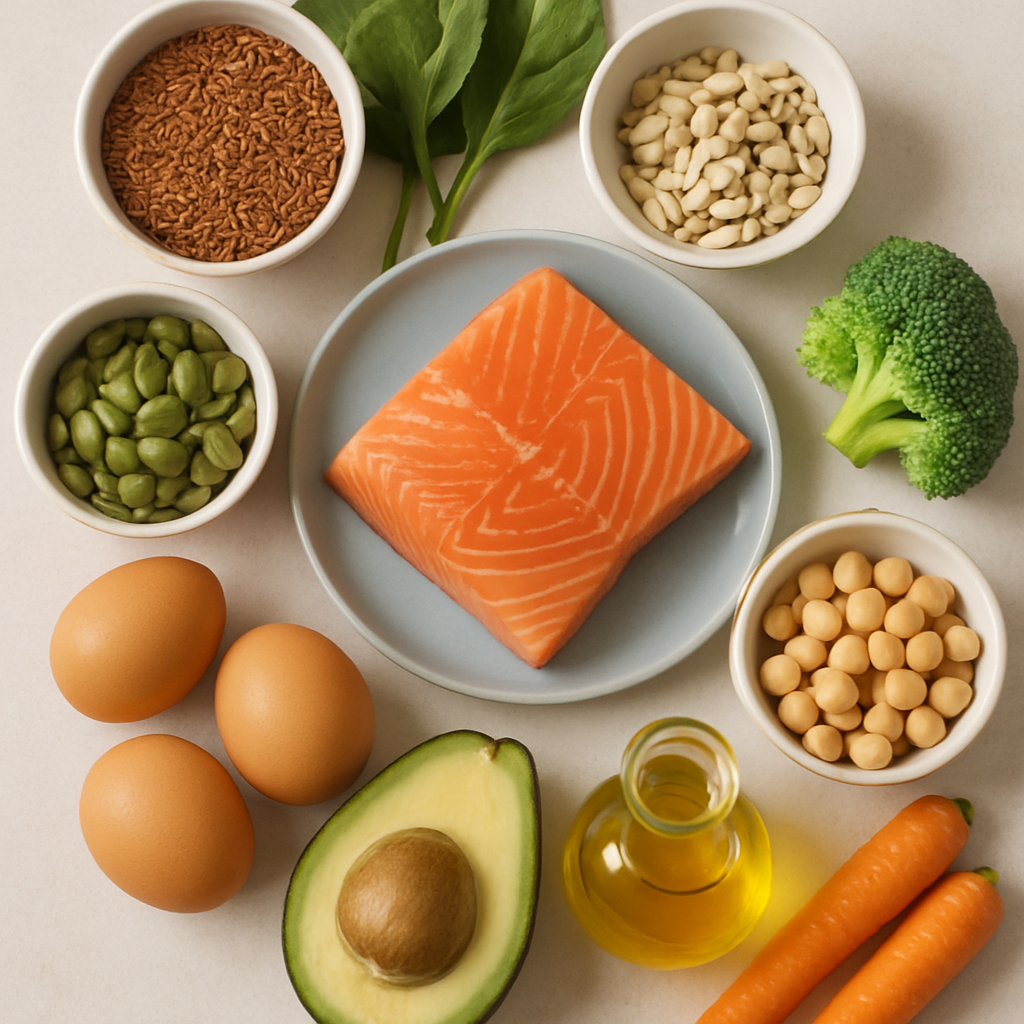
Oily fish is the gold standard: salmon, mackerel, sardines, trout, and herring are all excellent sources of EPA and DHA. A single 140g portion of salmon provides around 3–4g of EPA and DHA combined — a strong contribution towards your weekly needs in a single meal.
For those who don't eat fish, algae-based omega-3 supplements are worth knowing about. They're the original source — fish are rich in omega-3 because they eat algae. Algae oil provides DHA and increasingly EPA too, making it a genuinely useful option rather than a compromise.
Plant sources like flaxseed, chia seeds, and walnuts contain ALA (alpha-linolenic acid), another type of omega-3. The catch is that the body converts ALA to EPA and DHA very inefficiently — typically less than 10%. They're worth including, but they're unlikely to move the needle on their own if recovery is the goal.
How to Actually Shift Your Intake
The practical gap for most people isn't knowledge — it's habit. Oily fish can feel like a faff to cook, especially on busy weekdays, but it doesn't have to be.
Tinned mackerel or sardines are among the most affordable, nutrient-dense foods available in any UK supermarket. Stir them through pasta, pile them on toast, or add them to a grain bowl — no recipe required. Smoked salmon needs nothing more than eggs or a wholegrain wrap to become a genuinely solid meal.
If you're using a supplement, 1–2g of combined EPA and DHA per day is a commonly used target for those looking to support recovery, though it's always worth checking with a healthcare professional if you have specific health considerations.
Practical Takeaways
- Aim for two portions of oily fish per week as a baseline — tinned counts
- Reduce reliance on highly processed snacks and seed oils where easy to do so
- If you don't eat fish, look for an algae-based omega-3 with both EPA and DHA
- Don't rely on flaxseed or walnuts alone if recovery is your main focus
- Pair omega-3 intake with adequate total protein — they work better together
If you want to build recovery-supporting meals into your week without the planning headache, Macrology generates macro-perfect meal plans in seconds — https://macrology.app/signin
Getting enough omega-3 isn't about an overhaul — it's about making a handful of foods a regular part of how you eat. Small, consistent habits tend to do far more than the dramatic ones.
Want meals like this planned to your exact macros?
Macrology generates a personalised meal plan in seconds — breakfast, lunch, dinner and snacks, all hitting your daily targets.
Start your free 14-day trial