How to Make a Perfect Tikka Masala
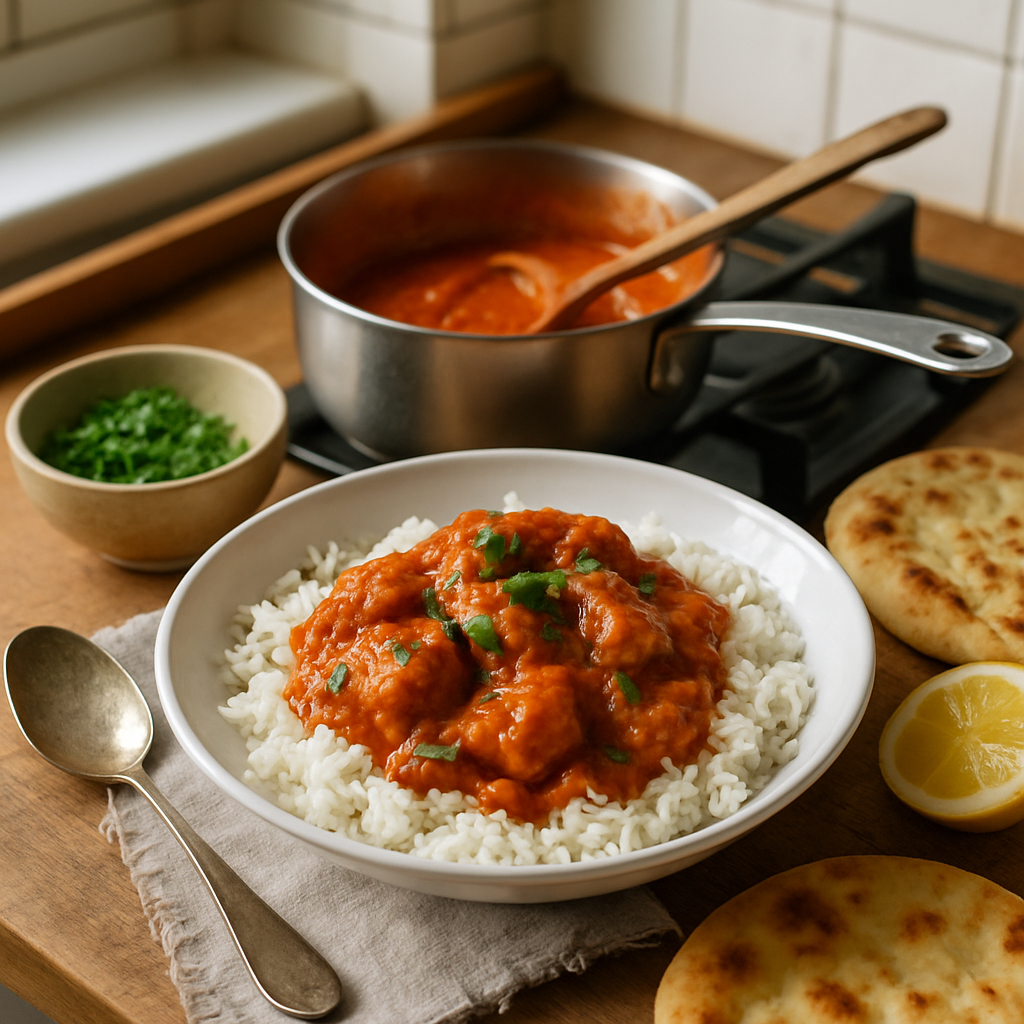
There's a reason tikka masala has become one of Britain's most beloved dishes — it's deeply warming, rich without being heavy, and delivers that satisfying combination of spice and creaminess that's hard to beat. Making it at home is far easier than most people think, and the results are genuinely better than your average takeaway.
The Marinade Is Where It All Starts
The difference between a good tikka masala and a great one begins long before the sauce. Marinating your chicken (or paneer, if you're going meat-free) gives you that characteristic charred depth that defines the dish.
For the marinade, combine:
- Full-fat yoghurt — helps tenderise the protein and carries the spices
- Ground cumin, coriander, turmeric, garam masala, and a pinch of chilli powder
- Fresh ginger and garlic — grated, not powdered
- A squeeze of lemon juice and a pinch of salt
Coat your chicken pieces thoroughly and leave them for at least 30 minutes, though overnight in the fridge is ideal. When it comes to cooking, a very hot griddle pan or grill gives you those slightly charred edges that add real character to the finished dish.
Don't skip this step — it's what separates a tikka masala from a plain tomato curry.
Building the Sauce
The sauce is where tikka masala earns its reputation. It should be silky, gently spiced, and have that distinctive orange-red colour without being overly sweet.
Start by softening a large onion in a generous glug of oil over a medium-low heat — this takes patience, about 10–12 minutes, but it creates a naturally sweet base. Add your grated ginger and garlic, cook for another couple of minutes, then add:
- 1 tsp cumin, 1 tsp coriander, ½ tsp turmeric, 1 tsp garam masala
- 1 tsp smoked paprika — this is the quiet star of the sauce, adding warmth and colour
- A tin of chopped tomatoes
Let the tomatoes cook down for at least 15 minutes until the sauce darkens and thickens. At this point, blend it smooth if you want that classic restaurant texture. Then stir in double cream or coconut cream, adjust your seasoning, and add the cooked chicken pieces. Simmer gently for 10 minutes so everything comes together.
A small knob of butter stirred in at the end is optional, but it gives the sauce a glossy, restaurant-quality finish.
Getting the Macros Right
Tikka masala can vary wildly in its nutritional profile depending on how it's made. A restaurant version can easily push past 700 calories per portion before you've added rice, largely due to generous amounts of cream and butter.
At home, you have complete control. Swapping double cream for coconut cream reduces saturated fat while keeping the richness. Using chicken breast instead of thighs lowers the total fat further without sacrificing too much flavour, especially given how well the marinade does its job.
Serving with basmati rice rather than naan gives you a better carbohydrate-to-protein ratio for the meal overall. A home-cooked tikka masala made this way typically lands around 450–500 calories per portion, with a solid 35–40g of protein — making it genuinely one of the more balanced comfort food meals you can put on the table.
What Makes This Work Nutritionally
- Chicken breast provides lean protein that supports muscle maintenance and satiety
- Yoghurt in the marinade adds a small additional protein boost and calcium
- Tomatoes contribute lycopene and vitamin C, both of which are better absorbed when cooked with fat
- Spices like turmeric and ginger have well-documented anti-inflammatory properties, though the amounts in a single meal are modest
- Basmati rice has a lower glycaemic index than many other white rices, meaning a steadier energy release
Practical Takeaways
- Marinate overnight where possible — even 30 minutes makes a noticeable difference
- Char the chicken before it goes into the sauce — this step is non-negotiable for flavour
- Cook the onion and tomatoes down properly — rushing these stages is the most common mistake
- Blend the sauce for that smooth, restaurant-style texture
- Taste and adjust seasoning at the end — a little more garam masala or a pinch of sugar can balance everything out
If you want to hit specific calorie or protein targets without the guesswork, Macrology generates macro-perfect meal plans in seconds — https://macrology.app/signin
> Macrology tip: Add this tikka masala to your Macrology meal plan and the app will automatically calculate the full macro breakdown per serving — adjusting portion sizes to fit your daily targets without any manual tracking.
Want meals like this planned to your exact macros?
Macrology generates a personalised meal plan in seconds — breakfast, lunch, dinner and snacks, all hitting your daily targets.
Start your free 14-day trial