How to Use Your Spice Rack to Reduce Reliance on Shop-Bought Sauces
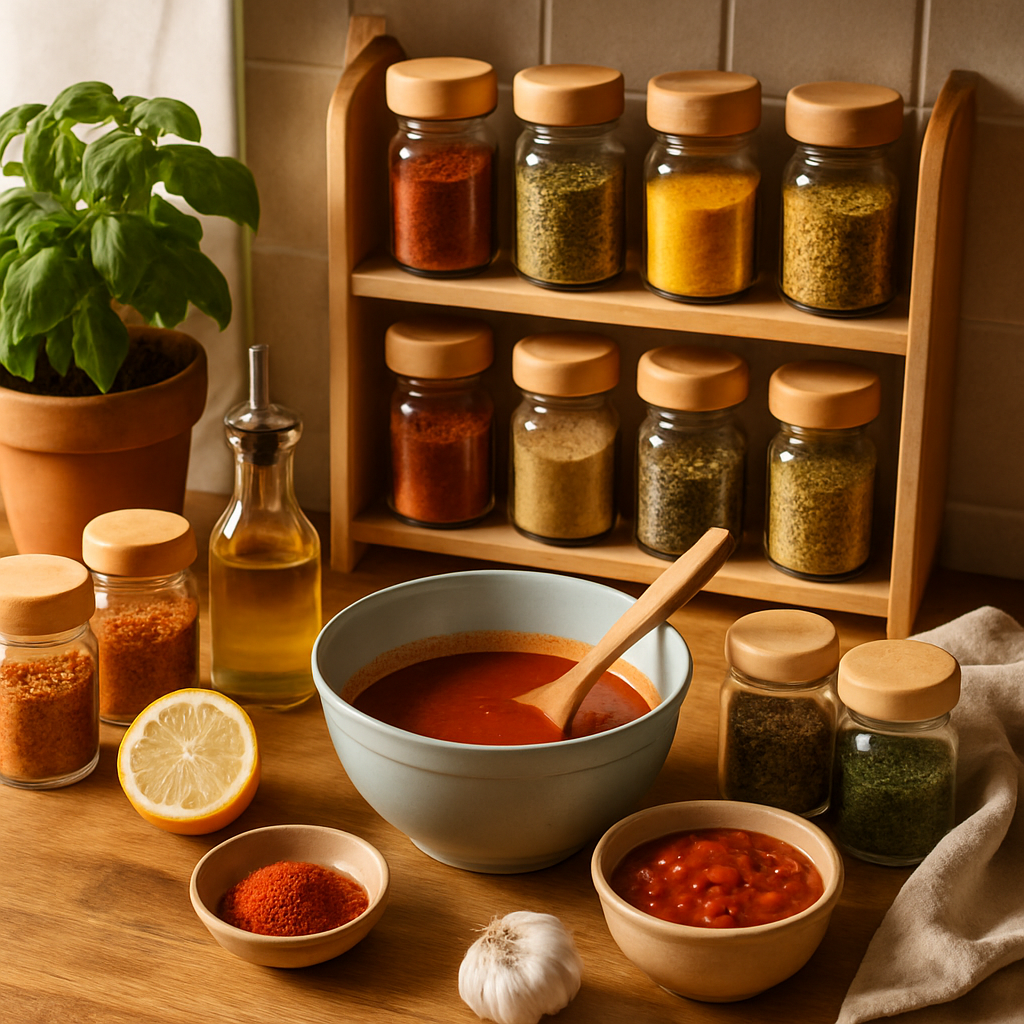
# How to Use Your Spice Rack to Reduce Reliance on Shop-Bought Sauces
Most people have a spice rack gathering dust and a fridge door full of half-used jars. The two problems solve each other — you just need to know how.
Shop-bought sauces are convenient, no question. But once you understand what's actually going on inside them — and how simple it is to recreate those flavours from scratch — the jar starts to feel less essential and more optional.
What's Actually in Those Jars?
Pick up a bottle of stir-fry sauce, a jar of curry paste, or a shop-bought marinade and turn it over. You'll almost always find the same cast of characters: salt, sugar, modified starch, and a modest amount of actual flavouring ingredients buried somewhere in the middle of the list.
That's not a scandal — it's just how shelf-stable products are made. Manufacturers need consistent flavour, long shelf life, and a low production cost. Salt and sugar are reliable flavour carriers. Starch thickens cheaply. The actual aromatics — garlic, ginger, cumin, coriander — are often there in smaller quantities than you'd expect.
The issue isn't that these sauces taste bad. Many of them taste great. The issue is that you're largely paying for water, salt, and packaging, and handing over control of your sodium and sugar intake in the process. For anyone tracking macros or managing their nutrition, that lack of transparency can be genuinely frustrating.
Why Spices Are the Smarter Foundation
Whole and ground spices are, at their core, concentrated flavour. A teaspoon of smoked paprika, toasted cumin, or ground coriander delivers a remarkable amount of taste for almost no calories, no added sugar, and negligible sodium.
Beyond flavour, many spices carry a decent body of research behind them. Curcumin — the active compound in turmeric — has been studied extensively for its anti-inflammatory properties. Capsaicin from chilli has been linked to modest effects on metabolism and appetite. Cinnamon has been investigated for its potential role in blood sugar regulation. These aren't magic bullets, and the effect sizes in studies are often modest, but the point stands: spices bring more to the table than flavour alone.
When you build a dish around your own spice combinations, you also build in flexibility. Too much heat? Dial back the chilli. Want more warmth? Add another pinch of cinnamon or allspice. That kind of responsive cooking is impossible when you're pouring from a jar.
What the Evidence Shows
The research on home cooking versus reliance on convenience foods is fairly consistent. A 2017 study published in the International Journal of Behavioural Nutrition and Physical Activity found that people who cooked at home more frequently had better overall diet quality — lower calorie intake, less sugar, and more nutritional variety — compared to those who relied heavily on ready-made products.
Shop-bought sauces sit in an interesting middle ground. They're not the same as a full ready meal, but they do contribute meaningfully to sodium intake. Public Health England (now UKHSA) flagged sauces and condiments as one of the top contributors to excess salt in the UK diet. The average shop-bought pasta sauce, for example, can contain anywhere from 0.6g to 1.2g of salt per serving — and most people use more than one serving.
Cooking from spices sidesteps this almost entirely. You control the salt entirely, which means you can season thoughtfully rather than inheriting someone else's formula.
Building Blocks: The Spice Combinations Worth Knowing
You don't need to memorise a hundred recipes. A handful of reliable spice blends will cover the majority of dishes most people cook week to week.
For a quick curry base: Cumin, coriander, turmeric, and garam masala. Toast the whole spices briefly if you have them, or simply bloom ground spices in a little oil before adding your onion. Add fresh garlic and ginger if you have them; garlic powder and ground ginger work fine in a pinch.
For a smoky, versatile rub or sauce base: Smoked paprika, garlic powder, onion powder, cumin, and a pinch of cayenne. This works on chicken, roasted vegetables, and pulses equally well. Add a splash of cider vinegar and a little tomato purée and you have something close to a barbecue-style sauce.
For a Chinese-inspired stir-fry: Five spice, white pepper, garlic, and ginger — plus soy sauce and a small amount of rice vinegar. This is one case where you'll still reach for a condiment, but you're now building the sauce yourself rather than pouring it pre-made.
For a warming Mexican-style blend: Cumin, smoked paprika, oregano, chilli powder, and a pinch of cinnamon. Works in bean dishes, mince, and roasted squash.
Common Mistakes That Put People Off
The biggest reason people give up on cooking from spices is a bad early experience — usually the result of one of a few predictable errors.
Using old spices is the most common culprit. Ground spices lose their potency relatively quickly. If yours have been sitting in the back of a cupboard for two or three years, they may smell faintly of the original flavour but deliver very little in the pan. A good rule of thumb: if you can't smell it clearly when you open the jar, it's not going to do much for your food. Replace the ones you use regularly every 12–18 months.
Not giving the spices heat early enough is the other main issue. Ground spices need a brief moment in hot oil or a dry pan to activate properly — this is called blooming, and it makes a significant difference to the depth of flavour you get. Thirty seconds to a minute in the pan before you add wet ingredients is usually enough.
Adding too many spices at once can create a muddy, indistinct flavour rather than something coherent. Start with two or three core spices, taste as you go, and build from there.
Practical Ways to Cut Down on Jars This Week
Rather than overhauling everything at once, the easiest approach is substitution one meal at a time.
Next time you'd reach for a jar of pasta sauce, try tinned tomatoes instead, with a generous pinch of dried oregano, smoked paprika, garlic powder, and a small amount of chilli flakes. Simmer it for ten minutes and it will taste more like your own recipe than anything from a jar.
When you'd normally use a sachet of spice mix for a curry or chilli, check what's already in your rack. Most commercial spice sachets are combinations of things you likely already own — they're just pre-measured and marked up considerably.
Keep a small notebook or use your phone to jot down the combinations that work. Building your own informal flavour library is genuinely one of the most useful things you can do for your everyday cooking. Over time, it becomes instinctive.
If you want to make sure your home-cooked meals are hitting the right macros as well as tasting good, Macrology generates macro-perfect meal plans in seconds — https://macrology.app/signin
Practical Takeaways
- Audit your spice rack this week. Smell each jar. Throw out anything that's more than 18 months old and replace the ones you use often.
- Pick one meal to rework from scratch using your own spice blend rather than a shop-bought sauce. Start with something familiar — a simple tomato-based pasta dish or a basic curry — where the flavour profile is easy to understand.
- Learn to bloom spices. Heat a little oil in a pan, add your ground spices, and stir for 30–60 seconds before adding anything else. It's a small step with a noticeable difference.
- Make your own simple spice blends in small batches. Mix a week's worth of your curry blend or BBQ rub in advance and store it in a small jar. It removes the friction from weeknight cooking.
- Don't aim for perfection. Your first homemade stir-fry sauce won't taste identical to the jar. That's fine — it'll taste like something you made, which tends to improve with repetition.
The spice rack isn't a project. It's already there. You just need a reason to use it.
Want meals like this planned to your exact macros?
Macrology generates a personalised meal plan in seconds — breakfast, lunch, dinner and snacks, all hitting your daily targets.
Start your free 14-day trial