How to Build Flavour Through Layering Fat at Different Stages of Cooking
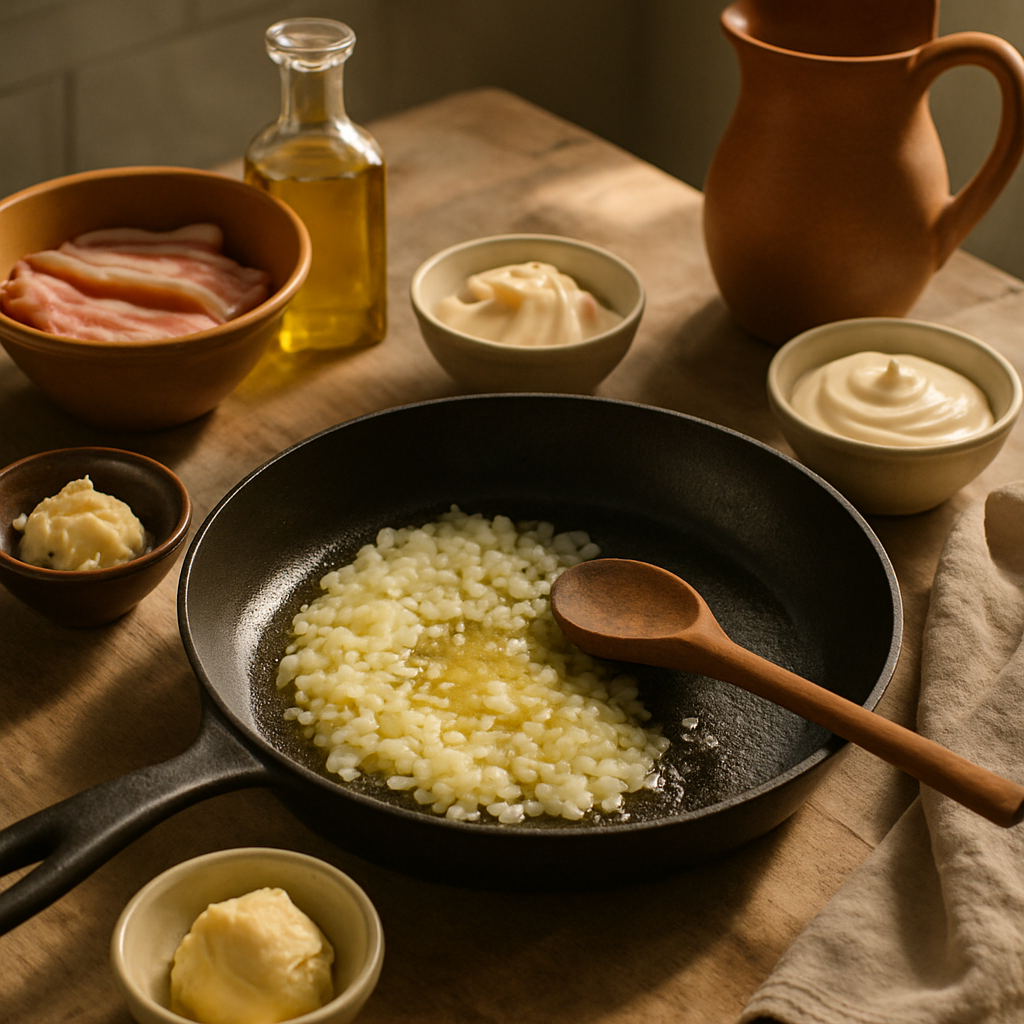
# How to Build Flavour Through Layering Fat at Different Stages of Cooking
There's a reason restaurant food often tastes more complex than the same dish made at home — and it's rarely about secret ingredients or professional equipment. More often than not, it comes down to how and when fat is added during cooking.
Layering fat at different stages of cooking is one of the most effective techniques you can learn, and once you understand the logic behind it, it changes how you approach almost everything in the kitchen.
What "Layering Fat" Actually Means
The phrase sounds more technical than it is. Layering fat simply means adding fat at multiple points throughout the cooking process, rather than using it only at the start. Each addition serves a different purpose and creates a different kind of flavour.
Fat added at the beginning of cooking creates the base — it's where aromatics like garlic, onion, and spices bloom and release their fat-soluble compounds. Fat added partway through changes texture and richness. Fat added at the end, off the heat, introduces brightness, freshness, or gloss.
When you only add fat once (usually a splash of oil to stop things sticking), you're leaving a lot of flavour on the table. The technique isn't complicated, but it does require thinking about why you're adding fat, not just when.
Why Fat Is So Central to Flavour
Fat is a flavour carrier. Many of the aromatic compounds in herbs, spices, garlic, and citrus zest are fat-soluble, meaning they only fully release their flavour when they come into contact with fat. This is why toasting spices in oil — rather than just adding them dry — produces a noticeably deeper result.
Fat also adds its own flavour. Butter, olive oil, coconut oil, and rendered animal fats each bring distinct characteristics to a dish. Butter has a nutty richness when browned. Extra-virgin olive oil has a grassy, peppery bite. Ghee adds a clean, concentrated dairy flavour without the milk solids burning.
Beyond taste, fat affects mouthfeel. A sauce finished with butter feels silkier and clings to pasta differently than one without. A curry finished with a spoonful of coconut cream tastes rounder. These aren't subtle changes — they're the difference between a dish that feels complete and one that doesn't.
Stage One: Building the Base
The first stage is where most people are already using fat, but not always getting the most out of it. When you heat oil or butter and add your aromatics, you're doing more than just softening them — you're using fat to extract flavour compounds that wouldn't otherwise make it into your finished dish.
Temperature matters here. Garlic in cold oil, slowly brought up to heat, releases its flavour gently and evenly. Garlic thrown into screaming hot oil can burn within seconds, turning bitter. Medium heat, patience, and a decent amount of fat — enough to coat everything, not just grease the pan — is the move.
This is also the stage where whole spices, dried chillies, or curry pastes can be bloomed. When cumin seeds hit warm oil, they crackle and release aromatic oils that you simply can't get from adding them dry later. If you've ever wondered why some home curries taste flat, this is often why.
Stage Two: Fat Mid-Cook
Adding fat partway through cooking is a step many recipes don't explicitly mention, but it's a common technique in restaurant kitchens. A knob of butter added to a pan sauce while it's reducing adds richness and helps the sauce emulsify. A drizzle of oil over roasting vegetables halfway through brings colour and helps them caramelise rather than steam.
When braising or making a slow-cooked stew, rendered fat from meat contributes enormously as the dish cooks. But for leaner proteins or vegetable-based dishes, you may need to introduce fat manually at this stage to achieve the same depth.
Basting is a good example. Spooning hot butter or pan juices over a piece of fish or chicken as it cooks doesn't just add fat — it continuously coats the surface, concentrating flavour and helping the exterior cook more evenly.
Stage Three: Finishing Fat
This is the stage that makes the biggest difference, and it's the one most often skipped. Finishing fat is added off or just before removing from the heat, and its purpose is different from the fat used in cooking.
A classic French technique — monter au beurre — involves whisking cold butter into a sauce at the last moment to add gloss, richness, and a rounded finish. The same logic applies to many cuisines: a drizzle of good extra-virgin olive oil over a finished minestrone, a spoonful of sesame oil stirred into a noodle dish, a little tahini swirled into a lentil soup.
Because finishing fat isn't exposed to prolonged heat, it retains its most volatile aromatic compounds — the ones that hit you in the nose before you even taste the dish. This is why a dish finished with fresh olive oil smells noticeably different from one where the same oil was cooked from the start.
The key is using a fat with flavour you actually want to taste, and not overdoing it. A teaspoon or two is usually enough to change a dish significantly.
What the Evidence Shows
Research consistently shows that fat plays a central role in flavour perception. A study published in Chemical Senses found that fat not only carries flavour molecules but actively enhances the persistence of certain taste compounds on the palate — which helps explain why dishes made with fat taste richer and more satisfying, even when the amount used is modest.
There's also evidence from food science that the timing of fat addition affects emulsification and texture. When fat is incorporated gradually rather than all at once, it integrates more smoothly with water-based elements like stocks and tomato bases, creating a more stable, glossy sauce.
This isn't just chef intuition — it's measurable chemistry. The practical takeaway is that using less fat more thoughtfully, at multiple stages, can produce better results than using more fat haphazardly.
Common Mistakes That Flatten Flavour
Using a neutral oil for everything is one of the most common habits that limits flavour. Sunflower oil won't do much in the finishing stage — it has almost no aroma. Saving flavoured fats (good olive oil, butter, sesame oil) for the right moments makes a meaningful difference.
Using too little fat at the base stage is another. Fat-free cooking at the start means aromatics steam rather than fry, and many flavour compounds never release properly. The result often tastes flat, no matter how many spices you add later.
Finally, adding finishing fat over high heat defeats the purpose. The volatile compounds that make it worth using evaporate quickly above around 80°C. Add it at the end, off or barely on the heat.
Practical Takeaways
Here's what you can apply today, without changing a single recipe:
- Start in enough fat to actually coat your aromatics — not a thin smear. Medium heat, not screaming hot.
- Bloom your spices in oil before adding liquids. Thirty seconds is enough.
- Baste mid-cook if you're cooking proteins — spoon the pan fat over the top repeatedly.
- Finish with something flavoured — a knob of butter, a drizzle of extra-virgin olive oil, or a splash of sesame oil, depending on the dish. Add it off the heat.
- Match the fat to the cuisine. Butter for French and Northern European dishes, olive oil for Mediterranean, sesame or chilli oil for East Asian dishes, ghee or coconut oil for South Asian cooking.
Once this becomes habit, you'll find most dishes benefit with no extra ingredients — just better timing.
If you want meal plans that already have this kind of cooking intelligence built in, Macrology generates macro-perfect meal plans in seconds — https://macrology.app/signin
Want meals like this planned to your exact macros?
Macrology generates a personalised meal plan in seconds — breakfast, lunch, dinner and snacks, all hitting your daily targets.
Start your free 14-day trial