How to Use Spice Blends to Transform Simple Weeknight Meals
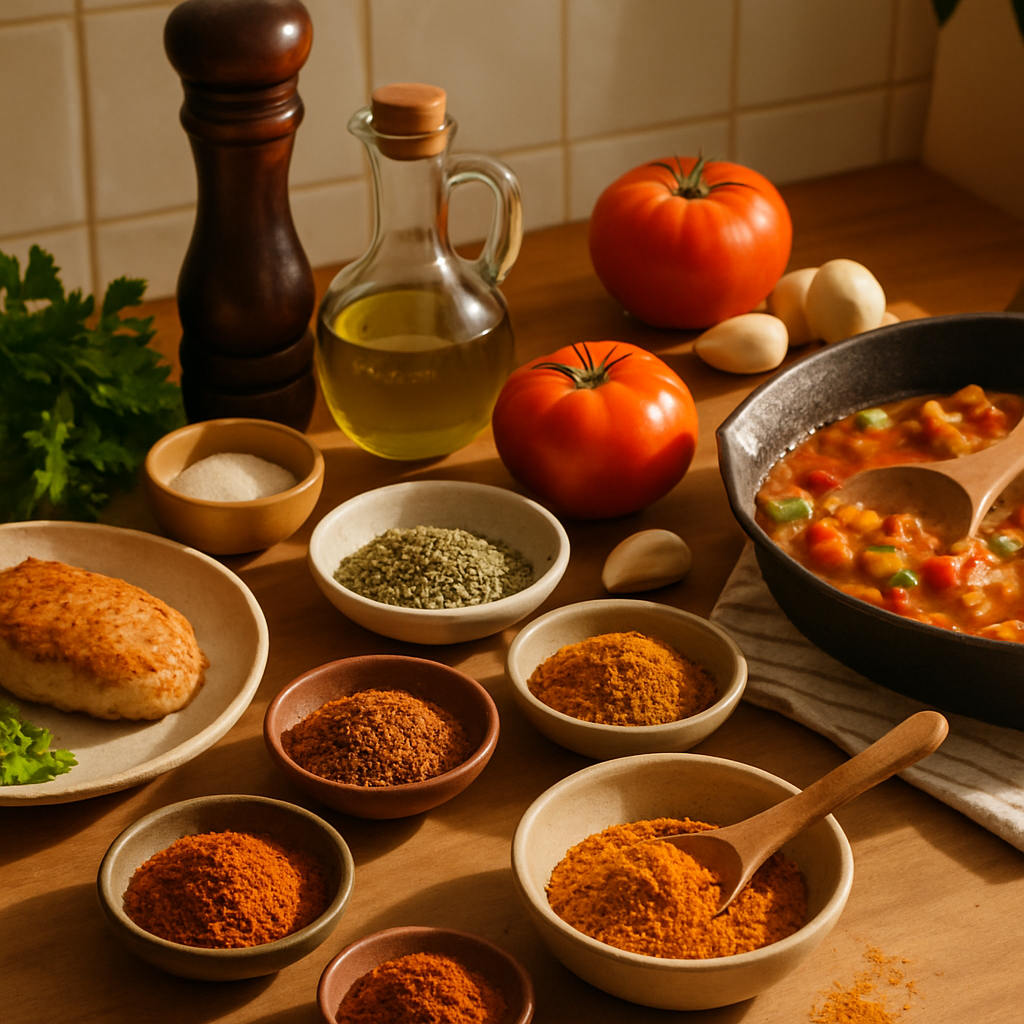
# How to Use Spice Blends to Transform Simple Weeknight Meals
A packet of chicken thighs, some tinned chickpeas, and a bag of rice. Sounds like a forgettable Tuesday dinner — until you open the spice cupboard. The difference between a meal you eat because you have to and one you genuinely look forward to often comes down to about a teaspoon of the right blend.
Spice blends are one of the most underused tools in everyday cooking. They collapse the gap between "I have ingredients" and "I have a meal" faster than almost anything else, and they do it without requiring any particular technique or culinary confidence.
Why Spice Blends Are Worth Taking Seriously
There's a tendency to treat spice blends as shortcuts — something for when you can't be bothered to cook properly. That's the wrong way to think about them.
Professional chefs and home cooks across the world have been building complex spice blends for centuries, not because they were cutting corners, but because layering spices together creates flavour compounds that no single ingredient can produce alone. Garam masala, for example, isn't just a mix of spices — it's the product of dry-roasting whole spices to develop aromatic depth before grinding. The blend is the technique.
When you use a well-made blend, you're accessing that collective knowledge in seconds. That's not cheating. That's cooking intelligently.
The Building Blocks: Understanding What's in a Blend
Most spice blends follow a loose logic: a base of warming aromatics, some earthy depth, a little heat, and something to tie it together.
Take ras el hanout, the North African blend whose name roughly translates to "head of the shop" — traditionally the best the spice merchant had to offer. It typically includes cumin, coriander, cinnamon, ginger, turmeric, cardamom, and sometimes rose petals or lavender. Each spice plays a role: the cumin and coriander give earthiness, the cinnamon and cardamom add warmth and sweetness, the turmeric brings colour and a faint bitterness that balances the rest.
Understanding even a rough version of this logic helps you use blends more confidently. If you know that cumin-heavy blends pair naturally with pulses and root vegetables, and that fennel-forward blends work well with pork or fish, you can start improvising without needing a recipe for every meal.
Here are a few versatile blends worth keeping in your cupboard:
- Ras el hanout — lamb, root vegetables, couscous, slow-cooked chickpeas
- Smoked paprika blends (like pimentón) — eggs, potatoes, white beans, chicken
- Za'atar — flatbreads, roasted vegetables, yoghurt dressings, eggs
- Chinese five-spice — pork, duck, aubergine, noodles
- Baharat — minced beef, rice dishes, lentils, roasted cauliflower
- Garam masala — lentil soups, chicken, potato dishes, yoghurt marinades
How to Apply a Spice Blend (and When to Add It)
This is where a lot of home cooks lose the flavour they're trying to build. Spices need heat and fat to bloom — to release their aromatic compounds fully. Sprinkling a blend onto a finished dish is better than nothing, but it won't give you the same depth.
The most effective method is blooming in fat. Add your spice blend to a pan with a little oil or butter for 30–60 seconds before adding any other ingredients. You'll know it's working when the kitchen starts to smell noticeably better. This step takes almost no extra time and makes a significant difference to the final flavour.
For marinades, mix the blend with a fat (olive oil, yoghurt, coconut milk) and give it as much time as you have — even 20 minutes makes a difference, but overnight is better. The fat carries the fat-soluble flavour compounds into the protein, so the taste goes all the way through rather than sitting on the surface.
If you're adding a blend to something liquid — a stew, a soup, a braise — add it early so it has time to mellow and integrate. Blends added at the end can taste sharp or dusty.
What the Evidence Shows
There's genuine nutritional research behind spices, beyond the flavour they provide. Many common spice blend ingredients have been studied for their bioactive compounds.
Turmeric, which appears in dozens of blends, contains curcumin — a compound with anti-inflammatory properties that has been studied extensively. The research is nuanced: curcumin has poor bioavailability on its own, but absorption increases significantly when combined with piperine (the active compound in black pepper) or with fat. Many traditional spice blends combine turmeric with pepper almost automatically — which turns out to be nutritionally smart as well as flavourful.
Cumin has been studied for its potential to support digestion and has shown some promising results in research around blood lipids. Cinnamon has been the subject of numerous trials looking at its effect on blood glucose regulation, with a 2013 meta-analysis in the Journal of Medicinal Food finding modest but consistent effects.
None of this means spice blends are medicine. But it does mean that cooking with varied, generous spicing is doing more than making dinner taste better — it's adding a range of plant compounds to your meals that processed convenience food typically strips out entirely.
Making Your Own vs. Buying Ready-Made
Both are legitimate options, and the honest answer is that it depends on your situation.
Buying a good ready-made blend is completely fine, and some commercial blends are excellent. The thing to look for is minimal fillers — some cheaper blends bulk out with excess salt, flour, or anticaking agents that dull the flavour. A blend where the first ingredients are actual spices is usually a reliable sign of quality.
Making your own gives you control over freshness and balance. Whole spices keep their flavour significantly longer than pre-ground ones — cumin seeds bought today will still be vibrant in 18 months; ground cumin bought at the same time will be noticeably duller within six months. A simple spice grinder (or a dedicated coffee grinder) costs around £15 and transforms what you can do with whole spices.
If you want to start making your own, a simple weeknight baharat is a good place to begin. Combine equal parts ground cumin, coriander, and black pepper with half parts each of cinnamon, cloves, and paprika. Toast them briefly in a dry pan, let them cool, then store in a glass jar. It will keep well for three to four months.
Practical Ways to Use Blends Tonight
Here's where this actually lands on a Tuesday evening when you're tired and hungry.
Rice and grains: Toast a teaspoon of ras el hanout or baharat in a little oil before adding your rice and water. The rice absorbs the spiced oil as it cooks and becomes something worth eating on its own.
Tinned chickpeas or lentils: Drain them, toss with olive oil and a spice blend, and roast at 200°C for 20–25 minutes. They come out crispy, deeply flavoured, and useful in salads, grain bowls, or as a simple side.
Eggs: Za'atar fried in butter before scrambling eggs into the same pan. That's it. Genuinely good.
Yoghurt sauce: Mix Greek yoghurt with a pinch of smoked paprika, garlic, and a teaspoon of za'atar. Serve alongside anything roasted. Takes 90 seconds.
Marinades: Combine any blend with olive oil and a squeeze of lemon. Coat chicken thighs and leave in the fridge. Cook when ready. The margin for error is very low and the result is always better than plain grilled chicken.
Your Practical Takeaways
Start small and specific. Pick one blend you don't currently use and buy a decent-quality version this week. Learn two or three dishes where it works naturally — look at where that cuisine uses it traditionally, because those pairings exist for good reason.
Get the blooming step right. It takes less than a minute and is the single biggest upgrade most home cooks can make to how they use spices.
Keep your blends somewhere visible, not buried in a back cupboard. The friction of having to search for something is enough to stop most people using it. If it's next to the hob, you'll reach for it.
Rotate your stock. Spices don't go off in a dangerous sense, but they do go dull. If a blend has been open for over a year and doesn't smell like much when you sniff it, replace it.
If you want meal plans that actually put these ingredients to work — building flavour, hitting your macros, and making your weekly shop feel purposeful — Macrology generates macro-perfect meal plans in seconds — https://macrology.app/signin
Want meals like this planned to your exact macros?
Macrology generates a personalised meal plan in seconds — breakfast, lunch, dinner and snacks, all hitting your daily targets.
Start your free 14-day trial