How to Cook Grains Perfectly Every Time
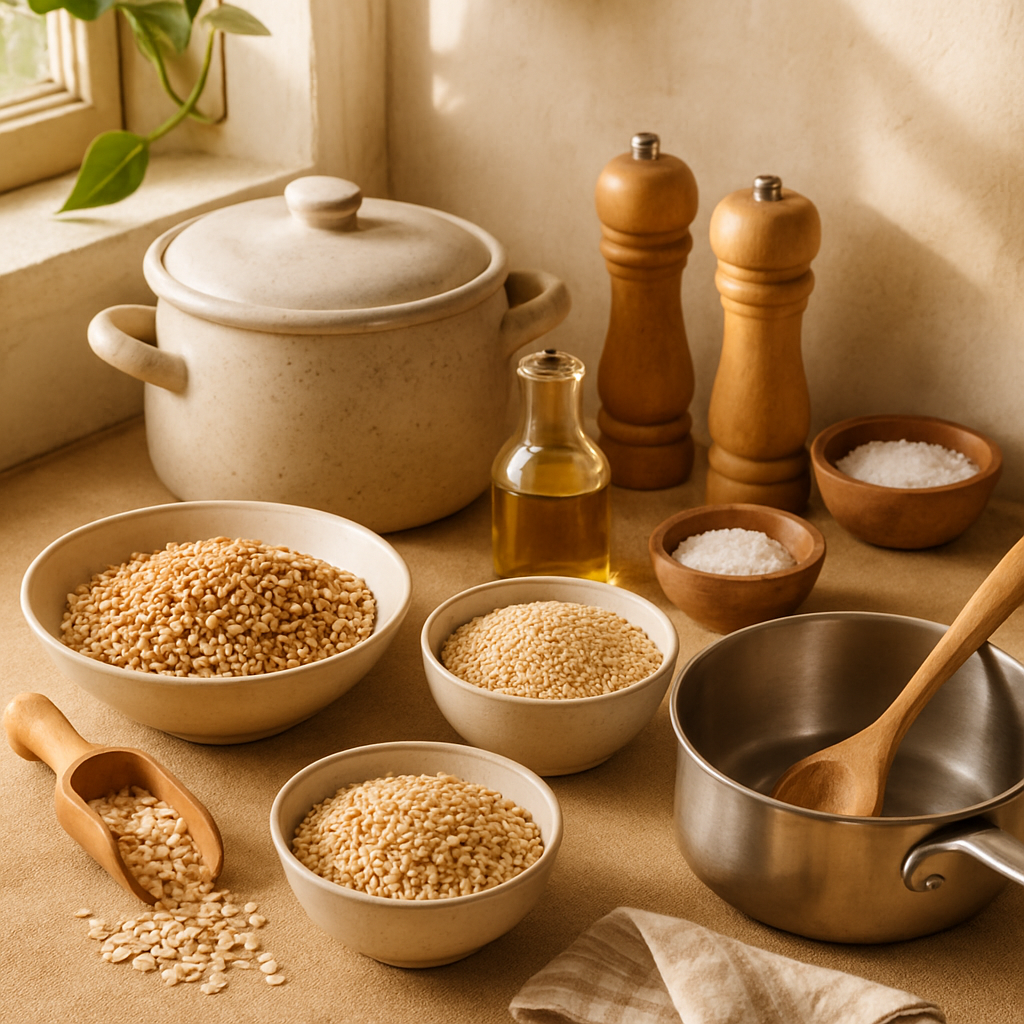
# How to Cook Grains Perfectly Every Time
Perfectly cooked grains are one of those kitchen fundamentals that quietly transforms your meals — yet most people wing it every time and end up with something mushy, crunchy, or glued to the bottom of the pan. A few simple principles, applied consistently, and you'll nail it without thinking.
Why Grains Go Wrong
The most common culprit is the water ratio. Every grain is different, and the "standard" advice to use twice as much water as grain simply doesn't work across the board.
Quinoa needs less water than most people use. Brown rice needs more time than white rice, not just more water. Pearl barley absorbs liquid slowly and rewards patience. Using a one-size-fits-all approach is where most kitchen frustration starts.
Heat control is the other big factor. Starting on a high heat and leaving it there leads to unevenly cooked grains — burnt on the bottom, underdone on top. A brief boil followed by a low simmer, lid on, is the method that works for almost every grain.
The Right Ratios (Saved for Quick Reference)
Here's a reliable reference for the most common grains, using a standard mug as your measure:
- White rice — 1 part rice to 1.5 parts water, 10–12 minutes on low
- Brown rice — 1 part rice to 2 parts water, 25–30 minutes on low
- Quinoa — 1 part quinoa to 1.75 parts water, 15 minutes on low
- Pearl barley — 1 part barley to 3 parts water, 45–50 minutes, drain excess
- Bulgur wheat — 1 part bulgur to 2 parts boiling water, take off the heat, lid on, 15 minutes
- Oats (porridge) — 1 part oats to 2–2.5 parts liquid, 5 minutes stirring on medium
Keep this list on your phone or stuck to a cupboard. Knowing your ratios takes the guesswork out entirely.
The Steam Rest — and Why It Matters
Most people lift the lid the second the timer goes off. Leaving the grains to rest, lid on, for 5–10 minutes off the heat makes a genuine difference to the texture.
During this rest, residual steam finishes the cooking gently and evenly. The grains firm up slightly, separate more easily, and don't clump. It's the step most recipes mention but few people bother with — and it's one of the simplest ways to improve your results immediately.
After resting, use a fork rather than a spoon to fluff the grains. A spoon crushes them together; a fork lifts and separates. It sounds minor, but the texture difference is noticeable.
Toasting, Salting, and Building Flavour
Cooking grains in plain water is fine, but there are easy ways to add flavour without any real effort.
Toasting dry before adding liquid is worth trying, particularly with quinoa and bulgur. Add the dry grain to a warm, dry pan for 2–3 minutes, stirring occasionally, until it smells nutty. Then add your liquid and cook as normal. It adds depth without any extra ingredients.
Swapping water for stock is another straightforward upgrade. Vegetable or chicken stock adds a savoury base that makes grains taste like part of the meal rather than a neutral side.
Salt matters more than you'd think. Adding a pinch of salt to the cooking water seasons the grain from the inside out — something that can't be fixed by salting at the table.
Practical Takeaways
The key things to take away from this:
- Match your water ratio to your grain — don't guess
- Bring to the boil, then drop the heat and put the lid on
- Rest off the heat for at least 5 minutes before serving
- Fluff with a fork, not a spoon
- Toast dry grains beforehand if you want more flavour with zero extra effort
- Season the cooking water, not just the finished dish
Batch cooking grains at the start of the week is one of the most practical things you can do for easier weekday meals — cooked grains keep well in the fridge for up to four days and reheat quickly with a splash of water.
If you want meal plans that already factor in your macros and make the most of batch-cooked staples like these, Macrology generates macro-perfect meal plans in seconds — https://macrology.app/signin
Want meals like this planned to your exact macros?
Macrology generates a personalised meal plan in seconds — breakfast, lunch, dinner and snacks, all hitting your daily targets.
Start your free 14-day trial