One-Pan Cooking: How to Build Flavour with Less Washing Up
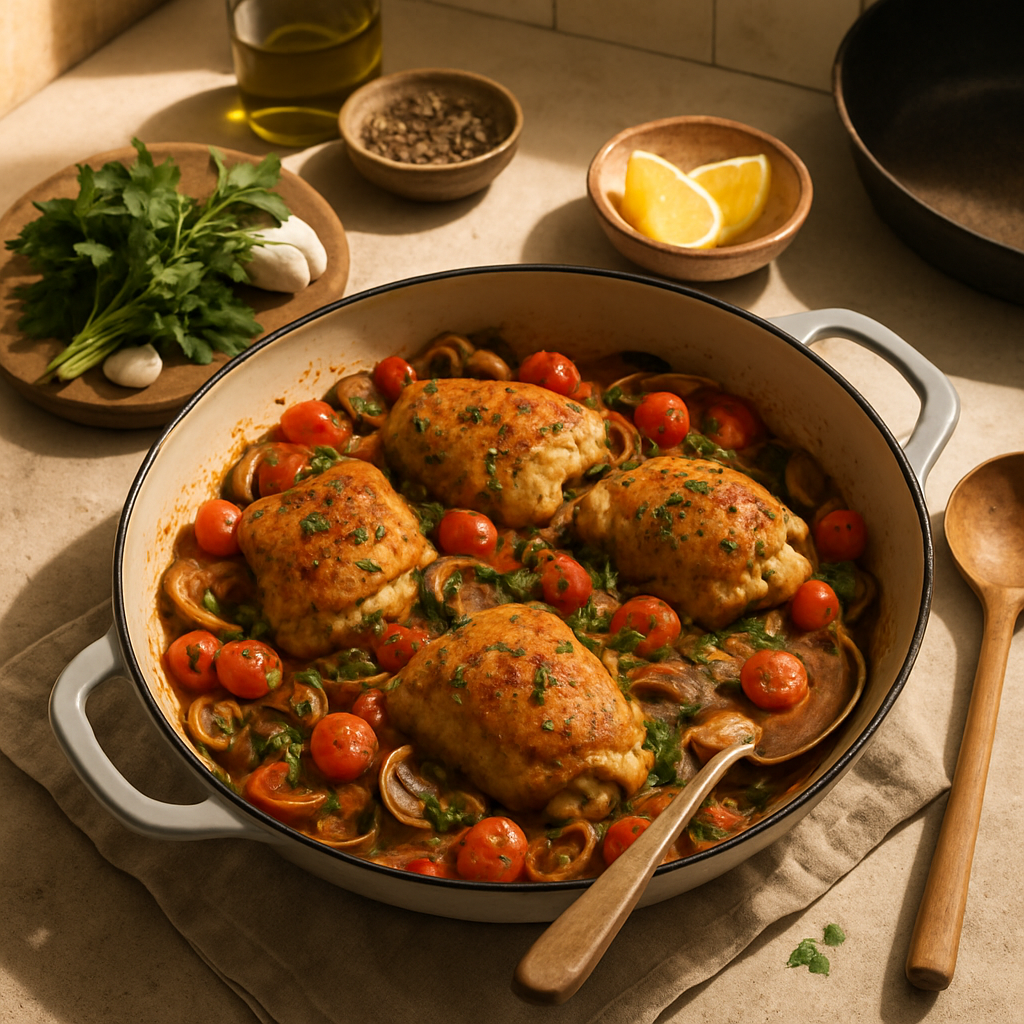
# One-Pan Cooking: How to Build Flavour with Less Washing Up
There's a particular kind of misery that comes from looking at a sink full of pots after you've already eaten. One-pan cooking isn't just about laziness — it's genuinely one of the best ways to build deep, layered flavour, because everything cooks together and shares its juices.
Why One-Pan Cooking Actually Works
The magic comes down to something called fond — the browned bits that stick to the bottom of a pan when you cook meat or veg at high heat.
When you add liquid, stock, or even a splash of water later in the cook, those bits dissolve back into the dish and become the base of your sauce. It's free flavour that most people scrub down the drain.
Using a single pan also means your ingredients absorb each other's aromas as they cook. Garlic infuses into oil, which coats your protein, which releases its juices into your veg. A collection of separate pans can't do that.
The Building Blocks of a One-Pan Meal
Most great one-pan dishes follow the same loose structure, and once you know it, you can improvise endlessly.
Start with aromatics. Heat your fat — oil, butter, or a mix — and add onion, garlic, ginger, or whatever suits the flavour direction you're going for. Give them a couple of minutes until they soften and smell good.
Add your protein next. Let it sit undisturbed for a minute or two so it develops colour rather than just steaming. Colour means flavour.
Build with veg and liquid. Add longer-cooking vegetables first (carrots, peppers, courgette), then pour in your stock, tinned tomatoes, coconut milk, or whatever liquid you're using. This lifts the fond and starts the sauce.
Finish with quick-cooking additions. Leafy greens, fresh herbs, lemon juice, or a handful of cooked pulses can go in at the end — they only need a minute or two and stay bright and fresh.
The Kit That Makes It Easier
You don't need anything fancy, but the pan you choose makes a real difference.
A wide, heavy-bottomed pan — a 28cm sauté pan or a cast iron skillet — gives you enough surface area to brown things properly without crowding. Crowding causes steaming, and steaming gives you grey, flavourless results.
A lid is worth having. It lets you switch from searing to gentle simmering without moving anything, which is how you get chicken thighs that are golden on the outside and cooked through in the middle.
If you're doing oven-based one-pan cooking (tray bakes, roasts), line your tray with foil or baking paper. It cuts washing up to almost nothing and stops your veg from catching on stuck-on residue from last time.
Flavour Shortcuts Worth Knowing
A few ingredients do a disproportionate amount of work in one-pan cooking.
Miso paste stirred into almost any sauce adds umami depth without you being able to identify it as miso. A teaspoon goes a long way.
Soy sauce or fish sauce — even a small dash — amplifies the savoury quality of whatever you're cooking and adds a rounded depth that's hard to achieve any other way.
Acid at the end — lemon juice, a splash of wine vinegar, or even a spoonful of yoghurt — lifts everything and makes the flavours feel brighter rather than flat.
Fresh herbs on top after cooking add a hit of freshness that cooked-in herbs can't give you. Keep a pot of basil or a bunch of coriander on the go and use it freely.
Putting It Into Practice
Next time you're cooking midweek, try this one-pan approach:
- Soften diced onion and garlic in olive oil for 3 minutes
- Add diced chicken thighs (or chickpeas for a plant-based version) and brown
- Tip in a tin of tomatoes, a splash of stock, and whatever veg needs using up
- Simmer for 20 minutes with the lid on
- Finish with a squeeze of lemon and fresh parsley
The whole thing takes about 30 minutes and leaves you with one pan, one wooden spoon, and a bowl.
If you want a week's worth of flavourful, macro-balanced meals without having to think through every single one, Macrology generates macro-perfect meal plans in seconds — https://macrology.app/signin
Want meals like this planned to your exact macros?
Macrology generates a personalised meal plan in seconds — breakfast, lunch, dinner and snacks, all hitting your daily targets.
Start your free 14-day trial