How to Use Acid in Cooking to Make Every Dish Taste Better
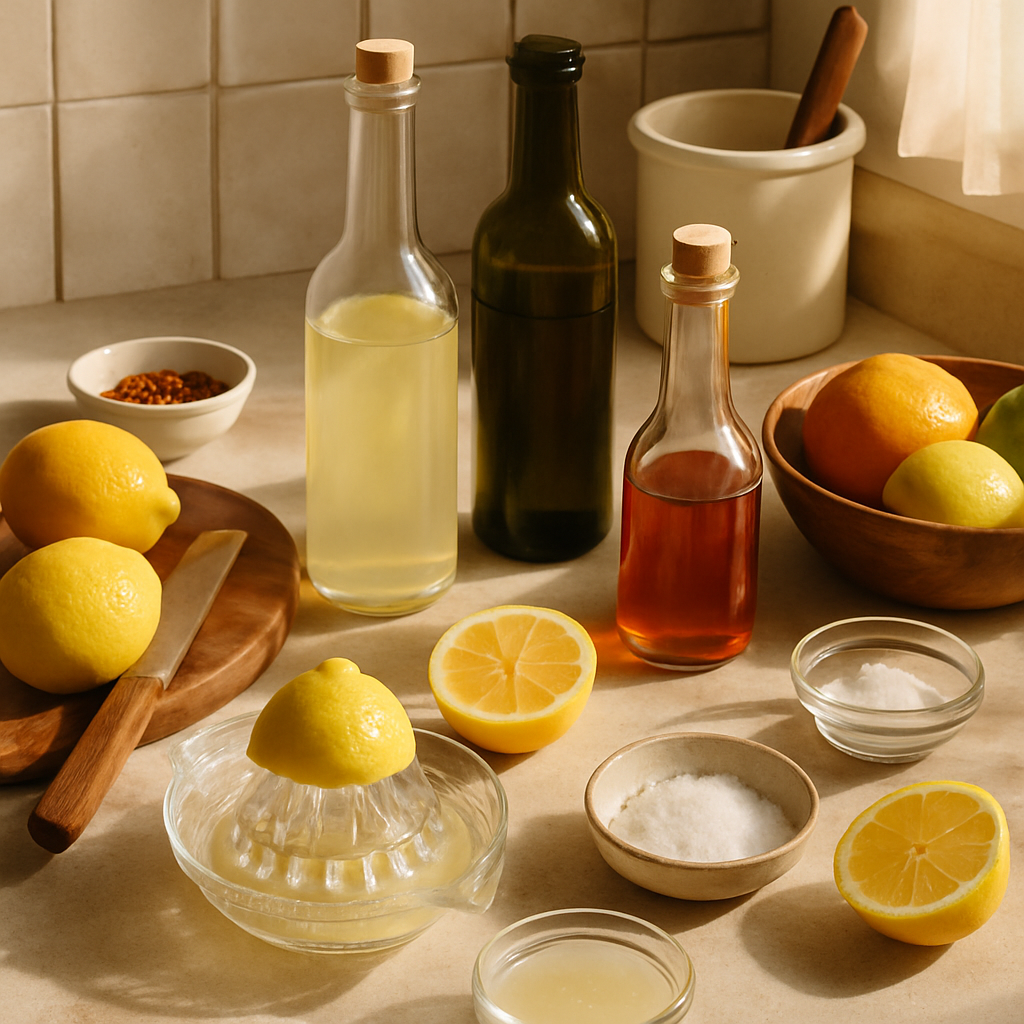
# How to Use Acid in Cooking to Make Every Dish Taste Better
There's a moment in cooking where something tastes almost right — not bad, just flat. You've seasoned it, tasted it, added more salt, and it's still missing something. Nine times out of ten, the answer isn't more salt. It's acid.
Understanding how acid works in cooking is one of those small shifts that makes an enormous difference to everything you make, from a weeknight pasta to a slow-cooked stew.
What Acid Actually Does to Food
Acid — think lemon juice, vinegar, wine, or yogurt — doesn't just add sourness. It brightens flavour. It makes other ingredients taste more like themselves by stimulating different taste receptors on your tongue, essentially waking the dish up.
It also does something clever with salt. A squeeze of lemon won't make food saltier, but it can make it taste more seasoned, which means you can often use less sodium overall without the dish feeling under-seasoned.
Beyond flavour, acid affects texture. It breaks down proteins in meat and fish (which is why marinades often include vinegar or citrus), softens vegetables over time, and keeps cut fruit from browning. It's doing a lot of quiet work in the background.
The Right Acid for the Job
Not all acids are interchangeable, and matching the right one to your dish matters.
Lemon and lime juice are fresh and bright, best added at the end of cooking to preserve their flavour. Heat destroys a lot of the volatile compounds that make citrus taste the way it does, so if you add it too early, you lose the effect. A squeeze over roasted vegetables, grilled fish, or a bowl of soup just before serving is often all a dish needs.
Vinegar is more robust and survives heat better. Red wine vinegar works well in braises, dressings, and sauces. Balsamic adds depth alongside sweetness. Apple cider vinegar has a mild, slightly fruity quality that suits slaws, pickled onions, and even some desserts.
Wine and tomatoes introduce acid more gently, building it into the base of a dish. A splash of white wine deglazing a pan adds brightness that integrates fully as it reduces. Tomatoes bring acidity that mellows with long cooking, which is why a slow tomato sauce tastes different — and rounder — than a quick one.
Yogurt, buttermilk, and crème fraîche add a creamy, lactic acidity that's fantastic in dressings, marinades, and sauces where you want richness alongside the brightness.
How to Use It Without Overdoing It
The goal is balance, not sourness. You're adding acid to make the other flavours shine, not to make the dish taste acidic.
Start small. A teaspoon of vinegar or a small squeeze of lemon is usually enough to test whether acid is what your dish needs. Taste before and after — the difference should be noticeable, but the acid itself shouldn't be obvious.
Timing matters a lot. As mentioned, fresh citrus juice is best at the end. Vinegar can go in earlier if you want it to mellow. If a dish tastes too acidic, a small pinch of sugar or a bit more fat (butter, olive oil, cream) can bring it back into balance.
It's also worth building acid into your cooking habitually. Finish soups with a small splash of vinegar. Add lemon zest to pasta. Deglaze pans with wine. These aren't fancy techniques — they're just small habits that reliably make food taste better.
Practical Takeaway
If there's one thing to take away, it's this: when a dish tastes flat, reach for acid before you reach for more salt. A squeeze of lemon or a splash of vinegar is often the missing piece.
A few simple places to start:
- Finish any soup or stew with a small splash of red wine vinegar
- Squeeze lemon over roasted vegetables before serving
- Add a teaspoon of apple cider vinegar to homemade dressings
- Deglaze your pan with white wine when making a sauce
These aren't rules — just easy entry points for getting more comfortable with acid in your cooking.
If you want meal plans that are built around flavour and balanced nutrition, Macrology generates macro-perfect meal plans in seconds — https://macrology.app/signin
Want meals like this planned to your exact macros?
Macrology generates a personalised meal plan in seconds — breakfast, lunch, dinner and snacks, all hitting your daily targets.
Start your free 14-day trial