How to Control Heat Properly When Cooking on a Hob
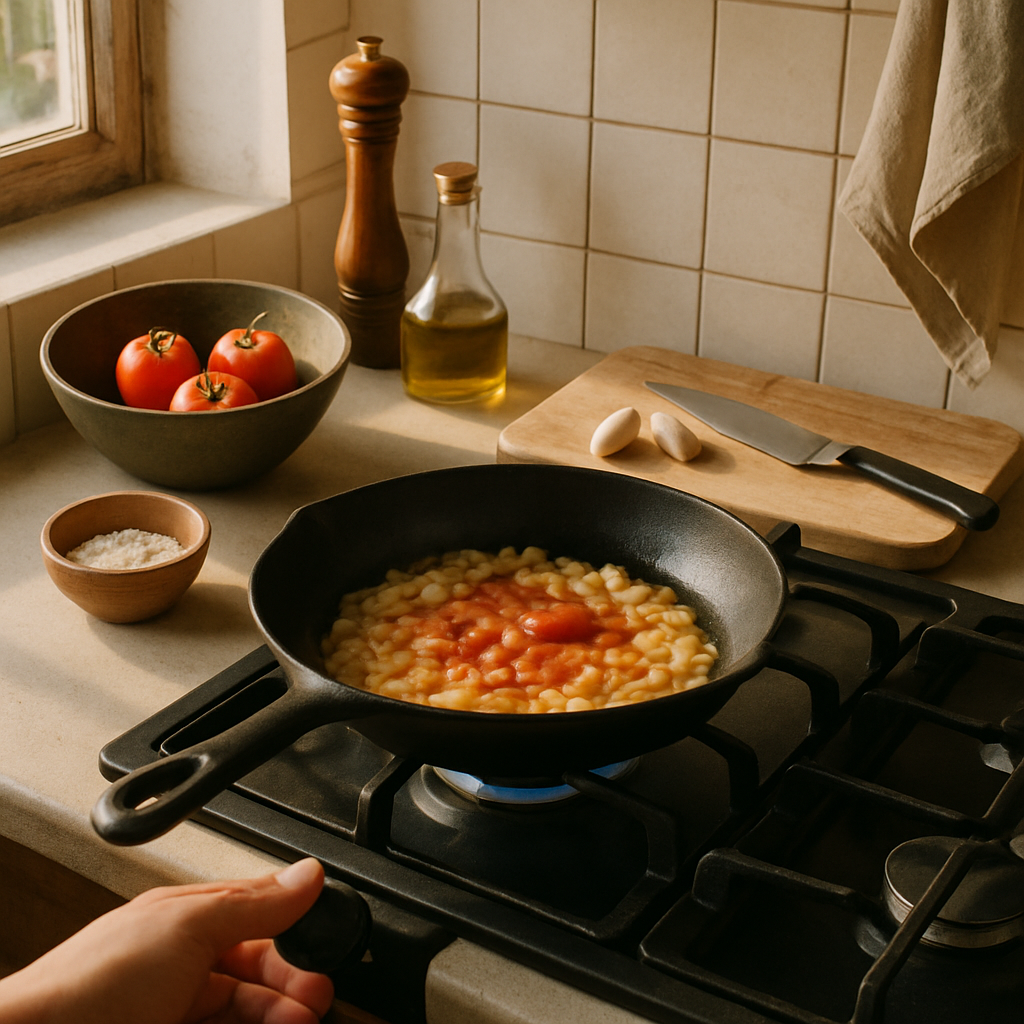
# How to Control Heat Properly When Cooking on a Hob
There's a moment most home cooks know well: you turn your back for thirty seconds, and what was gently simmering is now spitting furiously across the hob. Heat management is one of those skills that separates confident cooking from chaotic cooking — and yet nobody really teaches it.
The good news is it's not complicated once you understand what's actually happening in the pan.
Why Heat Control Matters More Than You Think
Most cooking mistakes — burnt garlic, rubbery eggs, tough meat, soggy vegetables — come down to the wrong heat at the wrong time. It's rarely the recipe's fault.
Heat affects food in fundamentally different ways depending on its intensity. High heat drives rapid evaporation and browning. Low heat allows gentle, even cooking without the risk of scorching. The skill isn't just turning the dial up or down — it's knowing which foods need which environment, and when to switch between them.
A steak needs ferocious heat to develop a crust. A béchamel needs patience and a low flame to stay smooth. Using the wrong heat for either would ruin both, even if every other step was perfect.
Understanding Your Hob's Actual Output
Not all hobs are equal, and this is something a lot of recipes quietly ignore. A domestic gas hob typically outputs between 1kW and 4kW per burner. An induction hob can reach similar peaks but responds far more instantly. An electric ceramic hob heats more slowly and, crucially, retains heat even after you've turned it down — which changes how you need to manage it.
On gas, what you see is what you get. Turn it down and the heat drops almost immediately. On electric, there's thermal lag — the element holds heat and continues cooking your food even after you've reduced the setting. If you're cooking on ceramic electric, you need to anticipate this and reduce the heat earlier than you think.
Induction is arguably the most precise of the three. Because it heats the pan directly rather than the surrounding air, there's very little wasted energy and the response to temperature changes is close to instant. If you've recently switched from gas to induction, this explains why things cook noticeably faster.
The Three Heat Zones and When to Use Them
Think of your hob in three broad zones rather than ten numbered settings.
Low heat (roughly 10–30% of maximum output) is for melting butter without browning it, warming sauces without splitting them, keeping things hot without cooking them further, and slow-cooking onions until they're genuinely sweet and soft — which takes 20–30 minutes, not five.
Medium heat (around 40–70%) is the workhorse of everyday cooking. It's the right zone for sautéing vegetables, cooking eggs, simmering soups and stews, reducing sauces, and cooking fish fillets through without burning the outside before the inside is done.
High heat (70–100%) is for searing meat, stir-frying, getting a pan of pasta water to boil, and achieving caramelisation. It's not a setting you leave things unattended on — high heat rewards attention and punishes distraction.
Most recipes that say "fry over a medium-high heat" are referring to around 60–75% of your hob's output. It's not the highest setting; it's a confident, active heat.
The Preheating Problem (And Why Cold Pans Cause Trouble)
One of the most common hob mistakes is adding food to a cold or insufficiently heated pan. When protein hits a cool surface, it sticks — not because the pan is bad, but because the Maillard reaction (the browning process) hasn't had a chance to form a crust that naturally releases from the surface.
The rule of thumb for most cooking is heat the pan first, then add your fat, then add your food. A simple test: hold your hand a few centimetres above the pan. If you can feel warmth radiating up within a couple of seconds, it's ready.
The exception is fat itself — if you're adding butter, it can go into a cold or barely warm pan and melt gently as the pan heats, which gives you more control and reduces the risk of burning it before your food even goes in.
For non-stick pans, avoid preheating empty for too long. Overheating non-stick coatings — especially PTFE-based ones — can degrade the surface and potentially release fumes. Medium heat is typically as high as you need to go with non-stick cookware anyway.
Reading What the Pan Is Telling You
Your pan communicates constantly. Learning to read it changes everything.
A gentle sizzle means you're in a good place for most cooking. The food is making contact with a properly hot surface, moisture is evaporating, and browning can occur.
A furious, spitting sizzle means the heat is very high. This is right for searing, but if you're not actively trying to char or crust something, it's time to reduce the heat.
No sizzle at all when you add food usually means the pan isn't hot enough, or you've added too much food at once — which drops the pan temperature significantly. This is why crowding a pan leads to steaming rather than frying.
Smoke tells you different things depending on what's in the pan. Smoking oil usually means you've exceeded its smoke point and should reduce the heat or add your food quickly to bring the temperature down. Smoking dry food in a dry pan almost always means something is burning.
Managing Heat Throughout a Dish
Good heat management is dynamic. It changes as the dish progresses, not just at the start.
A classic example is cooking a chicken breast in a pan. You want high heat initially to get colour on the outside, then a reduction to medium or medium-low to allow the inside to cook through without the outside becoming dry and leathery. If the pan is screaming hot the whole time, the outside overcooks long before the centre is safe.
The same principle applies to onions. Starting them on a medium heat gets them moving, but dropping to low after a few minutes and covering the pan allows them to soften fully in their own steam before any significant browning begins. Patience here genuinely pays off in flavour.
When making a pan sauce after searing meat, the residual heat in the pan from deglazing is often enough to reduce a splash of wine or stock without turning the heat back up at all. Learning to use residual heat is one of the most useful habits in everyday cooking.
Practical Takeaways for Better Hob Cooking
Here's what you can put into practice straight away:
- Get to know your hob's quirks. Spend five minutes heating a pan with a small amount of water at different settings and watch how quickly it evaporates. You'll quickly learn where your hob's sweet spots actually are.
- Don't rush the preheat. Give your pan two to three minutes on medium before adding anything. It makes a noticeable difference to how food browns and releases.
- Cook in batches if you're searing. Overcrowding drops the pan temperature and leads to steaming. Two smaller batches produce better results than one crammed pan.
- Adjust constantly. The best hob cooks are always moving the dial slightly — not dramatically, but responding to what they see and hear. Cooking isn't set-and-forget.
- Match the pan size to the hob ring. A small pan on a large ring wastes energy and creates uneven heat. A large pan on a small ring leaves the edges cold. This is especially relevant on gas, where the flame should roughly match the base of the pan.
- Use a lid strategically. Covering a pan traps steam and raises the temperature inside, which effectively lowers the heat you need underneath. This is useful for finishing things through without drying them out.
If you want to take the stress out of meal planning so you can focus on actually cooking well, Macrology generates macro-perfect meal plans in seconds — https://macrology.app/signin
Want meals like this planned to your exact macros?
Macrology generates a personalised meal plan in seconds — breakfast, lunch, dinner and snacks, all hitting your daily targets.
Start your free 14-day trial