How to Build a Sauce from Scratch Without a Recipe
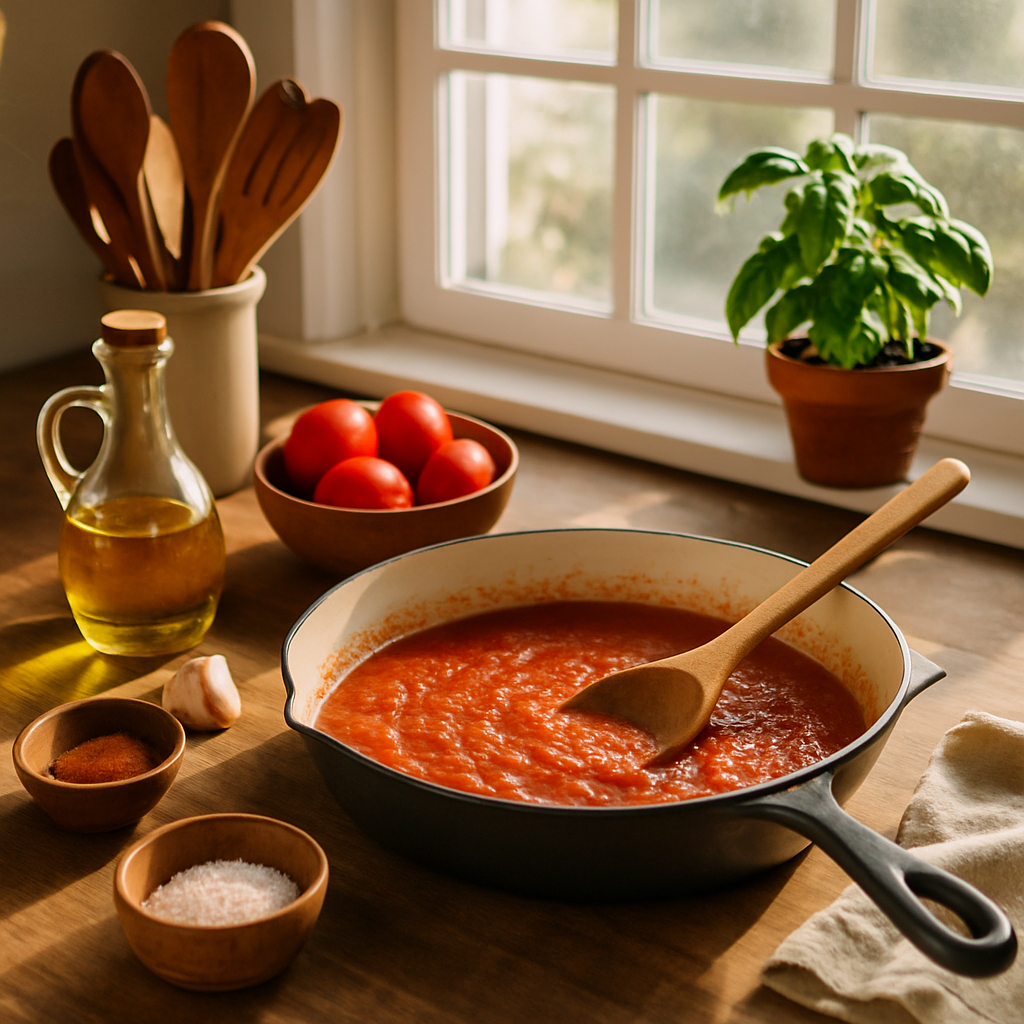
# How to Build a Sauce from Scratch Without a Recipe
Most people who say they can't cook are actually saying they can't follow instructions when something goes wrong. Sauces are where that gap shows up — a recipe tells you what to do, but not why it works. Once you understand the logic behind a sauce, you can make one from almost anything in your fridge.
The Four Building Blocks of Almost Every Sauce
Every decent sauce, from a simple pan gravy to a rich tomato ragù, is built on the same foundation. Get these four elements right and the rest falls into place.
Fat carries flavour and gives the sauce its body. Butter, olive oil, cream, coconut milk — the fat you choose sets the tone for the whole dish.
Aromatics are your base layer of flavour. Onion, garlic, shallots, ginger, celery — these go in first, cooked low and slow until soft. Rushing this step is the most common reason a sauce tastes flat.
Liquid is what turns everything into a sauce. Stock, wine, tinned tomatoes, cream, or even the pasta water from your pot — each one brings something different. Stock adds depth, wine adds acidity, cream adds richness.
Seasoning and finishing is where you pull it all together. Salt at every stage (not just at the end), acid to brighten the flavour (a squeeze of lemon or a splash of vinegar), and something fresh at the very end — herbs, a knob of butter, a drizzle of oil.
How to Actually Build It
Start with your fat in a cold or warm pan — not smoking hot, unless you want to fry rather than sweat your aromatics.
Add your aromatics and give them time. Five to ten minutes over a medium-low heat until they're soft and slightly translucent is the goal. If they're browning too fast, turn the heat down and add a splash of water.
Once your aromatics are ready, you can add any dry spices directly to the pan for thirty seconds or so. This toasts them slightly and unlocks more flavour before the liquid goes in.
Add your liquid and let it reduce. Reduction is where flavour concentrates. A watery sauce just needs more time, not more ingredients. Let it simmer and stir occasionally until it coats the back of a spoon.
Taste as you go. If it tastes dull, it usually needs salt or acid. If it tastes harsh, it needs more time or a small amount of fat to round it out.
Reading What a Sauce Needs
This is the part no recipe can teach you — learning to diagnose a sauce by tasting it.
Too thin? Keep simmering, or stir in a small amount of butter off the heat to emulsify it. You can also mix a teaspoon of cornflour with cold water and stir it in gradually.
Too thick? Add a splash more liquid — stock, water, or whatever you used as your base — and stir over a low heat.
Too bland? Add salt first, then taste again. If it's still flat, try a splash of something acidic. Acid doesn't make food taste sour — it makes everything else taste more like itself.
Too acidic or bitter? A pinch of sugar or a small knob of butter will balance it out. Don't keep adding salt when the problem is actually sharpness.
Practical Takeaway
Here's a simple template you can use tonight without measuring anything:
1. Warm olive oil or butter in a pan 2. Add diced onion and garlic, cook until soft (8–10 minutes) 3. Add any spices, stir for 30 seconds 4. Pour in your liquid — stock, tinned tomatoes, cream, or a mix 5. Simmer until reduced and flavourful (10–20 minutes depending on volume) 6. Finish with salt, a squeeze of lemon, and fresh herbs if you have them
That framework works for a quick weeknight tomato sauce, a simple pan sauce after cooking chicken, a lentil dal, or a creamy mushroom sauce for pasta. The ingredients change; the logic stays the same.
Once you stop needing a recipe to make a sauce, cooking starts to feel genuinely flexible — you work with what you've got rather than shopping for a specific list of ingredients.
If you want meal plans that fit around the way you actually cook, Macrology generates macro-perfect meal plans in seconds — https://macrology.app/signin
Want meals like this planned to your exact macros?
Macrology generates a personalised meal plan in seconds — breakfast, lunch, dinner and snacks, all hitting your daily targets.
Start your free 14-day trial