The Beginner's Guide to Batch Cooking
What Batch Cooking Actually Means
Sunday afternoon, a few pots on the hob, and a fridge full of ready-to-go meals for the week. That's the promise of batch cooking — and unlike most kitchen promises, this one actually delivers.
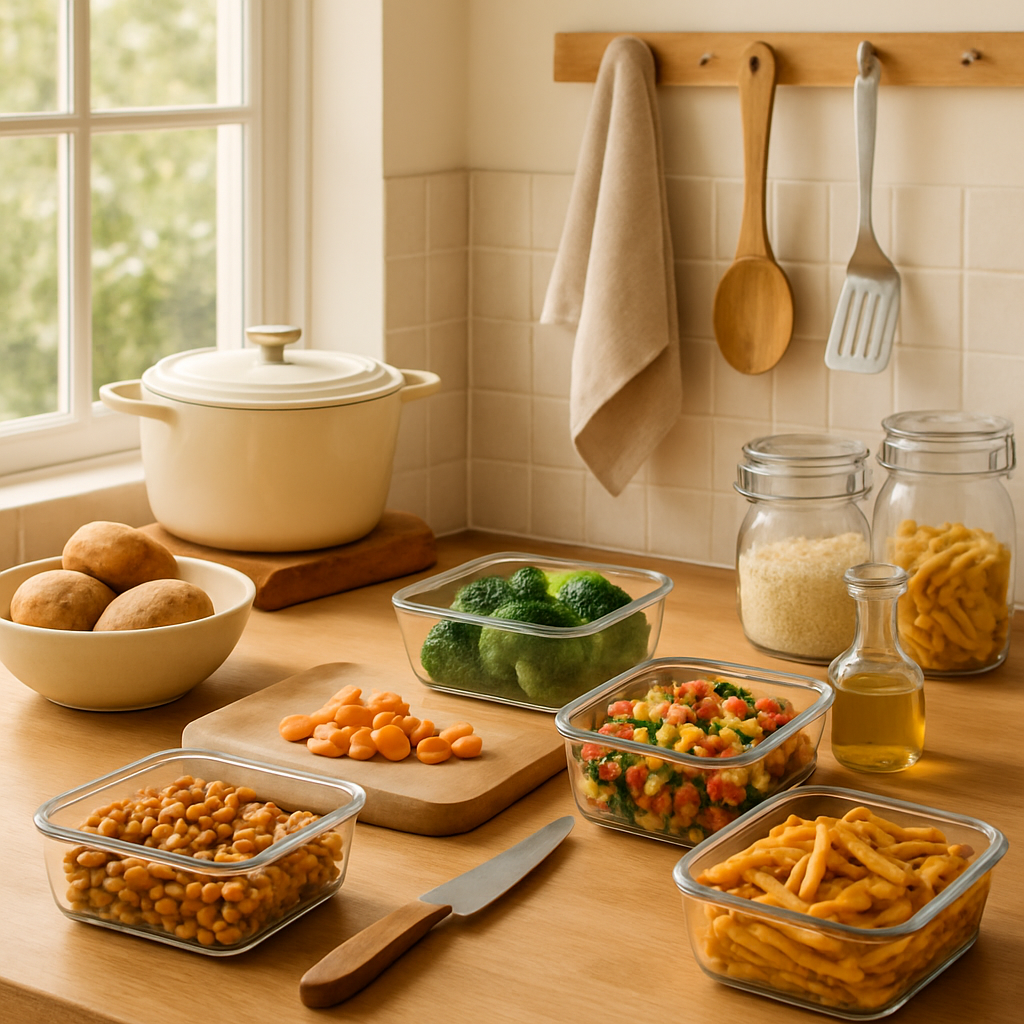
Batch cooking doesn't mean spending your entire weekend chained to a cooker. At its core, it's simply preparing larger quantities of food in one go so that future-you has less work to do. That might mean cooking a big pot of grains, roasting a tray of vegetables, or making a double portion of soup and freezing half. There's no single correct approach — the version that works for your life is the right one.
The real appeal isn't just convenience. When meals are already sorted, you're far less likely to find yourself ordering a takeaway at 9pm purely out of exhaustion. Batch cooking puts a bit of structure around your week without demanding perfection from you.
Start Small — Seriously
One of the most common mistakes is treating your first batch cook like a military operation. Sixteen Tupperware containers, five different recipes, four hours of prep — it sounds productive but tends to end in burnout by week two.
Start with two or three base ingredients instead. A batch of brown rice or pasta, a tray of roasted vegetables (peppers, courgettes, red onion — whatever's in the fridge), and a simple protein like roasted chicken thighs or a pot of lentils will carry you surprisingly far. These components combine differently throughout the week: rice bowl on Monday, wrap on Tuesday, tossed through pasta on Wednesday.
This "building blocks" approach also means you're not eating the same meal five nights in a row, which is where a lot of people fall off. Variety keeps things interesting without doubling your workload.
What Actually Keeps Well
Knowing what stores properly is half the battle. Some foods are brilliant batch cooking candidates; others turn soggy, sad, or unsafe if you're not careful.
Good bets for the fridge (3–4 days): - Cooked grains — rice, quinoa, farro, pearl barley - Roasted or steamed vegetables - Soups, stews, and curries - Hard-boiled eggs - Cooked pulses (chickpeas, lentils, black beans)
Better off in the freezer: - Anything saucy — bolognese, chilli, dhal, tomato-based sauces - Cooked mince or pulled meat - Homemade burgers or meatballs - Soups (almost all of them freeze beautifully)
Things to avoid pre-cooking: - Dressed salads (prep the ingredients, add dressing fresh) - Cooked pasta left in sauce for days (it absorbs everything and goes stodgy) - Anything with avocado — it doesn't behave
One important food safety note: cooked rice should be cooled quickly (within an hour), stored in the fridge, and eaten within 24 hours or frozen promptly. Don't leave it sitting out — reheated rice is only a problem when it's been stored incorrectly.
Making It a Habit
The biggest obstacle to batch cooking isn't skill — it's finding a rhythm that fits your actual life. A few things tend to help.
Pick a consistent time. It doesn't have to be Sunday. Some people prefer a Wednesday evening top-up. The key is that it becomes predictable rather than something you talk yourself into each week.
Cook while you're already in the kitchen. If you're making dinner on a Tuesday, double the quantity and put half away. This passive batch cooking adds up over a week without feeling like extra effort.
Keep your containers accessible. If the Tupperware is buried at the back of a cupboard, you'll use it less. Small friction matters more than we think.
Use a shopping list that reflects your batch cook plan. Knowing what you're making before you shop means you buy what you need and waste less.
This week, try this: cook one grain, one roasted vegetable, and one protein in bulk. That's it. See how the week feels with those three things in the fridge. Most people find they use them more than expected and stress about meals noticeably less.
From there, you can layer in more variety, experiment with freezer meals, or start planning around your macros more deliberately. If you want help turning your batch cook ingredients into a full week of balanced meals, Macrology generates macro-perfect meal plans in seconds — https://macrology.app/signin
Want meals like this planned to your exact macros?
Macrology generates a personalised meal plan in seconds — breakfast, lunch, dinner and snacks, all hitting your daily targets.
Start your free 14-day trial