The Art of Balancing Flavours: Sweet, Salty, Sour, and Bitter Explained
# The Art of Balancing Flavours: Sweet, Salty, Sour, and Bitter Explained
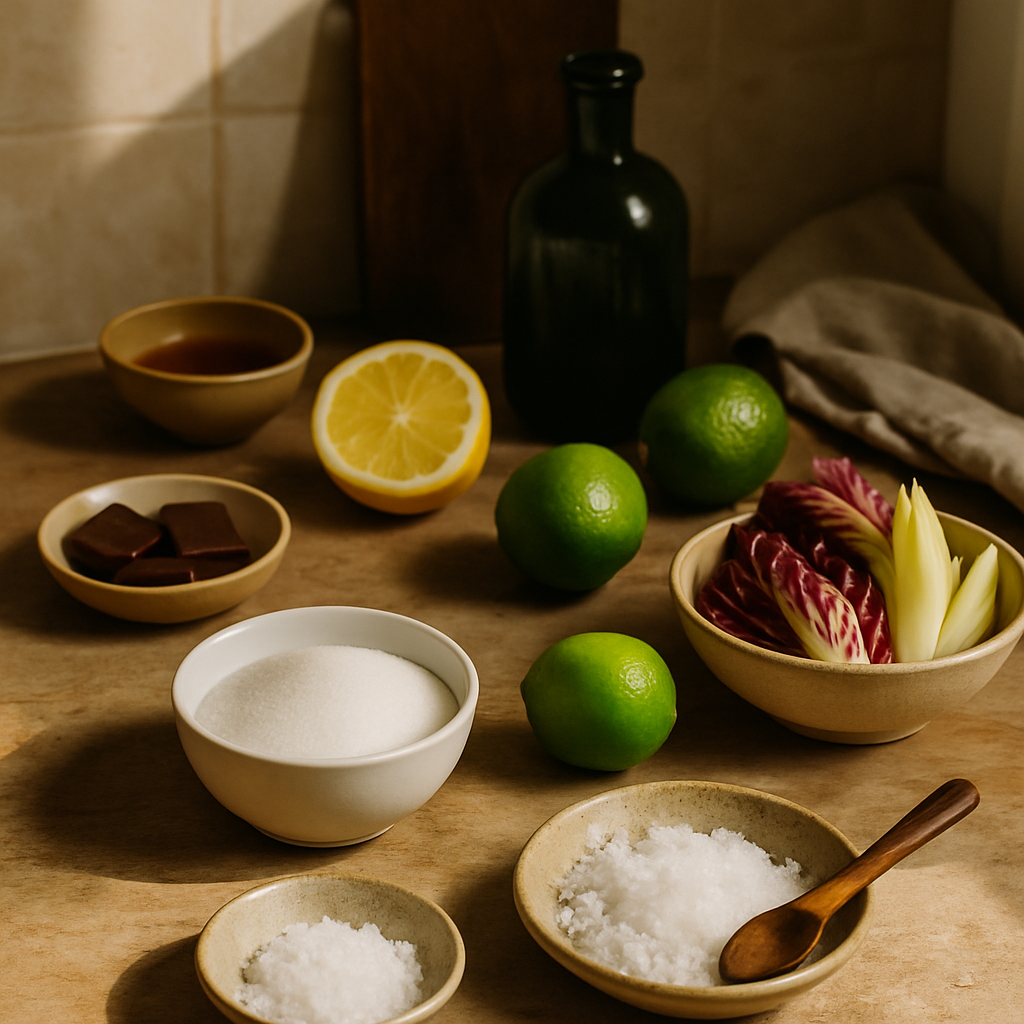
Most people can tell when a dish tastes off — too sharp, too flat, weirdly sweet — but pinpointing exactly why is a different skill altogether. Understanding the four core flavours changes how you cook, turning guesswork into something a lot more satisfying.
Why Flavour Balance Actually Matters
When a dish hits just right, it's rarely down to one standout ingredient. It's the interplay between contrasting flavours that makes food interesting to eat.
Think about why a squeeze of lemon lifts a rich pasta sauce, or why a pinch of salt in chocolate brownies makes them taste more chocolatey. These aren't accidents — they're flavour mechanics at work.
The four primary tastes — sweet, salty, sour, and bitter — each do a specific job. Learning what those jobs are means you can diagnose a dish that isn't working and fix it, usually with something already in your kitchen.
Sweet: The Softener
Sweetness rounds off harsh edges. It tones down excessive acidity, softens bitterness, and adds a sense of fullness or richness to a dish.
This doesn't mean reaching for sugar every time something tastes sharp. Natural sweetness from onions, carrots, roasted peppers, or coconut milk can do exactly the same job in a savoury context without making a dish taste like dessert.
If a tomato-based sauce tastes aggressively acidic, a small grated carrot cooked into the base will mellow it out. That's sweetness doing its job.
Salty: The Amplifier
Salt is probably the most misunderstood flavour tool in home cooking. People often treat it purely as a seasoning to add at the end, but salt works best when it's built in throughout the cooking process.
What salt actually does is suppress bitterness and enhance every other flavour in a dish. It's less about making food taste salty and more about making food taste like itself — more vivid, more defined.
This is why under-seasoned food often tastes dull rather than just bland. If a soup or stew tastes flat even though the ingredients are all there, a measured addition of salt mid-cook — rather than a heavy-handed shake at the table — usually reveals the dish that was hiding underneath.
Soy sauce, miso, anchovies, capers, and Parmesan are all high-salt ingredients that also carry depth, which is why they're so useful for adding complexity in a single step.
Sour: The Brightener
Sourness — from vinegar, citrus juice, yoghurt, fermented foods, or wine — does something no other flavour can: it cuts through richness and lifts the whole dish.
This is why a fatty, slow-cooked braise often benefits from a splash of red wine vinegar stirred in at the end. It's why fish and chips without a vinegar option feels somehow incomplete. Sour adds contrast and stops food from feeling heavy or one-dimensional.
Acid is best added towards the end of cooking, since heat can dull its impact. A few drops of lemon juice or a small splash of vinegar just before serving can transform a dish that tastes tired into one that feels vibrant and fresh.
Bitter: The Counterbalance
Bitter is the flavour most people are least comfortable with, but it plays an important role. Bitterness adds complexity and prevents sweetness from becoming cloying.
Coffee, dark chocolate, radicchio, rocket, citrus zest, and even slightly charred vegetables all carry bitterness. Used well, it adds depth — think of how a bitter green salad cuts through a rich, cheesy main, or how a good espresso cleanses the palate after something sweet.
The trick with bitter is contrast. Pair it with fat, sweetness, or salt to keep it interesting rather than punishing. Rocket with Parmesan and balsamic, or dark chocolate with sea salt — both are bitter-led combinations that work precisely because of what surrounds them.
Putting It Into Practice
The next time a dish isn't quite working, run through this quick mental checklist:
- Too sharp or acidic? Add a touch of sweetness — a pinch of sugar, a drizzle of honey, or some naturally sweet veg
- Tastes flat or dull? It probably needs salt — add it gradually and taste as you go
- Feels heavy or rich? Add some acid — a squeeze of lemon or a splash of vinegar
- Too sweet or one-dimensional? Introduce some bitterness — citrus zest, a bitter leaf, or a coffee-based rub for meat
Flavour balancing isn't a rigid formula. It's more like tuning an instrument — small adjustments, tasting as you go, until it sounds right.
If you want your meals to be as nutritionally balanced as they are delicious, Macrology generates macro-perfect meal plans in seconds — https://macrology.app/signin
Want meals like this planned to your exact macros?
Macrology generates a personalised meal plan in seconds — breakfast, lunch, dinner and snacks, all hitting your daily targets.
Start your free 14-day trial