Why Selenium, Copper and Chromium Deserve More Attention in Your Diet
# Why Selenium, Copper and Chromine Deserve More Attention in Your Diet
Most people can rattle off a handful of nutrients they know they need — calcium for bones, iron for energy, vitamin C for immunity. But there's a quieter group of minerals working hard in the background that rarely get a mention, even in nutrition circles.
Selenium, copper and chromium fall into the category of trace minerals — meaning the body needs them in tiny amounts, but that doesn't make them any less important. Deficiencies in all three are more common than most people realise, and the consequences are surprisingly wide-reaching.
---
What Are Trace Minerals and Why Do They Matter?
The term "trace" refers to quantity, not importance. Your body needs these minerals in microgram or milligram amounts rather than grams, but they're involved in processes that affect everything from your metabolism to your immune system to how your DNA repairs itself.
Selenium, copper and chromium are considered essential trace elements, which means the body can't produce them — they have to come from food. Unlike macronutrients, they don't get a lot of airtime on food packaging or in mainstream health content, which is part of the reason gaps in intake often go unnoticed.
The UK diet has shifted considerably over the past few decades, and soil depletion, food processing, and changes in eating patterns have all contributed to lower intakes of these minerals across the population. None of this is cause for alarm, but it is worth paying attention to.
---
Selenium: The Mineral Most UK Adults Don't Get Enough Of
Selenium is one of the more well-researched trace minerals, and the evidence is fairly consistent: a large proportion of people in the UK are not getting enough of it.
A review published in the British Journal of Nutrition found that selenium intakes in the UK population have declined significantly since the 1970s, largely because the country switched from importing high-selenium North American wheat to using lower-selenium European wheat. The knock-on effect is that bread — once a reliable source — now contributes far less selenium to the average diet than it used to.
Selenium plays a central role in thyroid hormone metabolism. The thyroid gland contains more selenium per gram of tissue than almost any other organ in the body, and selenium-dependent enzymes called deiodinases are essential for converting the inactive thyroid hormone T4 into its active form, T3. Low selenium status has been linked to thyroid dysfunction, including an increased risk of autoimmune thyroid conditions like Hashimoto's thyroiditis.
Beyond thyroid function, selenium is a critical component of glutathione peroxidase, one of the body's most important antioxidant enzymes. This enzyme helps neutralise free radicals and protect cells from oxidative damage — a process implicated in ageing, cardiovascular disease, and cancer risk.
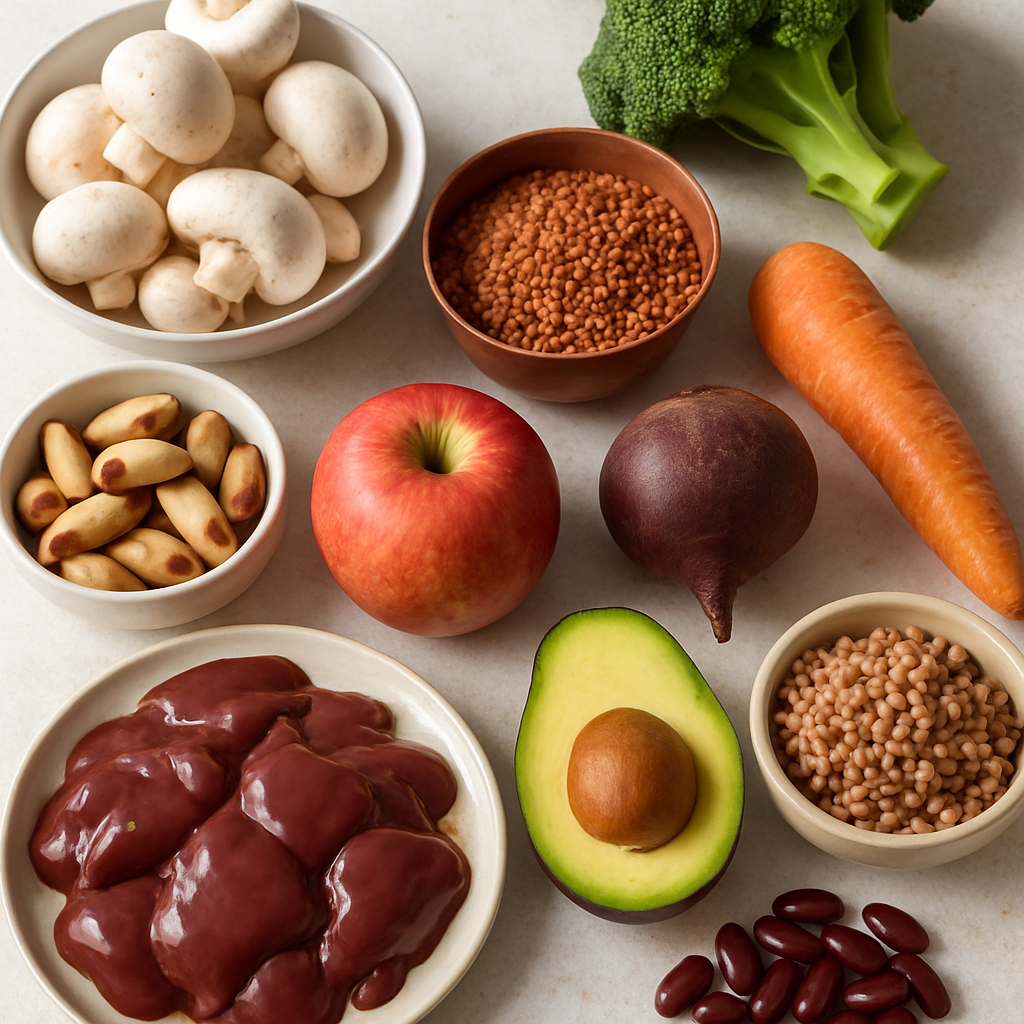
Good food sources of selenium include Brazil nuts (two a day provides more than enough), oily fish like sardines and tuna, eggs, and meat. The catch is that the selenium content of plant foods depends heavily on the soil they were grown in, which makes it harder to rely on fruit and veg alone.
---
Copper: Often Overlooked, Rarely Discussed
Copper tends to get overshadowed by iron, which is ironic because the two minerals are closely linked. Copper is required for the proper absorption and utilisation of iron — without adequate copper, iron can accumulate in tissues without being effectively used, which can contribute to fatigue even when iron levels appear normal.
The body uses copper in a wide range of enzymatic reactions. It's involved in the production of collagen and elastin, which are the structural proteins that keep skin, connective tissue, and blood vessel walls intact. Copper is also required for the formation of myelin — the protective sheath around nerve fibres — and for the synthesis of neurotransmitters including dopamine and noradrenaline.
The enzyme superoxide dismutase (SOD), which is one of the body's primary defences against oxidative stress, depends on copper to function. Copper also plays a role in immune function, energy metabolism, and the activation of enzymes involved in bone formation.
Deficiency is more common in people who eat a very low-calorie diet, those with malabsorptive conditions like coeliac disease or Crohn's, and — perhaps surprisingly — people who take high-dose zinc supplements without balancing their copper intake. Zinc and copper compete for absorption, so chronically high zinc intake can deplete copper over time.
The best food sources include liver and organ meats (by far the richest source), shellfish especially oysters, nuts and seeds, dark chocolate, and wholegrains. If liver sounds unappealing, even a small serving once a week makes a meaningful contribution.
---
Chromium: Its Role in Blood Sugar Regulation
Chromium is the most controversial of the three, partly because research into its mechanisms has been complicated by the difficulty of accurately measuring chromium status in the body. But the evidence for its role in insulin signalling is reasonably well-established.
Chromium is thought to enhance the action of insulin by facilitating the binding of insulin to its receptors on cell surfaces. A compound called chromodulin — which is activated by chromium — appears to amplify insulin signalling, helping cells take up glucose more efficiently. This is why chromium has attracted interest in the context of type 2 diabetes and insulin resistance.
A meta-analysis published in Diabetes Care found that chromium supplementation modestly improved fasting blood glucose and HbA1c in people with type 2 diabetes, though the effects were more pronounced in those with poorer glycaemic control at baseline. The evidence for chromium in otherwise healthy people with normal blood sugar is less clear.
Chromium deficiency in the general population is difficult to diagnose precisely, but low intakes have been associated with impaired glucose tolerance and elevated blood lipids in some studies. Stress, exercise, and diets high in refined carbohydrates can all increase chromium losses through urine.
Food sources include broccoli (one of the best plant-based sources), wholegrains, brewer's yeast, nuts, meat, and seafood. Processing and refining tends to strip chromium from food, which is one reason why diets heavy in ultra-processed foods may leave people with lower intakes.
---
What the Evidence Shows
The research picture for all three minerals points in a consistent direction: deficiency or insufficiency is more common than overt deficiency, meaning many people aren't severely deficient but are running on lower-than-optimal levels without obvious symptoms.
This kind of "subclinical" insufficiency is harder to detect than classic deficiency diseases but may still have meaningful effects on health over time. The challenge is that symptoms — fatigue, slower metabolism, impaired immune function, poor blood sugar regulation — are vague enough to have many possible causes, which is why these minerals rarely top the list of things people investigate.
The UK Scientific Advisory Committee on Nutrition (SACN) has flagged selenium as a nutrient of concern for the UK population. Copper and chromium receive less attention in public health guidance, but intakes below recommended levels are not uncommon, particularly in people following restrictive diets or eating a high proportion of ultra-processed foods.
---
Common Misconceptions Worth Addressing
One common assumption is that if you eat a varied diet, you'll automatically cover all your micronutrient needs. This is mostly true for the major vitamins and minerals, but soil depletion and food processing create genuine gaps for trace minerals that a varied diet doesn't always fill.
Another misconception is that more is always better. All three of these minerals have upper tolerable intake levels, and toxicity — while uncommon from food alone — is a real consideration with supplements. Selenium toxicity (selenosis) can occur with chronic high supplementation and causes symptoms including hair loss, nail brittleness, and neurological effects. This is one reason why food sources are generally preferable to high-dose supplements.
---
Practical Takeaways
Getting more of these minerals doesn't require an overhaul of the way you eat. A few small, consistent changes make a real difference:
- Selenium: Add two Brazil nuts to your morning routine or eat oily fish (sardines, mackerel, tuna) two to three times a week.
- Copper: Include shellfish or a small portion of liver once a week. If you take a zinc supplement regularly, check whether it's balanced with copper.
- Chromium: Swap refined grains for wholegrains where it's easy to do so, and include broccoli regularly. It doesn't need to be dramatic — even a handful of tenderstem alongside dinner makes a contribution.
- Across all three: Reducing ultra-processed food intake naturally increases the mineral density of your overall diet without any specific effort.
If you're working with specific health goals — whether that's thyroid support, blood sugar balance, or optimising energy — having a sense of where these minerals feature in your regular meals is genuinely useful information.
If you want a meal plan that accounts for your full micronutrient picture, not just calories and macros, Macrology generates macro-perfect meal plans in seconds — https://macrology.app/signin
Want meals like this planned to your exact macros?
Macrology generates a personalised meal plan in seconds — breakfast, lunch, dinner and snacks, all hitting your daily targets.
Start your free 14-day trial