How Cooking with Pulses Changes the Protein Profile of a Meal
# How Cooking with Pulses Changes the Protein Profile of a Meal
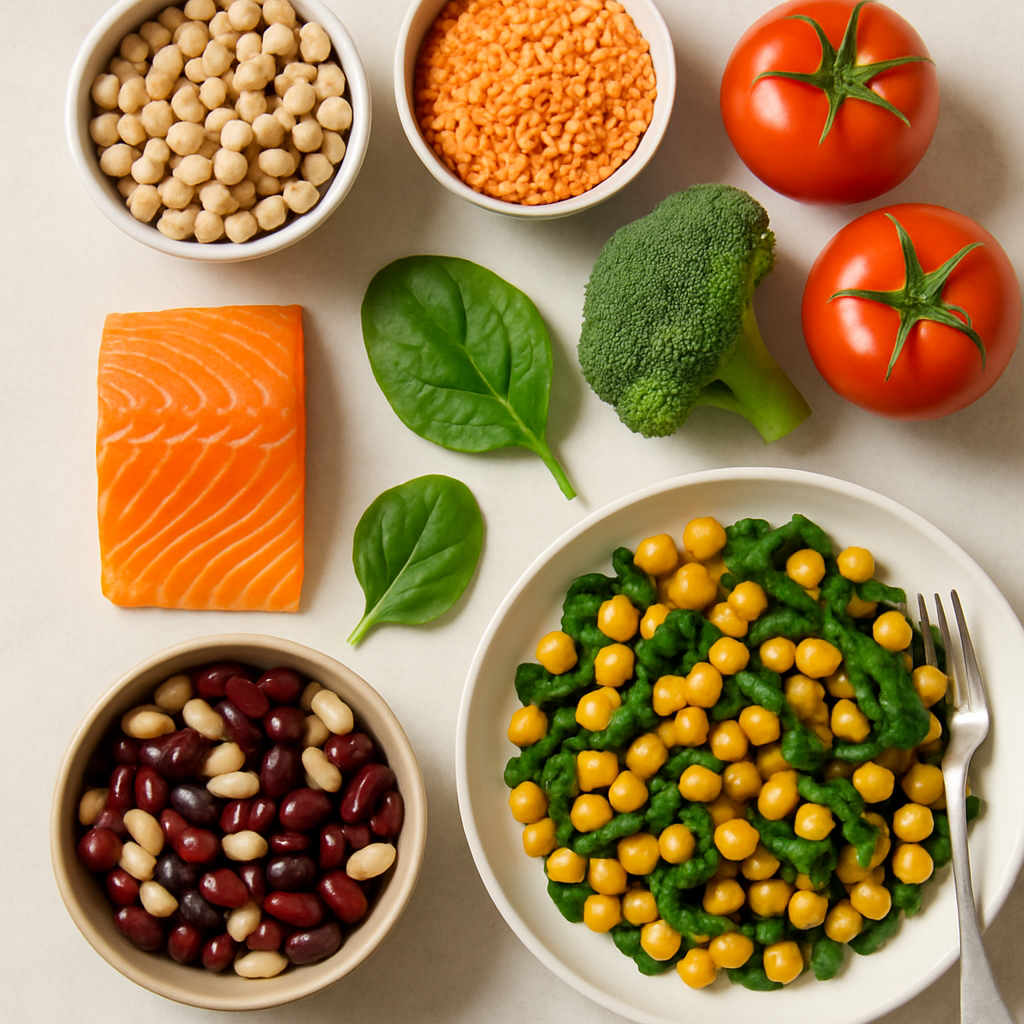
Most people think of protein as something you get from meat, eggs, or a scoop of powder. But pulses — lentils, chickpeas, black beans, split peas — have been quietly delivering protein to human diets for thousands of years, and the way you cook them matters more than you might expect.
Understanding what happens to pulse protein when heat, water, and other ingredients get involved can genuinely change how you plan meals. It's not complicated, but it is interesting.
What Are Pulses and Why Do They Matter for Protein?
Pulses are the dried seeds of leguminous plants. That covers lentils, chickpeas, kidney beans, black beans, cannellini beans, split peas, edamame, and a handful of others you'll find in any decent supermarket.
Their protein content is notable. Cooked lentils contain roughly 9g of protein per 100g. Chickpeas come in around 8–9g per 100g cooked. Compare that to chicken breast at around 31g per 100g, and yes, pulses deliver less protein by weight — but they also come packaged with fibre, complex carbohydrates, and micronutrients that animal proteins largely lack.
The more interesting question isn't just how much protein pulses contain, but what kind of protein they contain — and how cooking changes its usefulness to the body.
The Amino Acid Picture
Protein is made up of amino acids, and not all proteins are equal in terms of amino acid composition. Animal proteins are generally considered "complete" because they contain all nine essential amino acids in proportions that roughly match what the body needs.
Pulses, on the other hand, are relatively low in one essential amino acid: methionine. They're also often lower in cysteine. This is why pulses are sometimes described as having a lower protein quality score than meat or eggs.
But here's where it gets more nuanced. Pulses are actually rich in lysine, an amino acid that cereals like rice, wheat, and oats are low in. This is the basis of the classic dietary pairing of beans and grains — rice and dhal, hummus and pitta, beans on toast — which together provide a more complete amino acid profile than either food alone.
The body doesn't require every essential amino acid to be present in a single meal. It draws from a circulating pool of amino acids throughout the day, so spreading varied protein sources across meals is what actually matters.
What Happens to Pulse Protein When You Cook It
Raw pulses aren't just inconvenient — they're potentially harmful. Many contain antinutrients like lectins and phytates, which interfere with the body's ability to absorb both protein and minerals.
Cooking does several important things simultaneously. Heat denatures the protein structures, making them more accessible to digestive enzymes. It also neutralises lectins, which can otherwise bind to the gut wall and reduce nutrient absorption. Soaking before cooking helps leach out phytates, which bind to minerals like zinc and iron and reduce their bioavailability.
Longer, thorough cooking matters here. Kidney beans are a useful example — raw or undercooked kidney beans contain high concentrations of phytohaemagglutinin, a lectin that causes severe nausea and vomiting. Boiling them vigorously for at least 10 minutes destroys it. Slow cookers alone, which don't reach high enough temperatures, aren't sufficient.
The good news is that tinned pulses have already been cooked under high pressure, making them just as nutritious as home-cooked versions — and entirely safe to eat straight from the tin if needed.
What the Evidence Shows
Research into pulse protein digestibility has become more sophisticated in recent years, moving beyond simple protein content measurements to look at how much protein the body can actually use.
The DIAAS score (Digestible Indispensable Amino Acid Score) is the current gold standard for measuring protein quality. It accounts for both amino acid composition and digestibility. Under this system, cooked lentils score around 0.57–0.75, while eggs score close to 1.0 and beef slightly above 1.0. So pulses do score lower — but the gap narrows considerably when they're eaten alongside complementary protein sources.
A 2022 review in Nutrients found that including pulses in mixed meals improved overall diet quality and protein adequacy, particularly when combined with wholegrains. The same review highlighted that the digestibility of pulse protein improves significantly with cooking, rising from roughly 60% in raw legumes to 85–90% after proper cooking.
There's also compelling evidence on satiety. Pulses are among the most satiating foods per calorie due to their fibre content and relatively slow digestion. A 2014 systematic review published in Obesity found that people reported feeling significantly fuller after meals containing pulses compared to control meals, even when calorie content was matched.
How Other Ingredients in the Meal Affect the Protein
One of the underappreciated aspects of cooking with pulses is that the rest of the meal shapes how the protein functions. This operates on a few levels.
Adding a grain — rice, bread, couscous, bulgur wheat — completes the amino acid profile by contributing the methionine that pulses lack. You don't have to obsess over this in individual meals, but meals that naturally combine these foods tend to deliver better overall protein quality.
Vitamin C-rich ingredients — tomatoes, peppers, lemon juice — improve iron absorption from pulses, which is relevant since plant-based iron (non-haem iron) is absorbed less efficiently than iron from meat. A squeeze of lemon over a lentil salad is genuinely useful, not just decorative.
Fat also plays a role. Fat-soluble vitamins in a meal are better absorbed when eaten with some dietary fat, and several micronutrients in pulses fall into this category. A drizzle of olive oil over chickpeas, or tahini in hummus, helps on this front.
Common Misconceptions Worth Addressing
"You can't build muscle on plant protein." This is increasingly challenged by the evidence. A 2021 study in Sports Medicine found no significant difference in muscle protein synthesis between omnivore and vegan diets when total protein intake was matched and varied. The key is eating enough total protein across varied plant sources.
"Tinned beans are less nutritious than dried." Not meaningfully so. Tinned pulses are cooked under high pressure during the canning process, which effectively destroys antinutrients and denatures protein in the same way home cooking does. They're a genuinely convenient and nutritious option.
"Pulses are just carbs." This is a frustrating oversimplification. A 200g serving of cooked chickpeas provides around 18g of protein alongside 24g of carbohydrates and 12g of fibre. Lumping pulses in with pasta or white bread ignores the complexity of their nutritional profile.
Practical Takeaways for Cooking with Pulses
You don't need to completely rethink how you eat — small, consistent changes tend to stick better anyway.
If you're using dried pulses, soak overnight, drain, and cook in fresh water. Boil kidney beans vigorously for the first 10–15 minutes before reducing to a simmer. Lentils and split peas don't need soaking and cook relatively quickly.
Combine pulses with a grain in the same meal — not because your body can't handle pulses alone, but because it genuinely improves the overall amino acid profile and keeps you fuller for longer.
Add something acidic — lemon juice, tomatoes, a splash of vinegar — to improve iron absorption from the meal.
Batch cook and store cooked pulses in the fridge for up to five days, or freeze in portions. This removes the friction of adding pulses to weeknight meals.
Mix protein sources across the day. A lentil soup at lunch paired with Greek yoghurt or eggs at another meal covers your amino acid bases without requiring complex calculations.
If you want to hit your protein targets consistently without the mental load of planning it all yourself, Macrology generates macro-perfect meal plans in seconds — https://macrology.app/signin
---
Pulses are one of the most practical, affordable, and nutritionally versatile ingredients available. Understanding a bit of the science behind them — how cooking transforms their protein, how pairing them with other foods completes the picture — makes it easier to use them confidently rather than as an afterthought.
Want meals like this planned to your exact macros?
Macrology generates a personalised meal plan in seconds — breakfast, lunch, dinner and snacks, all hitting your daily targets.
Start your free 14-day trialMore from nutrition
How Steaming, Boiling and Roasting Vegetables Compares for Nutrient Retention
7 min readHow Glycine and Proline Support Recovery and Why Collagen-Rich Foods Are Worth Adding to Your Diet
7 min readWhy Fat-Soluble Vitamins Behave Differently — and Why It Matters for Your Diet
7 min read