Why Manganese, Copper and Molybdenum Matter for Enzyme Function and Energy
# Why Manganese, Copper and Molybdenum Matter for Enzyme Function and Energy
Most people can rattle off why they need iron or calcium. But ask about manganese, copper, or molybdenum, and you'll likely get a blank stare — even from people who think carefully about what they eat. These three trace minerals sit quietly in the background of your biology, doing work that's genuinely essential to how you produce energy, detoxify waste, and keep your cells ticking over.
They're trace minerals, meaning you only need them in small amounts — but "small" doesn't mean unimportant. Without them, some of the body's most fundamental chemical reactions simply don't happen properly.
What Are Trace Minerals and Why Do They Matter?
Trace minerals are dietary minerals required in amounts less than 100mg per day — often far less. Unlike macronutrients such as carbohydrates, protein, and fat, they don't provide energy directly. Instead, they act as cofactors: helper molecules that slot into enzymes and make them functional.
Think of an enzyme as a very precise piece of machinery. The protein structure is the machine itself, but many enzymes won't work at all without a specific mineral sitting at their active site. Manganese, copper, and molybdenum each fill that role for a distinct set of enzymes — and those enzymes govern processes that affect your energy, your antioxidant defences, and how your body handles waste products from normal metabolism.
Deficiencies in these minerals are relatively rare in people eating a varied diet, but they do occur — particularly in people with absorption issues, certain medical conditions, or highly restricted diets. Even marginal shortfalls can quietly impair the processes these minerals support.
Manganese: The Mitochondrial Mineral
Manganese is perhaps best understood through its relationship with mitochondria — the structures in your cells responsible for producing ATP, the molecule your body uses for energy. A key enzyme called manganese superoxide dismutase (MnSOD) lives inside mitochondria and neutralises a damaging molecule called superoxide, which is produced as a natural byproduct of energy metabolism.
In other words: the very process of generating energy also generates oxidative stress, and manganese is central to managing that stress at its source.
Manganese also acts as a cofactor for arginase, an enzyme involved in the urea cycle — the process that clears ammonia (a toxic byproduct of protein metabolism) from the body. It plays a role in pyruvate carboxylase, which is involved in gluconeogenesis — the production of glucose from non-carbohydrate sources — making it relevant to blood sugar regulation.
Good food sources of manganese include oats, wholegrain bread, brown rice, nuts (especially pecans and hazelnuts), leafy greens, and tea. It's one of the easier trace minerals to get through a plant-rich diet, though it's worth noting that phytates in wholegrains and legumes can reduce absorption somewhat.
Copper: Far More Than a Trace Element in Name
Copper tends to get overlooked because it sounds industrial. But in the body, it's a genuinely versatile mineral involved in a surprising range of processes.
Like manganese, copper is central to antioxidant defence — specifically through an enzyme called copper-zinc superoxide dismutase (Cu/Zn-SOD), which works in the cell's fluid (cytoplasm) rather than the mitochondria. This enzyme tackles the same superoxide radicals as MnSOD but in a different cellular compartment, giving you a layered defence system.
Copper is also required for cytochrome c oxidase, the final enzyme in the electron transport chain — the sequence of reactions that actually produces the bulk of your ATP. This makes copper directly relevant to how efficiently your cells generate energy.
Beyond energy and antioxidants, copper plays a role in iron metabolism (it helps mobilise stored iron into circulation), collagen formation, neurotransmitter synthesis, and immune function. It's a genuinely multifunctional mineral, which is why copper deficiency — though uncommon — tends to present with a cluster of symptoms including fatigue, anaemia, and poor wound healing.
Food sources of copper include shellfish (oysters are exceptionally rich), liver, nuts, seeds, dark chocolate, legumes, and mushrooms. People who supplement heavily with zinc should be aware that high zinc intake can impair copper absorption, because the two minerals compete for the same transport proteins.
Molybdenum: The Quiet Detoxifier
Molybdenum is the least discussed of the three, and perhaps the most underappreciated. It's a cofactor for a small but critical group of enzymes, most notably xanthine oxidase and sulfite oxidase.
Xanthine oxidase is involved in the breakdown of purines — compounds found in DNA and RNA, and in foods like red meat, organ meats, and some seafood. When purines break down, they form uric acid, and xanthine oxidase is the enzyme that catalyses this final step. Dysregulation here is clinically relevant: excess uric acid is the underlying cause of gout.
Sulfite oxidase is arguably even more critical. Sulfites are produced during the metabolism of sulfur-containing amino acids (methionine and cysteine), and they also appear in certain foods and preservatives. Sulfite oxidase converts these sulfites into sulfates, which are safely excreted. Genetic deficiency of this enzyme is a rare but serious condition; it illustrates just how important this clearing function is.
Molybdenum is found in legumes (lentils, beans, and peas are among the best sources), grains, and nuts. The amount in plant foods varies depending on the soil content where they were grown — a reminder that soil health has real implications for nutritional quality.
Deficiency is genuinely rare under normal dietary conditions, and there's no strong evidence that most people need to think actively about their molybdenum intake. But understanding what it does helps contextualise why a varied, whole-food diet matters.
What the Evidence Shows
Research on these minerals has produced some genuinely interesting findings, particularly around antioxidant enzyme systems.
A 2015 review published in Free Radical Biology and Medicine highlighted the central role of MnSOD in mitochondrial health, noting that reduced MnSOD activity has been associated with increased oxidative stress in a range of chronic conditions. The enzyme's activity is directly dependent on manganese availability, which means that even subclinical manganese inadequacy could have measurable effects on cellular antioxidant capacity.
For copper, a 2018 review in Nutrients found that even moderate copper deficiency can impair immune function and increase cardiovascular risk markers, partly through effects on copper-dependent enzymes involved in collagen cross-linking and antioxidant defence. The authors noted that the relationship between copper and iron metabolism means copper deficiency can sometimes present as anaemia that doesn't respond to iron supplementation — a useful clinical insight.
Molybdenum research is thinner on the ground, largely because deficiency is so uncommon in free-living populations. Most of what we know about its physiological role comes from studies of enzyme function and from rare genetic deficiency syndromes. The established adequate intake for adults in the UK is around 45–50 micrograms per day, which most people meet easily through diet.
Common Misconceptions
One misconception worth addressing: more isn't better. All three of these minerals become toxic at high intakes, and this is particularly relevant for anyone who supplements beyond recommended levels.
Excess manganese — most likely to occur through occupational exposure (it's used in steel production) or very high supplement doses — can affect the nervous system, causing symptoms that resemble Parkinson's disease. Excess copper causes gastrointestinal symptoms and, chronically, liver damage. High molybdenum intake can interfere with copper absorption.
The takeaway isn't to avoid these minerals, but to recognise that the body's needs are precise — and that a food-first approach generally keeps you within a sensible range without the risk of over-supplementation.
Practical Takeaways
Getting adequate manganese, copper, and molybdenum through food is genuinely achievable without much effort, provided your diet has reasonable variety. Here's what that looks like in practice:
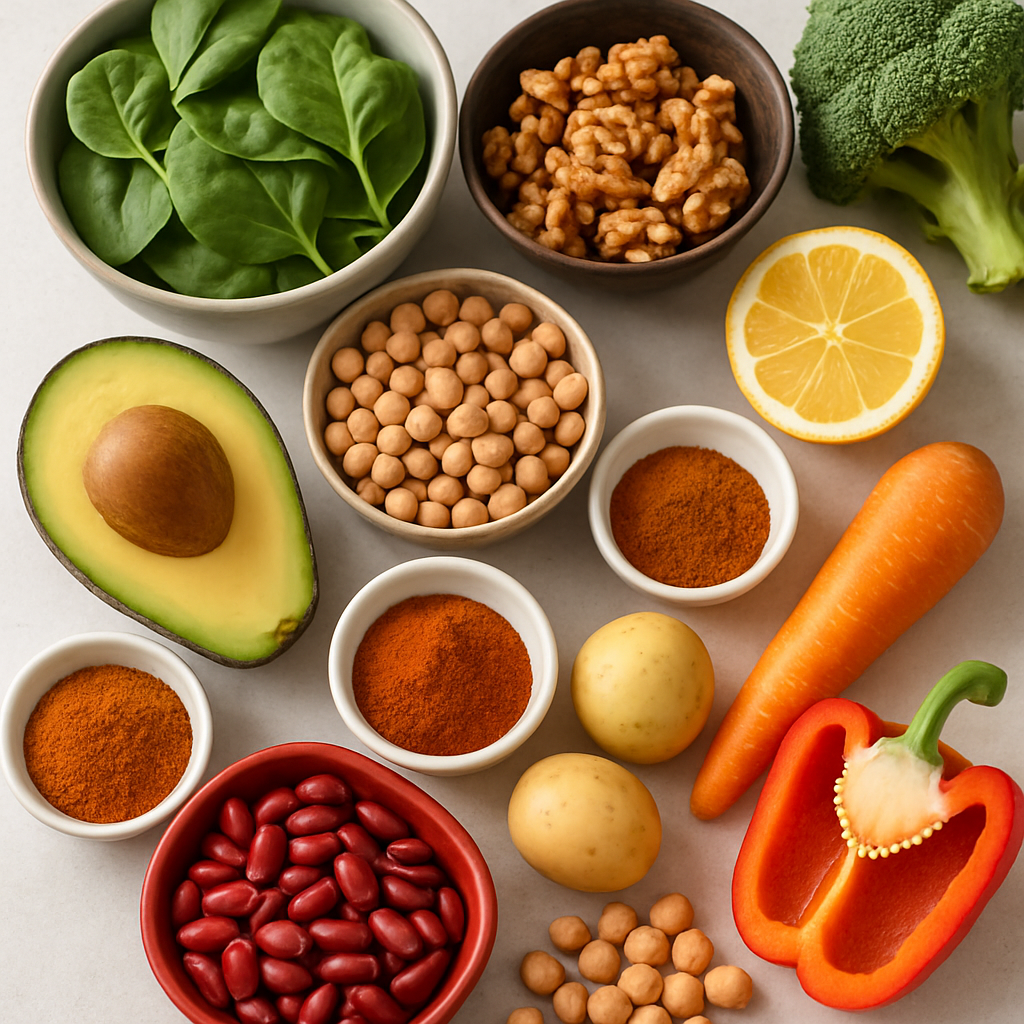
- Include a portion of legumes several times a week — lentils, chickpeas, and beans cover manganese, copper, and molybdenum simultaneously.
- Eat oats or wholegrain bread regularly — a reliable, affordable source of manganese that also contributes to fibre intake.
- Add nuts and seeds to meals or snacks — particularly useful for copper and manganese.
- Don't fear shellfish — if you eat seafood, oysters and crab are among the most copper-dense foods available.
- If you supplement zinc, be mindful of dose — long-term high-dose zinc supplementation (above 40mg/day) can deplete copper over time.
- Avoid high-dose single mineral supplements unless clinically indicated — food sources carry essentially no risk of toxicity; high-dose supplements do.
If your diet is highly restricted — whether through medical necessity, food allergies, or personal choice — it's worth raising trace mineral status with a GP or registered dietitian, particularly if you're experiencing unexplained fatigue or poor recovery.
If you want to make sure your meals consistently cover your full range of micronutrients, Macrology generates macro-perfect meal plans in seconds — https://macrology.app/signin
Want meals like this planned to your exact macros?
Macrology generates a personalised meal plan in seconds — breakfast, lunch, dinner and snacks, all hitting your daily targets.
Start your free 14-day trial