Why Eating Enough Calories Is Just as Important as Eating the Right Ones
# Why Eating Enough Calories Is Just as Important as Eating the Right Ones
Most people spend a lot of energy thinking about what to eat. Fewer stop to ask whether they're eating enough. Yet under-eating is one of the most common and least talked-about barriers to feeling and performing well.
The Calorie Quality Conversation Has Gone Too Far
The idea that food quality matters is absolutely true. Whole foods, protein, fibre, micronutrients — these things make a real difference to how you feel, how you recover, and how your body functions over time.
But somewhere along the way, the conversation shifted. "Eat better" quietly became "eat less." Quality became a proxy for restriction, and the result is that a huge number of people are walking around chronically under-fuelled while eating what most would consider a perfectly healthy diet.
The uncomfortable truth is this: eating nutritious food in insufficient quantities still leaves your body short-changed. A handful of almonds and a salad might be full of micronutrients, but if it adds up to 900 calories for the day, your body will notice — and not in a good way.
What Actually Happens When You Don't Eat Enough
The body is remarkably adaptive, but that adaptability comes at a cost. When calorie intake consistently falls below what you need, a cascade of physiological responses kicks in.
Your resting metabolic rate drops as the body tries to conserve energy. Research published in the journal Obesity found that significant caloric restriction can reduce metabolic rate beyond what is accounted for by the loss of body mass alone — a phenomenon sometimes called adaptive thermogenesis. In plain terms, your body gets more efficient at running on less, which sounds helpful until you realise it also means less energy for everything else.
That "everything else" includes cognitive function, immune response, hormone production, and muscle repair. Studies have consistently linked chronic under-eating with poorer mood, reduced concentration, disrupted menstrual cycles in women, and lower testosterone in men.
Fatigue that doesn't resolve with sleep, difficulty building strength despite regular training, persistent hunger, and feeling cold all the time — these are all signals worth paying attention to.
What the Evidence Shows
The research on under-eating is surprisingly robust, partly because it has been studied in the context of athletes, where the consequences are particularly visible.
Relative Energy Deficiency in Sport (RED-S) is a condition formally recognised by the International Olympic Committee that describes the wide-ranging effects of insufficient calorie intake in active people. While it was originally identified in female athletes, the evidence now makes clear it affects men too. Consequences include impaired bone health, reduced immunity, hormonal disruption, and decreased performance — none of which are fixed by eating more vegetables.
But you don't need to be an athlete for this to apply to you. A 2020 review in Nutrients found that even mild, sustained calorie deficits in non-athletes were associated with measurable declines in thyroid function and reproductive hormones. The body doesn't distinguish between intentional restriction and accidental under-eating — it responds to the shortfall either way.
There is also compelling evidence linking chronic under-eating with increased cortisol levels. Higher cortisol over time is associated with disrupted sleep, increased fat storage (particularly around the abdomen), and muscle breakdown — outcomes that are often the opposite of what people restricting their intake are hoping for.
The "I Eat Healthily But Never Feel Great" Problem
This is one of the most common patterns that goes unaddressed. Someone eats well by any reasonable measure — plenty of vegetables, lean proteins, not much processed food — but still feels sluggish, struggles to recover from exercise, and can't shift the sense that something is off.
Calorie intake is often the missing piece. Healthy food is not automatically high in calories, and if your diet skews heavily towards vegetables, salads, and lean proteins without adequate fats, grains, or calorie-dense whole foods, you can easily under-eat without realising it.
A large plate of roasted vegetables with grilled chicken breast is genuinely nutritious. It might also come to around 400 calories. If that's a typical dinner and your other meals are similarly light, the maths simply doesn't add up to sufficient energy for an adult with a normal daily energy expenditure.
This isn't a reason to start counting obsessively — but it is worth understanding that volume of food and calorie content are not the same thing.
Why It's So Easy to Under-Eat Without Knowing
Several factors make accidental under-eating surprisingly common.
Hunger cues become unreliable after periods of restriction, high stress, or disrupted sleep. If you've spent any stretch of time eating less than you needed, your hunger signals may have quietened to the point where they're no longer a dependable guide.
Busy lifestyles play a role too. Skipping breakfast, having a working lunch that amounts to a coffee and a cereal bar, then eating a reasonable dinner — it's a pattern that sounds familiar to a lot of people, and it often produces a day's intake that falls well short of what the body needs.
Social and cultural messaging doesn't help. Despite growing awareness around diet culture, there is still a prevailing assumption that less food equals better health, more discipline, and a more admirable approach to eating. This framing causes real harm, and it is worth being sceptical of it.
How to Know If You're Eating Enough
There's no single test, but there are useful signals.
On the practical side, you can use a Total Daily Energy Expenditure (TDEE) calculator to get a rough estimate of how many calories your body needs to maintain its current weight and support your activity level. If your typical intake is significantly below that number, that's a meaningful data point.
Beyond numbers, pay attention to how you feel. Consistent energy throughout the day, stable mood, good sleep quality, and a reasonable ability to recover from physical activity are all signs that your body is getting what it needs. Persistent fatigue, poor concentration, constant hunger, and slow recovery are signs it isn't.
It's also worth noting that calorie needs are not fixed. They vary with age, body composition, activity level, stress, illness, and hormonal fluctuations. What worked at one point in life may not be enough at another.
Practical Takeaways
A few things worth trying if any of this resonates:
Track your intake for a few days — not to restrict, but simply to see where you land. Many people are genuinely surprised by how little they've been eating once they look at the numbers without judgement.
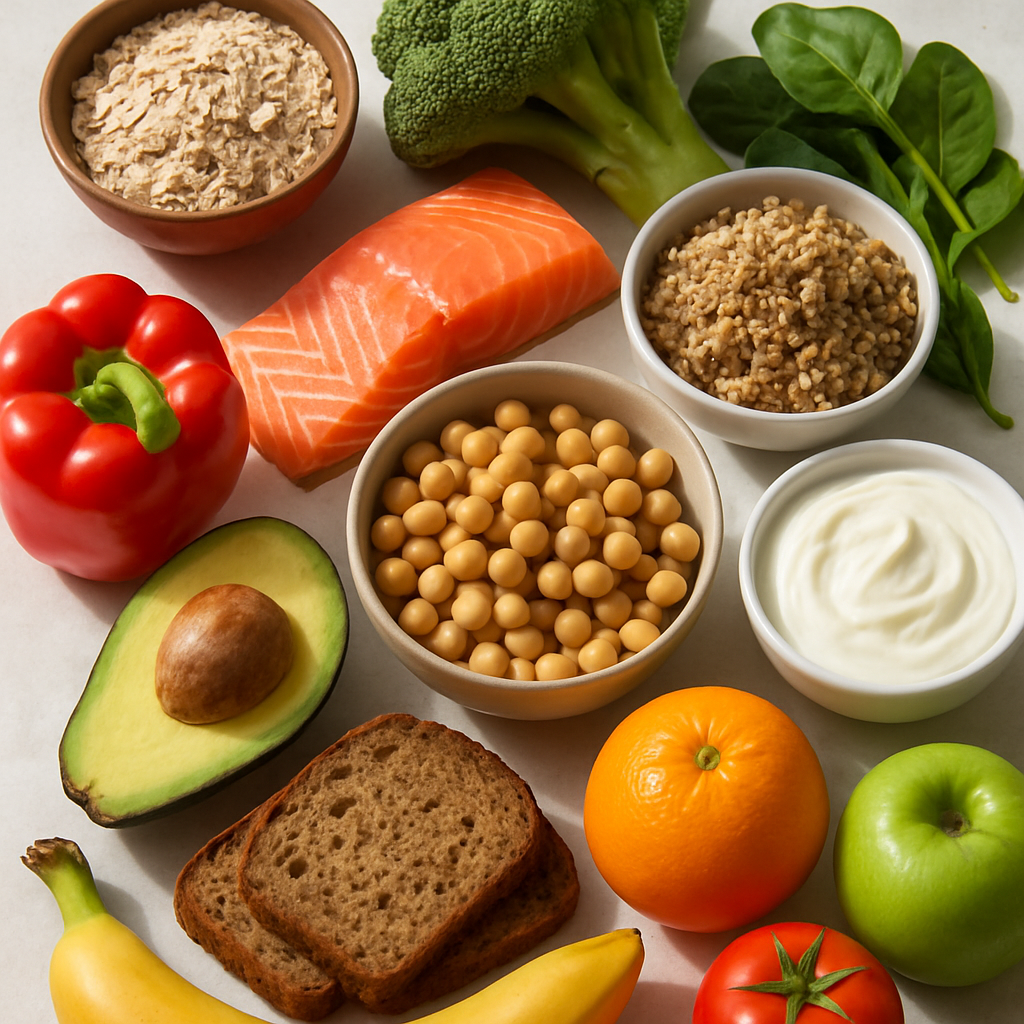
Add calorie density thoughtfully. Nuts, nut butters, olive oil, avocado, whole grains, legumes, and oily fish are all nutrient-rich foods that also contribute meaningful energy. Adding them to meals you already enjoy is one of the most straightforward ways to increase intake without overhauling your diet.
Don't rely on hunger alone as a measure of whether you've eaten enough, particularly if your schedule is irregular or your stress levels are high.
Focus on consistency over perfection. Eating enough, most of the time, across a week — rather than perfectly on some days and very little on others — is what the body responds well to.
Finally, if you're exercising regularly, remember that your calorie needs go up. The gap between intake and expenditure can widen quickly without you noticing, particularly during periods of increased training.
---
If you want a clear picture of exactly how much you should be eating — and a meal plan that hits those numbers without the guesswork — Macrology generates macro-perfect meal plans in seconds — https://macrology.app/signin
Getting the right calories isn't just about the numbers. It's about giving your body what it needs to actually function well. That's worth paying attention to.
Want meals like this planned to your exact macros?
Macrology generates a personalised meal plan in seconds — breakfast, lunch, dinner and snacks, all hitting your daily targets.
Start your free 14-day trial