The Role of Tryptophan in Sleep, Mood and Why UK Diets Often Fall Short
# The Role of Tryptophan in Sleep, Mood and Why UK Diets Often Fall Short
You've probably heard that eating turkey makes you sleepy at Christmas. It's one of those food myths that gets repeated every year — but like most food myths, the truth is far more interesting than the shortcut version.
Tryptophan, the amino acid at the centre of that turkey tale, genuinely does influence how well you sleep and how balanced your mood feels day to day. The problem is that most people in the UK aren't getting enough of it, and even those who are may not be absorbing it effectively.
What is tryptophan, and why does it matter?
Tryptophan is an essential amino acid — meaning your body can't produce it on its own. You have to get it entirely from food. That alone makes it worth paying attention to.
What makes tryptophan particularly significant is what your body does with it. It acts as a precursor to serotonin, the neurotransmitter most associated with mood regulation, emotional stability, and feelings of wellbeing. Serotonin is then converted into melatonin, the hormone that governs your sleep-wake cycle.
So tryptophan sits at the very beginning of a biological chain that ends with you either sleeping soundly or staring at the ceiling at 2am. That's not a small role.
Beyond sleep and mood, tryptophan is also involved in immune function and the production of niacin (vitamin B3), which your body uses for energy metabolism and DNA repair.
What the evidence shows
The research on tryptophan and sleep is fairly consistent. A 2021 review published in Nutrients found that dietary tryptophan intake was positively associated with sleep quality, particularly in adults who were already experiencing mild sleep disturbances.
Studies have also demonstrated that low tryptophan availability in the brain is linked to depressed mood, increased anxiety, and impaired memory consolidation. One well-cited method researchers use to study this is called "acute tryptophan depletion" — temporarily reducing tryptophan in participants' diets — which reliably produces lower mood and increased irritability within hours. It's a blunt but effective way of showing how dependent our emotional state is on this single nutrient.
There's also emerging evidence around tryptophan and gut health. Around 90% of the body's serotonin is produced in the gut, not the brain, and tryptophan metabolism in the gut microbiome appears to influence mood and cognition through what researchers call the gut-brain axis. This is a relatively new area of research, but it suggests that tryptophan's effects are even broader than previously understood.
It's worth noting that tryptophan supplements have shown mixed results in clinical trials — food sources remain the most reliable and safest way to support tryptophan levels.
Why UK diets often fall short
Here's where things get practical. Average tryptophan intake in the UK is lower than it might appear on paper, and there are a few reasons for that.
First, ultra-processed foods dominate a significant portion of UK eating patterns. Research from 2023 found that ultra-processed foods account for around 57% of energy intake in UK adults. These products tend to be low in high-quality protein, which means they're often low in essential amino acids including tryptophan.
Second, the UK population has a relatively high rate of people following plant-based or flexitarian diets — which is fine nutritionally, but it requires more deliberate planning. Some plant-based protein sources are incomplete, meaning they don't contain all essential amino acids in the proportions the body needs.
Third, and this is often overlooked: tryptophan competes with other large neutral amino acids (LNAAs) to cross the blood-brain barrier. Even if you're eating enough tryptophan in total, if your diet is very high in other amino acids relative to tryptophan, less of it may actually reach the brain. This is one reason the classic turkey-makes-you-sleepy story is oversimplified — turkey contains plenty of competing amino acids too.
The best food sources of tryptophan
Rather than chasing a single "superfood", it's more useful to think about building a diet that includes tryptophan-rich foods regularly across the week.
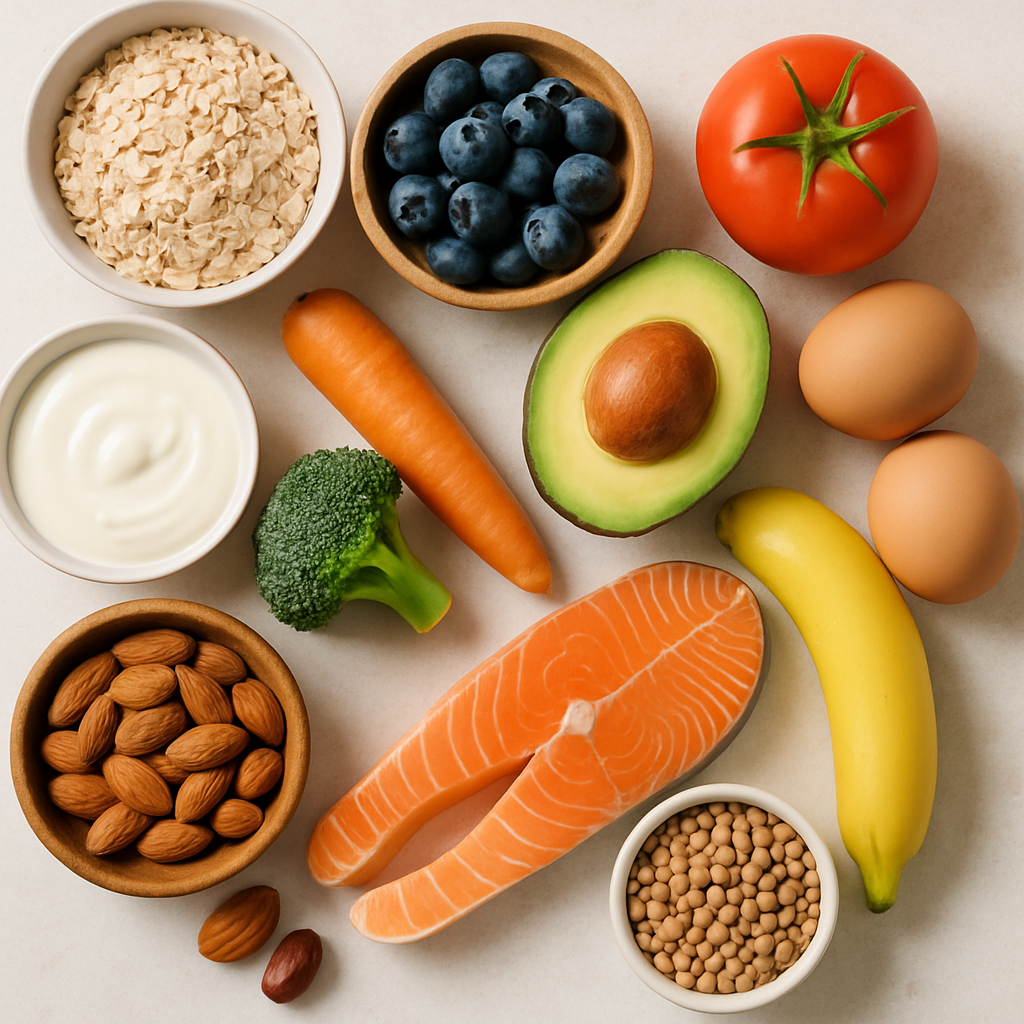
Animal sources tend to be the most concentrated:
- Turkey and chicken
- Eggs (particularly the whites)
- Oily fish like salmon and tuna
- Dairy — milk, cheese, and yoghurt are particularly good sources
Plant-based sources are equally valid with a bit of planning:
- Pumpkin seeds — one of the highest plant-based sources per gram
- Tofu and tempeh
- Lentils and chickpeas
- Oats
- Dark chocolate (yes, genuinely)
One practical insight worth knowing: pairing tryptophan-rich foods with carbohydrates may actually improve its uptake into the brain. Carbohydrates stimulate insulin release, which draws competing amino acids into muscle tissue — effectively reducing the competition at the blood-brain barrier and giving tryptophan a clearer route through. This is the plausible mechanism behind feeling sleepy after a carb-heavy meal, not the tryptophan itself in isolation.
Sleep, mood, and the bigger picture
It would be misleading to suggest that tryptophan is a single solution to poor sleep or low mood. Both are influenced by dozens of factors — stress, light exposure, alcohol intake, physical activity, and underlying health conditions among them.
What the evidence does support is that chronically low tryptophan intake can make things harder. If you're already dealing with disrupted sleep or fluctuating mood, a diet that's consistently low in tryptophan isn't helping. It's not a dramatic story — it rarely manifests as a clear deficiency with obvious symptoms. It's more likely to show up as a subtle drag: sleep that's never quite restorative, mood that's a little flatter than it should be.
This is also where the interaction with other nutrients matters. Vitamin B6, magnesium, and zinc are all required as cofactors in the conversion of tryptophan to serotonin. If any of these are low — which is common in UK diets, particularly B6 and magnesium — the whole chain becomes less efficient, even if tryptophan intake itself is adequate.
Common misconceptions
The turkey myth is the obvious one, but there are a few others worth clearing up.
"Taking a tryptophan supplement is the same as eating tryptophan-rich food." It isn't. Whole foods bring with them the cofactors, fibre, and other compounds that support absorption and conversion. Supplements bypass much of this complexity and, at high doses, carry some risks including interactions with antidepressant medications. If you're considering a supplement for sleep or mood, that's a conversation to have with a GP.
"Warm milk really does help you sleep." Partially true, but not for the reason most people think. Milk does contain tryptophan, but the amount is modest. The benefit is more likely related to the ritual itself and the slight blood sugar stabilisation a warm drink can provide before bed.
"More protein always means more tryptophan." Not necessarily. Tryptophan is the least abundant essential amino acid in most protein sources. A very high overall protein diet doesn't guarantee good tryptophan status, especially if it's heavily weighted toward certain foods.
Practical takeaways
You don't need to overhaul everything. A few consistent habits make a meaningful difference:
- Eat eggs, dairy, or seeds most days — these are easy, practical sources that fit into most eating patterns without significant effort
- Pair tryptophan-rich foods with a carbohydrate source — oats with pumpkin seeds, wholegrain toast with eggs, or a yoghurt with fruit are genuinely functional combinations
- Check your B6 and magnesium intake — without these cofactors, tryptophan conversion is inefficient; good sources include bananas, potatoes, dark leafy greens, and nuts
- Reduce ultra-processed food where you can — not because it's morally better, but because it crowds out the higher-quality protein sources that actually carry tryptophan
- If you're plant-based, think in combinations — pairing lentils with oats or tofu with seeds throughout the day covers amino acid variety without needing to engineer every individual meal
If you want to make sure your daily meals are actually hitting the right nutrient targets — including tryptophan-supportive protein sources — Macrology generates macro-perfect meal plans in seconds — https://macrology.app/signin
Sleep, mood, and the food on your plate are more connected than most people realise. You don't need to think about it obsessively — but knowing which foods support that chain, and roughly how often to include them, puts you in a much stronger position than guessing.
Want meals like this planned to your exact macros?
Macrology generates a personalised meal plan in seconds — breakfast, lunch, dinner and snacks, all hitting your daily targets.
Start your free 14-day trial