Phosphatidylserine, Tryptophan and Tyrosine: The Nutrients That Support Your Mood Through Food
# Phosphatidylserine, Tryptophan and Tyrosine: The Nutrients That Support Your Mood Through Food
Most people know that what they eat affects their body. Fewer realise it's also quietly shaping how they feel, think, and handle stress. The connection between food and mood runs deeper than a sugar crash or a post-lunch slump — it goes all the way down to the molecular level.
Three nutrients in particular — phosphatidylserine, tryptophan, and tyrosine — play surprisingly significant roles in how your brain functions day to day. They're not exactly household names, but the evidence behind them is worth knowing about.
What Are These Nutrients, and Why Do They Matter?
Before getting into the research, it helps to understand what each of these actually does in the body.
Tryptophan is an essential amino acid — meaning your body can't make it, so it has to come from food. It's the raw material your brain uses to produce serotonin, the neurotransmitter most commonly associated with mood regulation, sleep, and feelings of calm. Serotonin is also a precursor to melatonin, which governs your sleep-wake cycle.
Tyrosine is another amino acid, though this one is technically non-essential because your body can synthesise it from phenylalanine (another amino acid). It's the building block for dopamine, noradrenaline, and adrenaline — neurotransmitters involved in motivation, focus, alertness, and your stress response.
Phosphatidylserine is a phospholipid — a type of fat — that forms part of the membrane of every cell in your body, with particularly high concentrations in brain cells. It plays a role in how neurons communicate with each other, and is involved in cortisol regulation and cognitive function.
The Serotonin Story: Tryptophan and Your Mood
Tryptophan's link to serotonin has been studied for decades, and the mechanism is well established. Tryptophan crosses the blood-brain barrier, where it's converted into 5-HTP (5-hydroxytryptophan) and then into serotonin.
The catch is that tryptophan competes with other large neutral amino acids to cross that barrier. This is why what you eat alongside tryptophan-rich foods matters. Carbohydrates stimulate insulin release, which draws competing amino acids into muscle tissue — leaving tryptophan with less competition and a clearer path to the brain. This is one of the more credible explanations for why carbohydrates are often associated with feelings of calm or comfort.
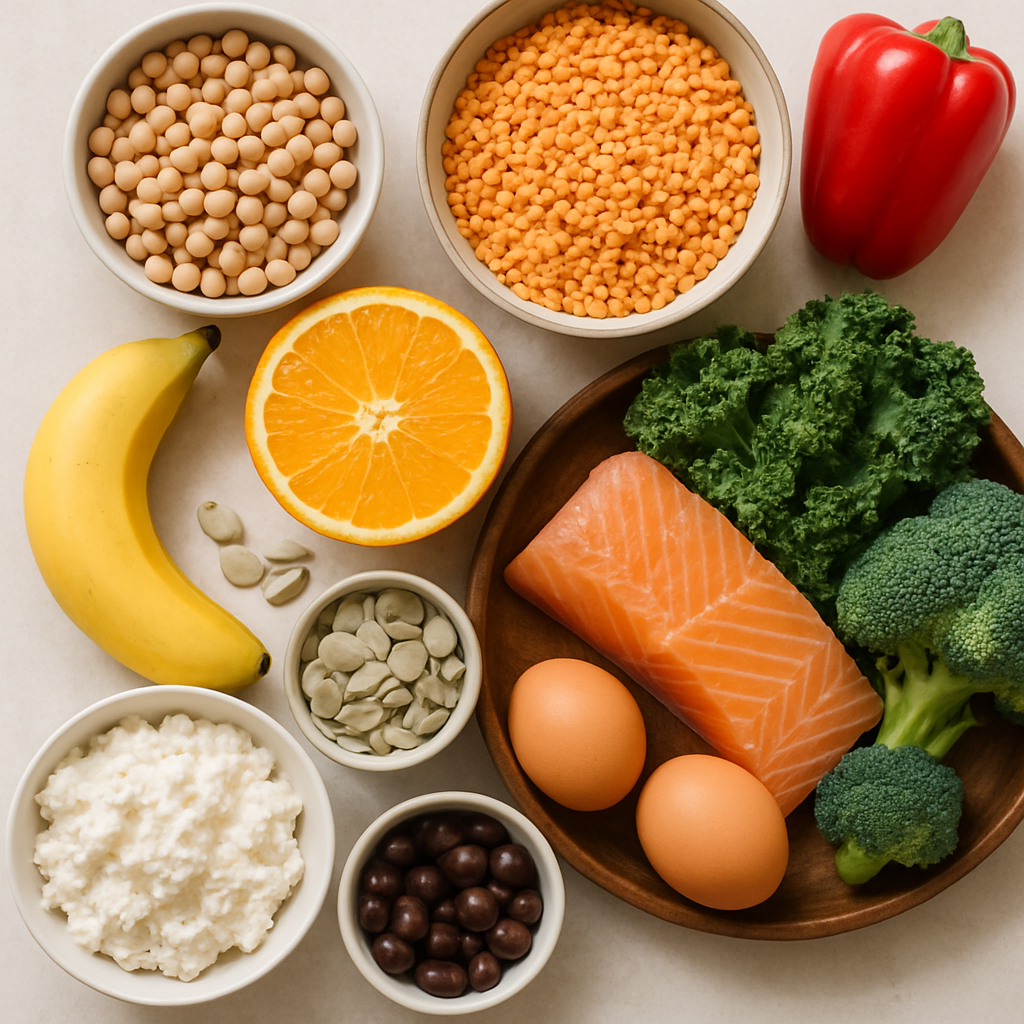
Good dietary sources of tryptophan include turkey, chicken, eggs, dairy products, oats, bananas, seeds (especially pumpkin and sunflower), and tofu.
Low tryptophan availability has been linked in research to reduced serotonin synthesis, and studies using "tryptophan depletion" protocols — where participants are fed a tryptophan-free diet — consistently produce measurable dips in mood, particularly in people with a personal or family history of depression.
Dopamine and Drive: The Role of Tyrosine
If tryptophan is the calm-and-sleep nutrient, tyrosine is its more alert, driven counterpart. Tyrosine is converted in the brain to L-DOPA, and then to dopamine — the neurotransmitter central to motivation, reward, and goal-directed behaviour. From dopamine, the body also produces noradrenaline and adrenaline, which are critical for focus and your response to stress.
Tyrosine is particularly interesting in the context of cognitive performance under pressure. Several studies have looked at tyrosine supplementation in demanding conditions — sleep deprivation, cold exposure, high-stress military training — and found it helps maintain cognitive function when the body is under strain.
The theory is that dopamine and noradrenaline get depleted faster during periods of acute stress, and having adequate tyrosine available helps replenish them more quickly.
Good dietary sources of tyrosine include chicken, turkey, fish, dairy, eggs, almonds, avocados, and bananas. If those foods look familiar, it's because tryptophan and tyrosine often appear together — protein-rich foods tend to contain both.
Phosphatidylserine and the Stress-Mood Connection
Phosphatidylserine (PS) is less well-known but has a solid body of research behind it, particularly around stress and cognitive decline.
One of its most studied roles is in blunting the cortisol response to physical and mental stress. Cortisol is your primary stress hormone — useful in short bursts, but chronically elevated cortisol is associated with anxiety, poor sleep, memory problems, and low mood. Several clinical trials have found that phosphatidylserine supplementation reduces cortisol and ACTH (the hormone that triggers cortisol release) following exercise-induced stress, particularly at doses around 400–800mg per day.
PS also appears to support cognitive function more broadly. Studies in older adults have found improvements in memory, learning, and concentration with PS supplementation. Interestingly, the European Food Safety Authority (EFSA) has approved a qualified health claim linking phosphatidylserine to maintaining cognitive function — one of the few such approvals in this area.
Dietary sources of phosphatidylserine include soy, white beans, egg yolk, chicken liver, Atlantic mackerel, and Atlantic herring. It's worth noting that levels in food are relatively modest compared to the doses used in supplement studies, which is why PS is one of the more commonly supplemented of the three nutrients discussed here.
What the Evidence Shows
The research on all three nutrients is genuinely promising, but it's worth being clear-eyed about what the evidence does and doesn't say.
Tryptophan has some of the strongest mechanistic evidence — the pathway from dietary tryptophan to serotonin is well understood. However, the leap from "serotonin affects mood" to "eating more tryptophan improves mood in healthy adults" is more nuanced. Most of the strongest findings come from depletion studies or clinical populations. That said, consistently low intake is likely to have real consequences over time.
Tyrosine shows more reliable effects on acute cognitive performance under stress than on mood per se. It's not going to replace sleep or stress management, but the evidence for its role in maintaining mental sharpness during demanding periods is credible.
Phosphatidylserine has the most direct evidence for cortisol modulation, particularly in the context of exercise stress. The cognitive function data in older adults is encouraging, though effects in younger, healthy populations are more modest.
The honest takeaway from the research is this: these nutrients are unlikely to transform your mood overnight, but chronic shortfalls — common in restrictive or low-variety diets — may quietly undermine how well your brain functions.
Common Misconceptions Worth Addressing
A few things people often get wrong about this topic.
"Eating turkey makes you sleepy." This is a version of the tryptophan story that's mostly myth. Turkey does contain tryptophan, but not in dramatically higher quantities than chicken or other meats. The post-meal sleepiness at a big family dinner is more likely down to the overall volume of food, alcohol, and carbohydrates — not turkey specifically.
"More is always better." Megadosing any of these nutrients — particularly tryptophan or tyrosine in supplement form — isn't automatically helpful and can cause issues. High-dose tryptophan supplements have been linked to serotonin syndrome when combined with certain medications, for instance. Food-first approaches are safer for most people.
"Mood is just about serotonin." Mood is extraordinarily complex. Serotonin, dopamine, noradrenaline, GABA, gut microbiome health, inflammation, sleep, social connection — all of these interact. Nutrition is one piece of a large puzzle.
Practical Takeaways
Here's what a practical, evidence-informed approach to these nutrients actually looks like day to day.
Eat a varied diet with good protein sources at most meals. Eggs, dairy, poultry, fish, legumes, and tofu all provide tryptophan and tyrosine. Variety matters because different foods bring different amino acid profiles and cofactors.
Pair protein with complex carbohydrates. This supports tryptophan's journey to the brain. Think oats with seeds in the morning, or salmon with sweet potato in the evening.
Include oily fish a couple of times a week. Mackerel and herring are among the better dietary sources of phosphatidylserine and also provide omega-3s, which have their own evidence base for mood and brain health.
Consider your overall dietary pattern, not individual foods. The Mediterranean diet — which naturally includes many tryptophan, tyrosine, and PS-rich foods — has consistently shown associations with better mental health outcomes in large observational studies. It's a useful template.
If you're under sustained stress or eating a restricted diet, it may be worth speaking to a registered dietitian about whether targeted supplementation makes sense for you. PS in particular is difficult to get in meaningful quantities from food alone.
If you want to build meals that consistently hit your macro and micronutrient targets without spending hours planning, Macrology generates macro-perfect meal plans in seconds — https://macrology.app/signin
Want meals like this planned to your exact macros?
Macrology generates a personalised meal plan in seconds — breakfast, lunch, dinner and snacks, all hitting your daily targets.
Start your free 14-day trial