Why Magnesium Is One of the Most Important Minerals for Everyday Health
# Why Magnesium Is One of the Most Important Minerals for Everyday Health
Most people can name iron or calcium without hesitation, but magnesium rarely gets the same attention — despite being involved in over 300 biochemical reactions in the human body. It's one of those nutrients that quietly keeps everything ticking, and yet a significant portion of the UK population isn't getting enough of it.
---
What Does Magnesium Actually Do?
Magnesium is classified as a macromineral, meaning your body needs it in relatively large amounts compared to trace minerals like zinc or selenium. It plays a central role in energy production, protein synthesis, muscle contraction, nerve function, and blood glucose regulation.
One of its less obvious but critical jobs is acting as a cofactor for enzymes. Enzymes are the proteins that drive virtually every chemical reaction in your body, and magnesium helps activate hundreds of them. Without adequate magnesium, these reactions slow down or become less efficient — which can have knock-on effects across multiple body systems.
It also plays a structural role in bone health. Around 60% of the magnesium in your body is stored in your bones, where it contributes to bone density and influences how calcium is used. This often gets overlooked in conversations about bone health, which tend to focus almost exclusively on calcium and vitamin D.
---
How Common Is Magnesium Deficiency?
True clinical deficiency — where blood levels drop low enough to cause obvious symptoms — is relatively rare. But subclinical deficiency, where intake is consistently below optimal without dramatic symptoms, is thought to be much more widespread.
Data from the UK's National Diet and Nutrition Survey suggests that a notable proportion of adults, particularly women and older adults, have magnesium intakes below the recommended levels. The UK reference nutrient intake (RNI) is 300mg per day for men and 270mg per day for women — figures that can be surprisingly easy to fall short of on a typical modern diet.
Ultra-processed foods, which make up a large chunk of average UK diets, tend to be low in magnesium. Refining grains strips away the magnesium-rich bran and germ, which is one reason white bread delivers far less magnesium than wholegrain alternatives. Alcohol consumption and certain medications — including proton pump inhibitors and some diuretics — can also deplete magnesium over time.
---
What the Evidence Shows
The research on magnesium spans a wide range of health areas, and the findings are fairly consistent: adequate magnesium intake is associated with better outcomes across several important markers of health.
Sleep quality is one area that's received growing attention. A 2022 study published in Sleep Medicine Reviews found associations between higher magnesium intake and improved sleep quality, particularly in older adults. Magnesium appears to influence the regulation of melatonin and interact with GABA receptors — the calming neurotransmitter system that helps the brain wind down at night.
Blood pressure is another well-researched area. A meta-analysis published in Hypertension found that magnesium supplementation produced modest but statistically significant reductions in blood pressure. The effect is thought to relate to magnesium's role in relaxing blood vessel walls.
There's also meaningful evidence linking magnesium intake to type 2 diabetes risk. Higher dietary magnesium has been associated with improved insulin sensitivity and lower fasting glucose levels in multiple prospective studies. This likely relates to magnesium's role in glucose metabolism and its function as a cofactor for insulin receptors.
Mood and mental health is perhaps the most nuanced area. Low magnesium status has been associated with higher rates of depression and anxiety in observational studies, though it's difficult to establish causality here — people under chronic stress excrete more magnesium in urine, so it's not always clear which comes first. What is reasonably well established is that magnesium plays a role in regulating the HPA axis, the body's central stress response system.
---
Signs Your Intake Might Be Low
Because magnesium is involved in so many processes, low intake can show up in varied and sometimes vague ways. Muscle cramps and twitches — particularly that annoying eye twitch that comes and goes — are commonly linked to low magnesium. Fatigue, difficulty sleeping, and feeling anxious or on edge can also be associated, though these symptoms overlap with a huge number of other things.
It's worth noting that standard blood tests aren't particularly useful for assessing magnesium status. Only about 1% of the body's magnesium is found in the blood, so serum levels can appear normal even when cellular or bone stores are depleted. If you suspect your intake is consistently low, looking at dietary sources is more informative than chasing a blood result.
---
The Best Food Sources of Magnesium
The good news is that magnesium is found across a fairly wide range of whole foods, so building intake through diet is very achievable.
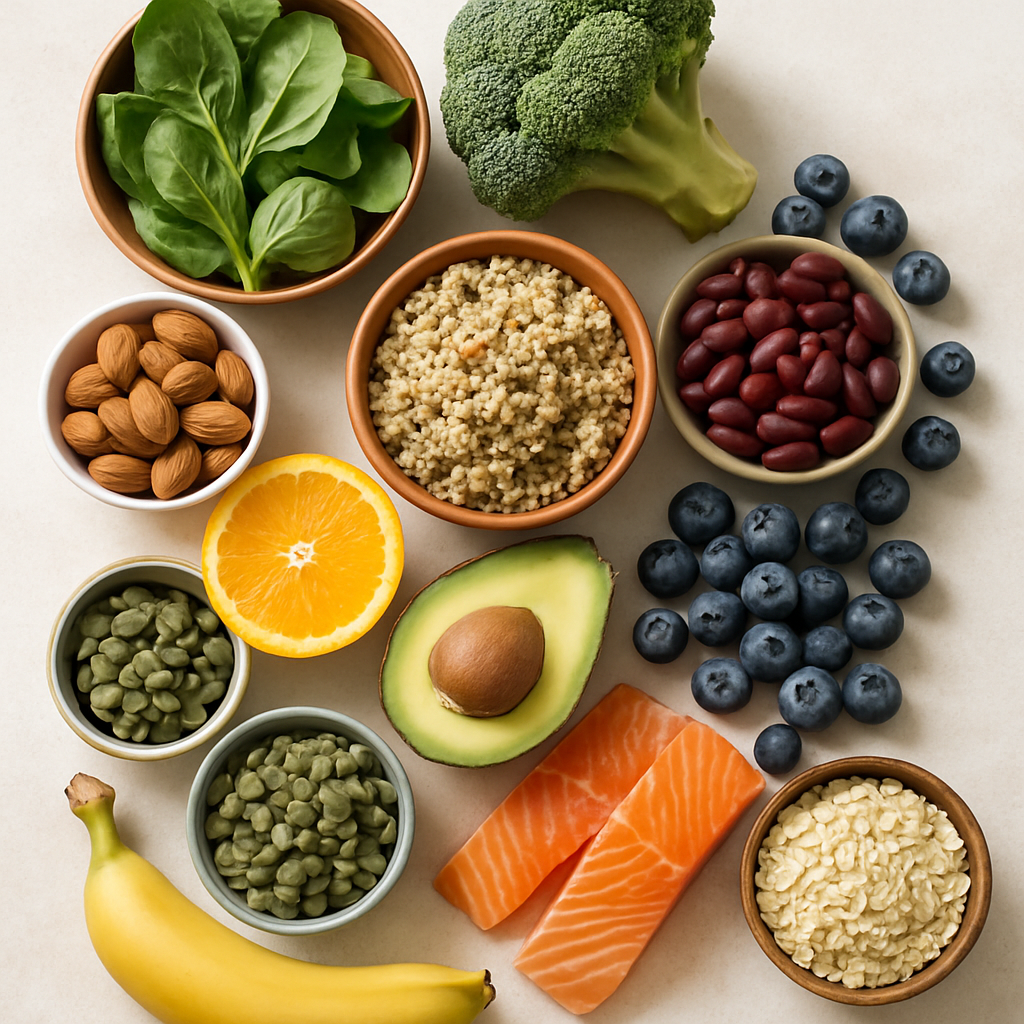
Dark leafy greens — spinach in particular — are excellent sources. A 100g serving of cooked spinach contains around 80mg of magnesium. Nuts and seeds are among the most concentrated sources: pumpkin seeds (also called pepitas) deliver roughly 550mg per 100g, making them one of the richest dietary sources available. A small handful as a snack or scattered on a salad can make a meaningful contribution.
Legumes — lentils, chickpeas, black beans — are solid, affordable sources that also bring fibre and protein to the plate. Wholegrains like brown rice, oats, and quinoa provide useful amounts alongside other nutrients. Dark chocolate (70% cocoa or above) contains a surprisingly decent amount of magnesium — around 170mg per 100g — and is one fact that tends to make people feel rather good about their dietary choices.
Fatty fish, tofu, bananas, and avocado all contribute meaningful amounts too, which means a varied, minimally processed diet will generally cover most people's needs without much deliberate effort.
---
Should You Consider a Supplement?
Supplementation is a reasonable option for some people, particularly those with dietary restrictions that make it hard to hit targets through food alone, those taking medications that deplete magnesium, or people with conditions like type 2 diabetes or gastrointestinal disorders that can impair absorption.
The form of magnesium matters. Magnesium glycinate and magnesium citrate tend to be better absorbed than magnesium oxide, which is cheap and commonly found in supermarket supplements but has relatively poor bioavailability. If you've tried a magnesium supplement before and noticed little effect, the form may well have been the issue.
High-dose supplementation can cause loose stools — magnesium's osmotic effect on the gut is why magnesium hydroxide is used as a laxative — so starting low and building up gradually is a sensible approach. For most people, though, focusing on food sources first is the more practical and sustainable route.
---
Practical Takeaways
Getting more magnesium into your diet doesn't require overhauling everything you eat. A few consistent habits can shift your intake meaningfully:
- Swap white bread and pasta for wholegrain versions — the difference in magnesium content is substantial
- Add a tablespoon of pumpkin seeds to porridge, yoghurt, or salads — it's one of the easiest high-magnesium additions you can make
- Eat legumes a few times a week — a lentil soup or chickpea curry is a reliable, cheap way to boost intake
- Include dark leafy greens regularly — spinach wilts down to almost nothing in a pan, so it's easy to add to pasta, eggs, or stir-fries without it taking over the meal
- Choose dark chocolate as an occasional treat if you enjoy it — the magnesium content is a genuine bonus
If you want to hit your daily magnesium targets without having to think too hard about it, Macrology generates macro-perfect meal plans in seconds — [https://macrology.app/signin](https://macrology.app/signin)
---
Magnesium won't win any popularity contests in the nutrition world, but it's one of the most consistently important minerals for how you feel day to day. Getting enough through food is genuinely achievable — it's mostly a case of knowing where to look.
Want meals like this planned to your exact macros?
Macrology generates a personalised meal plan in seconds — breakfast, lunch, dinner and snacks, all hitting your daily targets.
Start your free 14-day trial