Why Leucine, Isoleucine and Valine Are Not Just for Athletes
# Why Leucine, Isoleucine and Valine Are Not Just for Athletes
You've probably seen the letters BCAA plastered across protein shakers and supplement tubs in every gym you've ever walked into. It's easy to assume this is territory reserved for bodybuilders and elite athletes — but the science tells a more interesting story.
Leucine, isoleucine and valine — the three branched-chain amino acids — play roles in your body that go well beyond building muscle. Understanding what they actually do, and where to get them, is useful for pretty much anyone who eats food and wants to feel well.
What Are BCAAs, Actually?
Amino acids are the building blocks of protein. There are 20 of them in total, and nine that your body can't make on its own — these are called essential amino acids, meaning you need to get them from food.
Leucine, isoleucine and valine are three of those nine essential amino acids. What makes them "branched-chain" is simply their molecular structure — they have a branched side chain, which affects how the body processes them.
Most amino acids are broken down in the liver before entering the bloodstream. BCAAs are different: they bypass the liver almost entirely and go directly into the bloodstream, where they can be taken up rapidly by muscle tissue and other organs. That unusual routing is part of what makes them metabolically interesting.
What the Evidence Shows
The research on BCAAs is both robust and sometimes overhyped, so it's worth separating signal from noise.
Leucine is the most studied of the three, and for good reason. It acts as a direct trigger for a cellular process called muscle protein synthesis — essentially, the signal that tells your body to build and repair muscle tissue. A 2012 review in the Journal of Physiology confirmed leucine's unique role as a "nutrient signal" that activates the mTOR pathway, a key regulator of cell growth. This matters not just for athletes but for anyone recovering from illness, surgery, or even a period of reduced physical activity.
Isoleucine has a distinct profile. It plays an important role in glucose uptake into muscle cells, helping to regulate blood sugar. Research published in the Journal of Nutrition has shown that isoleucine can enhance glucose transport independently of insulin — a finding with real implications for metabolic health more broadly, not just sports performance.
Valine is the quietest of the three but contributes to energy production during sustained activity and supports central nervous system function. It also helps maintain nitrogen balance in the body — a marker of whether your body is in a state of protein breakdown or repair.
Together, the three work synergistically. The ratio of leucine to the other two appears to matter: most research points to a roughly 2:1:1 ratio of leucine to isoleucine to valine as the sweet spot for maximising their combined effect.
Why They Matter Beyond the Gym
Here's where things get genuinely interesting for people who've never owned a protein shaker.
Muscle loss with age — known as sarcopenia — is one of the most significant factors in declining health and independence as people get older. From around the age of 30, muscle mass decreases by roughly 3–8% per decade, and the rate accelerates after 60. Leucine's role in stimulating muscle protein synthesis means that adequate BCAA intake is directly relevant to how well older adults maintain muscle — regardless of whether they're lifting weights.
In illness and recovery, the demand for BCAAs increases. When the body is under stress — from infection, surgery, or prolonged bed rest — it breaks down muscle tissue for fuel. Higher BCAA availability can help slow that breakdown. Some hospitals now use leucine-enriched formulas in clinical nutrition for exactly this reason.
There's also emerging research on brain function. BCAAs compete with tryptophan to cross the blood-brain barrier, which influences the production of neurotransmitters including serotonin. The relationship is complex and the evidence is still developing, but it points to a role for these amino acids in mood regulation and cognitive function that most people aren't aware of.
Common Misconceptions
The biggest misconception is that you need supplements to get meaningful amounts of BCAAs. You almost certainly don't, if you're eating a varied diet with adequate protein.
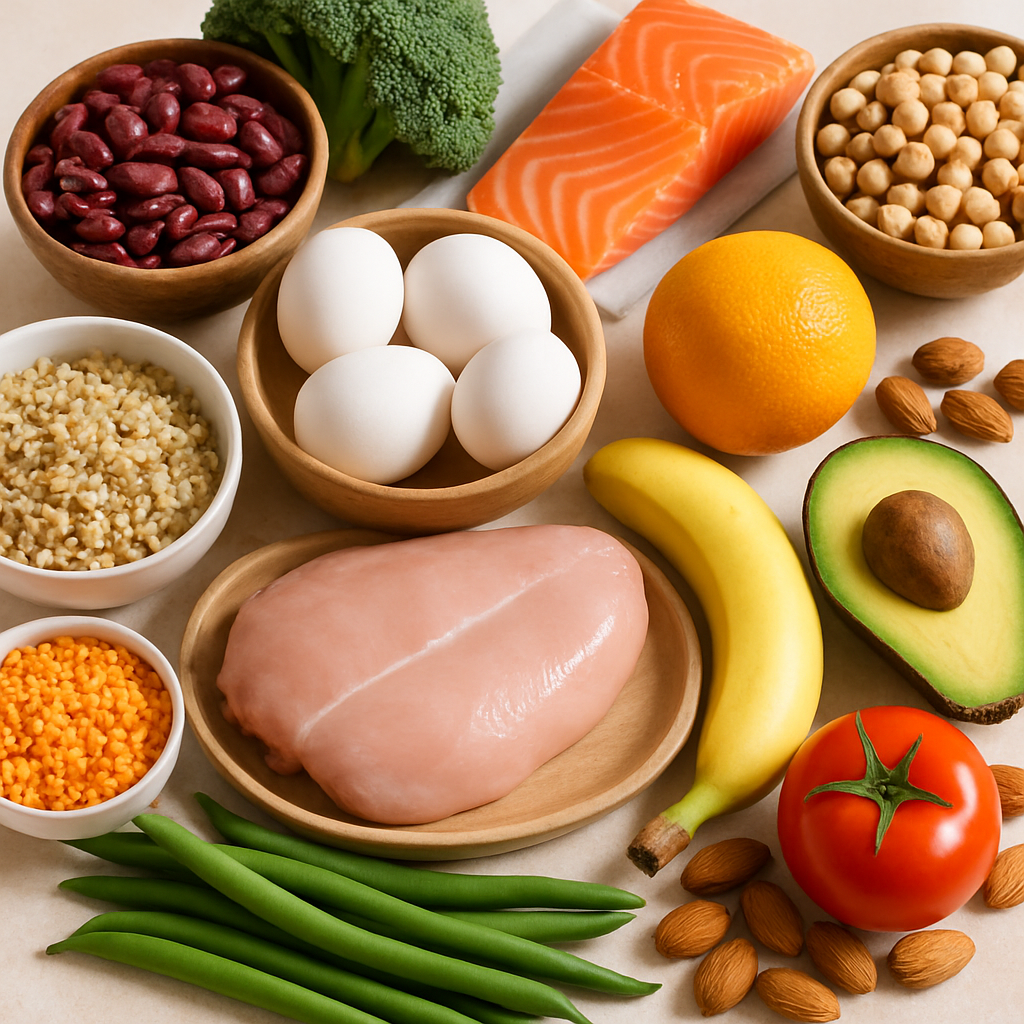
BCAAs are found in high concentrations in virtually all complete protein sources. A 150g chicken breast contains around 6–7g of BCAAs. A cup of cooked lentils provides roughly 2.5g. Greek yoghurt, eggs, salmon, tofu, and dairy products all contribute meaningfully.
The supplement industry has done an effective job of making BCAAs seem like a separate, specialised nutrient — but they're simply part of the protein you're already eating. Standalone BCAA supplements, for most people eating sufficient protein, offer little additional benefit according to a 2017 analysis in the Journal of the International Society of Sports Nutrition.
Where supplements might be relevant is in situations where someone has a very low appetite (common in illness or older age), is following a very low-calorie diet, or has specific medical needs. In those contexts, it's worth a conversation with a dietitian rather than a trip to the supplement aisle.
Who Should Pay Attention
While BCAAs are relevant to everyone, a few groups have particularly good reasons to think about their intake.
Older adults are at the top of the list. Ageing is associated with "anabolic resistance" — the body becomes less efficient at using dietary protein to build muscle. Some evidence suggests that older adults may need more leucine per meal (around 3g or more) to stimulate the same muscle protein synthesis response that younger people get from lower amounts. Spreading protein intake across the day, rather than concentrating it in one meal, also appears to help.
People recovering from illness or surgery may find that protein timing and BCAA-rich foods support faster recovery. Again, this doesn't necessarily mean supplements — it means being intentional about including high-quality protein sources in meals during that period.
People following plant-based diets benefit from being aware that while plants do contain BCAAs, most plant protein sources are lower in leucine than animal proteins. Soya, quinoa, and hemp are among the better plant-based sources. Combining varied protein sources across the day remains a sound approach.
Practical Takeaways
Here's what this actually means in day-to-day terms:
Aim for protein at every meal, not just dinner. Research consistently shows that spreading protein — including BCAAs — across three or four meals is more effective for muscle protein synthesis than eating the same total amount in one or two sittings.
Prioritise whole food sources first. Chicken, fish, eggs, dairy, legumes, tofu, tempeh, and edamame are all solid options. You don't need to track BCAAs specifically — tracking total protein intake and eating varied sources covers the bases.
If you're over 60, pay particular attention to the leucine content of meals. Including a palm-sized serving of a high-quality protein at each meal — rather than relying on a single large portion in the evening — is a practical and evidence-backed approach.
Don't be misled by supplement marketing. For the vast majority of people, BCAA supplements are an unnecessary expense. Put the money towards quality food instead.
If your appetite is low, whether due to illness, stress, or medication, it's worth being more deliberate about protein-rich foods. Small, frequent protein-containing meals or snacks can help maintain intake without requiring large portions.
---
If you want to make sure you're hitting your protein and BCAA targets without the guesswork, Macrology generates macro-perfect meal plans in seconds — [https://macrology.app/signin](https://macrology.app/signin)
Want meals like this planned to your exact macros?
Macrology generates a personalised meal plan in seconds — breakfast, lunch, dinner and snacks, all hitting your daily targets.
Start your free 14-day trial