How to eat fresh food for less than junk food
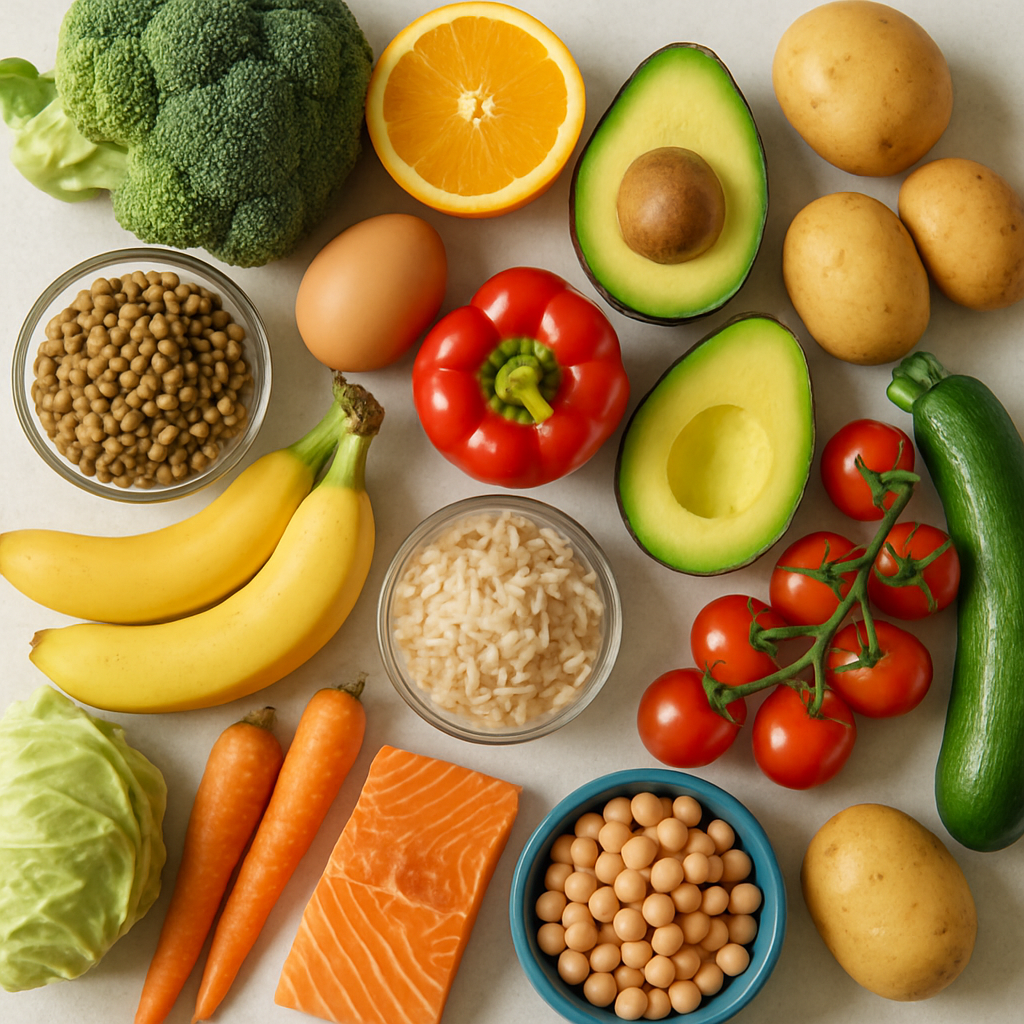
# How to Eat Fresh Food for Less Than Junk Food
There's a persistent myth that eating well costs a fortune — that fresh food is a luxury and processed junk is the budget option. It's understandable where that idea comes from, but the numbers don't always stack up the way people assume.
With a bit of planning and some practical knowledge, fresh, nutritious food can genuinely cost less per meal than a multipack of crisps or a fast food run. Here's how.
The Myth of the "Cheap" Junk Food
The idea that junk food is cheaper than real food deserves a closer look. A £1 bag of crisps, a £3 meal deal, or a £5 fast food order feels cheap in the moment — but these are single-serving purchases with minimal nutritional value.
When you start thinking in terms of cost per calorie, cost per gram of protein, or simply how long a food keeps you full, the equation shifts dramatically. A 500g bag of dried lentils costs around £1.20 and provides roughly 10 servings. A bag of crisps costs the same and provides one.
This isn't about judging what people eat. It's about pointing out that the "junk food is cheaper" assumption often falls apart once you look at it properly.
Why Fresh Food Has a Reputation for Being Expensive
Part of the problem is how we shop for fresh food. Buying a punnet of blueberries out of season, grabbing pre-washed salad bags, or picking up individual portions of fresh salmon from the chiller all adds up quickly — and creates the impression that healthy eating is expensive.
The reality is that the most expensive fresh foods are often the most convenient ones. We're not comparing a home-cooked lentil dhal to a bag of crisps — we're comparing a £4 pot of pre-made salad to a £1 snack.
There's also the question of food waste. Fresh food that gets forgotten at the back of the fridge ends up costing more than it should. Poor planning is frequently what makes fresh eating feel financially unsustainable, not the food itself.
What the Evidence Shows
Research consistently challenges the narrative that healthy food is inherently more expensive. A 2019 study published in the British Medical Journal found that a healthy diet costs roughly £1.50 more per day than an unhealthy one on average — but this figure often doesn't account for homecooking, buying staples in bulk, or reducing waste.
More tellingly, a 2021 analysis from the Food Foundation found that the most deprived households in the UK spend a significantly higher proportion of their income on food — not necessarily because healthy food is cheap, but because highly processed foods are often heavily marketed, widely available, and engineered to feel satisfying in ways that override hunger signals.
Meanwhile, research from Harvard's T.H. Chan School of Public Health estimated that the cheapest healthy diets cost as little as $1.50 per person per day globally when built around legumes, grains, eggs, and seasonal vegetables. The UK equivalent, adjusted for local prices, still comes in well under what most people spend on convenience food.
The takeaway from the evidence isn't that price is never a barrier — for some households it genuinely is. But for many people, the gap is smaller than assumed, and strategy matters more than income.
The Cheapest Nutritious Foods You Can Actually Cook With
Understanding which foods offer the best nutritional value for money is genuinely useful. Here are some of the heavyweights:
Dried pulses (lentils, chickpeas, black beans) — cheap per serving, high in protein, fibre, and iron, and incredibly versatile. Tinned versions cost a little more but are still excellent value.
Eggs — one of the most complete protein sources available, and typically under 25p per egg. Scrambled, boiled, baked, or fried, they're a genuinely powerful ingredient.
Frozen vegetables — often nutritionally superior to "fresh" vegetables that have sat in a supply chain for days. Frozen peas, spinach, sweetcorn, and mixed veg are cheap, have a long shelf life, and count towards your five-a-day.
Oats — a 1kg bag costs around £1 and provides weeks of breakfasts. Oats are high in soluble fibre, particularly beta-glucan, which has solid evidence behind it for supporting cholesterol levels and sustained energy.
Tinned fish (sardines, mackerel, tuna) — often overlooked, but tinned sardines and mackerel are among the cheapest sources of omega-3 fatty acids and protein available. A tin of sardines costs under £1 and contains roughly 20g of protein.
Seasonal vegetables — buying what's in season, whether that's leeks in winter or courgettes in summer, is reliably cheaper and often tastier. Root vegetables like carrots, swede, and potatoes are year-round budget staples.
Planning Is the Real Secret
No amount of knowing which foods are good value helps if you're standing in a supermarket without a plan, buying things that don't form a coherent meal, and ending up ordering a takeaway on Thursday because the fridge is uninspiring.
Meal planning is the single most effective thing you can do to lower your food costs without compromising on what you're eating. When you know what you're making each day, you buy only what you need, you use what you buy, and you stop making expensive last-minute decisions.
Planning around ingredient overlap is particularly useful. If you buy a bag of spinach, plan three meals that use it. If you cook a batch of lentils, they can go into a soup on Monday, a curry on Wednesday, and a salad on Friday. This approach — sometimes called batch cooking or ingredient-led planning — can cut your weekly food shop considerably.
Reducing Waste Without Trying Too Hard
The average UK household throws away £700 worth of food every year, according to WRAP (the Waste and Resources Action Programme). That's not a small number.
A lot of this waste comes from fresh food bought with good intentions but no clear plan. The fix isn't complicated: buy less more often, or plan meals in advance so everything you buy has a purpose.
A few habits that make a real difference:
- Keep a rough inventory of what's in your fridge and plan meals around what needs using first
- Use your freezer more aggressively — bread, meat, cooked grains, and most vegetables freeze well
- Treat "use by" dates as guidance rather than gospel for items like hard cheese, eggs, and root vegetables
- Batch cook on weekends so weeknight meals don't require effort or fresh shopping
None of this requires a spreadsheet or a lifestyle overhaul. It's just a small shift in how you approach the weekly shop.
Practical Takeaways
Here's what you can actually act on this week:
1. Build meals around cheap protein anchors. Eggs, lentils, tinned fish, and chickpeas should form the backbone of your weekly shop. They're cheap, filling, and nutritionally dense.
2. Swap fresh for frozen where it makes sense. Frozen spinach, peas, and sweetcorn are cheaper than fresh, last longer, and lose very little nutritional value.
3. Plan before you shop. Even a rough five-day meal plan written on your phone before you go to the supermarket will save you money and reduce waste.
4. Think in servings, not price tags. That £1.20 bag of lentils is not expensive. That £3 meal deal eaten daily is.
5. Use your freezer. Bread going stale? Freeze it. Leftover rice? Freeze it. Cooked a big batch of something? Freeze half.
6. Buy seasonally. It takes about five minutes to look up what's in season in the UK right now, and it'll reliably point you towards the cheaper end of the vegetable section.
---
If you want to eat well without spending hours planning meals from scratch, Macrology generates macro-perfect meal plans in seconds — [https://macrology.app/signin](https://macrology.app/signin)
Want meals like this planned to your exact macros?
Macrology generates a personalised meal plan in seconds — breakfast, lunch, dinner and snacks, all hitting your daily targets.
Start your free 14-day trial