How to eat fresh food for less than junk food
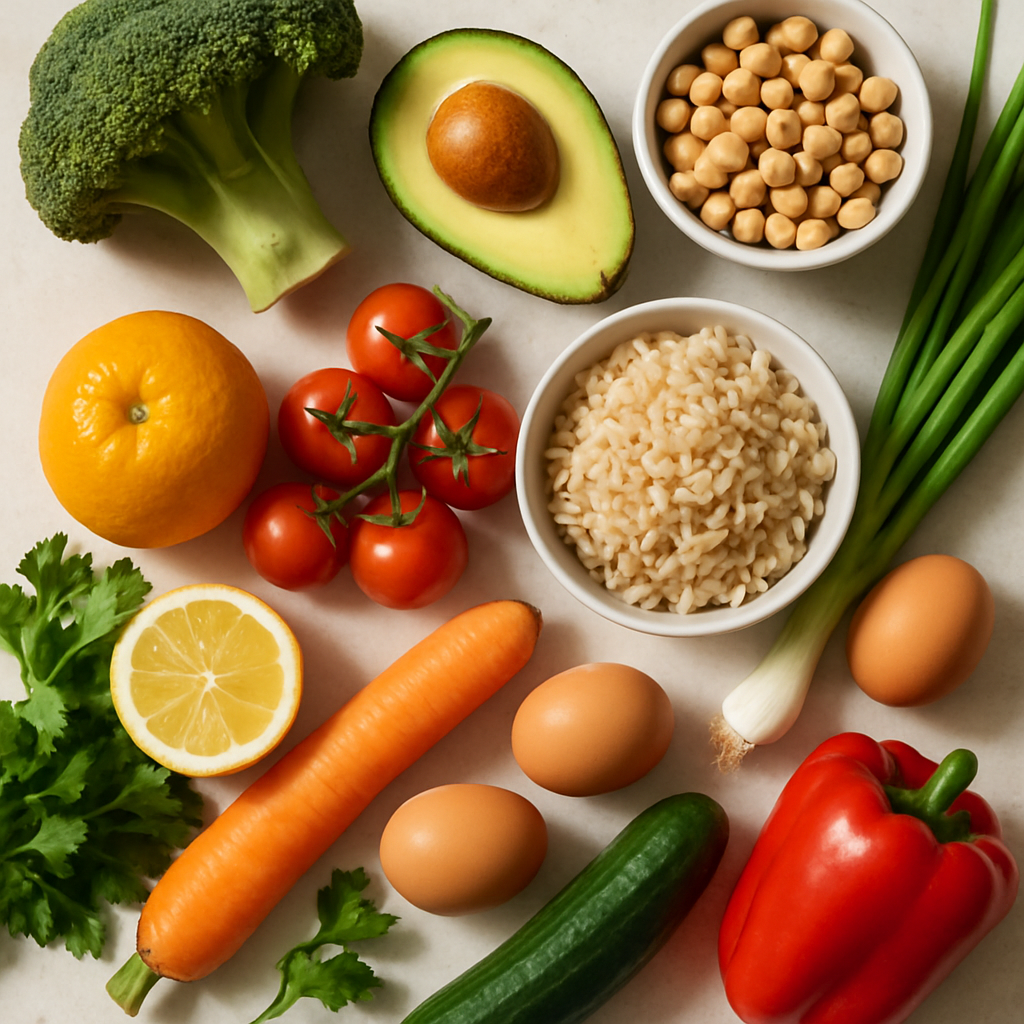
# How to Eat Fresh Food for Less Than Junk Food
There's a persistent idea that eating well costs a fortune — that fresh food is a luxury and processed junk is the budget option. It's one of the most stubborn myths in nutrition, and it's holding a lot of people back from eating the way they actually want to eat.
The reality is more interesting. With a bit of strategy, fresh food can be cheaper per meal than most takeaways, meal deals, or ultra-processed convenience foods. Here's how it actually works.
The Price Myth — Where It Comes From
The "healthy eating is expensive" narrative has some truth behind it, but it's often applied too broadly. Yes, a punnet of organic blueberries costs more than a bag of crisps. But comparing individual snack items isn't really how meals work.
The more useful comparison is cost per meal, not cost per item. A bag of red lentils might cost £1.50 and make four generous servings of dhal. A meal deal from a high street chain regularly runs to £4–5. A takeaway for one can easily hit £12–15 once you factor in delivery fees.
Research published in the British Medical Journal found that the healthiest diets cost around £1.50 more per day than the least healthy ones — a real difference, but a far smaller gap than most people expect. And that figure shrinks considerably when you cook from scratch rather than buying premium health food products.
What "Cheap" Junk Food Actually Costs You
The £1 meal deal snack or the £3 frozen pizza looks affordable at the till, but the maths gets murkier when you think about how much food you're actually getting.
Ultra-processed foods tend to be calorie-dense but not particularly filling. They're often engineered to be easy to overeat, which means you end up buying more. The satiety-per-pound comparison — how full a food keeps you relative to what you spent — frequently favours whole food options like oats, eggs, potatoes, and pulses.
There's also the hidden premium of convenience packaging. You're paying for individual portions, branding, and packaging as much as you're paying for food. A multipack of crisps costs significantly more per gram than the equivalent in bulk ingredients.
The Building Blocks of Cheap Fresh Food
Certain whole foods are genuinely outstanding value and nutritionally impressive. These aren't exciting revelations — they're the same staples that populations around the world have built their diets around for centuries.
Pulses — lentils, chickpeas, kidney beans — are arguably the best value protein source available. Dried lentils cost roughly 15–20p per 100g dry weight, which roughly doubles when cooked. They're high in fibre, protein, and slow-release carbohydrates.
Eggs are another standout. A box of six free-range eggs costs around £1.80–2.20 in most UK supermarkets. That's roughly 30–35p per egg, for a food that contains around 6g of complete protein and a range of micronutrients including choline, vitamin D, and B12.
Frozen vegetables deserve a bigger reputation than they get. Frozen spinach, peas, broccoli, sweetcorn, and edamame are typically cheaper than fresh equivalents and — this is the part most people miss — nutritionally equivalent or sometimes superior, because they're frozen shortly after harvest rather than sitting in transit.
Oats, rice, and potatoes are carbohydrate staples with excellent cost-per-serving ratios and real nutritional value. Porridge oats, in particular, have solid evidence behind them for satiety and cholesterol management.
What the Evidence Shows
The relationship between food cost and diet quality has been studied fairly extensively. The broad finding is that energy-dense, ultra-processed foods are cheap per calorie — but that metric is somewhat misleading, because most people in the UK aren't struggling to get enough calories. They're struggling to get enough nutrients per pound spent.
A 2019 study from the University of Cambridge analysed the diets of 55,000 people in the UK and found that the highest-quality diets — measured by nutrient density — weren't dramatically more expensive than lower-quality ones when home cooking was involved. The cost gap widened significantly when people relied on ready meals and takeaways.
The key mechanism is cooking from scratch. Raw ingredients are almost always cheaper than the sum of their parts once someone else has assembled them for you. A supermarket chicken breast stir-fry with frozen veg and rice might cost £1.80 to make at home. The same thing from a takeaway or ready meal section could cost three to four times that.
There's also evidence that meal planning specifically reduces food waste — which is one of the biggest hidden costs in most households. The average UK family throws away around £700 worth of food each year, according to WRAP. Buying with a plan means buying what you'll actually use.
Shopping Smarter Without Thinking About It Constantly
You don't need to turn grocery shopping into a spreadsheet exercise. A few habits make a significant difference without requiring much ongoing effort.
Buy seasonally where you can. British seasonal vegetables — leeks, cabbage, root vegetables in winter; courgettes, tomatoes, and runner beans in summer — are genuinely cheaper and better quality than imported out-of-season equivalents. Most supermarkets stock them prominently when they're in season.
Use the freezer more aggressively. Batch cook, freeze in portions. Lentil soup, bolognese, chilli, and curries all freeze well. Making a large pot costs roughly the same as making a small one, but it gives you multiple future meals that cost almost nothing extra.
Downshift on branded items where quality is equivalent. Supermarket own-brand tinned tomatoes, dried pasta, oats, and frozen vegetables are functionally identical to premium versions. The money saved there can go towards better quality meat or fish if that matters to you.
Learn three or four high-volume, low-cost meals really well. A dhal, a lentil or bean soup, a stir-fry, and a potato-based dish can rotate through the week and keep both costs and cooking effort low. Mastering a small repertoire is more useful than having an enormous cookbook you never use.
Common Objections, Honestly Addressed
"Fresh food takes too long to prepare." Some of it does. But tinned chickpeas, frozen veg, eggs, and pre-cooked rice are all fast. A chickpea curry using tinned chickpeas and a jar of passata takes about 20 minutes. That's roughly the same as waiting for a delivery.
"I don't want to eat the same things every week." Rotating a handful of base ingredients with different spices and flavour profiles gives you genuine variety without complexity. Lentils taste completely different in a Moroccan spiced soup versus an Indian tarka dhal versus a simple Italian-style stew.
"I live alone and things go off before I use them." This is where frozen and tinned produce really earns its keep. Build meals around ingredients that don't spoil. Eggs, tinned pulses, frozen veg, and dried grains have long shelf lives and zero waste.
Practical Takeaways
Here's what this actually looks like day to day:
- Base two or three dinners a week on pulses — lentils, chickpeas, or beans. Budget roughly £1–1.50 per serving.
- Keep frozen spinach, peas, and broccoli in the freezer at all times. They're faster and cheaper than fresh and just as nutritious.
- Batch cook on a Sunday or whenever you have a spare hour. Three or four portions of something like lentil dhal or a bean chilli cost perhaps £5–6 total and solve four meals.
- Default to eggs for quick, cheap, high-protein meals. Scrambled eggs, frittata, shakshuka — all fast, all inexpensive.
- Write a loose weekly plan before you shop, even just a rough list of five dinners. It reduces waste, reduces impulse buying, and makes the whole week cheaper.
The cost of eating fresh food is largely a planning problem, not a money problem. With a plan, fresh food wins on price more often than not.
---
If you want help planning meals that hit your nutrition goals without blowing the budget, Macrology generates macro-perfect meal plans in seconds — https://macrology.app/signin
Want meals like this planned to your exact macros?
Macrology generates a personalised meal plan in seconds — breakfast, lunch, dinner and snacks, all hitting your daily targets.
Start your free 14-day trial