How to eat fresh food for less than junk food
# How to Eat Fresh Food for Less Than Junk Food
There's a stubborn myth that eating well costs a fortune — that fresh food is a luxury and processed junk is the budget option. But the maths doesn't actually hold up once you start looking closely at what you're paying per meal, per portion, and per gram of actual nutrition.
The good news? With a few shifts in how you shop, plan, and cook, fresh food can easily undercut the cost of the ultra-processed stuff most people default to when money feels tight.
The "junk food is cheap" myth, unpacked
It's worth understanding where this idea comes from, because it's not entirely wrong — it's just incomplete.
A bag of crisps costs 89p. A fast food meal deal sits around £5–7. A ready meal can be £1.50. On the surface, these look cheap. But when you compare them to what you're actually getting — calories, protein, fibre, micronutrients — the value falls apart quickly.
Cost per calorie tells one story. Cost per unit of nutrition tells another. A £1 bag of dried red lentils contains around 1,600 calories, over 100g of protein, and a significant hit of iron and folate. Try getting that from the value aisle at a fast food chain.
The processed food industry is exceptionally good at making things feel affordable at the point of purchase. The small-unit pricing (a 99p chocolate bar, a £1.29 meal deal drink) obscures how quickly it adds up across a week.
What the evidence shows
Research published in the BMJ found that the healthiest diets cost, on average, about $1.50 more per day than the least healthy ones — a figure that gets cited constantly as proof that healthy eating is expensive. But dig into the methodology and you'll find it was based on US data, comparing retail prices without accounting for home cooking, food waste differences, or portion sizes.
Studies that have looked at cost per 100g of protein or cost per 100 calories consistently show that whole foods like eggs, legumes, oats, frozen vegetables, and tinned fish come out significantly cheaper than their processed equivalents.
A 2021 analysis from the Nuffield Trust found that people in the UK's lowest income decile spend a higher proportion of their income on food — but not necessarily more in absolute terms. The real barrier isn't always price. It's time, cooking confidence, and food access (proximity to affordable fresh food versus corner shops and fast food). Those are real barriers worth acknowledging. But for people who do have access and a bit of time, the cost argument is largely a myth.
The ingredients that give you the most for your money
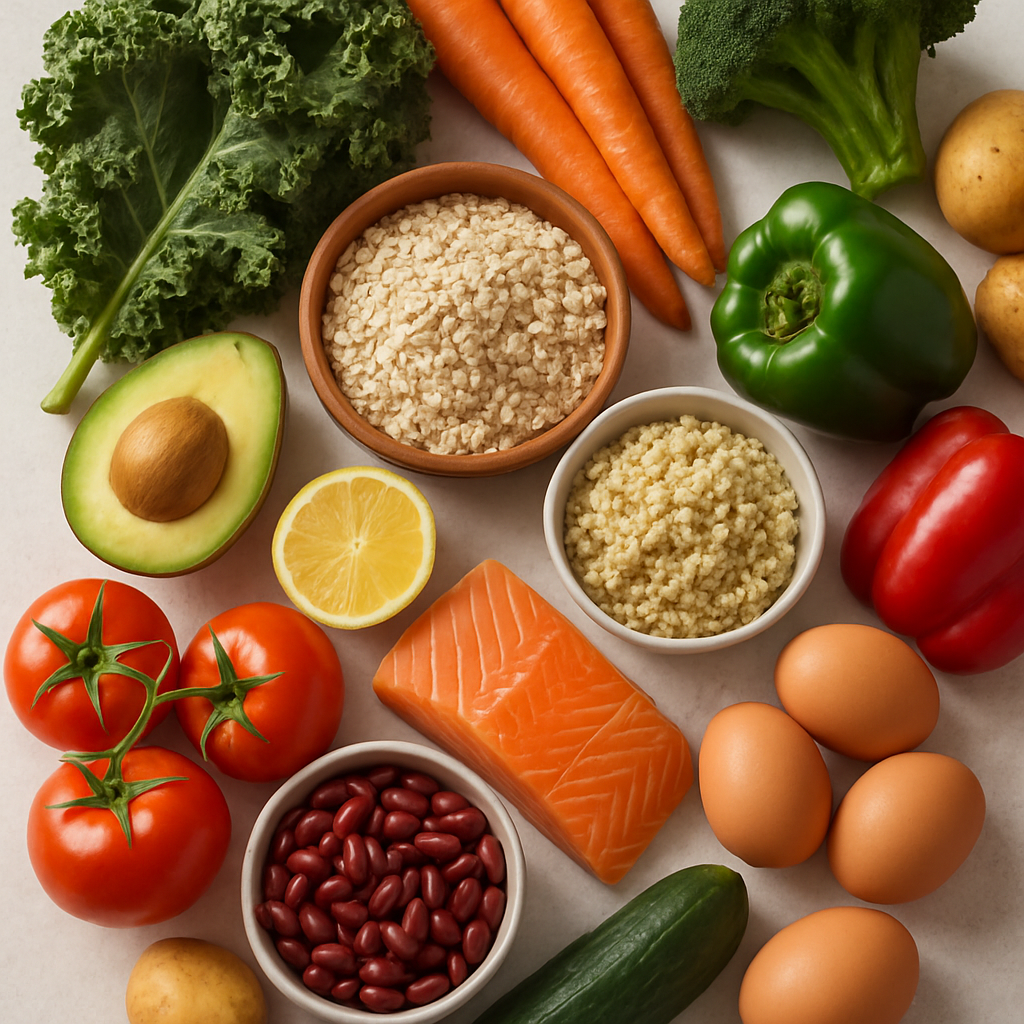
You don't need to overhaul your whole kitchen. A handful of cheap, genuinely nutritious staples can anchor most of your meals.
Dried legumes (lentils, chickpeas, black beans) are probably the single best value food available in most UK supermarkets. A 500g bag of red lentils costs around £1 and makes four to six generous portions. They're high in protein, fibre, and slow-digesting carbohydrates.
Eggs remain one of the most complete and affordable protein sources going. Six free-range eggs for around £1.80 gives you six meals' worth of high-quality protein at about 30p per serving.
Frozen vegetables are nutritionally comparable to fresh — often better, because they're frozen at peak ripeness rather than sitting in transit. A 1kg bag of frozen spinach, peas, or mixed veg for under £1.50 goes a long way.
Oats are almost offensively cheap per serving. A 1kg bag of rolled oats costs around £1.10 and gives you 10+ breakfasts that are high in fibre and genuinely filling.
Tinned fish — sardines, mackerel, tuna — gives you omega-3s and protein at a fraction of the cost of fresh fish. A tin of sardines in olive oil costs around 80p and delivers more omega-3s than many expensive supplements.
Where people actually overspend (and it's not on vegetables)
If you find your food budget running away with you, it's rarely the broccoli doing it.
Convenience foods carry a massive premium. Pre-cut vegetables, pre-marinated meat, single-serving portions, and individually wrapped snacks all cost significantly more than their unprocessed equivalents. A 300g bag of pre-sliced stir-fry vegetables might cost £2. A whole head of cabbage, two carrots, and a pepper costs less than £1 and makes more food.
Branded products versus own-brand is another area where money quietly disappears. UK supermarket own-brand tinned tomatoes, dried pasta, rice, and oats are nutritionally identical to their branded equivalents in virtually every case. The difference is purely in marketing.
Waste is expensive. The UK wastes around 9.5 million tonnes of food per year, and a significant chunk of that happens at home. Buying fresh produce without a plan — with every intention of cooking it — and then watching it go soft in the fridge is one of the most common ways people spend money on "fresh food" without actually eating it.
Meal planning is the real budget hack
This is where everything comes together. The single most effective thing you can do to eat well for less money isn't to shop at a particular supermarket or buy particular products — it's to know what you're going to eat before you buy it.
Meal planning eliminates impulse purchases, reduces waste, and means you can buy in bulk strategically rather than topping up with expensive small purchases throughout the week. It also means you're less likely to fall back on a £6 takeaway because there's nothing in the fridge at 7pm.
A simple approach: plan five or six dinners per week, write a shopping list based only on those meals, and cook slightly larger portions so you have lunches sorted without buying anything extra. That alone can cut a weekly food shop significantly while improving the nutritional quality of what you're eating.
Practical ways to make it work this week
These aren't abstract suggestions — they're things you can actually do in the next shop.
Swap one meat-based meal for a legume-based one. A lentil dahl, a chickpea curry, or a bean chilli costs a fraction of the same meal made with chicken or beef and is just as filling. Do this once a week and you'll notice the saving immediately.
Buy frozen where freshness isn't the point. Spinach for a curry, peas for a pasta, mixed veg for a stir-fry — frozen is fine, often better, and cheaper.
Check the reduced aisle. Fresh meat and fish near its use-by date can be up to 75% off. Buy it, use it that night, or freeze it immediately.
Cook once, eat twice. Doubling a batch of soup, stew, or grains takes almost no extra effort and gives you a free lunch the next day.
Use a shopping list and stick to it. Supermarkets are designed to make you spend more — end-of-aisle deals, strategically placed snacks, and multi-buy offers on things you didn't need. A list is your best defence.
Own-brand everything that isn't a centrepiece. Tinned tomatoes, dried pasta, oats, rice, beans, stock cubes — own-brand is the move. Spend the small premium where it actually matters to you (good bread, a nice piece of fish once a week).
If you want to eat well without the mental load of planning every meal from scratch, Macrology generates macro-perfect meal plans in seconds — https://macrology.app/signin
The bottom line
Fresh, nutritious food is genuinely affordable when you approach it with a bit of strategy. The idea that junk food is the budget option relies on comparing the price of a single chocolate bar to an imaginary expensive salad — it doesn't hold up when you look at real meals, real portions, and real nutritional value.
The barriers to eating well are real — time, skills, access, energy — but price, for most people in the UK with access to a standard supermarket, is more myth than reality. The foods that do the most for your health are often the cheapest things in the shop.
Want meals like this planned to your exact macros?
Macrology generates a personalised meal plan in seconds — breakfast, lunch, dinner and snacks, all hitting your daily targets.
Start your free 14-day trial