How to eat fresh food for less than junk food
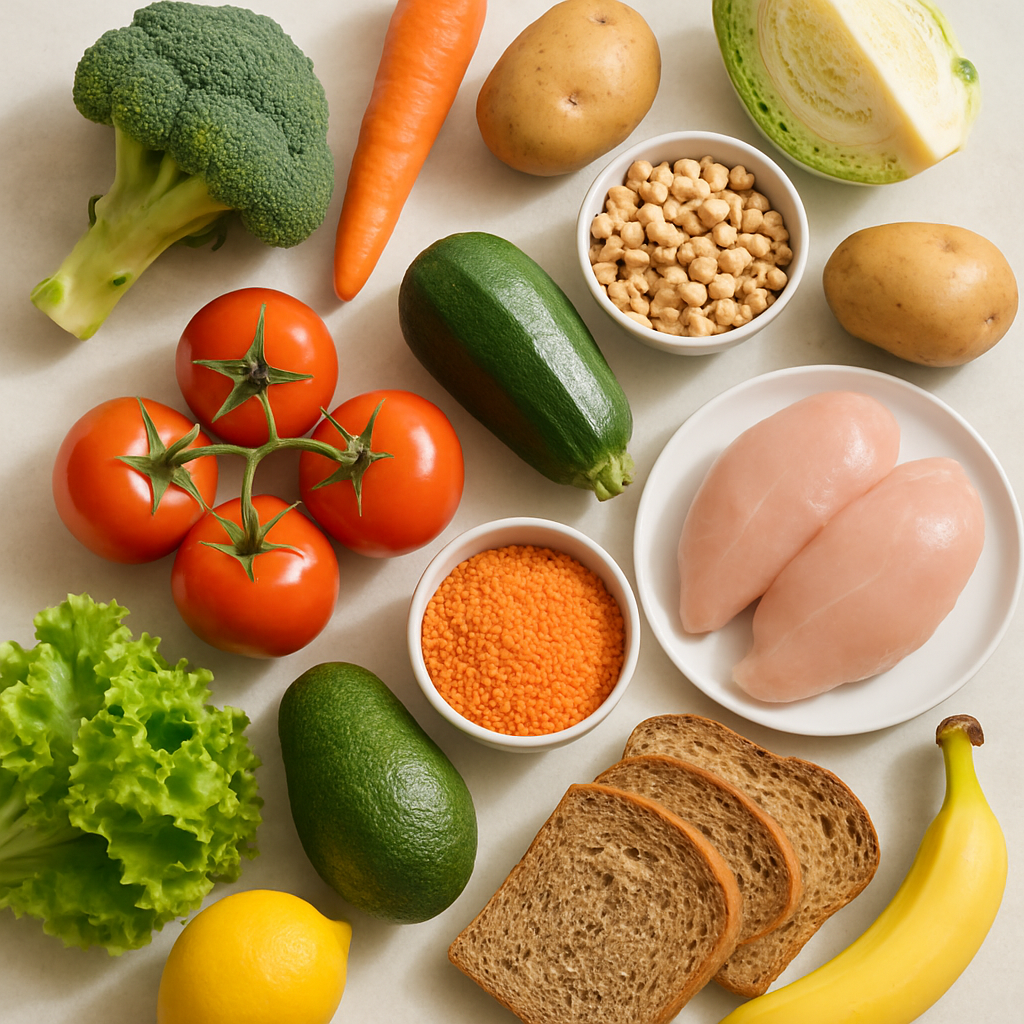
# How to Eat Fresh Food for Less Than Junk Food
There's a persistent idea that eating well costs more — that fresh food is a luxury and ultra-processed food is the budget option. It's one of the most widely repeated beliefs in conversations about diet, and it's only partially true.
With the right approach, fresh, nutritious food can genuinely cost less per meal than a packet of crisps and a meal deal.
The myth that healthy eating is expensive
The comparison that usually gets made is an unfair one. People weigh up a bag of apples against a multipack of biscuits, or a piece of salmon against a fast food burger, and conclude that fresh food loses on price every time.
But cost per calorie and cost per serving tell a very different story. Dried lentils, oats, tinned tomatoes, frozen vegetables, eggs, and own-brand Greek yoghurt are among the cheapest foods available in any UK supermarket — and they're also nutritionally dense in a way that ultra-processed snacks simply aren't.
A 500g bag of red lentils costs around £1.30 and provides roughly eight servings of a filling, protein-rich base. A packet of branded crisps or a meal deal sandwich delivers far fewer nutrients per penny. The maths shifts dramatically once you start comparing like with like.
Why ultra-processed food feels cheaper
Part of the reason junk food feels like the budget option is psychological. Heavily marketed, convenient, and designed to be immediately rewarding, ultra-processed food occupies a lot of mental real estate — it's visible, it's fast, and it requires no effort.
Fresh food, by contrast, requires planning, time, and a degree of skill. Those hidden costs — effort and time — are real, and they matter. But they're often overstated.
Convenience is a feature that's been sold to us, and once you build a few simple habits around food preparation, the time investment shrinks considerably. Batch-cooking a lentil dal takes about 30 minutes of active effort and feeds four people for roughly 60–70p per portion.
What the evidence shows
Research consistently challenges the idea that healthy eating is prohibitively expensive. A 2013 study published in BMJ Open found that healthier diets cost approximately £1.50 more per day than less healthy ones — a real but modest difference that often disappears when you factor in waste and portion size.
More recent UK data from the Food Foundation highlights a starker divide: the poorest households do face genuine structural barriers to food access, including proximity to supermarkets, lack of storage, and inability to buy in bulk. These are real and serious issues that aren't solved by blog advice alone.
But for many people with access to a standard supermarket, the gap is narrower than assumed. The biggest driver of food cost isn't the healthiness of what you buy — it's waste, unplanned shopping, and over-reliance on convenience formats. A pre-chopped stir-fry pack costs three times more than buying the same vegetables whole. A pre-cooked grain pouch costs four times more than cooking rice or bulgur wheat from scratch.
The ingredients that give you the most for your money
Some foods are nutritional workhorses that cost almost nothing per serving. Building your meals around these dramatically reduces your weekly spend without any sacrifice in variety or satisfaction.
Eggs remain one of the best value sources of complete protein in the UK, typically under £2 for six. Tinned pulses and legumes — chickpeas, kidney beans, butter beans — hover around 50–70p a tin and provide protein, fibre, and slow-release carbohydrates in one go.
Frozen vegetables are worth a special mention. Nutritionally, they're often equal to or better than fresh, because they're frozen within hours of harvest. A 1kg bag of frozen spinach, broccoli, or mixed vegetables costs around £1 and keeps for months. Whole grains like porridge oats, rice, and dried pasta deliver bulk, fibre, and energy for pennies per portion.
Cheaper cuts of meat — chicken thighs instead of breasts, pork shoulder, mince — are often more flavourful and work beautifully in slow-cooked or one-pot meals. If cost is the priority, reducing meat frequency and supplementing with legumes is one of the most effective moves you can make.
The real cost of ultra-processed food
It's worth being honest about what ultra-processed food actually delivers for the money. Calorie for calorie, you're often paying a significant premium for packaging, marketing, flavour engineering, and shelf stability.
A 300-calorie packet of biscuits might cost £1.50 and leave you hungry within an hour. A 300-calorie bowl of porridge with a banana costs around 20–25p and provides fibre, slow-release energy, and genuinely keeps you full.
The satiety argument is important. Ultra-processed foods are specifically engineered to be palatable without being filling — that's partly how they generate repeat purchases. Fresh whole foods tend to have higher satiety per calorie, which means you eat less overall. When you factor that in, the cost comparison shifts further.
There's also the question of what you spend when you're not full. Unplanned snacking and impulse buying at the till are far more likely when a meal hasn't satisfied you — and that spending adds up.
Planning is the single most powerful tool
The biggest lever most people can pull on their food budget isn't brand-switching or coupon-hunting — it's planning what you're going to eat before you shop.
When you have a meal plan, you only buy what you need, you reduce waste, and you're far less likely to make impulse purchases or fall back on expensive ready meals because there's nothing obvious to cook.
Studies on food waste in UK households estimate that the average family throws away around £700 worth of food per year, much of it fresh produce that wasn't used in time. Planning eliminates most of that. It also means you can shop across the week intelligently — knowing what you'll use quickly and what can go in the freezer.
A simple weekly plan doesn't need to be complicated. Knowing five dinners, a few lunches, and your standard breakfasts is enough to transform how efficiently you shop.
Practical takeaways
Here are some specific, actionable things worth trying this week:
Swap one convenience format for the whole version. Buy a whole cauliflower instead of pre-cut florets. Buy a block of cheese instead of pre-grated. Buy dried pasta instead of pre-cooked pouches. The savings are instant and significant.
Build at least two meals this week around pulses or eggs as the primary protein. Dal, frittata, shakshuka, bean stew, egg-fried rice — all are cheap, filling, and genuinely satisfying.
Use your freezer properly. Batch cook and freeze in portions. Buy reduced-price fresh meat and freeze it immediately. Buy frozen vegetables in bulk. The freezer is the single best tool for making fresh food affordable.
Plan before you shop, even loosely. Write down five dinners. Check what you already have. Build your list from that. You'll spend less, waste less, and cook better food.
Shop own-brand for staples. Tinned tomatoes, dried lentils, oats, flour, oil, frozen veg — there's almost no meaningful difference in quality between own-brand and premium for these items, and the price gap is often 30–50%.
If you want to stop guessing and start eating well without blowing your budget, Macrology generates macro-perfect meal plans in seconds — [https://macrology.app/signin](https://macrology.app/signin)
Fresh, nutritious food being expensive is a story that benefits the companies selling you the alternative. The more practical truth is that whole food, cooked simply, planned ahead, is one of the cheapest ways to eat — and one of the most satisfying.
Want meals like this planned to your exact macros?
Macrology generates a personalised meal plan in seconds — breakfast, lunch, dinner and snacks, all hitting your daily targets.
Start your free 14-day trial