How to eat fresh food for less than junk food
# How to Eat Fresh Food for Less Than Junk Food
There's a widely held belief that eating well costs more — that fresh, nutritious food is a luxury reserved for people with time, money, and a farmers' market nearby. But the maths often doesn't stack up the way people assume.
A meal deal, a fast food combo, or a packet of crisps and a chocolate bar can quietly drain your wallet faster than a home-cooked meal built around fresh ingredients. This article breaks down exactly how to make fresh food genuinely affordable — not with vague advice, but with practical strategies you can use this week.
The myth that junk food is cheaper
The idea that processed food is the budget option has been around for decades, and it's not entirely without basis. Calorie for calorie, ultra-processed foods can appear cheap. A multipack of crisps or a value frozen pizza looks affordable at the till.
But the comparison gets more complicated when you look at cost per meal rather than cost per item. A £1.50 bag of red lentils, for example, contains roughly six to eight servings. A £3 fast food burger contains one. When you reframe the comparison that way, fresh and minimally processed food frequently wins.
The other thing worth noting is that junk food doesn't tend to satisfy hunger for as long, partly because of its lower fibre and protein content. That can mean spending more across the day as you reach for additional snacks — something that doesn't show up when you're comparing sticker prices.
What the evidence shows
Research published in the British Medical Journal found that healthier diets cost approximately $1.50 more per day than less healthy ones — but that figure has been widely misinterpreted. The study looked at specific food types in isolation, not complete meals or cooking from scratch.
More relevant for most households is the work done by organisations like the Trussell Trust and various food poverty researchers in the UK, which consistently shows that cooking from basic ingredients — pulses, grains, seasonal vegetables, eggs — is significantly cheaper than relying on ready meals and takeaways, even accounting for fuel costs and time.
The key variable isn't the food itself — it's how you buy and cook it. Convenience costs money. You're not just paying for the ingredients in a ready meal; you're paying for processing, packaging, marketing, and shelf life.
Build your meals around cheap, nutrient-dense foundations
Certain ingredients give you an outsized return on nutritional investment for a very low price. These aren't glamorous, but they're genuinely useful:
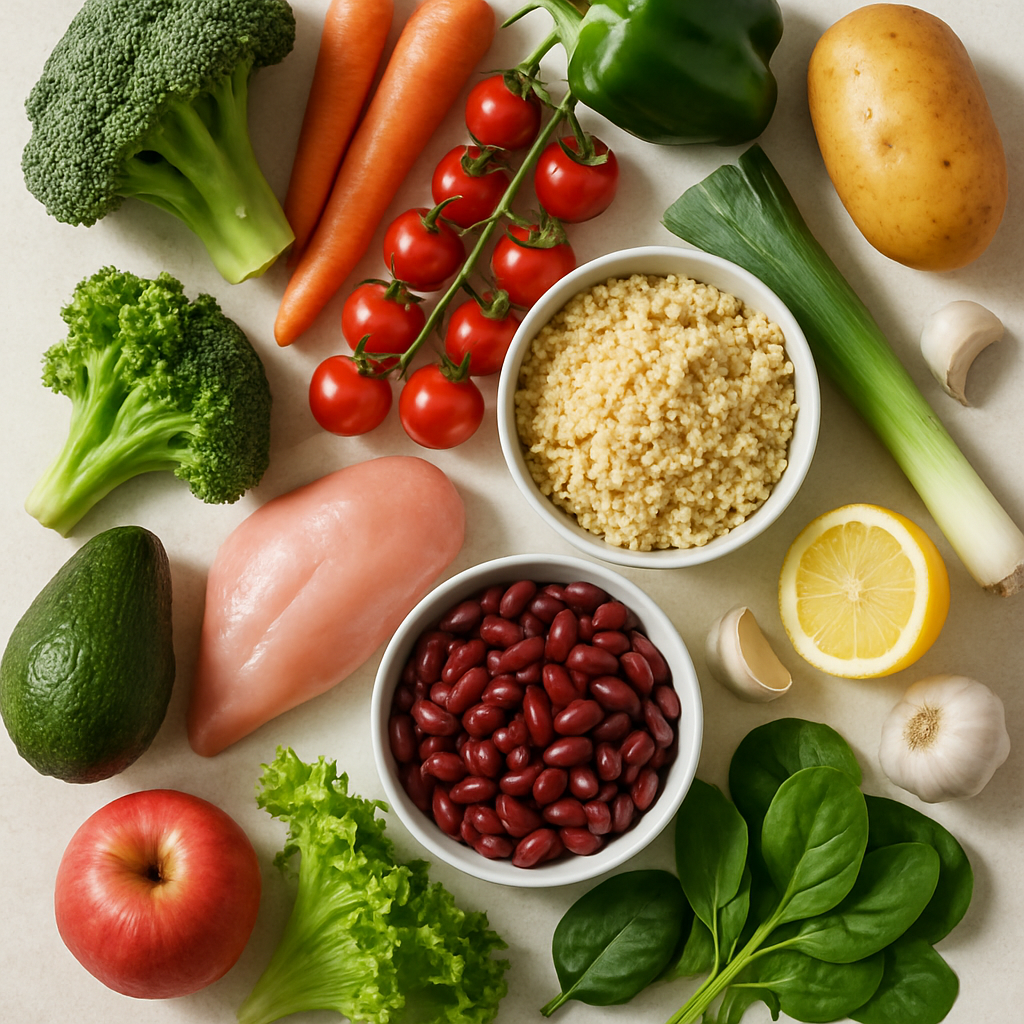
Dried or tinned pulses — lentils, chickpeas, kidney beans, black beans. High in protein and fibre, very cheap per serving, and filling. Tinned versions cost around 60–80p and provide two to three servings.
Oats — one of the cheapest sources of slow-releasing carbohydrate and soluble fibre available. A 1kg bag costs around £1 and lasts weeks.
Eggs — a box of six free-range eggs costs around £2 and delivers high-quality protein, healthy fats, and a wide range of micronutrients. Eggs are one of the most nutritionally complete single foods you can buy.
Frozen vegetables — often more nutritious than their fresh counterparts because they're frozen at peak ripeness. A 900g bag of frozen spinach, peas, or mixed veg typically costs £1–£1.50.
Tinned fish — sardines, mackerel, and tuna are inexpensive sources of protein and omega-3 fatty acids. A tin of sardines costs around 80p and contains more omega-3s than many fresh fish options.
Build your week around two or three of these as your base, and you'll find the budget stretches considerably further than you'd expect.
Shop smarter, not harder
You don't need to overhaul your entire routine to spend less on fresh food. A few small adjustments make a real difference.
Buy seasonal produce. Seasonal fruit and vegetables cost less because they don't need to be imported or stored for long periods. In autumn and winter, root vegetables, brassicas, and squash are cheap and widely available. In summer, courgettes, tomatoes, and leafy greens come down in price. Most supermarkets don't advertise this clearly, but the prices do shift.
Use the reduced section. Supermarket yellow-sticker items — often vegetables, fresh herbs, and salad — are approaching their use-by date and are typically 50–75% off. If you're planning to cook that day or the next, this is a straightforward saving.
Switch to own-brand basics. For staples like tinned tomatoes, dried pasta, frozen vegetables, and pulses, the supermarket own-brand version is usually identical or near-identical to the branded version in terms of nutritional value. The difference is entirely in the marketing budget.
Plan before you shop. This one genuinely matters. Buying food without a plan leads to over-purchasing, wasted fresh produce, and last-minute decisions that usually end up being more expensive. Knowing what you're going to cook before you go to the shop means you buy exactly what you need.
Cook once, eat twice (or three times)
One of the most effective ways to make fresh food affordable is to stop thinking about individual meals and start thinking about batch cooking.
A pot of homemade lentil soup costs roughly £2–£3 in ingredients and makes four to five portions. A tray of roasted vegetables with chickpeas takes twenty minutes of active effort and produces enough for two dinners or a dinner and several lunches. A big batch of chilli — made with mince, tinned kidney beans, tinned tomatoes, and basic spices — feeds four people for under £6.
These aren't restaurant-quality meals every night. But they're genuinely tasty, filling, and built from whole ingredients — and the cost per serving often comes in under £1.50, which is significantly less than any convenient alternative.
Freezing portions is also worth doing regularly. It means you have home-cooked food ready when you're tired or short on time — which is usually when people reach for something more expensive and less nutritious.
Common objections, addressed
"I don't have time to cook from scratch." Batch cooking solves most of this. Spend ninety minutes on a Sunday cooking two or three things, and you've largely dealt with the week. The day-to-day effort drops significantly.
"Fresh food goes off before I use it." This is a real issue, and the solution is to buy frozen or tinned more often, buy smaller quantities more regularly, or plan your meals so perishables get used early in the week.
"Cooking just for one is wasteful and expensive." Cooking in larger batches and freezing individual portions actually makes solo cooking more economical than cooking small amounts each time. The cost per portion drops, and you waste less.
"Healthy food is just boring." This is usually a recipe problem, not an ingredient problem. Spices, fresh garlic, lemon juice, good olive oil, and a decent sauce can transform basic ingredients entirely. None of these are expensive.
Practical takeaways
Here's what all of this looks like in practice:
- Start with a weekly meal plan, even a rough one — it dramatically reduces impulse buying and waste
- Choose two or three cheap foundations (lentils, eggs, oats, frozen veg) and build meals around them
- Use the freezer more — batch cook and freeze portions so you always have something ready
- Check the reduced section before buying full-price fresh produce
- Go own-brand for staples — there's no meaningful difference for most tinned and dried goods
- Cook with flavour — spices, acids, and aromatics are cheap and make basic ingredients genuinely enjoyable
Fresh food doesn't have to cost more than the alternative. It often costs less — it just requires a bit more planning upfront. The barrier is rarely money; it's usually habit and time. And both of those are solvable.
If you want a simple way to plan nutritious, budget-friendly meals without the guesswork, Macrology generates macro-perfect meal plans in seconds — [https://macrology.app/signin](https://macrology.app/signin)
Want meals like this planned to your exact macros?
Macrology generates a personalised meal plan in seconds — breakfast, lunch, dinner and snacks, all hitting your daily targets.
Start your free 14-day trial