How to eat fresh food for less than junk food
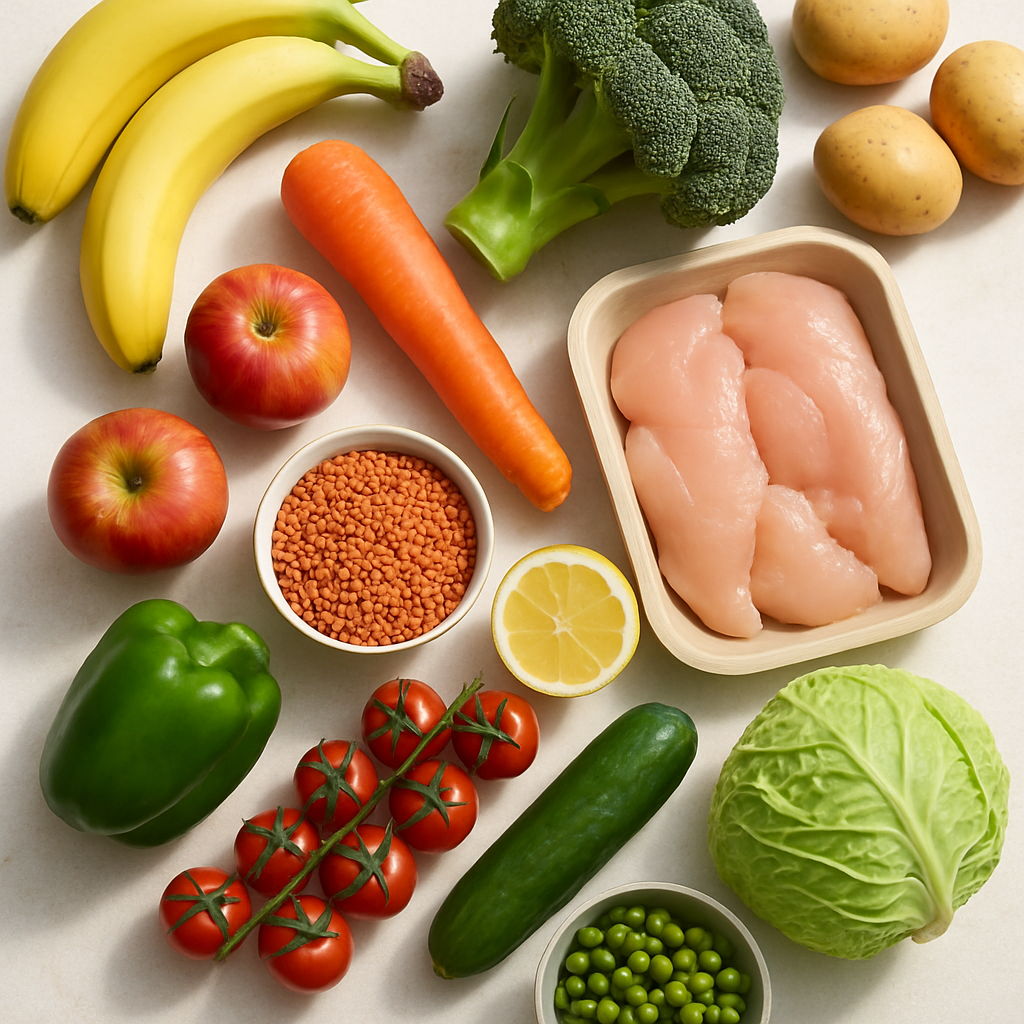
# How to Eat Fresh Food for Less Than Junk Food
There's a persistent myth that eating well costs more than eating badly — that fresh food is a luxury and ultra-processed food is the budget option. It's a story that gets repeated so often it's started to feel like fact. But when you actually run the numbers, it doesn't hold up nearly as well as people assume.
The "healthy food is expensive" myth — where it comes from
The comparison that usually fuels this idea is a straightforward one: a bag of crisps or a value ready meal costs less per unit than a piece of salmon or a punnet of berries. And that's true. But it's not a fair comparison.
When researchers at the University of Washington looked at food costs, they found that pricing food per calorie made nutrient-dense food look expensive, but pricing it per serving or per 100g told a very different story. Vegetables, pulses, and grains consistently came out as some of the cheapest foods available — cheaper than the ultra-processed alternatives people assume are the budget option.
The myth also ignores waste. A multipack of snacks gets eaten quickly, often in one sitting. A bag of red lentils or a pack of frozen spinach stretches across multiple meals. The cost-per-meal comparison shifts dramatically once you account for how far each ingredient actually goes.
What the evidence shows
Research from Cambridge's MRC Epidemiology Unit, which looked at over 25 food groups across the UK diet, found that the healthiest dietary patterns cost roughly £1.56 more per day than the least healthy ones. That's a real difference — but it's also a figure that collapses when you look more carefully at what's driving it.
The cost gap is almost entirely explained by meat, fish, and out-of-season produce. Swap premium proteins for plant-based alternatives and seasonal veg, and the gap narrows dramatically or disappears entirely.
Other research published in BMJ Open found that cooking from scratch using whole ingredients was consistently cheaper than buying ready meals or heavily processed convenience foods, even when accounting for energy costs. The premium people pay for ultra-processed food is often a convenience premium, not a necessity.
The real cost of ultra-processed food
Junk food has a way of looking cheap until you add up what you actually spend on it over a week. A meal deal here, a snack pack there, a frozen pizza on a Thursday — none of these feel expensive in the moment, but they accumulate.
Ultra-processed food is also engineered to be difficult to stop eating. That's not an accident — it's by design. The combination of salt, fat, sugar, and texture in products like crisps or biscuits is specifically calibrated to override satiety signals. This means you tend to eat more of it than you intended, which pushes the actual cost up.
Fresh and minimally processed food, by contrast, tends to be more satiating per calorie. Protein, fibre, and water content all contribute to fullness. You eat what you need, and you stop — which means less spent overall.
The ingredients that actually deliver value
Not all fresh food is created equal when it comes to budget. Some ingredients genuinely punch above their weight in terms of nutrition per pound spent.
Dried pulses — lentils, chickpeas, black beans — are among the most nutritious foods on the planet and cost almost nothing. A 500g bag of red lentils, which typically costs under £1, provides around 10–12 servings and delivers substantial protein, fibre, iron, and folate.
Frozen vegetables are nutritionally equivalent to fresh, and often superior because they're frozen at peak ripeness rather than sitting in a distribution chain for days. They're also significantly cheaper and produce no waste.
Eggs remain one of the best-value complete protein sources available. Oats are cheap, filling, high in fibre, and have a strong evidence base for supporting cholesterol levels. Tinned fish — sardines especially — provide omega-3 fatty acids, protein, and calcium at a fraction of the cost of fresh alternatives.
Seasonal produce is the other major lever. Buying courgettes in summer, root vegetables in autumn, and brassicas in winter doesn't require planning a calendar — it just means paying attention to what's actually abundant and cheap at the supermarket rather than reaching for the same things year-round.
Why meal planning changes everything
One of the biggest hidden costs in most people's food budget isn't what they buy — it's what they throw away. The UK wastes approximately 9.5 million tonnes of food per year according to WRAP, and the majority of that comes from households. Produce that was bought with good intentions and never used is one of the primary culprits.
Meal planning addresses this directly. When you know what you're cooking across the week, you buy what you need and use what you buy. There's no guesswork, no optimistic over-purchasing of salad leaves, and far less of that Friday fridge clear-out where you discover three wilting courgettes and a mystery yoghurt.
Planning meals around a core set of versatile ingredients — a batch of grains, a tin of pulses, a bag of frozen veg — dramatically reduces both waste and cost while making it much easier to hit nutritional targets without thinking about it constantly.
If you want to stop guessing and start eating well without overspending, Macrology generates macro-perfect meal plans in seconds — https://macrology.app/signin
Common pitfalls to avoid
A few things tend to trip people up when they try to shift towards fresher, cheaper eating.
Trying to replicate expensive ingredients on a budget is one of them. If you're used to eating chicken breast every night, the shift feels like deprivation. But the goal isn't to eat the same diet for less — it's to eat differently and discover that a lentil dhal or a bean and vegetable stew is both cheaper and genuinely satisfying.
Buying health food shop versions of things is another. Organic, artisan, and "wellness" branded products carry significant markups. Plain oats from a supermarket own brand are nutritionally identical to oats sold in a kraft paper bag with a heritage logo. The same is true for most pulses, grains, and frozen vegetables.
Letting perfect be the enemy of good is perhaps the most common issue. You don't need to cook every meal from scratch to eat better and spend less. Even replacing two or three ultra-processed meals a week with simple whole-food alternatives makes a meaningful difference.
Practical takeaways
Here are specific changes worth making this week:
- Swap one ready meal for a lentil or bean-based dish. Red lentil soup costs roughly 30–40p per serving and takes 25 minutes. It's filling, nutritious, and freezes well.
- Build meals around frozen veg rather than fresh for anything that's going to be cooked. Frozen peas, spinach, sweetcorn, and mixed veg are consistently cheaper and just as nutritious.
- Do a loose weekly meal plan — even just knowing dinner for five nights reduces waste significantly and removes the decision fatigue that often ends in a takeaway.
- Compare cost per serving, not cost per item. A £2 bag of oats gives you roughly 30 breakfasts. A box of branded cereal at the same price gives you eight.
- Lean on tinned and dried staples as the backbone of the weekly shop. Tinned tomatoes, tinned pulses, dried lentils, rice, oats, and eggs form the base of an enormous number of cheap, nutritious meals.
- Shop seasonally and flexibly. If butternut squash is cheap this week, find a use for it. Rigid shopping lists that ignore what's actually in season and on offer will always cost more.
The evidence is clear and the maths works out — eating fresh, nutritious food doesn't require a bigger budget. It requires a slightly different approach to what you buy and how you plan. Once those habits are in place, the rest tends to follow naturally.
Want meals like this planned to your exact macros?
Macrology generates a personalised meal plan in seconds — breakfast, lunch, dinner and snacks, all hitting your daily targets.
Start your free 14-day trial