How to eat fresh food for less than junk food
# How to Eat Fresh Food for Less Than Junk Food
There's a persistent myth that eating well costs more than eating badly — that fresh food is a luxury, and processed junk is the budget option. It's a believable story, but it doesn't hold up when you actually run the numbers.
The reality is that with a bit of know-how, a trolley full of nutritious, whole food can cost less per meal than a diet built around takeaways, meal deals, and ultra-processed snacks. Here's how to make it happen.
---
Why the "healthy eating is expensive" myth persists
The comparison people usually make is deeply unfair to fresh food. They compare a bag of apples to a multipack of crisps, or a piece of salmon to a value burger — and of course the whole food looks pricier in isolation.
But cost per meal tells a very different story. A £1.50 bag of red lentils contains roughly eight servings. A £1 tin of chickpeas makes a substantial base for two or three meals. A 1.5kg bag of oats from a supermarket own brand costs under £2 and provides around 30 breakfasts. None of these things appear in the "cheap food" narrative, yet they all sit right there on the same shelves.
The myth also ignores the cumulative cost of convenience. A meal deal five days a week at £4–5 a time adds up to nearly £100 a month. A single takeaway for two can eclipse an entire week's grocery budget if you're shopping smart. The perception that junk food is cheap partly exists because individual purchases feel small and forgettable — the full cost only becomes visible when you add it up.
---
The most affordable nutritious foods in the UK
Before getting into strategy, it helps to know which foods consistently offer the best nutritional value per pound spent. These are the backbone of budget-friendly, genuinely nourishing eating.
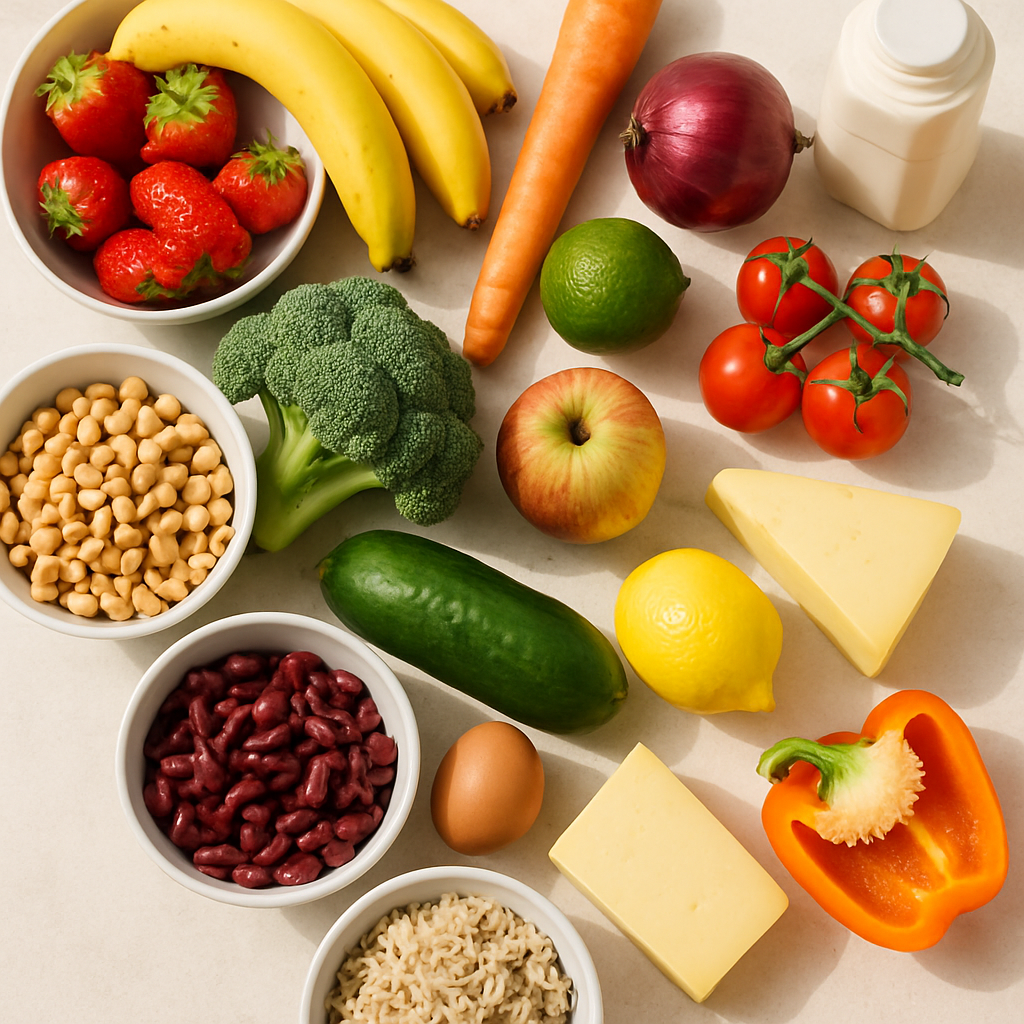
Dried pulses and canned legumes — lentils, chickpeas, kidney beans, black beans — are arguably the best-value protein and fibre sources available. Dried versions are cheapest, but tinned are still excellent value and far more convenient.
Eggs remain one of the most complete, affordable protein sources going. A box of six free-range eggs typically costs £1.50–2 and provides six highly nutritious, versatile meals or additions to meals.
Frozen vegetables are nutritionally equivalent to fresh — often more so, since they're frozen at peak ripeness. A 1kg bag of frozen spinach, broccoli, or mixed veg regularly comes in under £1.50 and lasts for weeks in the freezer.
Oats are an outstanding source of slow-release carbohydrate and soluble fibre. Whole rolled oats from supermarket own-brand ranges are among the cheapest items in any supermarket.
Tinned fish — sardines, mackerel, tuna — provide omega-3 fatty acids and protein at a fraction of the cost of fresh fish fillets. A tin of sardines in olive oil costs around 80p and delivers a genuinely nutritious meal base.
Seasonal and frozen fruit round out the list. Bananas are consistently the cheapest fruit per calorie. Frozen berries provide antioxidants at a price that makes fresh berries look absurd.
---
What the evidence shows
Research consistently undermines the idea that unhealthy eating is the budget-friendly choice. A 2013 study published in the BMJ Open found that the healthiest dietary patterns cost only about £1.50 more per day than the least healthy ones — and more recent analyses suggest even that gap narrows considerably when you account for food waste, portion sizes, and cooking at home versus eating out.
A 2021 analysis from the Food Foundation found that the most deprived households in the UK would need to spend 29% of their disposable income on food to meet the government's recommended Eatwell Guide — a figure that reveals a genuine affordability problem at the lowest income levels. But for households in the middle-income range, the evidence suggests the cost gap between healthy and unhealthy eating is far smaller than people believe, and often nonexistent when cooking habits are factored in.
The key variable, repeatedly, is cooking from scratch vs. buying ready-made. The same nutritional outcome — say, a high-protein, high-fibre dinner — costs dramatically less when you assemble it from basic ingredients than when you buy it pre-prepared. This is true whether the comparison is a ready meal versus a home-cooked version, or a fast food meal versus its home-cooked equivalent.
---
The habits that make the biggest difference
Knowing which foods are cheap is one thing. Making the approach actually work in daily life requires a few reliable habits.
Plan meals before shopping, not after. Buying food without a plan is the fastest way to overspend and under-use what you buy. Even a rough five-day plan dramatically reduces the likelihood of both impulse buys and food waste — which is, effectively, money going directly in the bin.
Build meals around the cheap staples, not around a centrepiece protein. The traditional British approach to meal planning — choose a meat, then build around it — tends to be expensive. Flip the model: start with pulses, grains, or eggs, and use smaller amounts of meat or fish as flavour and texture additions rather than the main event.
Buy own-brand for staples, always. For oats, tinned tomatoes, canned beans, frozen veg, rice, and pasta, supermarket own-brand is typically identical in nutritional content to branded equivalents and costs a fraction of the price. The packaging is less appealing. The food is the same.
Use the freezer properly. Batch cooking and freezing is the single most effective habit for eating well on a budget. Cooking a large pot of soup, dal, or bean stew costs marginally more than cooking one portion, but produces four to six meals for later. The cost per meal drops substantially, and the convenience is comparable to a ready meal.
---
Common budget mistakes that undermine fresh eating
Even with good intentions, a few common habits quietly inflate the weekly food bill.
Buying pre-prepared fresh food. Pre-washed salad bags, pre-chopped veg, and spiralised courgette are heavily marked up relative to the whole version. Buying a head of broccoli and chopping it yourself takes 90 seconds and often costs half the price.
Shopping without checking the cupboards first. Buying duplicates of things you already own — an extra tin of tomatoes, a second bag of rice — adds up and contributes to eventual waste when those items get pushed to the back.
Overbuying fresh produce. Fresh vegetables going off in the fridge is one of the main reasons people feel like healthy eating is expensive. Frozen vegetables solve this problem entirely, and they're cheaper besides.
Treating protein as synonymous with meat. Gram for gram, lentils and beans provide protein at a small fraction of the cost of chicken breast, let alone red meat. Mixing plant and animal protein sources — rather than relying on meat for every meal — meaningfully reduces the cost of eating well.
---
Practical takeaways
Here's what you can put into practice this week:
- Do a quick audit of your last month's spending on food — including takeaways, coffee, meal deals, and snacks. The total is usually a surprise.
- Build one or two meals this week entirely around pulses — a red lentil dal, a chickpea curry, a bean soup. Price out the cost per portion.
- Switch to own-brand for everything on the staples list — oats, rice, pasta, tinned tomatoes, canned beans, frozen veg. Spend the saving on better-quality fresh produce if you want to.
- Batch cook one thing — make a larger portion than you need and freeze half. Even doing this once a week makes a substantial difference over time.
- Keep frozen berries, spinach, and mixed veg in the freezer as permanent fixtures. They're cheaper than fresh, nutritionally excellent, and prevent the frustration of produce going off before you can use it.
The honest summary: eating fresh, nutritious food is entirely achievable on a modest budget — often at lower cost than a diet built around convenience food and takeaways. It requires a bit of planning and a few habit shifts, but none of it is complicated.
If you want a meal plan that makes eating well on a budget genuinely straightforward, Macrology generates macro-perfect meal plans in seconds — https://macrology.app/signin
Want meals like this planned to your exact macros?
Macrology generates a personalised meal plan in seconds — breakfast, lunch, dinner and snacks, all hitting your daily targets.
Start your free 14-day trial