How to eat fresh food for less than junk food
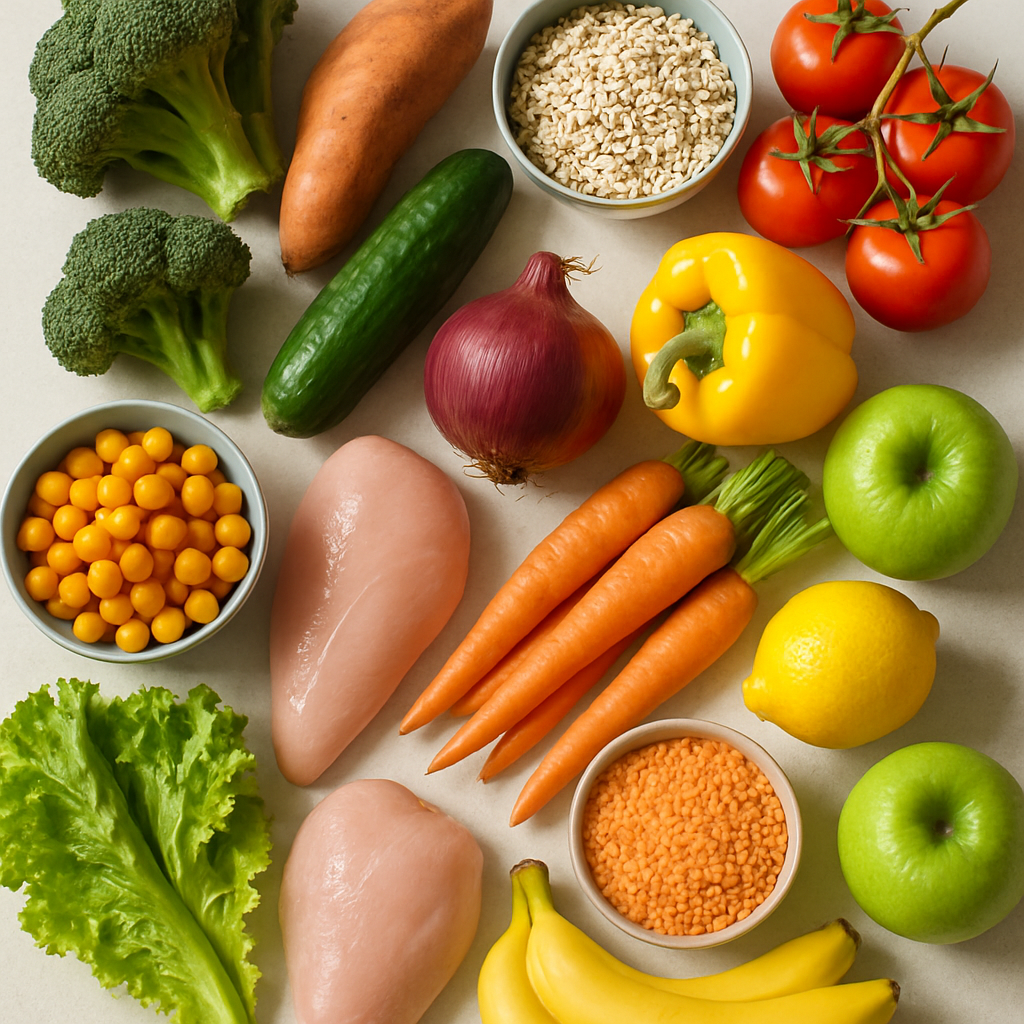
# How to Eat Fresh Food for Less Than Junk Food
There's a persistent myth that eating well costs a fortune — that fresh food is a luxury and cheap food means processed food. But the numbers don't actually support that story, and a growing body of research suggests the "healthy eating is expensive" belief is doing real damage to people's diets.
The good news? With a bit of know-how, fresh whole food can genuinely undercut the cost of most junk food, gram for gram and meal for meal.
The myth that healthy eating is expensive
Walk into any corner shop and a multipack of crisps or a meal deal looks like remarkable value. And in isolation, it often is — but that's not the full picture.
The comparison most people make is between a McDonald's meal and a salmon fillet with asparagus. That's not a fair fight. The real comparison is between an ultra-processed ready meal or daily takeaway habit and a home-cooked diet built around staple ingredients.
When researchers at the Food Foundation looked at the cost of meeting UK dietary guidelines, they found that the poorest 10% of UK households would need to spend 74% of their disposable income on food to meet them — which is a genuine barrier worth acknowledging. But for households with average or above-average incomes, the evidence strongly suggests that cooking from scratch with whole ingredients is cheaper than relying on processed convenience food, not more expensive.
What the evidence shows
A 2021 analysis published in PLOS Medicine found that unhealthy diets aren't necessarily cheaper than healthier ones once you account for food waste, portion sizes, and the caloric density of different foods. The apparent cheapness of ultra-processed food often comes down to how we measure cost — per calorie, junk food looks cheap; per serving of actual nutritional value, it often isn't.
Research from the Harvard T.H. Chan School of Public Health found that the healthiest diets cost roughly $1.50 more per day than the least healthy — but this figure is frequently misquoted to suggest fresh food is prohibitively expensive. In UK terms, that's about £1.20. Spread across a whole household and weighed against the long-term costs of diet-related illness, it's a modest difference.
More importantly, that gap largely disappears when people move away from premium health-food versions of "healthy eating" — think organic superfoods and artisan everything — and instead focus on affordable whole foods: pulses, oats, frozen vegetables, eggs, tinned fish, and seasonal produce.
The staples that quietly undercut junk food
Some of the most nutritious foods on the planet are also some of the cheapest. This isn't a coincidence — many of them are cheap precisely because they're not heavily marketed.
Dried lentils and pulses cost pennies per serving and deliver protein, fibre, and iron in quantities that most processed foods can't touch. A 500g bag of red lentils from a supermarket costs around £1 and makes roughly eight servings of dal, soup, or stew.
Oats are another standout. A 1kg bag costs less than £1.50 and provides around 13 breakfasts. No branded cereal — however many cartoon characters are on the box — comes close to that on a cost-per-meal basis, let alone a nutritional one.
Frozen vegetables deserve far more credit than they get. They're picked and frozen at peak ripeness, which often means their vitamin content is higher than fresh produce that's been sitting in transit and on a shelf for several days. Frozen spinach, peas, broccoli, and mixed veg are consistently among the cheapest items in any supermarket.
Eggs remain one of the best-value sources of complete protein available. Tinned fish — sardines, mackerel, tuna — offers omega-3s and protein at a fraction of the cost of fresh fish. Bananas, carrots, cabbage, and seasonal root vegetables round out a genuinely cheap, genuinely nutritious shopping basket.
Why junk food feels cheaper (and why that's an illusion)
Part of what makes ultra-processed food feel like good value is its engineered palatability. It's designed to hit specific flavour and texture cues that make you feel satisfied in the short term — but that satisfaction often fades quickly, leading to more eating sooner.
There's also the hidden cost of convenience. A £3.50 meal deal every working day is £70 a month, £840 a year. A homemade lunch built around the staples above — a lentil soup, a vegetable and egg wrap, a bowl of leftover pasta — costs a fraction of that.
Takeaways and fast food carry a similar illusion. A family of four spending £40 on a Friday night takeaway might feel like a treat, but that same £40 spent on ingredients could comfortably produce five or six meals for the same family.
The comparison breaks down further when you account for food waste. Whole ingredients bought with a plan waste far less than impulse buys of convenience food. Planning even loosely — knowing roughly what you'll eat Monday to Friday — dramatically reduces both food waste and the temptation to default to a pricier convenience option.
Seasonal and own-brand: two underused tools
Supermarket own-brand products are one of the most overlooked tools in a food budget. The nutritional difference between a branded tin of chopped tomatoes and a supermarket own-brand version is essentially zero. The price difference can be 40–60%.
The same logic applies across tinned goods, dried pulses, dairy, eggs, and frozen produce. Shifting to own-brand on these staples alone can cut a weekly shop meaningfully without changing what you eat at all.
Seasonality is the other lever. In-season British produce — courgettes in summer, squash and parsnips in autumn, leeks and kale in winter — is almost always cheaper than out-of-season produce airfreighted from elsewhere. It also tends to taste better, which makes it easier to actually cook with and enjoy.
A rough seasonal guide is easy to find online and worth keeping in mind when you're writing a shopping list. You don't need to be rigid about it — just leaning towards what's in season costs less and often tastes more like the thing it's supposed to be.
Practical takeaways
You don't need to overhaul everything at once. Here are some specific, immediate changes that tend to have the biggest impact:
Build a cheap staples rotation. Keep your kitchen stocked with oats, dried lentils or canned pulses, frozen vegetables, eggs, tinned tomatoes, and tinned fish. These form the backbone of dozens of meals and cost very little per serving.
Plan loosely before you shop. You don't need a rigid meal plan — just a rough idea of what you'll eat so you buy what you'll use. This single habit reduces both food waste and impulse spending on convenience food.
Switch own-brand on staples. Tinned goods, frozen veg, eggs, oats, flour, oil, pasta, rice — go own-brand on all of these. The quality difference is negligible; the price difference adds up.
Cook in batches. A pot of dal, a tray of roasted vegetables, or a batch of soup takes the same effort to make double. Having ready-made food in the fridge makes fresh food the convenient option, not the effortful one.
Compare the real cost of convenience. Next time you're about to grab a meal deal or order a takeaway, do a quick mental calculation of what the equivalent home-cooked meal would cost. Not to make yourself feel bad — just to make the comparison visible.
---
If you want a straightforward way to plan meals that are both affordable and macro-balanced, Macrology generates macro-perfect meal plans in seconds — https://macrology.app/signin
Fresh food being expensive is largely a myth we've inherited from comparisons that don't hold up under scrutiny. The real competition isn't salmon versus a Big Mac. It's lentils, oats, frozen peas, and eggs versus the daily drip of meal deals, snacks, and takeaways. And on that comparison, fresh food wins — on cost, on nutrition, and usually on taste.
Want meals like this planned to your exact macros?
Macrology generates a personalised meal plan in seconds — breakfast, lunch, dinner and snacks, all hitting your daily targets.
Start your free 14-day trial