How to eat fresh food for less than junk food
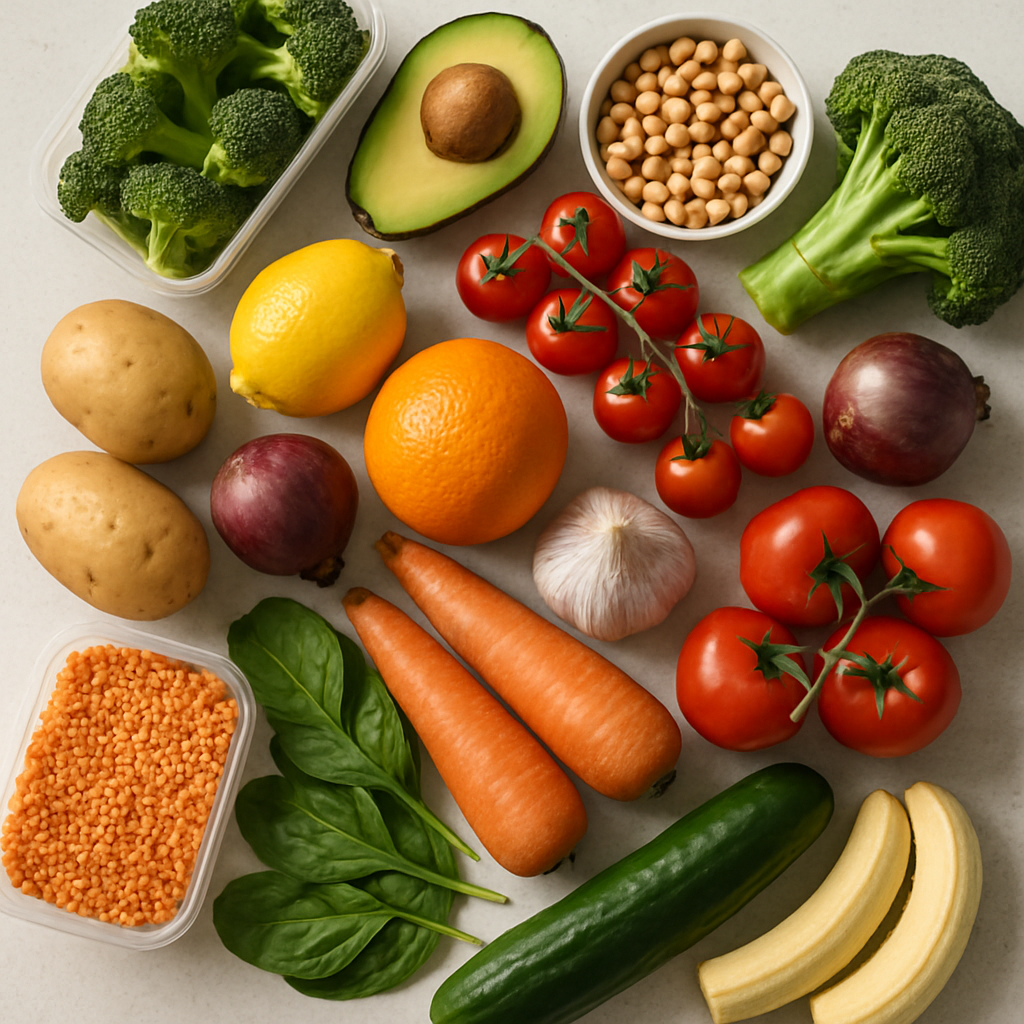
# How to Eat Fresh Food for Less Than Junk Food
There's a stubborn myth that eating well costs a fortune — that fresh food is a luxury and junk food is the budget option. It's understandable where that idea comes from, but it doesn't hold up when you look closely at the numbers.
When you break down the cost per meal, per calorie, or per gram of protein, whole foods regularly beat ultra-processed options. The real barrier isn't usually price — it's knowing which fresh foods to buy, and how to use them.
---
The "junk food is cheaper" myth, unpacked
The comparison people tend to make is misleading. A £1 bag of crisps versus a bag of spinach, or a fast food meal versus a piece of salmon — of course the salmon looks expensive in isolation.
But that's not how cooking works. A £1.20 tin of chickpeas contains roughly three portions. A 500g bag of red lentils costs around £1 and makes four to six servings of a filling meal. Meanwhile, a meal deal from a high street chain will set you back £4–5 for one sitting and leave many people hungry again within two hours.
The real cost comparison is cost per meal, not cost per item. Once you start thinking that way, the maths shifts dramatically in favour of whole foods.
---
What the evidence shows
Research published in BMJ Open found that the healthiest diets cost, on average, only around £1.50 more per day than the least healthy diets in the UK — less than a cup of coffee from most chains. For many people, particularly those cooking from scratch, the gap is even smaller or non-existent.
A 2021 report from the Food Foundation also highlighted that while nutrient-dense foods can appear more expensive per kilogram, they often provide better satiety and nutritional value per pound spent. You tend to eat less overall when meals are protein- and fibre-rich, which means your food budget stretches further.
There's also the hidden cost angle: ultra-processed foods are often engineered to make you keep eating past the point of fullness. That's not an accident. The cost of a habit that keeps you reaching for more adds up fast.
---
The fresh foods that genuinely undercut junk food
Not all fresh food is created equal when it comes to budget. The trick is leaning on the staples that punch well above their weight nutritionally and financially.
Eggs remain one of the best-value sources of complete protein available — around 20p per egg, with roughly 6g of protein each. Frozen vegetables are picked and frozen at peak ripeness, often contain equal or higher levels of certain nutrients compared to "fresh" produce that's been sitting on a shelf, and cost a fraction of the price. A 1kg bag of frozen spinach or broccoli will cost £1–1.50 and last weeks in the freezer.
Tinned fish — sardines, mackerel, tuna — provides omega-3 fatty acids and protein at a fraction of the cost of fresh fish. Dried or tinned pulses (lentils, chickpeas, black beans, kidney beans) are protein and fibre powerhouses that cost pennies per serving. Porridge oats are another standout: slow-releasing carbohydrates, decent protein, and cheap enough to be almost free per serving.
These aren't "budget foods" in a pejorative sense — they're the foods that nutritionists and sports dietitians actually eat themselves.
---
Where people lose money without realising
The problem for most people isn't that fresh food is expensive — it's food waste and poor planning. According to WRAP (the Waste and Resources Action Programme), UK households throw away around 6.4 million tonnes of food every year, worth approximately £14 billion. The majority of that is fresh food that wasn't used in time.
Buying a bag of salad leaves with good intentions and watching them turn to liquid by Wednesday is a frustrating experience that makes people conclude fresh food isn't worth it. But the issue isn't the salad — it's the system around it.
A loose meal plan, even a rough one, transforms how far a weekly shop goes. When you know that the courgettes are going into Thursday's pasta and the spinach is going into Friday's omelette, nothing gets forgotten at the back of the fridge.
Frozen and tinned alternatives solve the waste problem entirely — buy what you need, use it when you're ready.
---
Smart swaps that save money without sacrificing quality
Some of the most expensive items in a food shop are things with very capable, cheaper alternatives.
Fresh berries vs. frozen berries — frozen berries cost roughly a third of the price of fresh, retain their antioxidant content well, and are perfect blended into porridge or yoghurt.
Pre-marinated or pre-seasoned meat — this is one of the biggest markups in any supermarket. A plain chicken breast or thigh costs significantly less than the same thing in a sauce or rub. Seasoning it yourself takes about 30 seconds.
Branded cereals vs. porridge oats — a box of branded granola can cost £4–5 for 500g. A 1kg bag of oats costs around 75p and has a better nutritional profile for most people: more protein, more fibre, less added sugar.
Meal deals and grab-and-go lunches — these feel convenient, but a homemade lunch using leftovers or batch-cooked grains typically costs 70–90% less per meal. Making slightly more at dinner and boxing it up for the next day is one of the highest-return habits you can build.
---
Practical ways to build a budget-friendly fresh food shop
Here's what a genuinely affordable, fresh-food-focused weekly shop looks like in practice:
Build meals around protein sources that cost less than £1 per portion. Eggs, tinned fish, lentils, chickpeas, and chicken thighs (cheaper than breasts, often more flavourful) all qualify.
Use frozen vegetables as your default. Keep a rotation of frozen peas, spinach, broccoli, and mixed vegetables in the freezer. Fresh produce is great when you'll use it within two to three days — otherwise, frozen is the smarter call.
Buy whole grains in bulk. Rice, oats, pasta, and lentils bought in larger quantities from the dried goods aisle cost far less than their pre-packaged or processed counterparts. They also have a long shelf life, so there's no waste risk.
Plan loosely before you shop. You don't need a rigid seven-day schedule. Even knowing roughly what you'll cook on four or five days prevents the impulse buys and forgotten ingredients that inflate your bill.
Embrace batch cooking. Cook a larger portion of a base — roasted vegetables, a pot of lentils, a tray of chicken thighs — and build two or three different meals from it across the week. The effort is front-loaded but the savings compound quickly.
---
Practical takeaways
To pull this together into something you can act on this week:
- Audit one "junk food habit" — whether it's a daily meal deal, a multipack of crisps, or regular takeaways — and calculate what it's actually costing you per month. The number is often surprising.
- Stock your freezer with one or two frozen vegetables, and your cupboard with a tin of chickpeas or lentils, a bag of oats, and some eggs. That's already the foundation of several cheap, filling meals.
- Try one batch cook this week. Make a large pot of something simple — lentil soup, a chickpea curry, a tray of roasted veg — and see how many meals you get from it.
- Shift your cost comparison from item to meal. A £2.50 tin of sardines on toast sounds expensive until you notice it costs less than a third of a meal deal and has more protein than almost anything in one.
The barrier to eating well on a budget is rarely money — it's usually structure. A bit of planning transforms the economics entirely.
If you want a practical meal plan that works with your budget and hits your macro targets without guesswork, Macrology generates macro-perfect meal plans in seconds — https://macrology.app/signin
Want meals like this planned to your exact macros?
Macrology generates a personalised meal plan in seconds — breakfast, lunch, dinner and snacks, all hitting your daily targets.
Start your free 14-day trial