How to eat fresh food for less than junk food
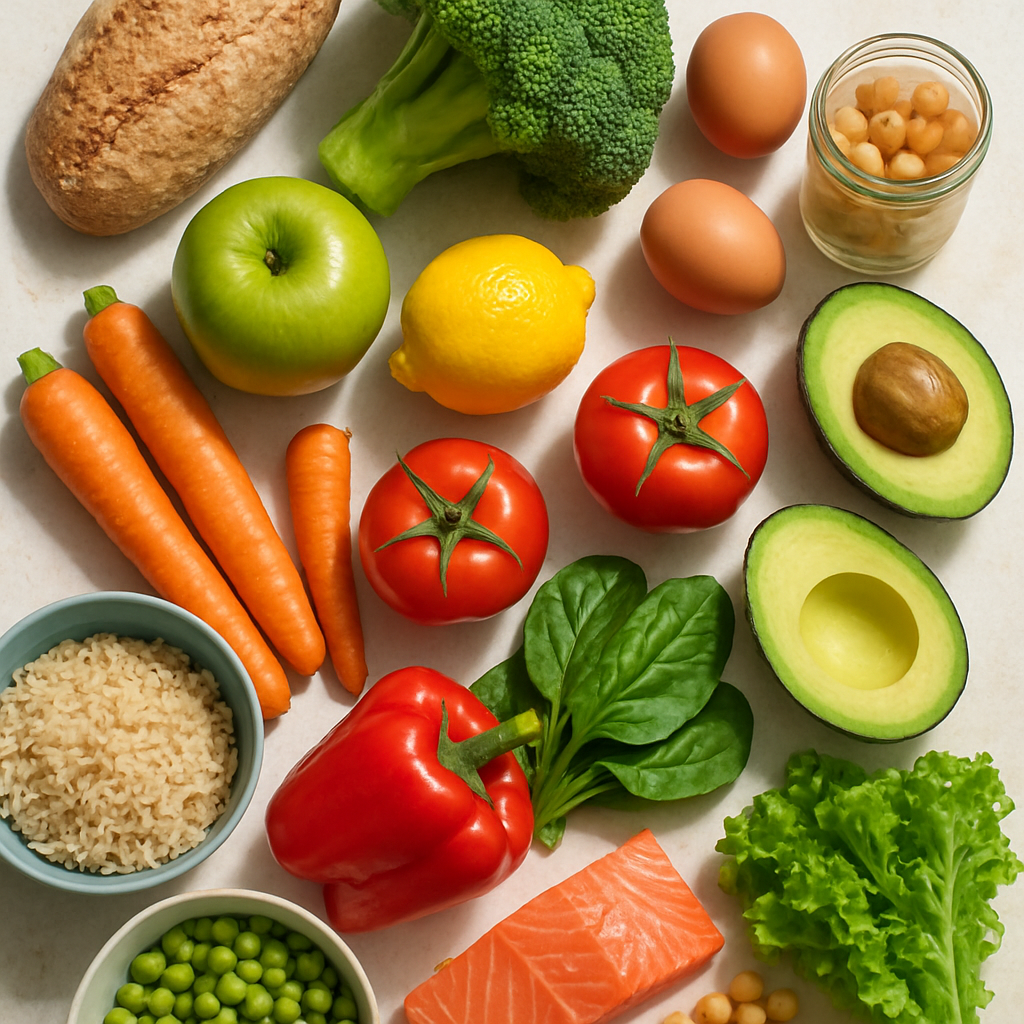
# How to Eat Fresh Food for Less Than Junk Food
There's a persistent myth that eating well is a luxury — that fresh food is inherently expensive and junk food is the budget option. It's a believable story, but the numbers don't always back it up.
Once you know a few practical strategies, fresh, nutritious food can actually cost less per meal than a multipack of crisps or a drive-through order. Here's how.
The "healthy food is expensive" myth — where it comes from
The idea has some roots in reality. If you're comparing a punnet of organic blueberries with a bag of value biscuits, yes, the biscuits win on price. But that's a cherry-picked comparison.
The problem is that we tend to compare the wrong things. We compare the most expensive fresh food (exotic fruits, pre-washed salad bags, premium cuts of meat) against the cheapest processed food. A fairer comparison — bulk lentils versus a meal deal, for example — tells a very different story.
Research from the Food Foundation has consistently shown that the healthiest diets in the UK can cost around three times less per calorie than ultra-processed food-heavy diets when you account for home cooking. The gap narrows even further when you factor in portion sizes and how filling whole foods tend to be.
What the evidence shows
A 2021 study published in PLOS Medicine analysed the cost of healthy versus unhealthy diets globally and found that, in high-income countries like the UK, the price difference between a healthy and unhealthy diet was smaller than widely assumed — often just a few pence per day.
More relevant to everyday shopping, a 2023 report by the Food Standards Agency noted that ultra-processed foods tend to have a lower cost per calorie but a higher cost per unit of nutrition — meaning you get fewer vitamins, minerals, protein, and fibre per pound spent.
Put simply, cheap junk food fills you up temporarily but delivers less nutritional return on investment. Cheap whole foods — oats, eggs, tinned fish, frozen veg, pulses — deliver far more per penny.
The foods that give you the most for your money
Not all fresh or whole foods are created equal in terms of affordability. Some genuinely offer extraordinary value.
Eggs remain one of the most cost-effective sources of high-quality protein and fat in British supermarkets. A box of six free-range eggs costs roughly £1.50–£2 and can form the base of multiple meals.
Frozen vegetables are often nutritionally superior to "fresh" alternatives that have been sitting in transit for days. Frozen spinach, peas, sweetcorn, and broccoli are all under £1.50 per bag and last for months. There's no compromise on nutrition here — most frozen veg is blanched and frozen within hours of harvest, locking in vitamins effectively.
Tinned pulses and legumes — chickpeas, lentils, kidney beans, cannellini beans — are among the most underrated foods in the British diet. A tin costs around 50–70p, provides a substantial serve of protein and fibre, and can bulk out almost any dish.
Oats are essentially unbeatable for breakfast. A 1kg bag of rolled oats costs around £1.20 and provides approximately 20 servings. That's 6p a bowl before toppings.
Seasonal produce is worth paying attention to. Courgettes, cabbage, carrots, and leeks are consistently cheap in the UK, especially in autumn and winter. Buying what's in season, rather than reaching for the same items year-round, makes a noticeable difference to your weekly shop.
Why processed food can end up costing more
This one surprises people. Processed and ultra-processed foods feel cheap because the per-item price is low. But they tend to be less satiating, which means you eat more of them across the day.
A bag of crisps at 60p doesn't keep hunger away for long. A portion of scrambled eggs on toast, at a similar or lower cost, keeps you fuller for significantly longer — partly because of the protein and fat content, and partly because whole foods are more slowly digested.
There's also the question of snack creep. Processed snacks are engineered to be appealing and easy to eat in volume. You rarely hear of someone accidentally eating an extra 400 calories of lentils. The same can't be said for biscuits or crisps, which are explicitly designed to be difficult to stop eating.
When you add up a day's worth of snacks, meal deals, and convenience foods, the total cost often exceeds what a simple home-cooked meal from whole ingredients would have come to.
Practical strategies for reducing your food spend
These aren't abstract tips — they're things that make a genuine difference week to week.
Plan before you shop. This single habit probably saves more money than anything else. When you know what you're cooking, you buy what you need and waste less. The average UK household throws away around £730 worth of food per year, according to WRAP — most of it edible at the time it's binned.
Build meals around protein sources, not around packaging. Chicken thighs are significantly cheaper than chicken breasts and arguably tastier. Tinned sardines and mackerel are cheaper than fresh salmon and provide comparable omega-3s. Eggs are cheaper than almost everything.
Use your freezer more aggressively. Bread, meat, batch-cooked soups, stews, and sauces all freeze well. Buying in bulk and freezing portions means you benefit from lower unit prices without the risk of waste.
Embrace batch cooking once a week. A large pot of lentil dal, a tray of roasted veg, or a big batch of rice takes 45 minutes and covers several meals. The cost per serving drops sharply at scale.
Don't overlook supermarket own brands. For pantry staples — oats, pasta, rice, tinned tomatoes, pulses — there is often no meaningful quality difference between own-brand and premium products. The marketing differs; the food largely doesn't.
What about convenience and time?
It's worth acknowledging the real barrier here, which isn't usually money — it's time and energy.
After a long day, making something from scratch feels harder than ordering in or grabbing something pre-made. That's not laziness; it's a genuinely rational response to limited cognitive and physical energy.
The practical answer isn't to pretend this isn't true. It's to reduce the friction in advance. If you've got cooked grains in the fridge, pre-washed salad leaves, and a tin of chickpeas on the shelf, throwing together a decent meal takes five minutes, not forty-five.
Meal planning — even loosely — takes the decision-making load off the evenings when your energy is lowest. Knowing what you're having means you don't end up staring into the fridge at 7pm before giving up and ordering pizza.
Practical takeaways
Here's what this looks like in practice:
- Stock your freezer with frozen veg, chicken thighs, and batch-cooked meals so you always have something cheap and nutritious available
- Keep a core of cheap protein sources on hand at all times: eggs, tinned fish, pulses, Greek yoghurt
- Plan at least four or five meals a week before you shop — it doesn't need to be rigid, just directional
- Buy seasonal produce rather than the same items year-round; check what's cheap in store that week and build around it
- Cook in batches at least once a week to bring the cost-per-meal down significantly
- Audit your snack spend — this is often where the budget silently disappears
None of this requires a dramatic overhaul. Shifting a few shopping habits and adding one batch cook session a week can make a measurable difference both to your food spend and to how well you eat.
If you want a straightforward way to plan nutritious meals around your budget and macro goals, Macrology generates macro-perfect meal plans in seconds — [https://macrology.app/signin](https://macrology.app/signin)
Want meals like this planned to your exact macros?
Macrology generates a personalised meal plan in seconds — breakfast, lunch, dinner and snacks, all hitting your daily targets.
Start your free 14-day trial