How to eat fresh food for less than junk food
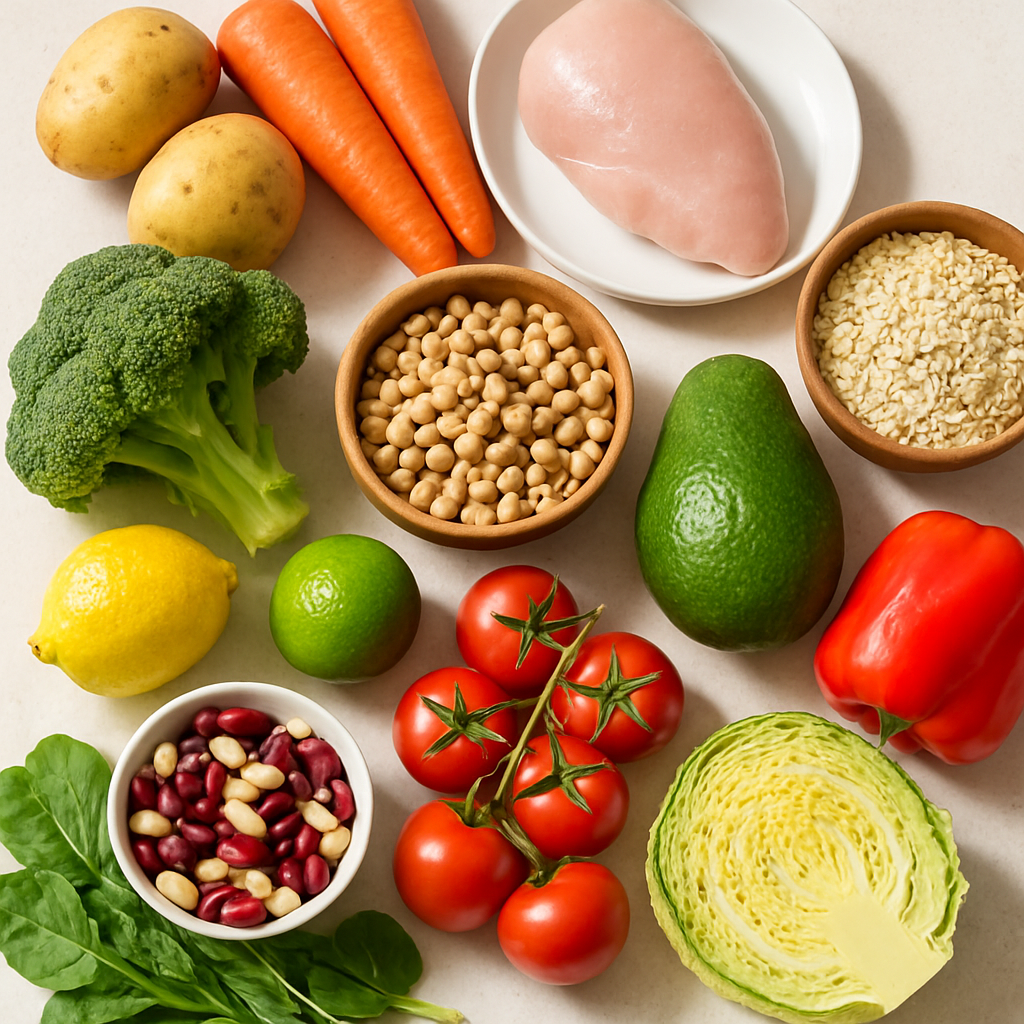
# How to Eat Fresh Food for Less Than Junk Food
There's a widely held belief that eating well costs more — that fresh food is a luxury and processed food is the budget option. It's an idea that gets repeated so often it starts to feel like fact. But the numbers, when you actually look at them, tell a more complicated story.
The myth that healthy eating is expensive
The "healthy food costs more" argument tends to compare the wrong things. A bag of crisps versus a punnet of blueberries — sure, the blueberries lose that one. But that's not a fair fight. The relevant comparison is cost per meal, or better still, cost per gram of protein, fibre, or energy.
When researchers at the University of Washington compared foods using cost per calorie versus cost per serving, they found the results flipped depending on the metric. Nutrient-dense whole foods — think lentils, oats, eggs, frozen veg — often come out significantly cheaper than ultra-processed alternatives when measured by how much they actually fill you up.
The comparison also ignores what processed food doesn't give you. A meal deal might cost £4, but it's unlikely to keep you full for more than a couple of hours. A home-cooked portion of dhal with rice might cost £1.20 and keep you satisfied for four.
What the evidence shows
A 2021 review published in PLOS Medicine found that diets built around minimally processed whole foods — vegetables, legumes, wholegrains, eggs, tinned fish — were consistently more affordable than diets high in ultra-processed foods, once researchers accounted for portion sizes and caloric content.
Closer to home, a 2023 report from the Food Foundation found that the healthiest foods in UK supermarkets cost on average 2.5 times more per calorie than less healthy options — but this figure is skewed by comparing calorie-dense junk food to lower-calorie fresh produce. When you shift the lens to cost per meal or cost per gram of protein, the gap narrows dramatically, and in many cases reverses.
The real cost drivers are convenience and packaging, not freshness. Pre-washed salad bags, individually portioned snacks, branded cereals — these carry a significant premium that has nothing to do with nutritional quality.
The cheapest fresh foods, ranked
Some of the most nutritionally powerful foods on the planet are also among the cheapest things in a UK supermarket right now. Here's where to start:
Eggs — Around £1.80–£2.20 for six free-range eggs. That's roughly 30p per serving of high-quality complete protein. Hard to beat.
Frozen vegetables — Often cheaper than fresh, and nutritionally comparable or better in some cases (they're frozen at peak ripeness). A 900g bag of frozen spinach costs less than £1.50 in most supermarkets.
Tinned fish — Tinned sardines or mackerel cost 70p–£1.20 a tin and deliver omega-3s, vitamin D, and a full serving of protein. One of the most underrated foods in British cooking.
Dried lentils and split peas — A 500g bag costs around £1 and makes anywhere from six to eight portions. High in protein, fibre, and iron.
Oats — Porridge oats remain one of the most cost-effective breakfasts available. A large bag costs £1–£1.50 and provides weeks of breakfasts with proven benefits for blood sugar and cholesterol.
Seasonal produce — Carrots, onions, cabbage, leeks, and potatoes are almost always in season in the UK and consistently cheap. A 1kg bag of carrots still costs around 60p in most places.
Where the budget food budget actually goes
It's worth being honest about where the real money goes when people say they "can't afford to eat well." A significant proportion of the average UK food budget goes on drinks — alcohol, soft drinks, fruit juices, flavoured coffees. These add cost without adding satiety.
Ready meals are another major cost. A supermarket lasagne for two might cost £4–£5. A homemade version using mince, tinned tomatoes, pasta, and white sauce ingredients costs less than £2.50 and makes more food. The difference isn't the ingredients — it's the labour, the packaging, and the brand margin you're paying someone else for.
That's not a guilt trip — convenience has genuine value, and not everyone has the time or energy to cook from scratch every night. But it's useful to know where the premium actually comes from, so you can decide when it's worth paying and when it isn't.
How meal planning changes the maths
One of the biggest sources of food waste — and therefore unnecessary spending — is buying fresh food with no plan and watching it go soft at the back of the fridge. The average UK household throws away £60 worth of food every month, according to WRAP. That's money leaving your pocket before you've even eaten anything.
Meal planning changes this equation fundamentally. When you know what you're making for the week, you buy only what you need, use what you buy, and waste very little. You also stop falling back on expensive last-minute options — the overpriced meal deal, the takeaway on a tired Wednesday — because there's already something ready or nearly ready at home.
Planning around ingredients rather than recipes is particularly effective on a budget. Instead of buying specific items for five separate recipes, you build meals around a few core ingredients that appear across the week in different forms. A batch of roasted vegetables works in a grain bowl on Monday, a frittata on Tuesday, and a soup on Wednesday.
Practical strategies that actually work
Here are specific things that make a measurable difference to your food spend without compromising on quality:
Buy frozen over fresh for most vegetables. Save fresh for things where texture matters — salad leaves, tomatoes for a salad, avocados. For everything going into a stir-fry, soup, or pasta dish, frozen is just as good and often cheaper.
Eat tinned fish more often. Sardines on toast is one of the most nutritious meals you can make in under five minutes. The omega-3 content rivals fresh salmon at a fraction of the cost.
Batch cook legumes from dried. Tinned chickpeas and lentils are convenient and not expensive, but dried legumes are even cheaper and scale up easily. Cook a large batch, freeze in portions, and use across the week.
Learn four or five cheap base recipes well. Dal, vegetable stir-fry, egg fried rice, bean chilli, and pasta with a simple sauce — these are endlessly adaptable, quick, and cost very little per portion.
Shop the reduced aisle intentionally. Most supermarkets mark down fresh produce in the evenings. Buying reduced-price fresh food and either cooking it that night or freezing it is one of the most effective budget strategies available.
Use a shopping list tied to a meal plan. It sounds basic, but it's the single most effective way to reduce impulse purchases and food waste simultaneously.
Putting it together
Eating well on a budget isn't about willpower or sacrifice. It's mostly about a bit of planning, knowing which cheap foods punch above their weight nutritionally, and not paying premiums you don't need to.
A week of meals built around eggs, oats, frozen veg, lentils, tinned fish, and seasonal produce can cost well under £25 per person and still be varied, satisfying, and genuinely good for you. The same budget spent on ready meals, meal deals, and convenience food will leave you with less food, less nutrition, and probably still hungry.
The idea that fresh food is a luxury is one worth questioning. For most people in the UK, the barrier isn't cost — it's knowing where to start.
If you want a week of macro-balanced meals that work with your budget and your schedule, Macrology generates macro-perfect meal plans in seconds — https://macrology.app/signin
Want meals like this planned to your exact macros?
Macrology generates a personalised meal plan in seconds — breakfast, lunch, dinner and snacks, all hitting your daily targets.
Start your free 14-day trial