How to eat fresh food for less than junk food
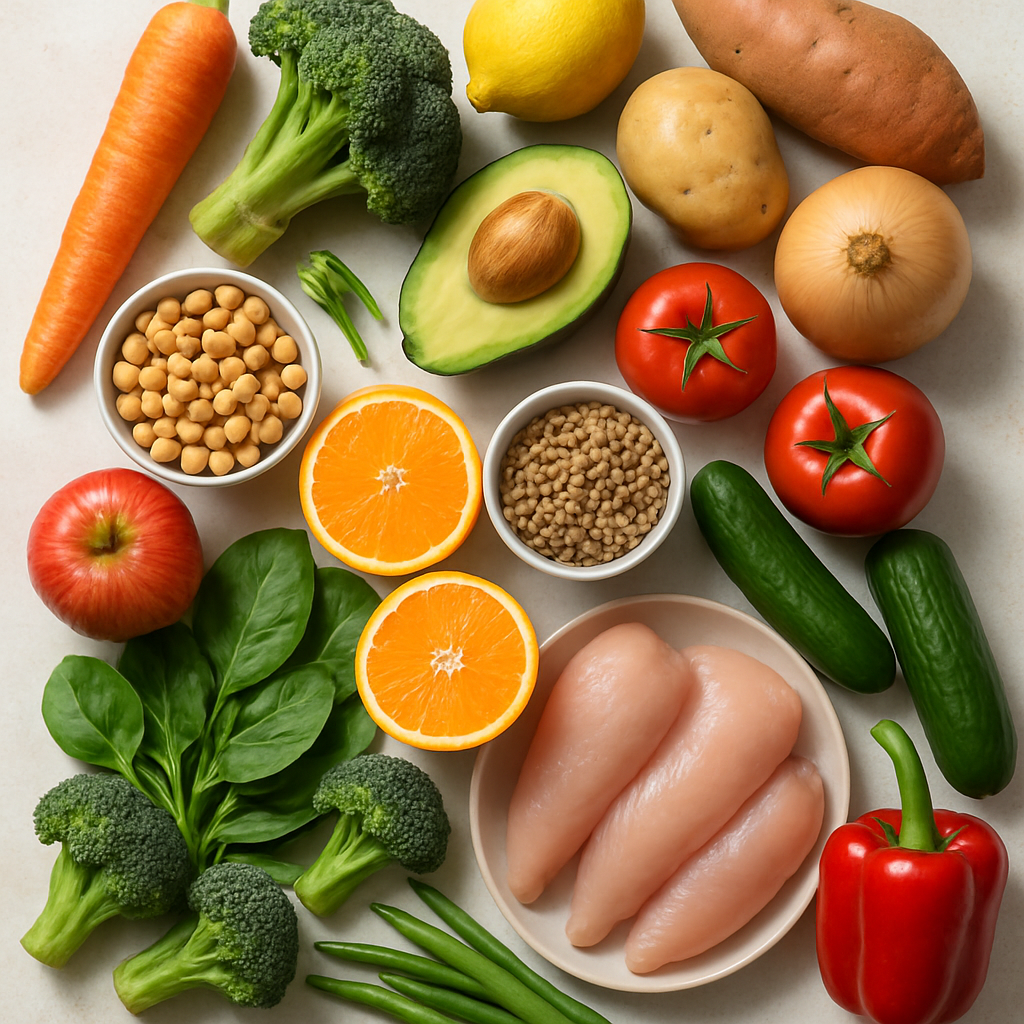
# How to Eat Fresh Food for Less Than Junk Food
There's a persistent idea that eating well costs more — that fresh food is a luxury and processed food is the budget option. It's understandable where that belief comes from, but the numbers often tell a different story.
With a bit of planning and some genuinely useful strategies, whole ingredients can cost less per meal than a supermarket meal deal, a frozen pizza, or a multipack of crisps. Here's how.
The Myth of the Expensive Healthy Diet
The "healthy eating is expensive" idea has a grain of truth in it — but it's been stretched far beyond what the evidence supports.
Yes, organic berries and artisanal nut butters are pricey. But the building blocks of a nutritious diet — oats, eggs, lentils, frozen vegetables, tinned fish, seasonal produce — are consistently among the cheapest items in any UK supermarket. A 500g bag of red lentils costs around 80p and provides roughly six portions of protein-rich food. A bag of frozen spinach costs less than £1 and lasts weeks.
The confusion often comes from comparing premium "health food" products with standard processed food. That's not the right comparison. The real question is: how does a simple, home-cooked meal made from scratch compare to a convenience product? Gram for gram, and meal for meal, scratch cooking almost always wins on cost.
Why Junk Food Feels Cheaper (But Often Isn't)
Part of the illusion is psychological. Junk food is sold in pre-portioned, pre-priced units — a £1.50 chocolate bar, a £1 pack of instant noodles — which makes the cost feel concrete and low. Fresh ingredients, meanwhile, come in larger amounts, so the upfront spend looks bigger even when the per-meal cost is lower.
A bag of pasta, a tin of tomatoes, and a few cloves of garlic might cost you £2 in total — and feed two people generously. That's £1 per head. A meal deal at a high street chain or a supermarket premium sandwich can run to £4–5 for one person.
There's also the question of what you're getting for your money. Processed snacks are often engineered to be highly palatable but not particularly filling. Foods higher in protein and fibre tend to keep you fuller for longer, which means you're less likely to reach for something else an hour later — a hidden cost that rarely gets factored into the comparison.
What the Evidence Shows
Research consistently supports the idea that a diet built around whole foods doesn't have to be expensive. A 2021 analysis published in PLOS Medicine found that healthier diets cost, on average, only about $1.50 more per day than less healthy ones — and that's in the US context, where food pricing differs considerably from the UK.
More relevantly for UK shoppers, a 2023 report from the Food Foundation found that the healthiest foods are still around three times more expensive per calorie than less healthy options — but this comparison is calorie-for-calorie, not meal-for-meal. When you account for satiety, preparation waste, and the actual volume of food you end up eating, the gap narrows dramatically.
It's also worth noting that diet-related illness carries a significant long-term cost — NHS England spends billions annually on conditions directly linked to nutrition, like type 2 diabetes and cardiovascular disease. That's not to guilt anyone into changing their diet, but it does add useful context to the "healthy food is too expensive" framing.
The Ingredients That Give You the Most for Your Money
Not all fresh or whole foods are equal on cost. Some are genuinely brilliant value and worth leaning on regularly.
Pulses and legumes — lentils, chickpeas, black beans, kidney beans — are among the most nutrient-dense foods you can buy. Tinned chickpeas are around 50p–70p and provide a substantial protein and fibre hit for two to three servings. Dried versions go even further.
Frozen vegetables are not a compromise. Research published in the Journal of Food Composition and Analysis found that frozen vegetables retain comparable — and in some cases superior — levels of vitamins to fresh, because they're frozen shortly after harvest. Frozen peas, sweetcorn, spinach, and broccoli are all excellent options that cost little and last months.
Eggs remain one of the most affordable complete protein sources available. A box of six free-range eggs typically costs around £2–2.50, with each egg providing around 6g of protein, vitamins D and B12, and healthy fats.
Oats are arguably the best breakfast value in the supermarket. A 1kg bag costs around £1–1.50, provides around 15 portions, and keeps you full well into the morning.
Tinned fish — sardines, mackerel, tuna — offer excellent protein, omega-3 fatty acids, and micronutrients at a low price point. A tin of sardines costs around 80p–£1 and packs around 20g of protein.
How Planning Changes Everything
The biggest driver of food waste — and therefore inflated food costs — is lack of planning. When you don't have a plan, you default to buying things that look appealing in the moment, some of which go off before you use them. The average UK household throws away around £730 worth of food per year, according to WRAP (the Waste and Resources Action Programme).
A rough weekly meal plan takes about ten minutes and can cut your shopping bill significantly by helping you buy only what you'll actually use. It also reduces the number of times you find yourself too tired or disorganised to cook — the exact conditions under which people tend to reach for a takeaway or convenience food.
Planning doesn't have to be rigid. Even mapping out five dinners and knowing what's in your fridge for breakfasts and lunches makes a meaningful difference. Cook once, eat twice — batch cooking a pot of lentil soup, a tray of roasted vegetables, or a big portion of rice and beans means you have something ready before hunger makes the decision for you.
Shopping Smarter Without Obsessing Over It
A few practical habits compound nicely over time without requiring constant vigilance.
Buy own-brand staples. For items like tinned tomatoes, dried pasta, rice, oats, and frozen vegetables, own-brand supermarket products are nutritionally equivalent to branded versions and often a third of the price.
Shop seasonally where possible. Seasonal British produce is cheaper because it hasn't been flown in. Root vegetables in winter, courgettes and tomatoes in summer — these aren't just cheaper, they're often better tasting too.
Use your freezer properly. Bread, meat, fish, bananas, and many leftovers all freeze well. A freezer used well is essentially a buffer against food waste and panic-buying.
Don't dismiss yellow-sticker sections. Supermarkets discount food approaching its use-by date — usually in the evening — and this is a legitimate way to pick up fresh meat, fish, and vegetables at a significant discount. Most of it can go straight in the freezer.
Compare by unit price, not pack price. Most supermarkets display unit prices on shelf labels. Checking these takes seconds and frequently reveals that the bigger pack or different brand is far better value.
Practical Takeaways
To put this into practice, here's what actually makes a difference:
- Build a weekly plan around five to seven meals using a small number of versatile ingredients — one protein source, one carbohydrate base, and two or three vegetables goes a long way.
- Stock a basic pantry: oats, tinned legumes, pasta, rice, tinned tomatoes, olive oil, and a few dried spices. These act as a foundation that reduces how much fresh food you need to buy each week.
- Lean on pulses two or three times a week as a partial or full protein source — they're cheap, filling, and genuinely good for you.
- Batch cook on one or two days so you always have something ready. Even a single batch of soup or a pot of chilli takes 30 minutes and saves you five decisions across the week.
- Check the freezer aisle first when a recipe calls for vegetables — you'll often find a frozen equivalent for half the price of fresh.
If you want to stop guessing and start hitting your nutrition goals without overspending, Macrology generates macro-perfect meal plans in seconds — https://macrology.app/signin
The idea that fresh food is inherently out of reach financially is worth questioning. The real cost drivers are planning, waste, and knowing which ingredients punch above their weight. Get those right, and a nutritious diet can cost less than you might expect.
Want meals like this planned to your exact macros?
Macrology generates a personalised meal plan in seconds — breakfast, lunch, dinner and snacks, all hitting your daily targets.
Start your free 14-day trial