How to eat fresh food for less than junk food
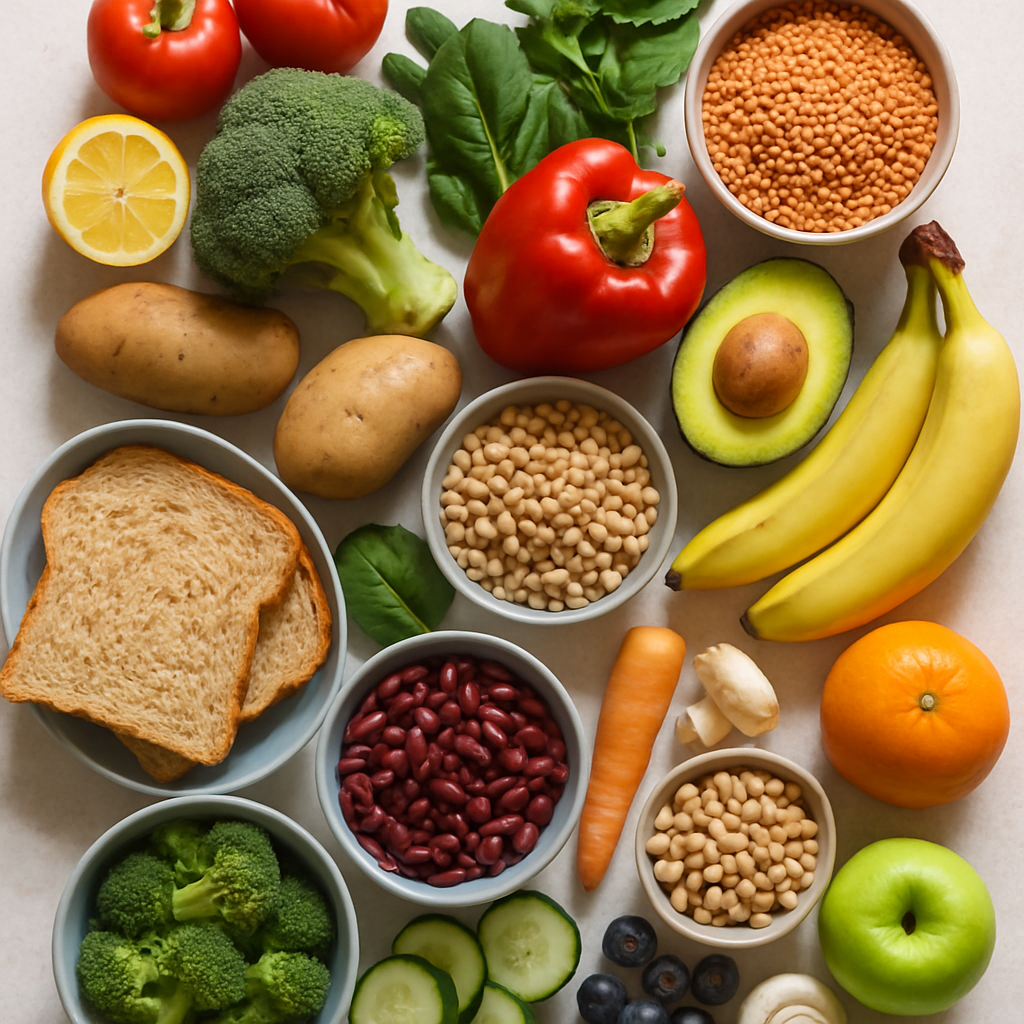
# How to Eat Fresh Food for Less Than Junk Food
There's a stubborn myth that eating well costs a fortune — that fresh vegetables, wholegrains, and decent protein are somehow luxury items reserved for people with more money and time than the rest of us. But the maths often tells a different story.
A bag of lentils, a box of oats, a head of broccoli — these aren't expensive foods. In many cases, they work out cheaper per meal than a multipack of crisps or a frozen pizza. The trick isn't having a bigger budget; it's knowing where the value actually is.
---
The "healthy food is expensive" myth — where it comes from
This belief isn't entirely without basis. Certain "health foods" — think protein powders, superfood blends, specialist free-from products — genuinely are expensive. And if your reference point for "eating fresh" is a premium meal kit or a Whole Foods shopping trolley, then yes, the bill adds up fast.
But that's a narrow version of fresh eating. The bulk of nutritious food — pulses, root vegetables, eggs, tinned fish, frozen veg, oats, rice, wholemeal bread — sits firmly at the affordable end of the supermarket. The problem is that junk food is heavily marketed, convenient, and engineered to feel like value, which skews our perception of what things actually cost.
Research from the Food Foundation has shown that the most deprived households in the UK would need to spend 29% of their disposable income on food to meet the Eatwell Guide recommendations — which is a genuine barrier. But for most households with moderate incomes, the cost gap between a fresh-food diet and a ultra-processed one is much smaller than people assume, and in many cases it tips the other way.
---
What the evidence shows
A 2021 analysis published in PLOS Medicine found that diets rich in whole foods — vegetables, legumes, wholegrains, nuts — were associated with lower costs than diets high in red meat and processed foods when looked at over time, partly because of reduced healthcare costs, but also in direct food spend.
Closer to home, a Which? investigation found that cooking from scratch using basic fresh ingredients consistently came out cheaper than buying equivalent ready meals or takeaways. A homemade vegetable curry with rice, for example, worked out at roughly £1.20 per portion compared to £3.50+ for a supermarket ready meal version.
It's also worth understanding what makes ultra-processed food feel cheap. Large manufacturers benefit from enormous economies of scale, subsidised commodity ingredients, and aggressive promotional pricing. The £1 multipack of snack bars isn't cheap because snack bars are inherently good value — it's cheap because it's been strategically priced to win your habit.
---
The ingredients that give you the most for your money
Some ingredients punch well above their weight nutritionally and financially. These are worth building meals around:
Dried and tinned pulses — lentils, chickpeas, black beans, kidney beans. Per gram of protein, these are among the cheapest foods you can buy. A 500g bag of dried red lentils typically costs under £1.50 and contains roughly 20 servings. They're also high in fibre and incredibly filling.
Eggs — still one of the best sources of complete protein available at a low price point. A box of six free-range eggs costs around £2-£2.50 and provides six solid, versatile meals or meal components.
Frozen vegetables — nutritionally equivalent to fresh in most cases (often frozen within hours of harvest, which locks in nutrients), but significantly cheaper and with zero waste. A 1kg bag of frozen spinach, peas, or mixed veg goes a long way.
Oats — one of the most nutrient-dense breakfast options available. A 1kg bag of plain rolled oats costs well under £2 and contains around 15 servings. High in beta-glucan fibre, slow-releasing energy, and genuinely filling.
Tinned fish — sardines, mackerel, and tuna are rich in protein and omega-3 fatty acids at a fraction of the cost of fresh fish. A tin of sardines costs roughly 80p-£1.20 and makes a solid, nutrient-dense meal on toast or with rice.
---
Where the real cost creep happens
Fresh eating goes wrong financially when people shop without a plan. Buying individual fresh vegetables that go off before they're used, picking up premium branded versions of basic ingredients, or overestimating how much you'll actually cook in a week — these habits bleed money quietly.
The other culprit is food waste. The UK throws away around 9.5 million tonnes of food per year, and households account for the majority of it. That waste is almost entirely financial loss. A half-eaten bag of salad, a forgotten courgette, leftover mince that never became a meal — these small losses add up across a week to more than most people realise.
Batch cooking is one of the most effective tools here. Cooking a large pot of soup, a grain salad, or a lentil dish at the start of the week and eating it across multiple days dramatically reduces waste and cost per portion, without requiring more time overall.
---
Smart shopping habits that make a difference
A few adjustments to how you shop can shift the numbers meaningfully without changing what you eat:
Buy own-brand basics. Supermarket own-brand rice, oats, tinned tomatoes, pulses, and frozen veg are nutritionally identical to branded versions and often 30-50% cheaper. There's no meaningful quality difference in these staple categories.
Use the freezer properly. Bread, meat, fish, and many cooked meals freeze well. If you buy in bulk when something is on offer, the freezer extends that value across several weeks.
Shop seasonally. UK seasonal produce — root vegetables in autumn and winter, courgettes and tomatoes in summer — is cheaper and fresher than out-of-season imports. A rough awareness of what's in season is enough to guide better choices.
Plan before you shop. Even a rough list of what you're making for the week prevents the fridge graveyard problem. You don't need a rigid meal plan — just a sense of what you'll actually cook so you buy accordingly.
Don't overlook the reduced aisle. Yellow-stickered produce at the end of the day is often perfectly good and significantly discounted. If you're cooking that evening or freezing it, there's no downside.
---
What about time? The other cost people forget
It's fair to acknowledge that time is a real constraint. A bag of oven chips takes twelve minutes. A meal made from scratch takes longer — and after a long day, that gap feels significant.
But the time cost of fresh cooking is often overstated. A tin of lentils or chickpeas requires no soaking or long cooking. Frozen veg microwaves in four minutes. Eggs scramble in two. A stir-fry with frozen veg, egg noodles, and soy sauce takes fifteen minutes from fridge to plate.
The meals that take a long time tend to be the elaborate ones. Weeknight cooking from fresh doesn't have to look like a Sunday roast. Building a repertoire of fast, simple recipes around cheap ingredients — rather than aiming for restaurant-quality meals every evening — is the realistic approach.
---
Practical takeaways
Here's what's worth taking from all of this, in plain terms:
- Build meals around pulses, eggs, oats, frozen veg, and tinned fish. These are your highest-value ingredients nutritionally and financially.
- Plan loosely before shopping. Knowing what you'll cook prevents waste and impulse buys.
- Batch cook once or twice a week. A large pot of something saves time and money across several days.
- Switch to own-brand staples. The difference in your basket could be £15-20 per week with no loss in nutrition.
- Use the freezer as a tool, not a dumping ground. Strategic freezing reduces waste and lets you buy in bulk when prices are good.
- Don't expect every meal to be exciting. Some meals are just fuel — simple, cheap, nutritious, done.
If you want help building a week of nutritious meals that actually fits your budget and macros, Macrology generates macro-perfect meal plans in seconds — https://macrology.app/signin
Want meals like this planned to your exact macros?
Macrology generates a personalised meal plan in seconds — breakfast, lunch, dinner and snacks, all hitting your daily targets.
Start your free 14-day trial