How to eat fresh food for less than junk food
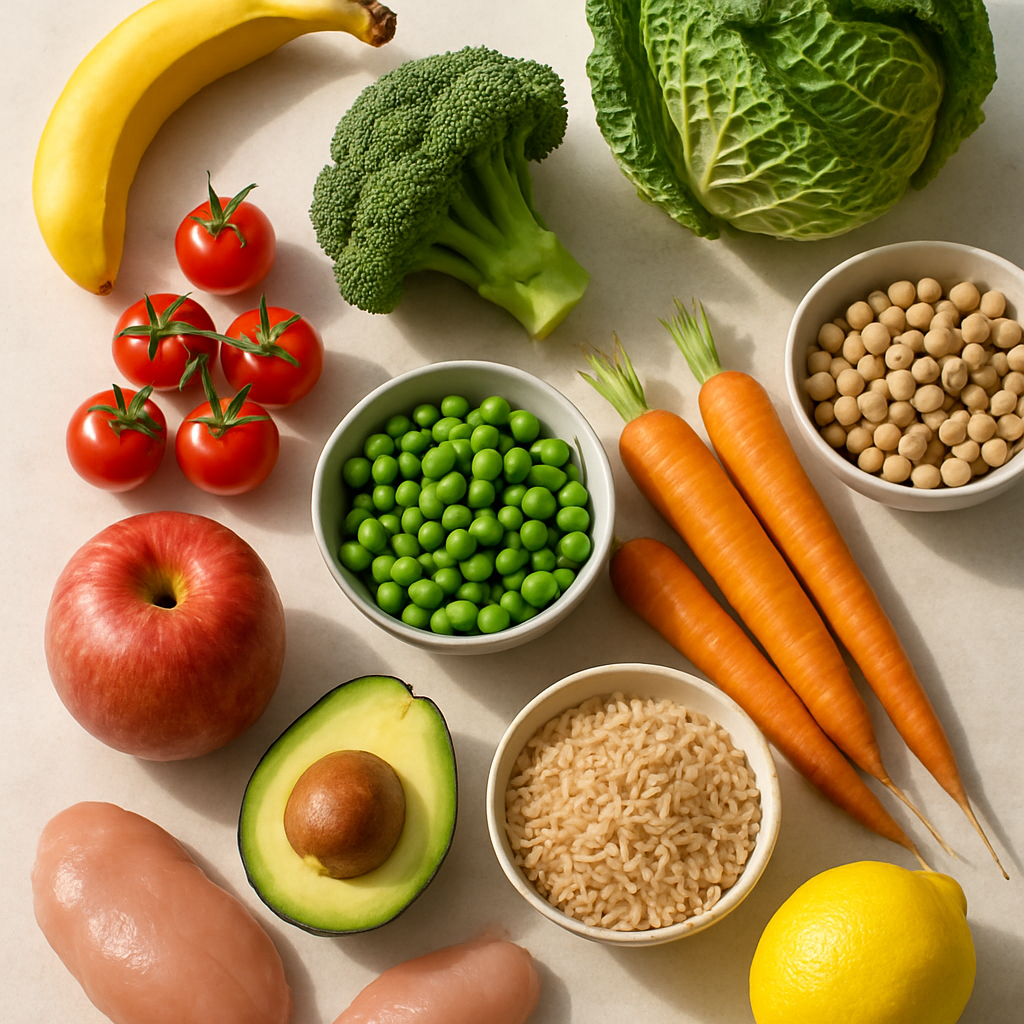
# How to Eat Fresh Food for Less Than Junk Food
There's a stubborn myth that eating well costs more than eating badly. It's repeated so often that most people accept it as fact — but the numbers tell a different story.
A bag of crisps costs more per 100g than a bag of carrots. A meal deal from a chain café will set you back £5–7, while a homemade lentil soup made from scratch costs pennies per bowl. The idea that fresh food is a luxury is, in many cases, simply not true — though it does require a bit of planning.
---
The "healthy eating is expensive" myth, unpacked
The comparison that usually fuels this belief is an unfair one. People tend to compare the cost of a McDonald's meal against a single organic chicken breast, or a packet of biscuits against a punnet of blueberries. Of course fresh food looks pricey when you cherry-pick the expensive end of the spectrum.
The more useful comparison is whole meals versus whole meals. A homemade chickpea curry with rice feeds four people for around £3–4 total. A takeaway for four? Easily £40+. When you zoom out to the level of weekly spending rather than individual items, the gap between "fresh" and "processed" narrows fast — and often flips entirely.
Research published in the British Medical Journal found that the healthiest diets cost only marginally more than the least healthy ones — roughly £1.56 more per day. But that figure assumes you're buying expensive superfoods and premium products. Swap those out for everyday staples and the cost difference disappears or reverses.
---
What the evidence shows
The framing of "healthy food costs more" has been studied extensively, and the results are more nuanced than the headlines suggest.
A 2013 meta-analysis from the Harvard School of Public Health, published in BMJ Open, found that the healthiest diets cost about $1.50 more per day than the least healthy — but this was based on studies using prices for individual foods, not full meals. When researchers looked at diet patterns as a whole, the picture changed significantly. Diets built around pulses, wholegrains, vegetables, and eggs consistently came in cheaper than those built around processed meat, ready meals, and convenience snacks.
A UK-specific analysis by the Food Foundation found that the poorest fifth of UK households would need to spend 74% of their disposable income to meet the government's Eatwell Guide recommendations — a figure that rightly highlights real structural barriers for some families. But for households with moderate incomes, the barrier is less about cost and more about perceived cost, time, and cooking confidence.
In other words: fresh food can be expensive, but it doesn't have to be. The key variables are which fresh foods you buy, how you cook them, and how much waste you allow.
---
The foods that give you the most nutrition per pound
Not all fresh food is created equal when it comes to budget. Some ingredients offer extraordinary nutritional value at very low cost — these are worth making the backbone of your meals.
Pulses (lentils, chickpeas, kidney beans) are arguably the best-value food in any supermarket. A 500g bag of red lentils costs around 89p and contains roughly 10 servings. They're high in protein, fibre, iron, and complex carbohydrates. Tinned chickpeas and beans are nearly as good — 40–60p a tin and ready to eat.
Eggs consistently rank as one of the cheapest sources of high-quality protein available. At around £1.50–2.00 for six free-range eggs, you're getting six complete-protein meals for less than the price of a coffee.
Frozen vegetables deserve more credit than they get. Frozen peas, spinach, broccoli, and mixed veg are often frozen within hours of harvest, meaning their nutritional content is comparable to — and sometimes better than — fresh produce that's been sitting in transit for days. A 1kg bag of frozen spinach costs around £1.50 and contains far more usable iron and folate than a small bag of fresh leaves at twice the price.
Tinned fish (sardines, mackerel, tuna) offers omega-3 fatty acids, protein, and vitamin D at a fraction of the cost of fresh fish. A tin of sardines in olive oil costs around 70–90p and makes a genuinely nutritious meal on toast or stirred through pasta.
Root vegetables and brassicas — carrots, swede, cabbage, cauliflower — are among the cheapest fresh vegetables year-round and are nutritionally dense. A whole white cabbage for under £1 can stretch across three or four meals.
---
Where junk food quietly bleeds your budget
It's worth being honest about what processed and convenience food actually costs when you add it all up.
A multipack of crisps, a couple of chocolate bars, a meal deal at lunch, and a takeaway once a week is easily £40–50 per week for one person — over £2,000 a year — without a single "proper" meal included. These purchases feel cheap in the moment because each transaction is small, but the cumulative cost is significant.
There's also the cost of volume. Ultra-processed foods are engineered to be easy to overeat. The research on ultra-processed food and satiety is consistent: diets high in UPF lead to higher calorie intake without a corresponding increase in fullness, meaning you spend more money eating more food and still feel less satisfied. A portion of lentil dhal with rice, by contrast, is cheap, filling, and nutritionally complete.
None of this is to say convenience food is the enemy — there are real reasons people rely on it, including time, stress, and accessibility. But the narrative that it's the cheaper option doesn't always hold up under scrutiny.
---
Practical strategies for cutting costs without cutting quality
Here's where theory meets the trolley.
Buy dried or tinned pulses instead of meat as your protein base for two or three meals a week. The saving is dramatic, and dishes like dhal, bean chilli, or chickpea stew are genuinely satisfying.
Shop seasonally and locally where possible. In the UK, courgettes, tomatoes, and salad leaves are cheap in summer; root vegetables, leeks, and cabbage are cheapest in autumn and winter. Supermarkets often discount seasonal produce heavily because supply outstrips demand.
Use your freezer properly. Batch cook and freeze portions of soups, stews, and curries. This means you always have a cheap, nutritious meal available — which makes it far less likely you'll reach for a takeaway on a tired Tuesday evening.
Plan before you shop. The biggest driver of food waste — and therefore unnecessary spending — is buying without a plan. Even a rough weekly menu reduces impulse purchases and ensures fresh ingredients actually get used.
Embrace "ugly" or reduced produce. Most supermarkets now have a reduced section, and apps like Too Good To Go or Olio surface surplus food at steep discounts. Wonky veg boxes from companies like Oddbox cost significantly less than standard supermarket prices.
Cook once, eat twice. Making a slightly larger batch of whatever you're cooking and using leftovers for lunch the next day is one of the most straightforward ways to cut weekly food spend without any sacrifice in quality.
---
Putting it into practice
The shift from "fresh food is expensive" to "I can eat well on a budget" doesn't require a complete overhaul. Start small: swap one or two convenience meals a week for something built on pulses, eggs, or frozen veg. Get comfortable with a handful of reliable, cheap recipes. Use your freezer.
The evidence is clear that a diet built around wholegrains, vegetables, legumes, eggs, and affordable protein sources is not only nutritionally sound — it's often cheaper than the alternative. The gap between good food and cheap food is far smaller than the food industry's marketing would have you believe.
If you want to eat better without spending more, Macrology generates macro-perfect meal plans in seconds — [https://macrology.app/signin](https://macrology.app/signin)
Want meals like this planned to your exact macros?
Macrology generates a personalised meal plan in seconds — breakfast, lunch, dinner and snacks, all hitting your daily targets.
Start your free 14-day trial