How to eat fresh food for less than junk food
# How to Eat Fresh Food for Less Than Junk Food
There's a widely held belief that eating well is expensive — that fresh food is a luxury and processed food is the budget option. It's a convincing story, but the numbers don't always back it up.
When you actually break down the cost per meal, per portion, or per gram of protein, fresh and minimally processed food often comes out cheaper than the ultra-processed alternatives. The trick is knowing where to look, what to buy, and how to put it together.
The myth of cheap junk food
The idea that junk food is the affordable option has been repeated so often it's become accepted wisdom. But it rarely holds up when you do the maths.
A meal deal from a fast food chain in the UK can set you back £6–£9. A bag of frozen chicken thighs, a tin of chopped tomatoes, and some rice from a supermarket can feed two people for around the same price — sometimes less.
The confusion partly comes from comparing the wrong things. Comparing a bag of crisps to a punnet of blueberries makes fresh food look expensive. But that's not a fair comparison — one is a snack food sold on convenience, the other is fresh produce. Compare whole meals to whole meals, and the picture shifts significantly.
There's also the question of satiety. Ultra-processed foods are often engineered to be highly palatable without being particularly filling. You eat more, buy more, and spend more without necessarily noticing.
What the evidence shows
Research consistently finds that ultra-processed foods cost more per calorie of actual nutritional value than whole or minimally processed alternatives. A 2021 analysis published in The Lancet found that diets high in ultra-processed foods were associated not only with worse health outcomes but with higher overall food spend when accounting for consumption volume.
A UK-specific study from the Food Foundation found that the healthiest foods cost, on average, three times more per calorie than the least healthy. But this metric is misleading — it's comparing calorie-dense processed foods with lower-calorie vegetables. When you compare price per meal or price per gram of protein, the gap narrows considerably or reverses entirely.
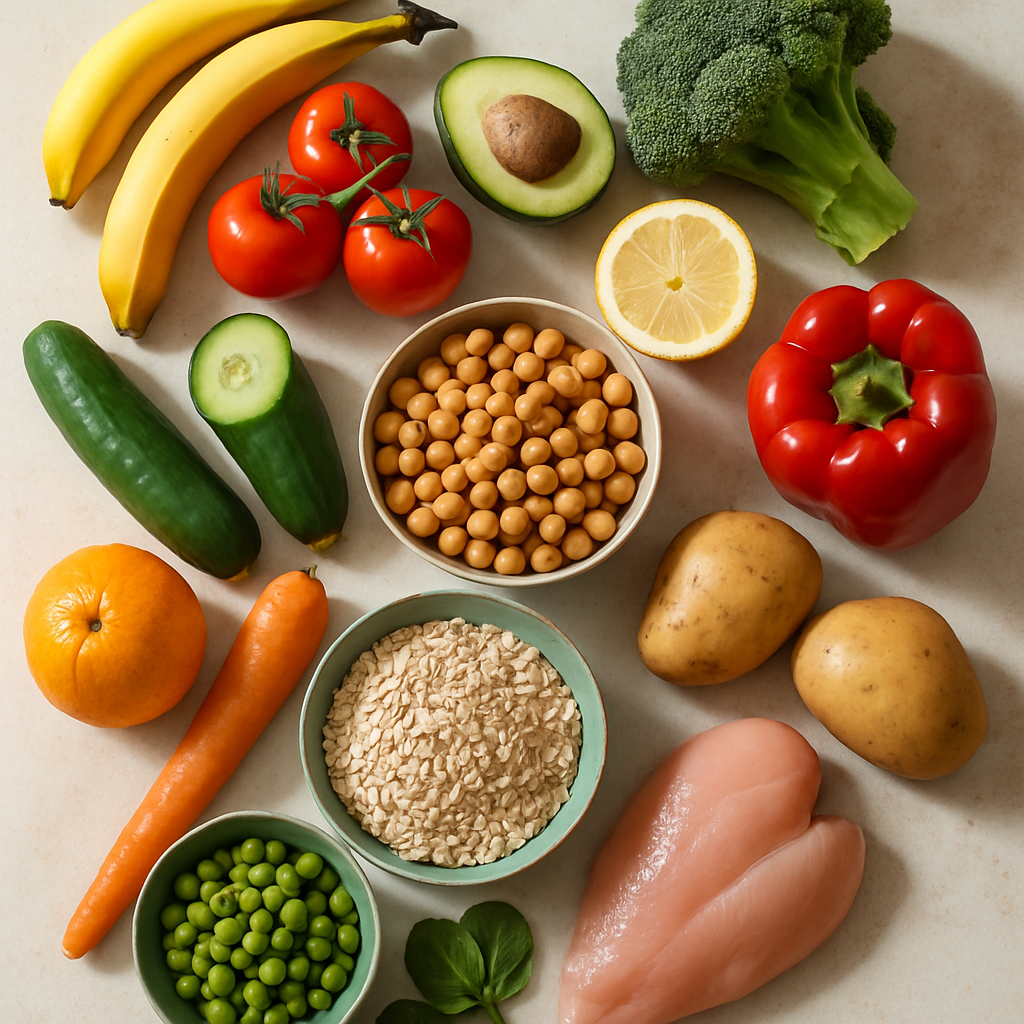
Frozen vegetables, pulses, tinned fish, eggs, and wholegrains consistently rank among the most affordable foods available in UK supermarkets. They're also among the most nutritionally dense. The challenge isn't availability — it's knowing how to build meals around them.
The cheapest fresh and whole foods available right now
Some of the best-value nutritious foods you'll find in any UK supermarket include:
Eggs — roughly £1.50–£2.50 for six free-range eggs. High in protein, healthy fats, and a range of vitamins. Versatile enough to build dozens of different meals around.
Frozen vegetables — often cheaper than fresh, nutritionally comparable (sometimes superior, since they're frozen at peak freshness), and zero food waste.
Tinned pulses — chickpeas, lentils, kidney beans, and black beans cost around 40–70p per tin. They're excellent sources of plant protein and fibre, and they bulk out any dish.
Oats — a 1kg bag costs under £2 and provides weeks of breakfasts. High in fibre, slow-releasing energy, and genuinely filling.
Frozen fish — basa fillets, pollock, or frozen salmon portions are significantly cheaper than fresh equivalents and cook beautifully from frozen.
Seasonal vegetables — root vegetables, cabbage, leeks, and onions are some of the cheapest items in any supermarket and form the backbone of dozens of meals.
Building your weekly shop around these ingredients doesn't require deprivation — it requires a plan.
Why planning is the real budget superpower
The single biggest driver of food waste — and therefore overspending — is buying food without a clear plan for how it'll be used. The average UK household throws away around £730 worth of food every year, according to WRAP. Much of that is fresh produce bought with good intentions and never used.
A meal plan solves this directly. When you know exactly what you're cooking, you buy exactly what you need. Nothing rots in the back of the fridge. Nothing gets panic-ordered from a delivery app because there's nothing ready to eat.
Meal planning also lets you shop around a smaller, more intentional ingredient list. Instead of buying a wide variety of specialist ingredients, you cook meals that share components — a batch of roasted vegetables used across three different dishes, for example, or a tin of coconut milk split across two recipes.
The knock-on effect is significant. People who meal plan consistently spend less on food overall, have lower food waste, and report less stress around mealtimes. It's one of those habits where the effort-to-reward ratio is unusually good.
Smart shopping strategies that actually work
A few practical approaches make a real difference when you're trying to keep costs down without compromising on quality.
Buy frozen more often. The stigma around frozen food has no nutritional basis. Frozen spinach, peas, edamame, and broccoli are as nutritious as their fresh equivalents — and a fraction of the price. Frozen fruit is perfect for smoothies, overnight oats, or cooking down into sauces.
Go own-brand for staples. Supermarket own-brand tinned tomatoes, dried pasta, oats, and pulses are often identical in quality to branded versions at 30–50% less. The ingredients list is usually the same; you're just not paying for the packaging design.
Use the reduced section strategically. Most supermarkets mark down fresh produce and meat in the late afternoon or evening. If you're flexible about your meal plan, this is an easy way to pick up good quality protein at half price. Buy it, cook it that evening, or freeze it immediately.
Batch cook once, eat twice (or three times). Cooking a larger portion of something — a lentil dal, a big pot of soup, a tray of roasted chicken thighs — and portioning it out across the week cuts both time and cost. You're running the oven once instead of four times. You're using ingredients fully rather than leaving half a tin of something in the fridge.
Common objections, addressed honestly
"Fresh food takes longer to cook." Some of it does. But a tin of chickpeas and a bag of spinach stir-fried with spices takes about ten minutes. A bowl of porridge takes five. Speed is more about knowing a few quick recipes than it is about the food itself.
"My family won't eat it." This is a real challenge, especially with children who are used to particular textures and flavours. But most people find that introducing changes gradually — swapping one ingredient at a time rather than overhauling everything — is far more effective than a complete reset. Adding lentils to a bolognese, for example, is usually completely undetectable and halves the cost of the meat component.
"I don't know how to cook." You don't need a wide repertoire. Five or six reliable recipes you can rotate is genuinely enough to eat well all week. Cooking from scratch sounds intimidating but most nutritious meals involve a protein source, a carbohydrate, and some vegetables — assembled in different ways.
Practical takeaways
Here's what you can act on immediately:
- Write a meal plan before your next shop — even a rough one. Decide what you're eating Monday to Friday and build your shopping list from that.
- Audit your basket — before you check out, look at what's in there. How much of it is genuinely going to get used?
- Swap one processed staple this week — if you regularly buy a particular ready meal or takeaway, try making a homemade equivalent once and compare the cost.
- Stock a few freezer and cupboard staples — oats, tinned pulses, frozen vegetables, eggs, and a couple of spice blends will see you through almost any week.
- Check the reduced section on your next trip and see what's available.
None of this requires a dramatic overhaul. Small shifts, done consistently, add up.
If you want a full week of budget-friendly, macro-balanced meals without spending an hour planning them yourself, Macrology generates macro-perfect meal plans in seconds — https://macrology.app/signin
Want meals like this planned to your exact macros?
Macrology generates a personalised meal plan in seconds — breakfast, lunch, dinner and snacks, all hitting your daily targets.
Start your free 14-day trial