How to eat fresh food for less than junk food
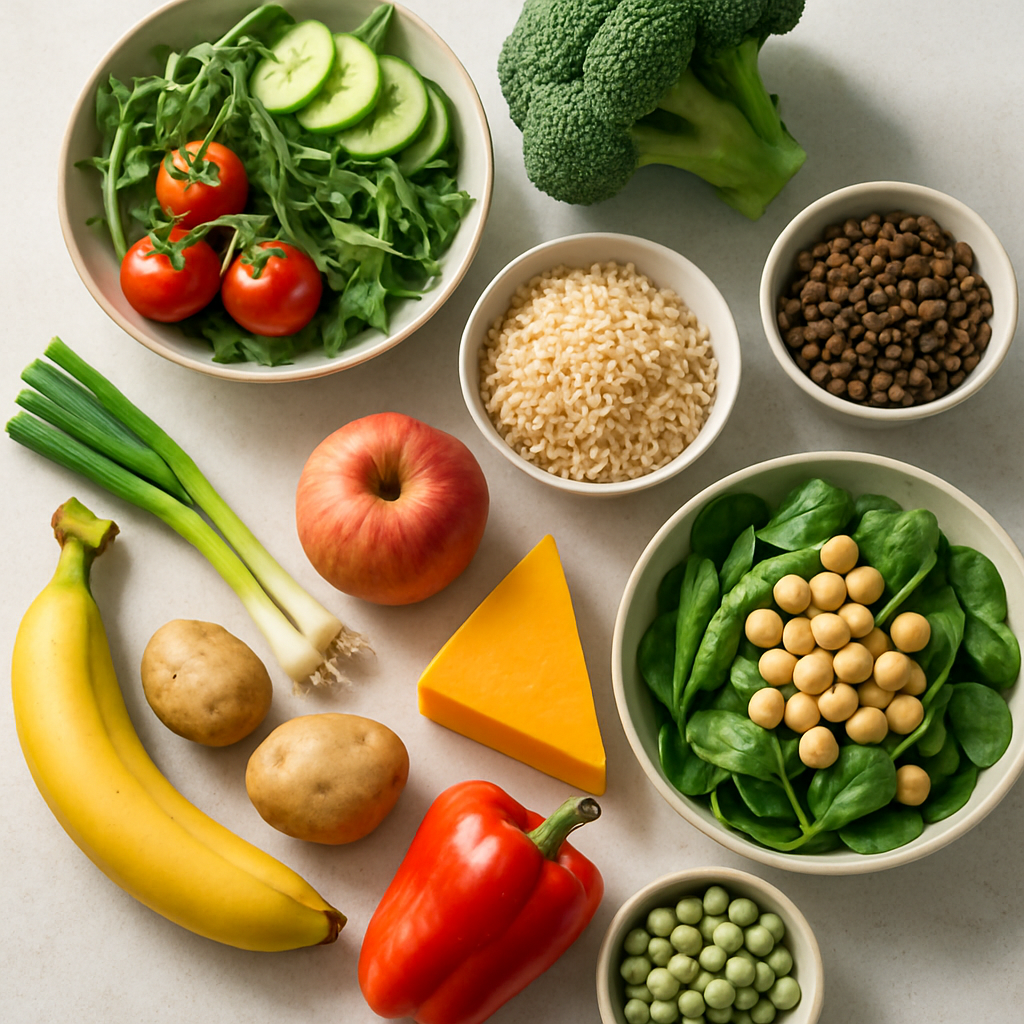
# How to Eat Fresh Food for Less Than Junk Food
There's a persistent idea that eating well is expensive — that fresh food is a luxury and ultra-processed food is the budget option. It's one of the most stubborn myths in nutrition, and it's worth pulling apart properly.
The reality is that with a bit of structure, fresh food can cost less per meal than a multipack of crisps or a fast food run — and leave you far more satisfied.
The myth that won't die
The "healthy food is expensive" narrative has real roots. A 2021 study published in The Lancet found that nutrient-dense diets cost more per calorie than energy-dense ones in high-income countries. That sounds damning — until you dig into the methodology.
Cost per calorie is a flawed metric for comparing food quality. A litre of vegetable oil is extraordinarily cheap per calorie, but no one is recommending you live on it. When researchers switch to cost per serving or cost per nutritional unit (like grams of protein or fibre), the picture changes significantly.
A 2013 USDA study found that fruits and vegetables are actually cheaper than many processed foods when measured by portion or by weight. The framing matters enormously.
Why ultra-processed food feels cheaper
The reason processed food feels like the budget option comes down to a few things: aggressive marketing, convenience, and the way our brains respond to immediate costs versus hidden ones.
A £1.50 meal deal feels cheap in the moment. But it's rarely filling for long, which means you're often buying more food later in the day. Ultra-processed foods are also engineered to be more-ish — hyper-palatable combinations of fat, salt, and sugar that make it easy to eat past the point of fullness.
Fresh food, particularly when it contains adequate protein and fibre, tends to keep you fuller for longer. That means fewer snacks, smaller portions at subsequent meals, and — over time — a lower actual spend.
What the evidence shows
Research from University College London tracked over 22,000 people and found that those eating the most ultra-processed food had significantly higher calorie intakes and were more likely to report feeling hungry shortly after eating. That's not a moral judgement on those foods — it's a mechanical observation about how they interact with appetite signalling.
Separately, a 2023 analysis in BMJ Open looked at the cost of meals cooked from scratch versus equivalent ready meals and takeaways across the UK. Home-cooked meals using basic ingredients came out 47% cheaper on average, even when accounting for energy costs for cooking.
The evidence consistently points in the same direction: the perception of cost and the actual cost of fresh food are two very different things.
The foods that do the heavy lifting
You don't need superfoods or specialist ingredients to eat well on a budget. The most cost-effective fresh foods are also some of the most nutritionally solid.
Eggs are one of the highest-quality protein sources available and cost roughly 20–25p each. Tinned fish — sardines, mackerel, tuna — is rich in omega-3s and protein, often for under £1 a tin. Dried lentils and chickpeas cost pennies per serving, are high in protein and fibre, and form the base of meals that keep you full for hours.
Frozen vegetables deserve a special mention. They're picked and frozen at peak ripeness, which means their nutritional profile is often better than "fresh" veg that's been sitting in transit for several days. A 1kg bag of frozen spinach or peas typically costs £1–£2 and lasts far longer than fresh alternatives.
Oats, root vegetables, canned tomatoes, natural yoghurt, and seasonal produce round out a genuinely powerful budget toolkit — none of it exotic, all of it effective.
The planning gap
Here's where most people hit a wall. Fresh ingredients are cheaper in theory, but without a plan, they go to waste. Buying a bag of spinach with good intentions and finding it liquid in your fridge a week later is a real and frustrating experience — and it makes the "fresh food is expensive" narrative feel true, even when the maths don't support it.
Food waste is the hidden tax on eating fresh. The UK throws away approximately 6.7 million tonnes of food each year, and a significant portion of that is fresh produce bought with the intention of cooking. If your spinach goes in the bin, it wasn't actually cheaper than a ready meal — it was more expensive, because you bought it and got nothing from it.
The solution isn't to stop buying fresh food. It's to build a structure around it. Knowing in advance what meals you're going to cook, and buying only what you need for those meals, cuts waste dramatically and keeps costs predictable.
Building a budget meal plan that actually works
A few practical principles make this much easier in practice.
Cook once, eat twice. Batch cooking is one of the most effective tools for keeping costs down. A pot of lentil dal or chicken and vegetable soup takes 30 minutes and feeds you for three days. Per meal, the cost drops to well under £1.
Build meals around your protein source, not your recipe. Rather than deciding to make a specific dish and buying everything for it, pick a cheap protein — eggs, tinned fish, lentils, chicken thighs — and build around what's already in your fridge and cupboards.
Lean on your freezer. Bread, meat, cooked grains, and most vegetables freeze well. Buying in bulk when something is on offer and freezing it is one of the simplest ways to cut spending without compromising quality.
Seasonal produce is dramatically cheaper. Courgettes in July cost a fraction of what they do in February. Learning roughly what's in season each month — and letting that guide your shopping rather than specific recipes — keeps variety up and costs down.
Practical takeaways
Here's what this looks like in practice for a week's eating:
- Sunday: Cook a large batch of something versatile — a soup, a stew, a tray of roasted veg. This becomes lunches and dinners for several days.
- Protein anchors: Keep eggs, a tin of fish, and a bag of lentils in the house at all times. These are your fallback when nothing is planned.
- Buy frozen: Replace one or two fresh vegetable staples with frozen equivalents. Nutritionally equivalent, longer lasting, cheaper.
- One fresh item per day: Rather than buying lots of fresh produce upfront, pick up one or two fresh items as needed throughout the week — reducing the chance of waste.
- Track what you're spending: It's easy to assume fresh food costs more without actually checking. Many people are surprised when they run the numbers properly.
The goal isn't perfection. It's having enough structure that fresh food becomes the path of least resistance, rather than the aspirational choice that requires extra effort and money.
If you want to stop guessing and start eating well without overspending, Macrology generates macro-perfect meal plans in seconds — [https://macrology.app/signin](https://macrology.app/signin)
The bottom line
Fresh food isn't inherently expensive. What's expensive is buying it without a plan, wasting it, and filling the gap with convenience food out of necessity rather than choice.
The cost advantage of ultra-processed food is real at the moment of purchase — but it's narrower than it appears, and it evaporates when you account for waste, satiety, and how much you end up eating across a full day.
A bag of oats, a few tins of fish, some frozen veg, and a dozen eggs will feed most people through a significant chunk of the week for well under £10. That's not a sacrifice. That's just knowing which foods do the work.
Want meals like this planned to your exact macros?
Macrology generates a personalised meal plan in seconds — breakfast, lunch, dinner and snacks, all hitting your daily targets.
Start your free 14-day trial