How to eat fresh food for less than junk food
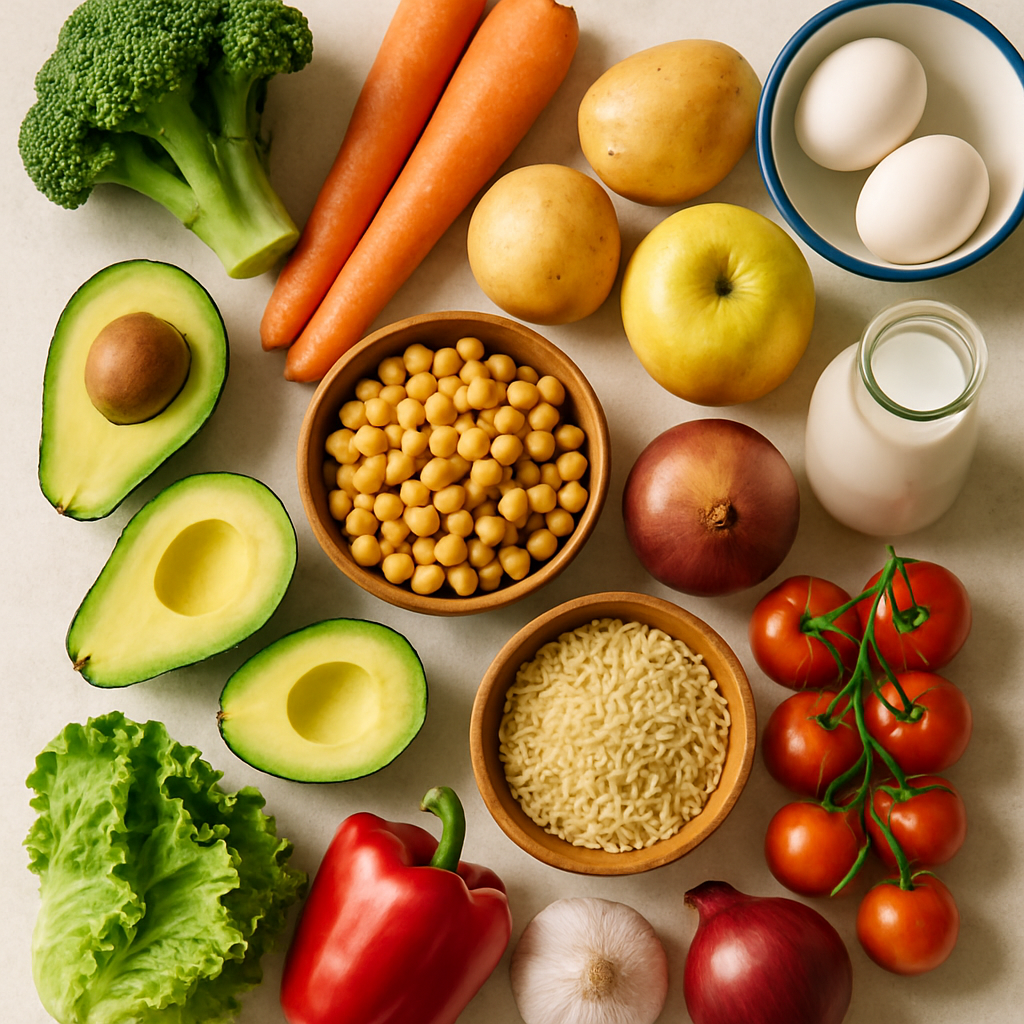
# How to Eat Fresh Food for Less Than Junk Food
There's a persistent idea that eating well is expensive — that fresh food is a luxury and processed food is what you turn to when money's tight. It's repeated so often it's started to feel like fact. But when you actually crunch the numbers, the picture looks very different.
The Price Comparison Nobody Does
Most of us compare foods at the wrong level. We look at the sticker price of a bag of lentils versus a packet of crisps and assume the crisps win because they're cheaper per pack. But cost-per-meal or cost-per-serving tells a completely different story.
A 500g bag of red lentils costs around £1.50 and makes four generous portions of dal or soup. A meal deal from a fast food chain — a burger, fries, and a drink — runs you £7–£10 and leaves you hungry two hours later. A ready meal from a supermarket might seem reasonable at £3.50, but cook a similar dish from scratch and you're often looking at £1.00–£1.50 per serving for better ingredients and more food.
The illusion that junk food is cheap comes partly from the fact that it's priced to feel affordable in the moment — small individual amounts, low upfront cost. Fresh cooking, by contrast, involves buying ingredients that go further than a single sitting.
What the Evidence Shows
Research consistently challenges the narrative that healthy food is out of reach for most people. A 2021 analysis published in BMJ Open found that the healthiest dietary patterns in the UK were not always the most expensive — and that cost varied enormously depending on where and how people shopped, rather than simply what they ate.
The same research highlighted that ultra-processed foods often cost more per unit of nutrition than whole foods. When you're paying for packaging, marketing, flavour engineering, and a long shelf-life, you're not necessarily getting more food — you're getting more product.
A separate study from the Tufts University Food Policy and Obesity team found that eating a diet rich in whole grains, vegetables, and legumes added just $1.50 more per day (roughly £1.20) compared to a lower-quality diet — far less than most people assume the gap to be. And that's without factoring in UK food prices, where staple whole foods are often significantly cheaper than their American equivalents.
The Foods That Punch Well Above Their Weight
Certain foods are doing serious nutritional and financial work and don't get nearly enough credit for it. These aren't exciting or glamorous, but they're genuinely some of the best value available anywhere in a supermarket.
Tinned pulses — chickpeas, kidney beans, cannellini beans — cost around 45–65p per tin, provide 2–3 portions, and deliver fibre, protein, and a range of micronutrients. Dried lentils and split peas are even cheaper and don't need soaking. Oats are one of the most researched foods for satiety and cardiovascular health, and a 1kg bag costs less than £1.50. Frozen vegetables are picked and frozen at peak ripeness, meaning they often retain more nutrients than fresh produce that's been sitting in transit for days — and they cost a fraction of the price.
Eggs remain one of the most complete and affordable protein sources available. A free-range dozen for £2.50–£3.50 gives you 12 high-quality servings. Tinned fish — sardines, mackerel, tuna — offer omega-3s and protein for under £1 a tin. These foods aren't compromises. They're genuinely excellent.
Where Most Budgets Actually Leak
It's worth being honest about where food spending tends to go wrong — not to point fingers, but because knowing the patterns makes it easier to spot them in your own habits.
Convenience is the biggest driver of food spend. Pre-cut vegetables, pre-portioned ingredients, meal kits, and individually packaged snacks all charge a significant premium for saving you five minutes. A bag of pre-washed baby spinach costs more than twice as much per gram as a full head of spinach you wash yourself.
Waste is the other silent cost. The average UK household throws away around £730 worth of food per year, according to WRAP. That's roughly £14 a week disappearing into the bin — often fresh produce bought with good intentions and not used in time. If that figure surprises you, it's not a character flaw; it's usually a planning problem. Buying without a clear plan for what you'll actually cook means things get forgotten.
The third leak is impulse buying at the point of hunger. A £3.50 coffee-shop pastry here, a £4 meal deal there — these feel negligible individually but add up to hundreds of pounds a year. Ultra-processed snack food tends to be engineered to make you want more of it, which isn't accidental.
Practical Ways to Make Fresh Food Cheaper Than the Alternative
This doesn't require a lifestyle overhaul. A few changes make a significant difference quickly.
Build meals around cheap protein and bulk them with vegetables. Lentil soups, bean stews, egg-based dishes, and oat porridge are fast, filling, and genuinely cheap. A pot of spiced red lentil soup made with a tin of tomatoes, onion, garlic, and dried lentils costs around 30–40p per bowl and takes 25 minutes.
Use the freezer properly. Batch cook and freeze portions. Buy meat in bulk when it's reduced and freeze it immediately. Keep a bag of frozen spinach, peas, and sweetcorn on hand as a vegetable safety net — they don't go off, they're versatile, and they cost less than fresh equivalents.
Plan before you shop. Even a rough weekly meal plan — not a rigid one — dramatically reduces waste and impulse buys. Knowing you're making a chickpea curry on Thursday means you buy one tin of chickpeas rather than buying three fresh things that might not get used.
Shop the supermarket own-brand range for staples. Own-brand tinned tomatoes, pulses, oats, rice, and pasta are often produced in the same facilities as branded versions. The nutritional content is essentially identical. The price difference is not.
Learn five cheap, quick meals you actually enjoy. You don't need to know fifty recipes. Five genuinely good ones you can rotate means you always have a fallback when you don't want to think.
What About Eating Fresh When Time Is Short?
The "I don't have time to cook" objection is real, and it deserves a genuine answer rather than a dismissive one. Ultra-processed food wins partly on speed, and that matters.
But the fastest cooking doesn't have to be from scratch every night. Batch cooking one or two things on a Sunday afternoon means weeknight meals take 10 minutes to reheat. A bowl of oats takes 3 minutes in the microwave. Scrambled eggs on wholegrain toast takes 5 minutes. Tinned fish with rice and frozen veg takes 12 minutes. These aren't elaborate. They compete directly with the time it takes to order a takeaway and wait for it.
The comparison isn't between a home-cooked Sunday roast and a fast food burger. It's between simple, quick, affordable cooking and the assumption that fresh food requires hours of effort.
Practical Takeaways
Here's what actually moves the needle, without making your life harder:
- Calculate cost per meal, not cost per item. A bag of lentils looks expensive until you realise it's four meals for £1.50.
- Keep five freezer staples always stocked: frozen spinach, peas, sweetcorn, fish fillets, and wholegrain bread. These are your safety net for busy nights.
- Write a rough meal plan before shopping — even three or four dinners. It doesn't have to be rigid.
- Batch cook once a week. A big pot of something on a Sunday evening makes the rest of the week easier and cheaper.
- Make friends with tinned and dried pulses. Chickpeas, lentils, and kidney beans are nutritionally dense, genuinely filling, and cost almost nothing per serving.
- Compare like for like. The next time something processed seems cheap, ask what you're getting per serving — and what it's actually made of.
Fresh food being expensive is largely a myth built on faulty comparisons, poor planning, and the very effective marketing of convenience. The real gap between eating well and eating cheaply is much smaller than most people think — and in many cases, it doesn't exist at all.
If you want a meal plan that fits your budget and your macros without the guesswork, Macrology generates macro-perfect meal plans in seconds — https://macrology.app/signin
Want meals like this planned to your exact macros?
Macrology generates a personalised meal plan in seconds — breakfast, lunch, dinner and snacks, all hitting your daily targets.
Start your free 14-day trial